Chevrolet facing withdrawal from China after massive sales loss
General Motors’ volume brand Chevrolet is apparently nearing its end in China. After a sales decline of nearly 99 percent, the move shows how much the world’s largest car market has changed.
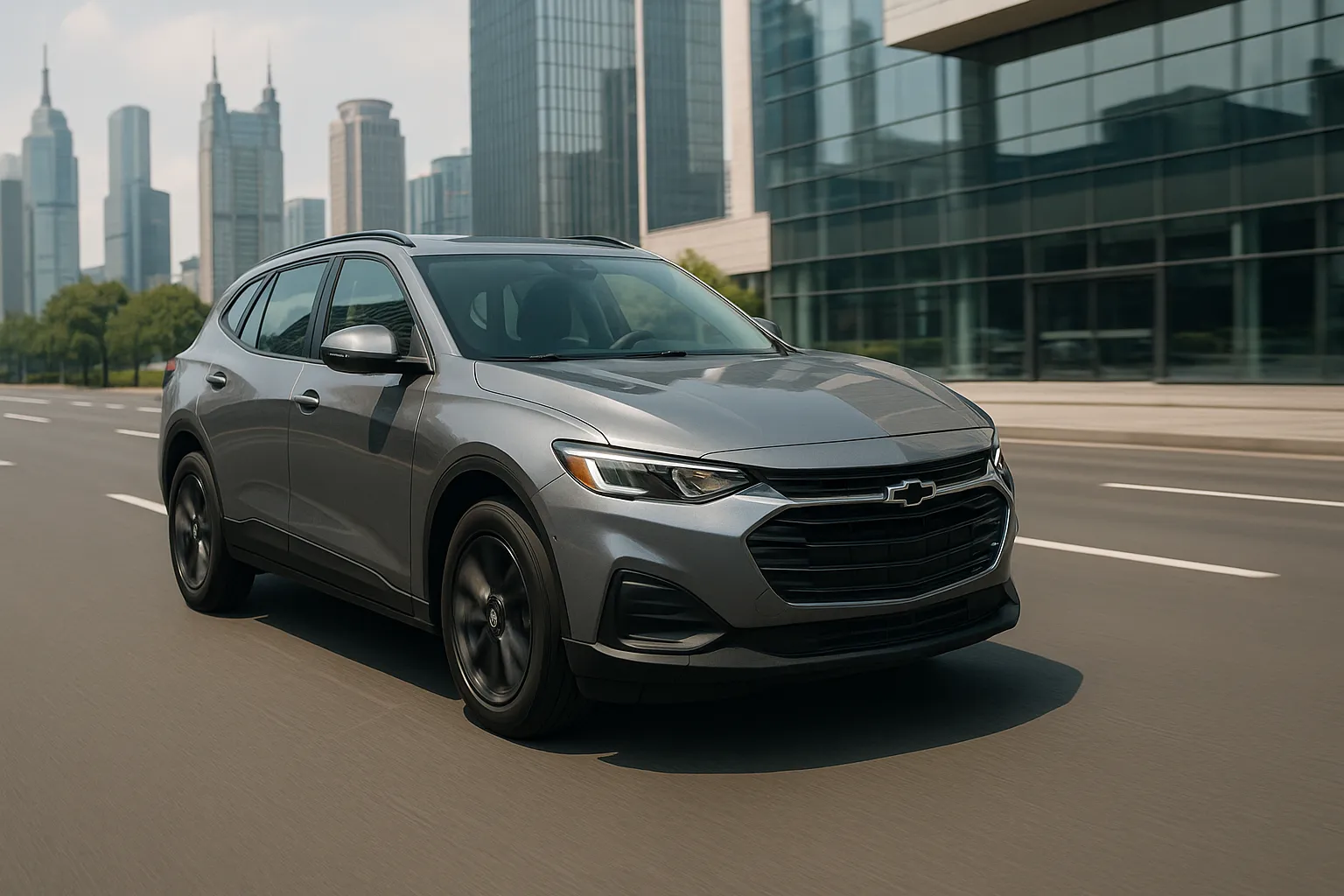
Chevrolet is apparently facing a complete withdrawal from China. For General Motors, that would be more than a regional model cleanup: It would be the end of a brand that was once intended as an international volume pillar, but now finds hardly any buyers in what has become the toughest car market in the world. The reported background is drastic: The brand’s sales are said to have collapsed by nearly 99 percent over roughly a decade.
The operational details of the move have not yet been fully spelled out publicly. What matters, however, is the direction: Chevrolet practically no longer plays a leading role in the Chinese new-car market. While GM remains present in China through other brands and joint-venture structures, the brand with the bowtie logo is apparently losing its independent new-car prospects there.
From symbol of growth to marginal player
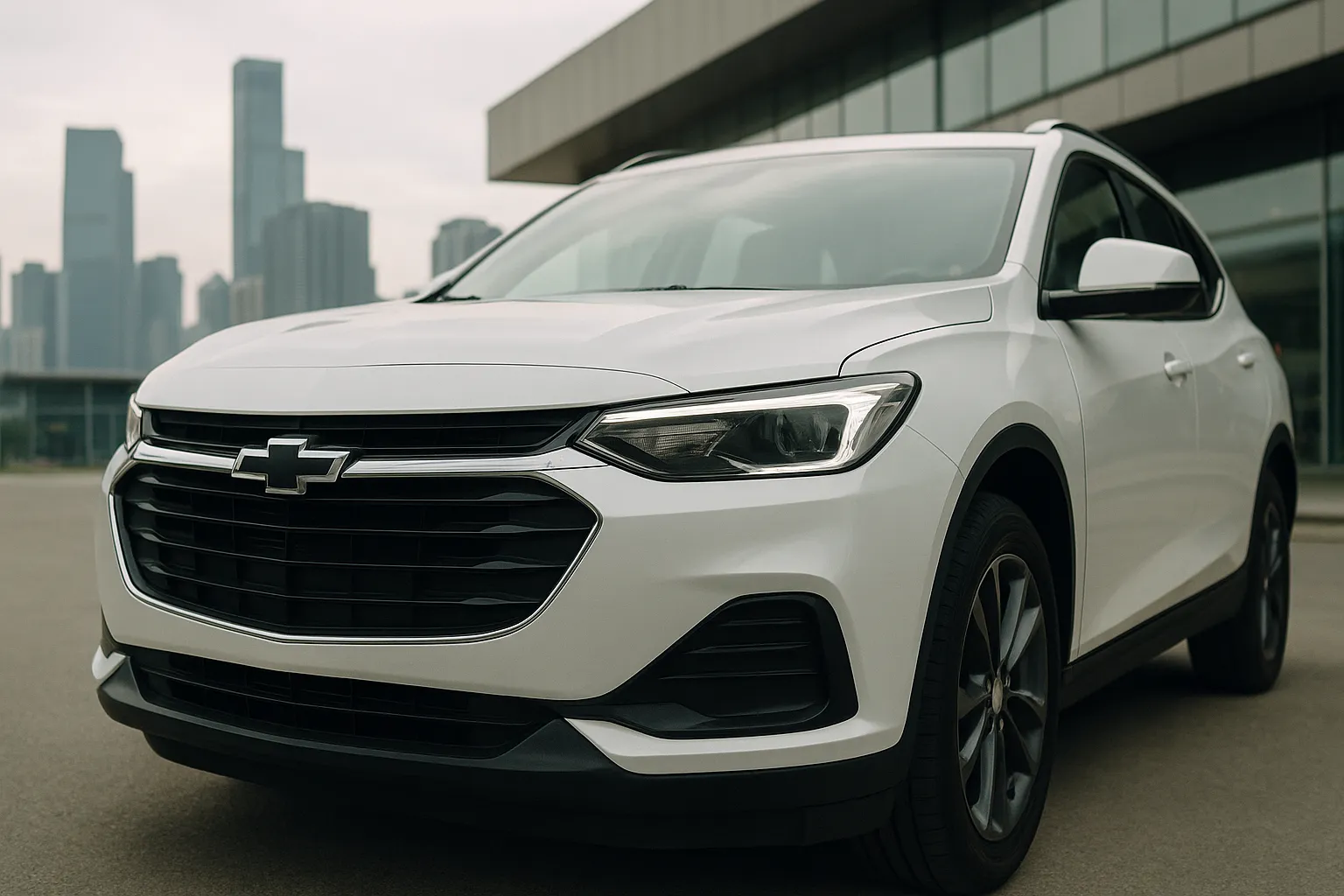
For many years, China was a central growth market for Western manufacturers. Chevrolet also initially benefited from this development. Global models, compact sedans and SUVs met a rapidly growing middle class looking for modern, internationally positioned vehicles. In a phase in which foreign brands enjoyed a high level of trust, Chevrolet was able to play a meaningful role in the portfolio as an accessible GM brand alongside Buick and Cadillac.
That role has changed fundamentally. Chinese buyers today are significantly less fixated on foreign brands than they were ten or fifteen years ago. Local manufacturers have massively caught up in design, equipment, electrification, software and value for money. In many segments they now set the benchmark themselves, especially in electric cars and plug-in hybrids.
This created a strategic problem for Chevrolet: The brand had to hold its own at the same time against price-aggressive Chinese competitors, established foreign manufacturers and its own corporate siblings. Buick traditionally has a stronger brand perception in China, Cadillac covers the premium field, and GM is already represented in lower-priced segments through further joint-venture activities. Chevrolet increasingly remained between these poles without a clear profile.
Why the Chinese market has become so tough
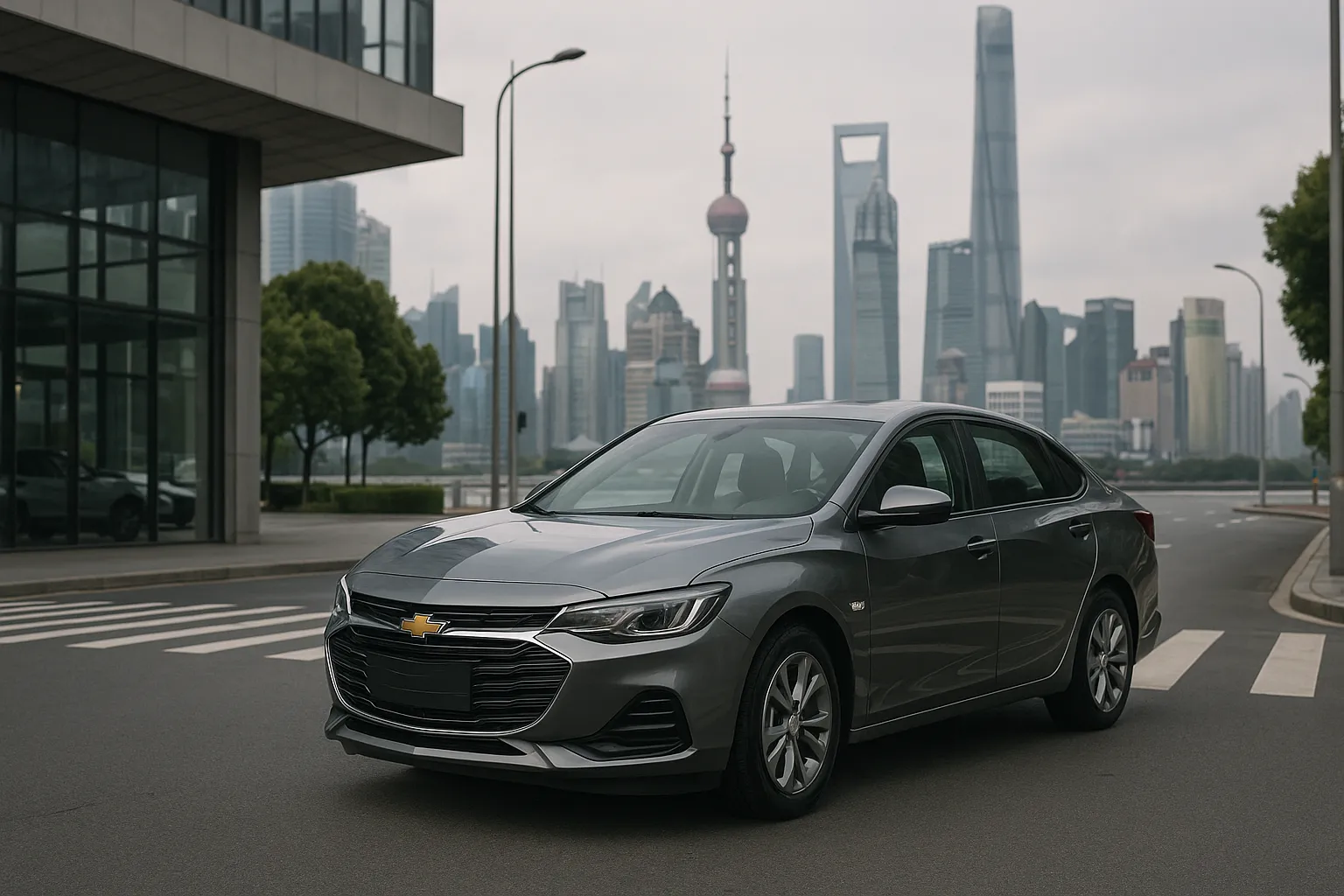
The withdrawal fits into a larger pattern. China is not only the largest passenger-car market in the world, but also the market with the fastest technological shift. Electric cars, range extenders, plug-in hybrids, large infotainment displays, highly developed driver assistance systems and digital services have long since ceased to be niche topics there. Many buyers expect a combination of range, charging or consumption advantages, smartphone integration, local connectivity and an aggressive price.
This is exactly where older global platforms and conventional combustion-engine model lines come under pressure. A model intended to work in several regions of the world can quickly seem too conservative in China. On top of that comes an intense price war. Local manufacturers bring new vehicles to market at a high frequency, react quickly to trends and can tailor products strongly to Chinese usage habits.
For Chevrolet, this was particularly difficult because the brand traditionally works through affordable, rather mainstream-oriented vehicles. In China, this mainstream field has now become one of the most fiercely contested segments of all. If a brand there does not score with outstanding electrification, special software, a strong image or very low prices, it quickly becomes invisible.
What changes for buyers
For Chinese new-car buyers, a withdrawal primarily means: New Chevrolet models are unlikely to continue being offered regularly in the medium term. Anyone who had previously considered a Chevrolet as an affordable alternative to local or other international brands will have to look for alternatives. This particularly affects buyers who wanted to combine simple maintenance, familiar technology and a Western brand image.
For existing owners, the situation is more differentiated. A brand withdrawal does not automatically mean that service, spare parts and warranty services disappear immediately. In markets of this size, support and parts supply usually continue through existing dealer, workshop and joint-venture structures, at least for a transitional period and for legally required obligations. Nevertheless, owners should take a closer look: Which workshops remain authorized? How long will body and electronic parts be available? Are there changes to warranty handling or recalls?
Resale value can also be affected. Vehicles from a brand that no longer offers new cars lose attractiveness more quickly on the used-car market in some cases. This depends heavily on the model, condition, spare parts supply and local demand. Practical, widely distributed models can continue to be in demand; rare variants or those already weakly demanded could, by contrast, be harder to sell.
Significance for GM
For General Motors, the departure of Chevrolet in China is a turning point, but not equivalent to a complete withdrawal from the country. GM has historically been closely anchored there through joint ventures. Buick, Cadillac and other activities remain more relevant to the group strategy than Chevrolet. The likely move therefore looks like a portfolio cleanup: Resources are to flow to where the chances of success are higher.
From an industrial perspective, that is understandable. Keeping a brand artificially alive costs marketing budget, dealer support, homologation, model updates and management attention. If the sales level reaches only a fraction of earlier times, the economic logic becomes weaker and weaker. In a market that is electrifying quickly and in which local competitors show high development momentum, concentration can be more important than symbolic presence.
At the same time, the case shows how difficult China has become for foreign mass-market brands. Premium manufacturers can partly stabilize themselves through brand image and margins. Specialists in the electric sector can score through technology. Volume brands without a sharp profile, by contrast, fall between all stools. Chevrolet is therefore not an isolated special case, but a clear signal for the industry.
What interests enthusiasts about it
For car enthusiasts, Chevrolet in China never had the same emotional significance as in North America, where the brand is associated with Corvette, Camaro, large pickups and a long motorsport history. In China, Chevrolet stood more for global compact and family models. Nevertheless, the withdrawal is remarkable because it shows that even large traditional brands do not automatically have a lasting presence in important markets.
The Chevrolet brand remains globally relevant, especially in America and selected other regions. But China follows its own rules. A name alone is not enough there. What matters are speed, local product fit, electrification and the digital user experience. Anyone who falls behind in these areas can go from an important market participant to a marginal provider within a few years.
A signal beyond China
The likely Chevrolet farewell from China is therefore more than a sales note. It shows how the balance of power in the car market is shifting. Chinese manufacturers are no longer just inexpensive challengers in their home market. They are developing platforms, battery technology, software and production processes that are also creating pressure internationally.
For buyers worldwide, this development can mean more competition, more equipment and lower prices in the medium term. For established manufacturers, it increases the pressure to renew model ranges more quickly and to take regional expectations more seriously. For GM, Chevrolet’s withdrawal in China is a pragmatic step after a massive loss of demand. For the industry, it is a warning sign: In the world’s largest car market, it is not the past and brand awareness that count, but current relevance.