Lucid Gravity GT-S: Electric SUV Challenges the V8 Faction
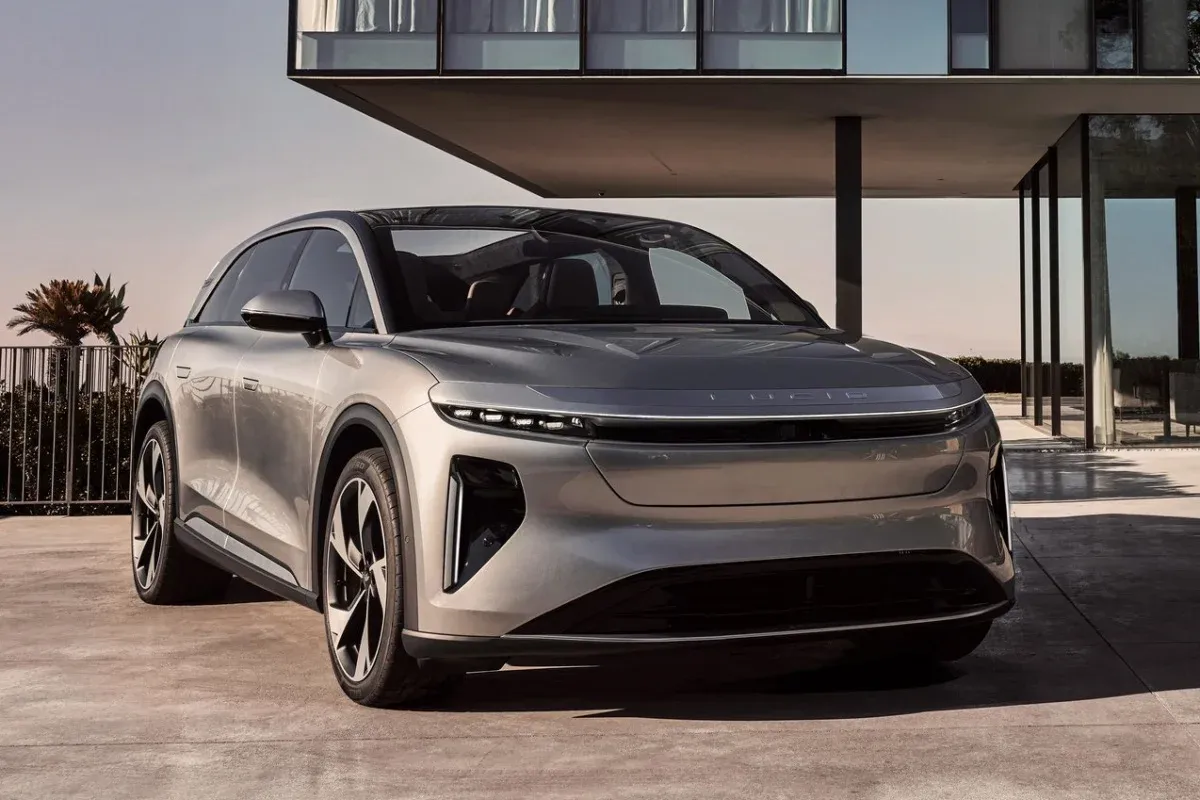
Lucid is following up with the Gravity as a GT-S for the 2027 model year. The three-row electric SUV is intended to offer more power than a Cadillac Escalade-V and cost around 40,000 dollars less in the U.S.
A New Performance Picture for Large Luxury SUVs
Lucid is expanding the Gravity lineup with the GT-S, thereby shifting the discussion around large performance SUVs further toward electric drive. The model is planned for the 2027 model year and is positioned as a particularly performance-focused version of the three-row luxury SUV. The key message: The Gravity GT-S is intended to surpass the Cadillac Escalade-V in power and still be around 40,000 U.S. dollars cheaper in the U.S.
With this, Lucid is entering a segment that was long shaped by large-displacement combustion engines. The Escalade-V is a prime example: a large, heavy luxury SUV with a supercharged V8, 682 hp of power, and a corresponding sound and consumption profile. The Gravity GT-S, by contrast, relies on electric motors, instantly available torque, and a vehicle architecture that does without a traditional engine compartment.
What Matters About the Gravity GT-S
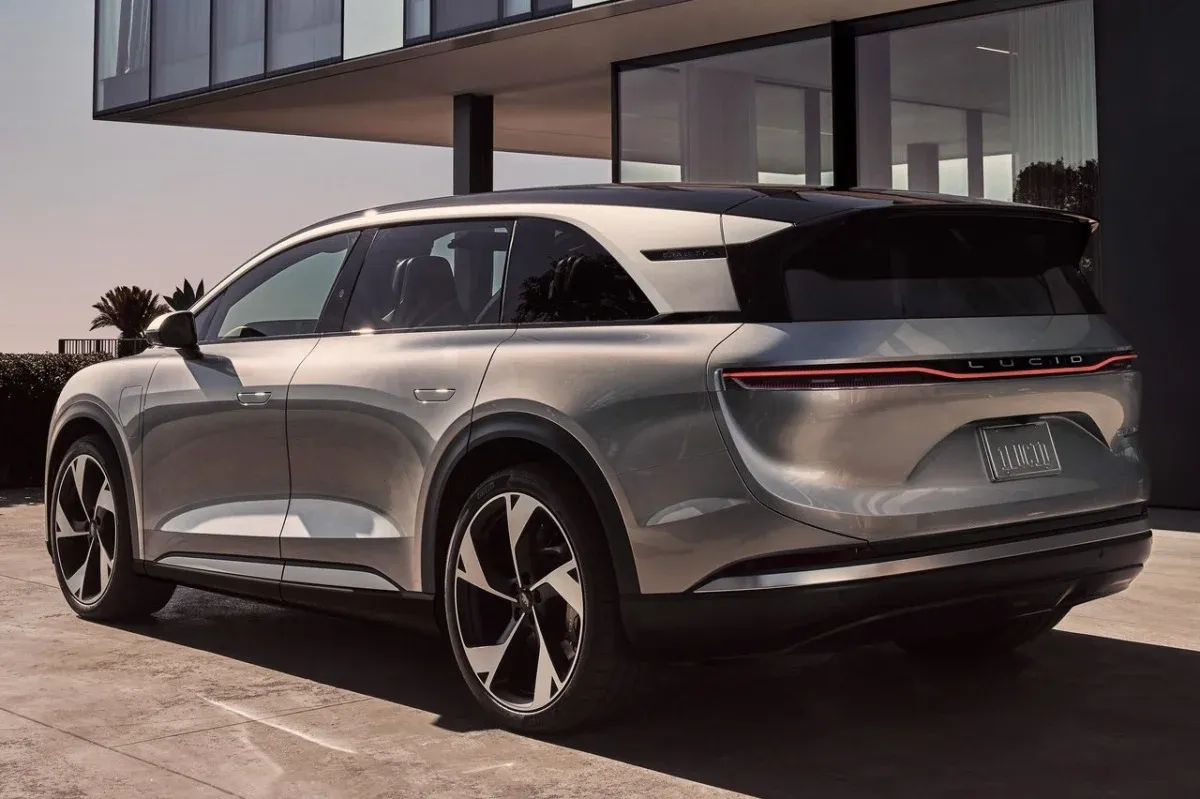
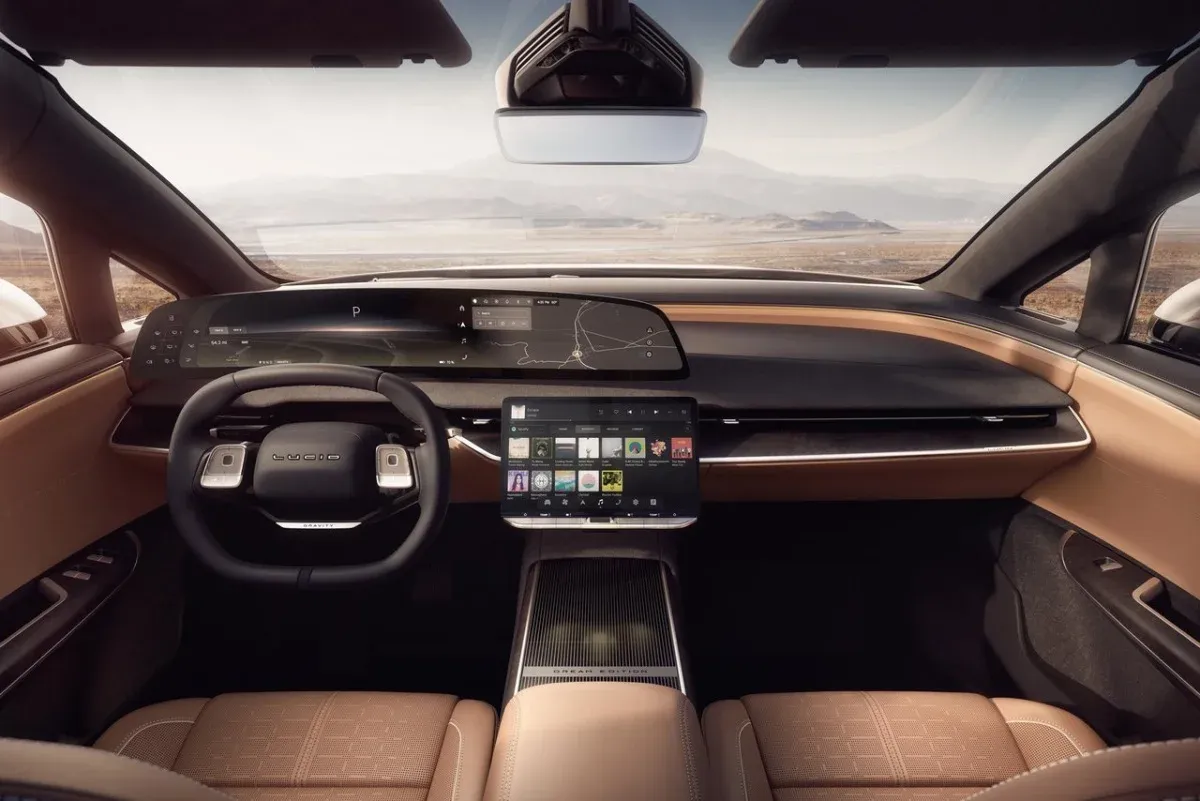
The Gravity is Lucid's large SUV model and is intended as a family and long-distance car. The GT-S turns it into a stronger, sportier variant. Specific technical details such as final range, battery capacity, charging power, curb weight, or acceleration times for this version have not yet been fully established in the information known so far. What is clear, however, is the direction: Lucid does not want to sell only efficiency and range, but also offer an alternative to traditional high-performance SUVs with combustion engines.
That is an important difference from many early electric SUVs. For a long time, electric cars were explained primarily through consumption, local emissions freedom, and technology status. In the upper class, however, it also matters whether a car feels assured, offers high sustained output, remains stable on the highway, has a comfortable ride, and provides enough space for passengers and luggage in everyday use. This is exactly the area of tension in which the Gravity GT-S must prove itself.
Price Position: Less Than the V8 Rival, but Not a Cheap Car
The comparison with the Escalade-V is revealing. If a large electric SUV offers more power while also sitting about 40,000 U.S. dollars below one of the best-known V8 performance SUVs, that shifts the pricing logic in the luxury segment. Buyers do not automatically get a cheap vehicle as a result, but possibly a better ratio of performance, technology, and space.
No direct end-customer price for Europe or Germany can yet be derived from this. U.S. prices generally do not include value-added tax as in Germany, and imports, local homologation, equipment packages, and exchange rates can significantly change the calculation. Anyone considering the Gravity GT-S as a possible purchase candidate should therefore distinguish between U.S. positioning and the actual market price in their own country.
Nevertheless, the message for the market is relevant: In the luxury class, electric drives can be interesting not only for ecological reasons, but also as a cost and performance argument against particularly expensive combustion models.
Why This Matters to Buyers
For families looking for a large premium SUV, performance alone is not decisive. A three-row vehicle must allow comfortable entry and exit, accommodate child seats, swallow luggage, and remain calm on long journeys. With an electric car, charging planning is added to the equation. Anyone who can charge at home or at work will experience such an SUV differently from someone who regularly depends on public fast chargers.
The Gravity GT-S is therefore likely to be of particular interest to buyers who want to combine plenty of space, very high performance, and a modern operating and drive concept. At the same time, interested parties should remain realistic: Large, heavy electric SUVs consume significantly more energy at high speeds, in cold weather, when fully loaded, or when towing. The official range is only part of the truth; what will be more important is how stable consumption remains in everyday use and how quickly the vehicle actually recharges on long-distance trips.
Operating costs also deserve attention. Electric cars have fewer traditional maintenance points than combustion models, but tires, brakes, insurance, and possible repairs to body or chassis components remain expensive in large luxury SUVs. High performance also often means wide tires and greater wear potential, especially when the torque is used frequently.
What Enthusiasts Gain – and Lose
For car enthusiasts, the Gravity GT-S is a typical example of the shift in performance culture. In the past, a vehicle like the Escalade-V defined its identity through displacement, supercharger, sound, and mechanical presence. An electric SUV generates performance differently: more quietly, more immediately, and often with impressive traction from a standstill.
That does not automatically make the GT-S more emotional or less emotional. It is simply a different kind of performance. Those who love the theater of a V8 will not see the loss of sound and mechanical drama replaced by acceleration figures alone. Those, on the other hand, who value precise power delivery, quick response, and effortless propulsion are likely to find a very convincing interpretation of modern luxury performance in a powerful electric SUV.
The decisive factor will be whether Lucid can call up the performance not only for short sprints, but also with thermal stability. Large electric SUVs face the challenge of cooling the battery, motors, inverters, and brakes under high load. Especially during sporty driving, on mountain passes, or during repeated accelerations, genuine performance is separated from mere peak output.
Signal Effect for the Industry
The Gravity GT-S shows that the competition between electric and combustion SUVs is no longer being conducted only through ideology. It is about concrete product arguments: performance, price, space, software, charging capability, and brand image. If an electric provider positions a large luxury SUV below an established V8 model while promising more power, that increases the pressure on traditional manufacturers.
For brands with strong combustion icons, this creates a strategic problem. They must decide whether to continue defining their high-performance SUVs through engine character and sound or whether to build electric alternatives with similar or higher performance. For new manufacturers like Lucid, it is the chance to be perceived not only as a range or technology brand, but as a serious provider in the upper luxury segment.
The Open Questions
Important points still remain open. These include final technical data, standard equipment, possible options, exact market availability, and real-world range under typical conditions. The dealer and service network also plays a role. A high-priced luxury car must not only convince at the time of purchase, but also be reliably supported over years.
Despite these open questions, the Gravity GT-S is more than just a stronger model variant. It stands for a new phase in large performance SUVs: power is moving from the roaring V8 to the quiet, software-controlled electric drive. For buyers, that means more choice. For enthusiasts, it means a new debate about what performance means today. And for the industry, it is another sign that even the large-format luxury class no longer automatically belongs to the combustion engine.