UK reviews ZEV mandate but sticks to combustion engine phase-out
The UK government is launching a review of annual electric car sales quotas. The 2030 and 2035 phase-out dates remain in place, but the path to them could become more flexible for manufacturers.
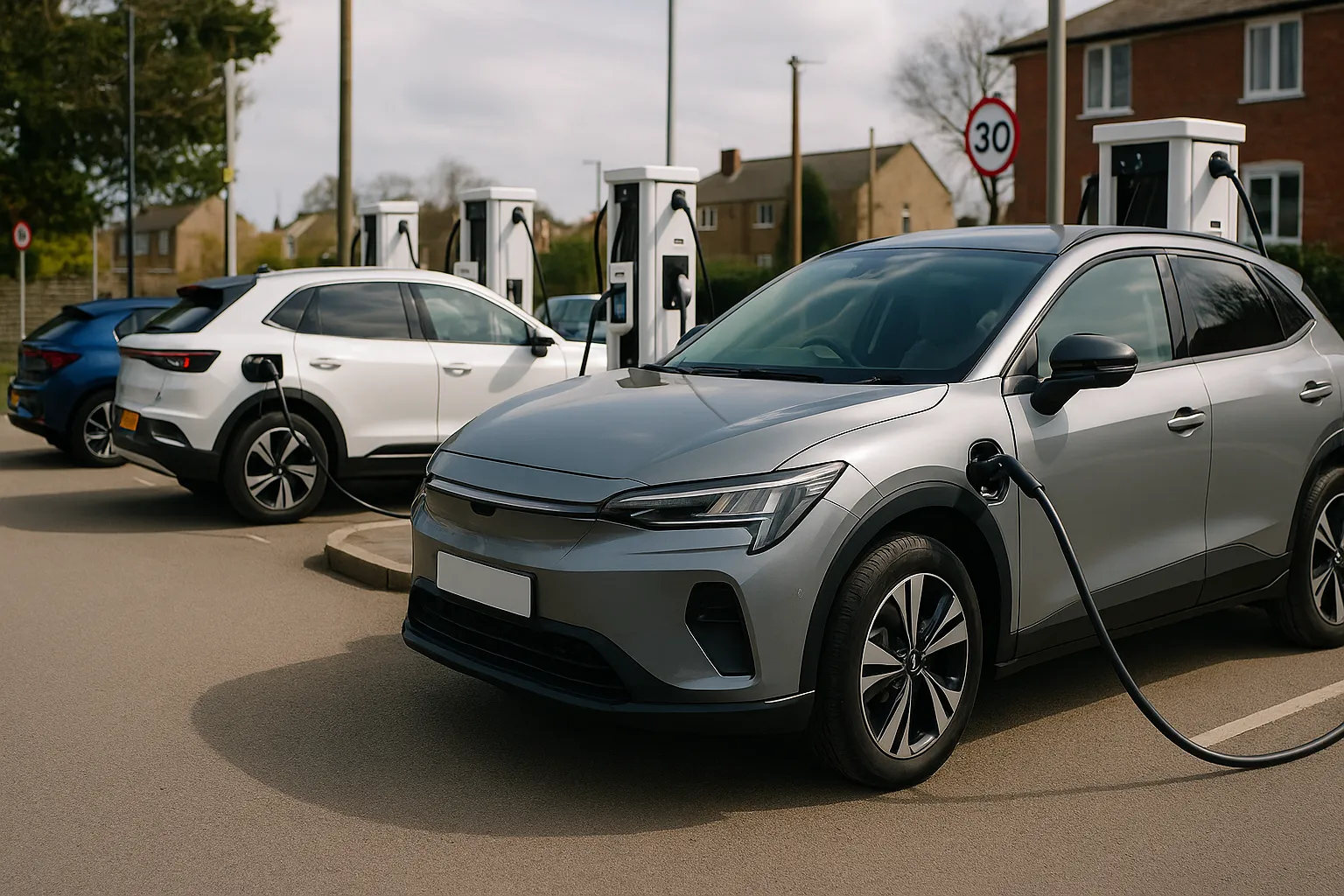
UK puts timetable for electric car quotas under review
The UK is reviewing its ZEV mandate and could adjust the annual sales targets for zero-emission new cars. However, the political core of the regulation remains in place: new pure petrol and diesel cars are to no longer be sold from 2030, and hybrids are to be phased out by 2035. The consultation now launched is therefore not aimed at a complete U-turn, but at the question of how strictly and how quickly manufacturers must deliver on the way to these deadlines.
This is relevant for buyers, dealers and manufacturers because the ZEV mandate has a direct influence on model availability, discounts, delivery priorities and pricing in the UK new car market. If manufacturers have to achieve high electric car shares, they may work more strongly with discounts, leasing offers or sales pressure. If the targets are relaxed or made more flexible, this pressure could decrease – with possible consequences for EV prices and availability.
What the ZEV mandate requires
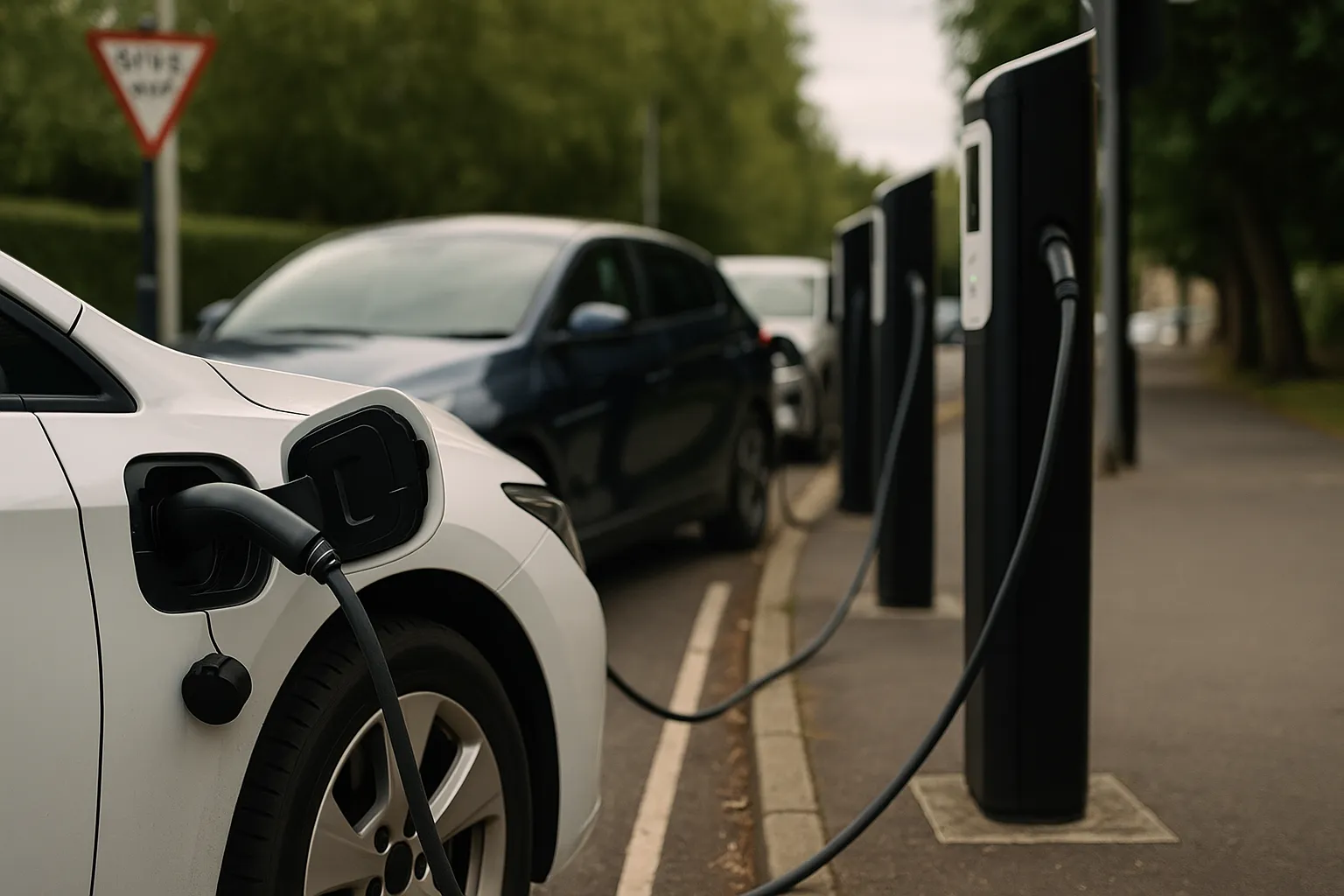
The UK Zero Emission Vehicle Mandate obliges manufacturers to achieve a growing share of their new vehicle sales with locally emission-free vehicles. For passenger cars, the quota began in 2024 at 22 percent. The path rises gradually in the following years: 28 percent in 2025, 33 percent in 2026, 38 percent in 2027, 52 percent in 2028, 66 percent in 2029 and 80 percent in 2030. Separate, lower starting values also apply to vans, likewise with a rising curve.
Anyone who does not meet the quota must generally expect penalties. In the passenger car sector, the known penalty level is up to 15,000 pounds per missing ZEV vehicle. At the same time, the system includes offset mechanisms: manufacturers can trade credits under certain conditions, bring forward target shortfalls to a limited extent from later years, or have the emissions performance of other vehicles counted. Precisely such flexibilities are now likely to be at the center of the review.
The deadlines remain – the increase could change
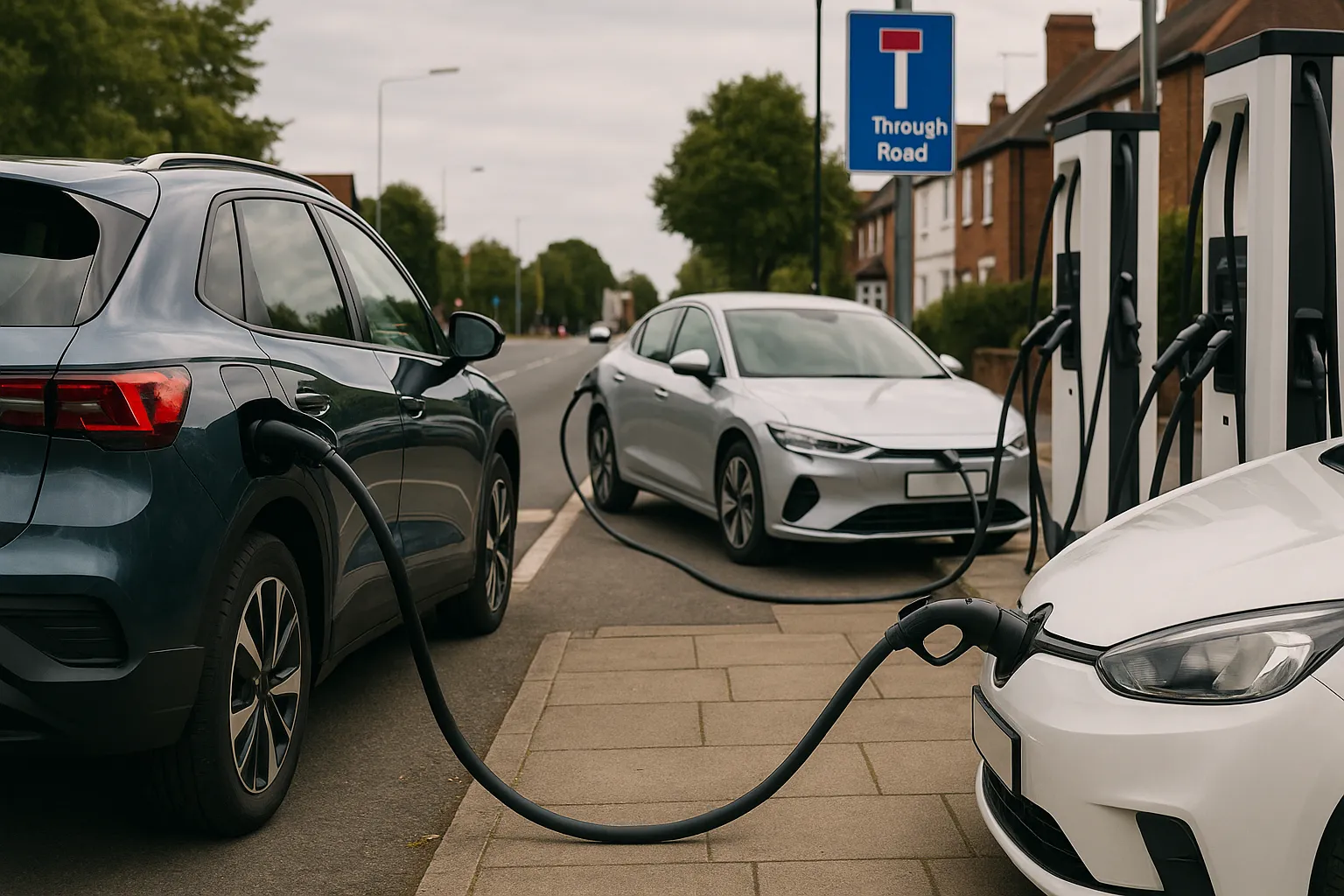
The government makes clear that the long-term phase-out dates will not be scrapped. From 2030, the sale of new pure combustion-engine passenger cars is to end, and from 2035 the sale of new hybrid models as well. What remains open, however, is whether the interim targets until then will remain in their current form.
A relaxation could take several forms. Flatter annual quotas, longer transitional rules, more generous credit and trading mechanisms, or changes to the calculation of target compliance and penalties are conceivable. It is also possible that only individual segments will be relieved, such as vans or manufacturers with particular supply chain problems. The consultation does not yet mean that a change has been decided; however, it opens the door to a course that takes greater account of market demand and industrial resilience.
Why the industry has applied pressure
The UK market for electric cars is growing, but not fast enough in all areas to meet the political target curve without difficulty. Manufacturers point to several obstacles: high battery and financing costs, fluctuating demand in the private customer business, uncertainty about residual values, unevenly distributed charging infrastructure and international trade risks. Added to this are global supply chains that have become more vulnerable over the years.
For volume manufacturers, the quota is particularly demanding because they do not just have to sell a few premium electric cars, but large numbers in price-sensitive segments. If private buyers hesitate and fleet customers dominate the market, brands find themselves having to push electric cars into the market with high discounts or limit sales of petrol and diesel models. Both can weigh on margins.
At the same time, supporters of strict requirements argue that clear rules accelerate investment. Charging providers, battery suppliers, dealer networks and manufacturers plan for the long term. If the target path becomes too soft, that could slow the ramp-up of infrastructure and affordable electric cars. The review must therefore find a difficult middle ground: improve industrial feasibility without diluting the signal to the market.
What could change for car buyers
In the short term, nothing changes automatically for buyers. The current rules remain in force for the time being until the government makes new decisions after the consultation. Nevertheless, even the prospect of adjustments can influence behavior in the market.
For those interested in EVs, a milder quota could mean that aggressive discounts become less frequent if manufacturers no longer need every additional electric sale quite so urgently. On the other hand, a more realistic target curve could give brands more room to introduce cheaper models more carefully instead of prioritizing only expensive variants. The decisive factor will be whether policymakers support demand in parallel – for example through charging infrastructure, electricity prices, company car rules or targeted purchase incentives.
For buyers of petrol and diesel cars, the message remains clear: the UK new car market continues to move toward electrification. Pure combustion engines will not disappear from the roads immediately, and used cars are not directly affected by the new car deadlines. Anyone buying a car today should, however, also consider residual values, future environmental zones, tax rules and the development of fuel and electricity costs.
Hybrid buyers are likewise not receiving an unlimited reprieve. The political line provides that new hybrid cars may remain permissible until 2035, but must then also end. Which hybrids may still be sold between 2030 and 2035 depends on the final technical criteria. Plug-in hybrids with a meaningful electric range are likely to have better chances than simple mild hybrids, but details remain politically and regulatorily sensitive.
Significance beyond the UK
The UK decision is also being watched closely outside the country. The UK is one of the most important European new car markets, and many manufacturers manage their model planning across several countries. If London noticeably softens the ZEV path, this could fuel the debate in other markets where carmakers are also demanding more flexibility.
For the industry, this is not just about climate policy, but about investment certainty. Plants, suppliers and dealers need to know whether they should continue expanding battery production, software expertise, charging offers and workshop technology at the current pace. A stable, credible framework helps. By contrast, a framework that is considered unrealistic can lead to short-term sales distortions and political readjustments.
No retreat, but a reality check
The review of the ZEV mandate is not the end of the UK’s electric car course. Rather, it is a test of whether the interim targets fit the current market environment. The government is sticking to the goal of significantly reducing new car emissions and gradually ending combustion engine sales. At the same time, it recognizes that manufacturers, dealers and buyers must manage the transition in practice.
For consumers, the most important takeaway is: electric cars remain the strategic direction of the market, but the pace and pressure of the transition could be recalibrated. Anyone looking to buy a new car in the next few years should therefore not only look at new models, but also at policy details. They help determine which cars are available, how heavily manufacturers discount and how quickly the market shifts from combustion engines to electric drive.