Hyundai Inster vs. Honda Super-N: Two small electric cars with very different approaches
The Honda Super-N brings kei-car roots and a low entry price to the city EV class. The Hyundai Inster counters with more power and a larger range reserve.
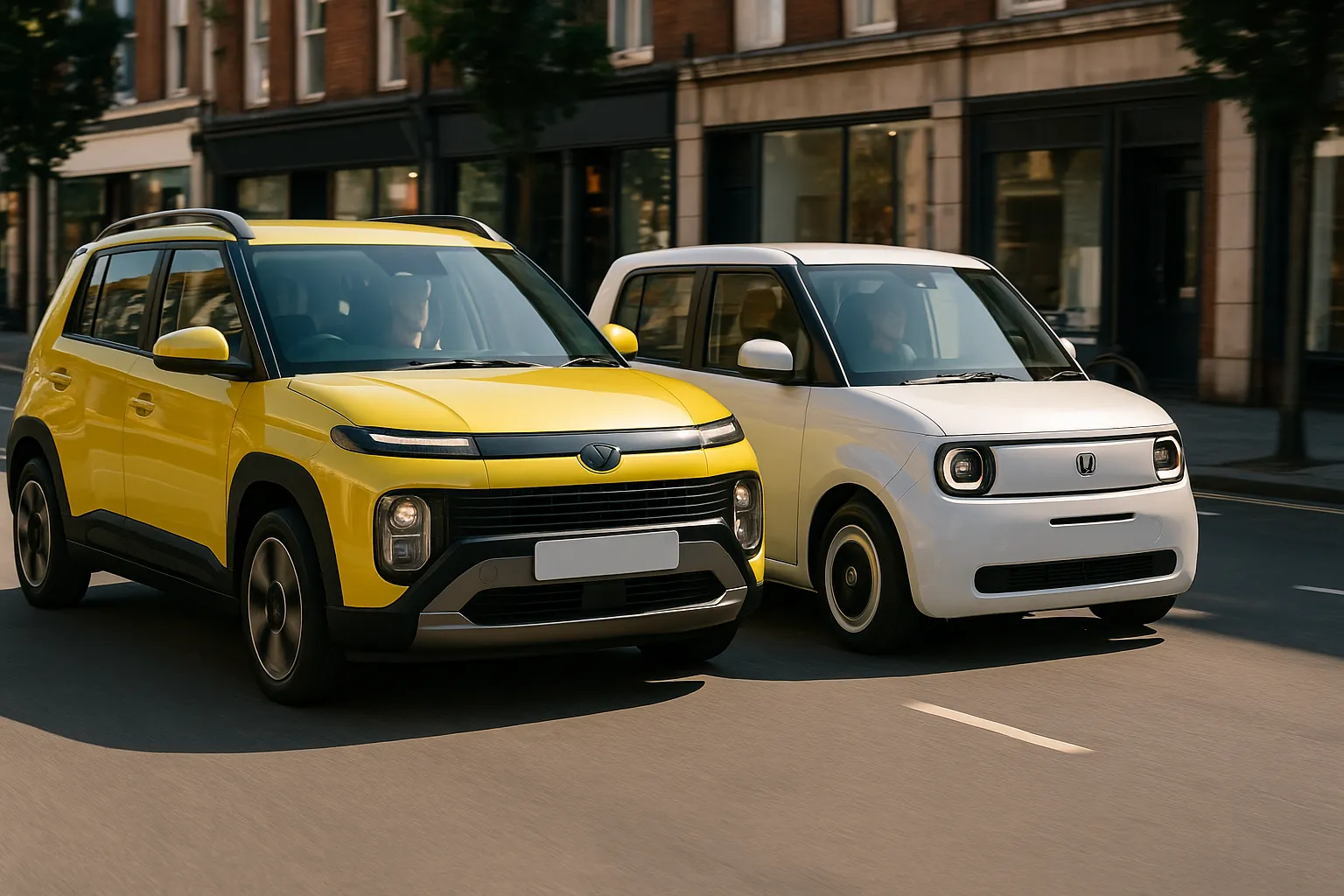
Small electric cars are becoming more important again
The comparison between the Hyundai Inster and Honda Super-N strikes a chord in the electric car market: many buyers want affordable, compact electric cars for the city, but precisely this segment is difficult for manufacturers to make profitable. Batteries cost money, safety and infotainment technology cannot be stripped down arbitrarily, and customers still expect a range suitable for everyday use.
The Honda Super-N and the Hyundai Inster show two different answers to this problem. Neither relies on a large, expensive electric platform; instead, they further develop existing small-car concepts. That reduces development effort and helps with the price. At the same time, buyers have to look more closely at which compromises they can accept.
Honda Super-N: Affordable entry with kei-car heritage
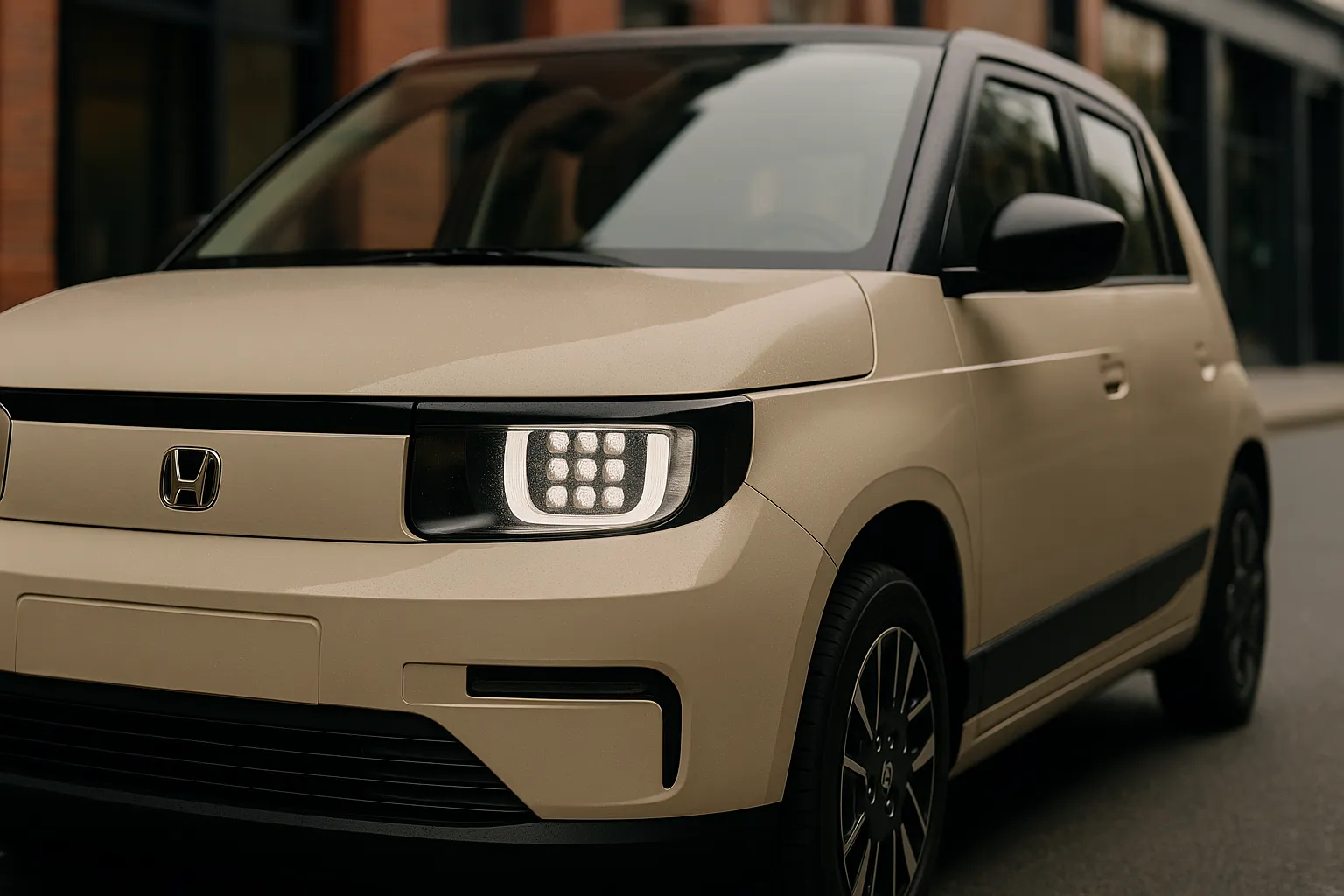
The Honda Super-N is the younger and more unusual candidate. It is based on a Japanese kei-car concept and was adapted for the British market. That explains its proportions: short, tall, designed for maximum use of space on narrow streets. That is exactly where a small electric car makes particular sense, because it drives locally emission-free, is quiet, and responds spontaneously to accelerator commands thanks to its electric motor.
For the Advance version mentioned, a price of 18,995 pounds is stated. This clearly positions the Super-N as an affordable entry point into electric mobility. The battery is described as a 30-kWh variant; the technical figure is 29.6 kWh. The single electric motor produces 94 bhp, or around 95 PS. That is not a performance figure for motorway ambitions, but it is basically sufficient for city traffic, commuting routes, and short cross-country trips.
It is important to note: a small battery is not automatically a disadvantage. Anyone who can charge at home, at work, or regularly at public charging points benefits from lower weight, lower energy demand, and a lower purchase price. Those who frequently drive longer distances, on the other hand, must reckon with shorter stages and more charging planning. Information on charging power and real-world range is therefore crucial for the concrete purchase decision and should be checked before signing a contract.
Hyundai Inster: More expensive, but more broadly usable
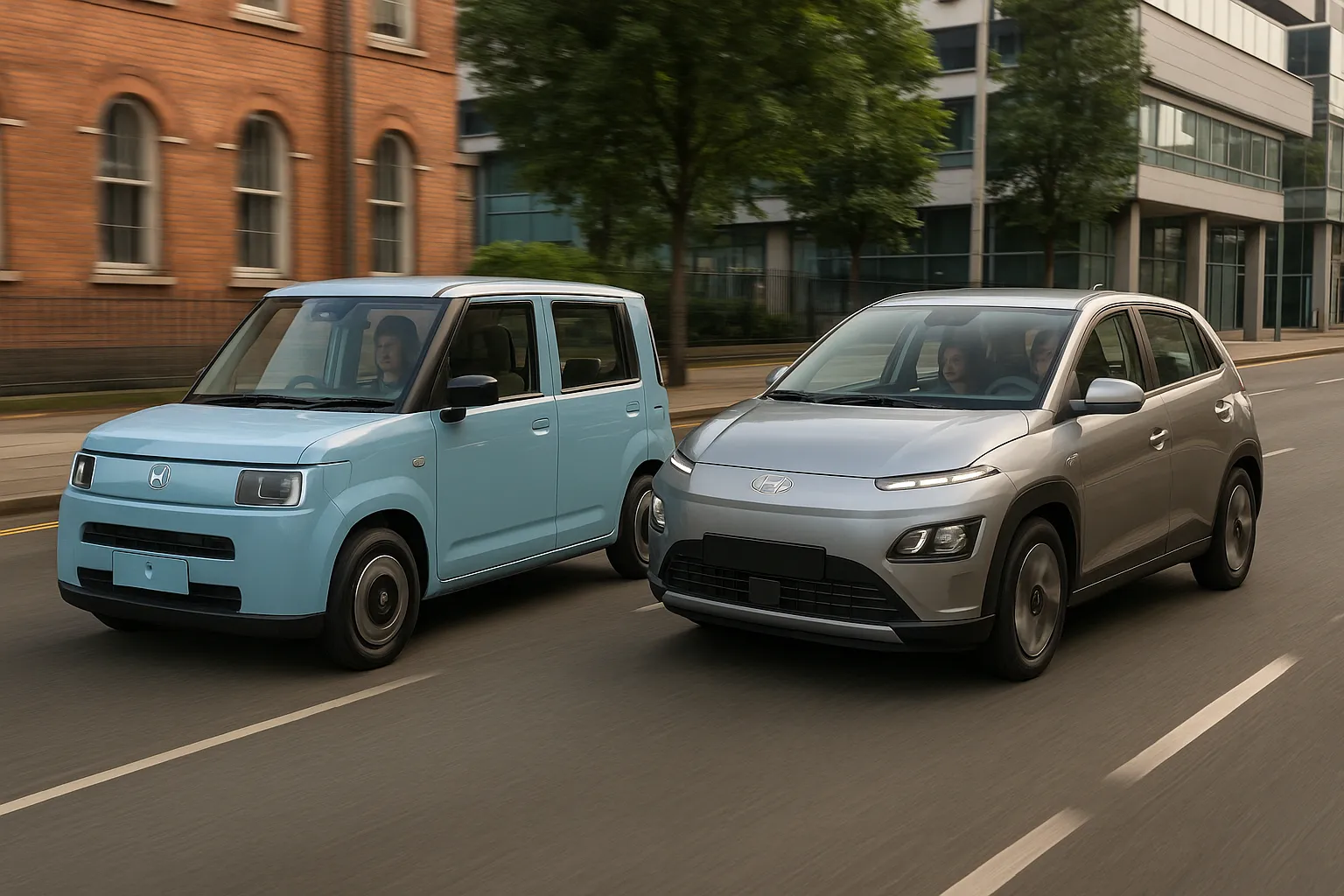
The Hyundai Inster follows a somewhat different approach. It too is compact, tall, and deliberately distinctive in appearance. Compared with the Honda, however, it is positioned as the more versatile car: more power, a larger range reserve, and therefore more leeway outside the city center. It costs more than the Super-N, but in return also delivers more substance for buyers who have only one car in the household or regularly drive beyond purely city use.
In everyday life, this additional range is often worth more than it initially seems on paper. It means not only longer journeys without a charging stop, but also more reserve in winter, at motorway speeds, with a full load of passengers, or when the next charging option is occupied. New electric car buyers in particular often underestimate how strongly temperature, speed, and topography can influence consumption.
The Inster therefore seems less like a pure niche car and more like a small all-rounder. Its angular, upright shape promises good visibility and practical use of space. For urban drivers it remains manageable, but it is likely to reach its limits less quickly when weekend trips or longer commutes are added.
Price versus flexibility
The core of the comparison is not which car is objectively better in every discipline. It is about weighting priorities. The Honda Super-N appeals to buyers who are looking for the cheapest possible new electric car and whose driving profile can be clearly planned: short journeys, many stops, limited parking space, regular charging options. For this target group, a smaller battery can even be rational, because they are not paying for unused range.
The Hyundai Inster costs more, but could be the more economical choice if it is intended to more fully replace a conventional small or compact vehicle. Anyone who can charge only occasionally, drives spontaneous routes, or depends on a larger safety margin will appreciate the additional range and extra power. When reselling, greater utility can also help, even though residual values for small electric cars depend heavily on incentives, battery warranties, and market supply.
What buyers should check before deciding
With both models, interested buyers should not look only at list price and brochure range. Four points are decisive: real-world range on their own route, charging speed on AC and DC, space for people and luggage, and insurance costs. Small electric cars in particular can look inexpensive on paper, while equipment options, wallbox installation, or higher financing rates change the difference.
Test drives are also important. A kei-car-based concept like the Super-N can work brilliantly on narrow streets, but feel different on faster roads than a larger-designed small car. The Inster is likely to feel more composed, but it has to justify its higher price through comfort, operation, efficiency, and everyday usability.
Why the comparison matters for the industry
The market needs small electric cars if electric mobility is not to grow only through large SUVs and expensive company cars. Hyundai and Honda show that manufacturers can electrify existing small-car ideas instead of developing every model from scratch. That is pragmatic and could make more affordable EVs possible.
At the same time, the comparison makes clear why this segment remains demanding. A low price requires compromises in battery size and range. More everyday usability, in turn, increases costs. For buyers, this is not bad news, but an invitation to honestly assess their needs: those who drive mainly in urban areas will find the Honda Super-N an interesting price breaker. Those who want more reserves should take a closer look at the Hyundai Inster.