Tesla recalls 20,349 Model 3 and Model Y vehicles due to overly bright headlights
In the USA, certain Tesla Model 3 and Model Y vehicles must be remedied due to a lighting deviation. The headlights may shine brighter than permitted.
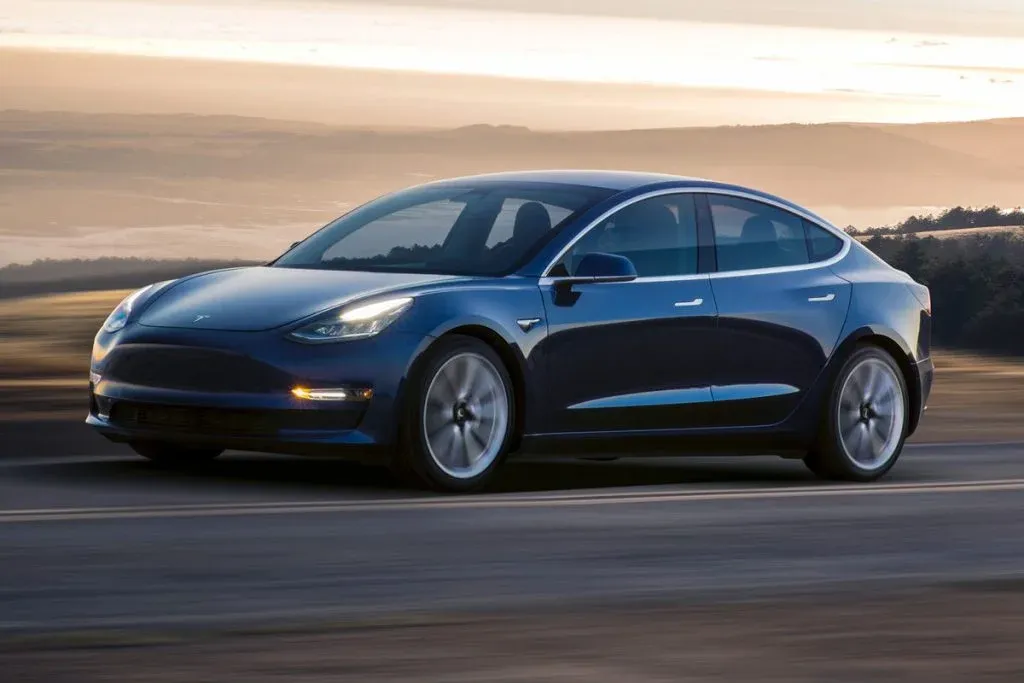
Tesla must recall 20,349 vehicles from the Model 3 and Model Y series in the USA. The reason is not a drive failure and also not a battery problem, but a deviation in the vehicle lighting: In certain vehicles, the headlights may be too bright and therefore exceed the permitted limits.
For owners, a recall due to “overly bright” headlights initially sounds less dramatic than a problem with brakes, steering, or suspension. Nevertheless, the matter is safety-relevant. Headlights are intended to illuminate the road without unnecessarily dazzling other road users. If the light intensity or light distribution lies outside the prescribed tolerances, this can become a problem especially at night, in rain, or on country roads.
Which vehicles are affected
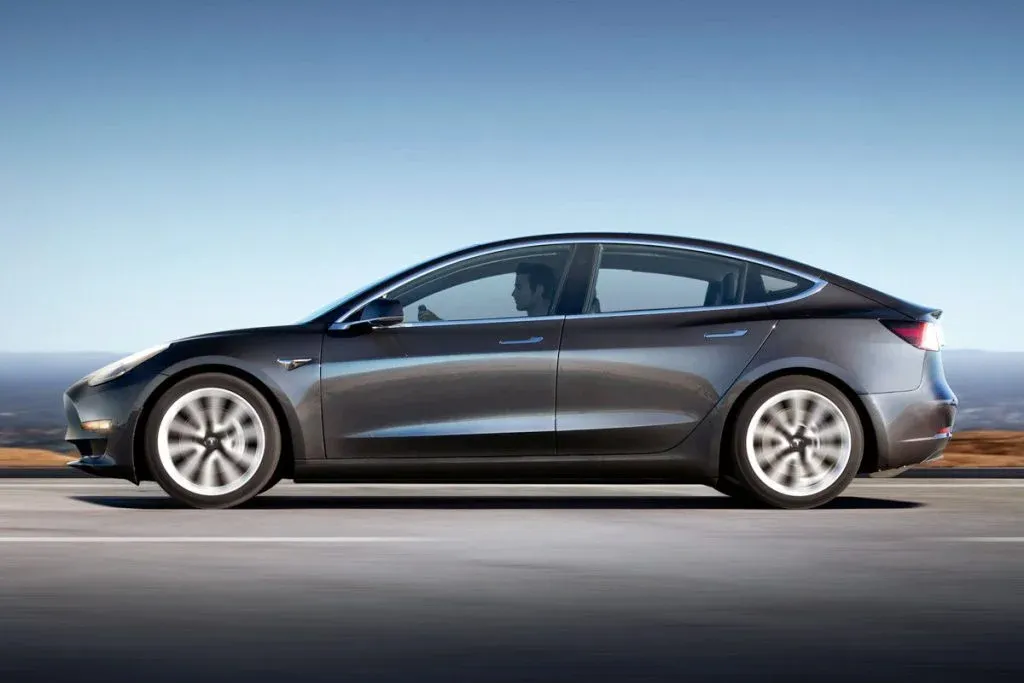
The recall affects certain Tesla Model 3 and Tesla Model Y vehicles in the USA. The reported number is 20,349 vehicles. Important: This number does not mean that every Model 3 or Model Y is affected. Recalls generally refer to clearly defined production periods, equipment variants, software versions, or component batches. Without checking the vehicle identification number, it is therefore not possible to say with certainty whether an individual car is part of the measure.
For owners, the VIN check is the decisive step. Owners should check their vehicle identification number via the official recall channels or watch for notifications in their Tesla account, in the app, or by mail. Anyone who wants to buy a used Model 3 or Model Y should also check the recall history. This applies especially to imported vehicles or cars that have already changed owners.
Why overly bright light is grounds for a recall
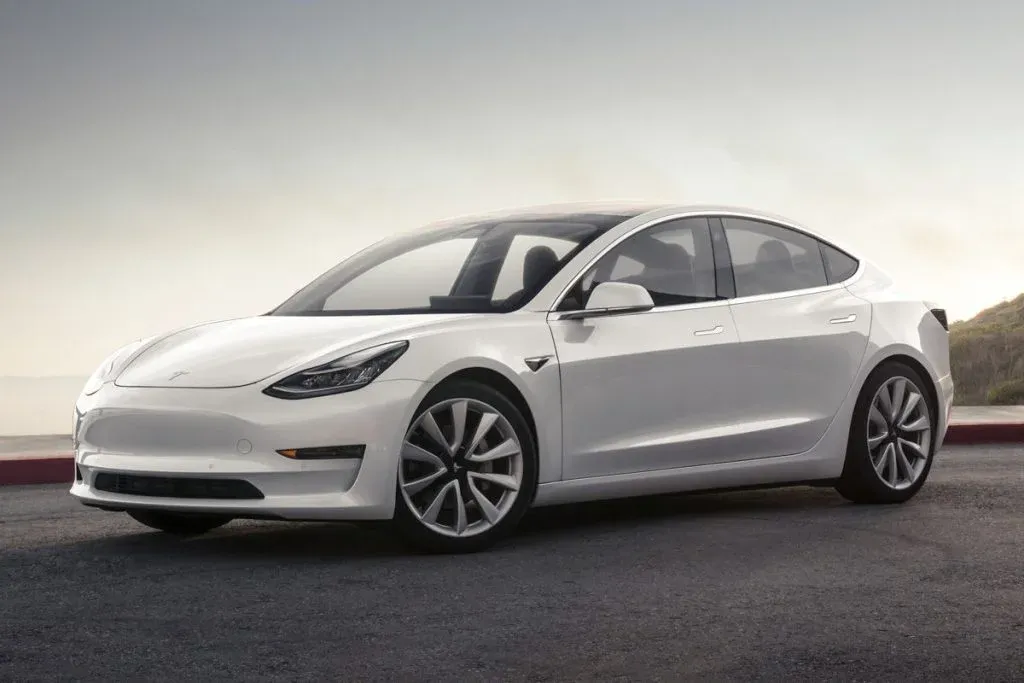
Modern LED headlights are significantly more powerful than older halogen lamps. They offer precise light distribution, long range, and a daylight-like color. But it is precisely this capability that makes calibration demanding. Even small deviations in control, alignment, or light intensity can lead to the light beam no longer meeting legal requirements.
The regulations for vehicle headlights do not only govern how well the driver can see. They also limit how much light may be emitted at certain angles upward, to the side, or into oncoming traffic. These rules are relevant for all manufacturers, regardless of whether a car is electric or has a combustion engine. A headlight that shines too strongly or with incorrect distribution can dazzle the driver of an oncoming vehicle. This reduces their perception of lane markings, pedestrians, cyclists, or obstacles.
In Tesla's case, there is also the fact that lighting functions are heavily software-controlled. Depending on model year, market, and equipment, lighting functions can be influenced via control units, sensors, and software logic. Affected owners should determine from their individual recall information whether the specific remedy for this recall will be carried out via software update, through a workshop measure, or through a combination of both.
What owners should do now
Anyone driving a Model 3 or Model Y in the USA should first check whether their own vehicle falls under the measure. The check usually takes only a few minutes if the VIN is available. It can be found on the registration certificate, on the windshield in the lower area on the driver's side, and in the digital vehicle information.
If the car is affected, owners should not postpone the remedy provided by the manufacturer. Even if the vehicle drives normally and the lighting subjectively works well, an unresolved recall can later become noticeable during a sale, safety inspections, or insurance questions. In addition, dazzling light can impair other road users more than the driver of the affected car notices themselves.
Until the remedy is carried out, drivers should pay particular attention to feedback from other road users. Frequent flashing of headlights by oncoming vehicles can be an indication of glare, but does not necessarily have to be connected with this recall. Load, tire pressure, suspension modifications, or incorrectly adjusted headlights after a repair can also influence the light alignment.
Significance for buyers of used Tesla models
The recall is also relevant for the used car market. Model 3 and Model Y are among the best-selling electric cars, and the supply from private ownership, lease returns, and fleets is correspondingly large. Buyers often pay attention to battery condition, charging performance, range, accident-free status, and software functions. Recall measures should also be part of the inspection, however.
An open recall is not automatically a reason to reject a car. However, it can influence the handover process. Ideally, the measure is completed before the sale or transparently recorded in the purchase contract. Buyers should not rely solely on verbal statements, but should check the status using the VIN. This is especially important if the vehicle comes from another market or has already had several owners.
Another indication of the complexity of modern vehicles
The case shows how broad the spectrum of today's recalls has become. In the past, many drivers primarily thought of mechanical components when it came to recalls: airbags, brake lines, axles, or fuel systems. In modern vehicles, however, software parameters, sensor calibration, lighting control, or assistance systems can also trigger a recall measure.
For the industry, this is a double-edged issue. On the one hand, some problems in connected vehicles can be identified more quickly and possibly remedied without a traditional workshop visit. On the other hand, the close interlinking of hardware and software increases the requirements for validation and quality control. Today, a headlight is no longer just a lamp in a housing, but part of an electronically controlled overall system.
Tesla is under particular scrutiny because of its large vehicle fleet and high level of software integration. Recalls at Tesla are often assessed according to whether they can be completed via an over-the-air update. For owners, however, what ultimately matters less is the technical classification than the practical question: Do I have to do something, and when will my car be fully compliant again?
No reason to panic, but a relevant defect
A recall of 20,349 vehicles is limited in relation to Tesla's global fleet. Nevertheless, the measure should not be trivialized. Vehicle lighting is a central safety system, especially in the dark season and in bad weather. Light that is too strong or incorrectly controlled can be unpleasant for other road users and, in an unfavorable case, dangerous.
For owners, the recall primarily means: check the VIN, follow the manufacturer's instructions, and have the remedy carried out or installed promptly. For buyers, the case once again shows why a recall check when buying a used car should be just as much a matter of course as looking at tires, brakes, and maintenance history. And for the industry, the measure is further proof that the quality of modern vehicles is measured not only in range, charging performance, and infotainment, but also in the precise compliance of seemingly everyday systems such as headlights.