2025 Nissan Sentra Faces Limited Recall Over Serious Safety Defect
A new recall affects a small number of 2025 Nissan Sentra sedans, but the safety concern is significant enough that owners should check their VINs and arrange a free dealer repair if included.
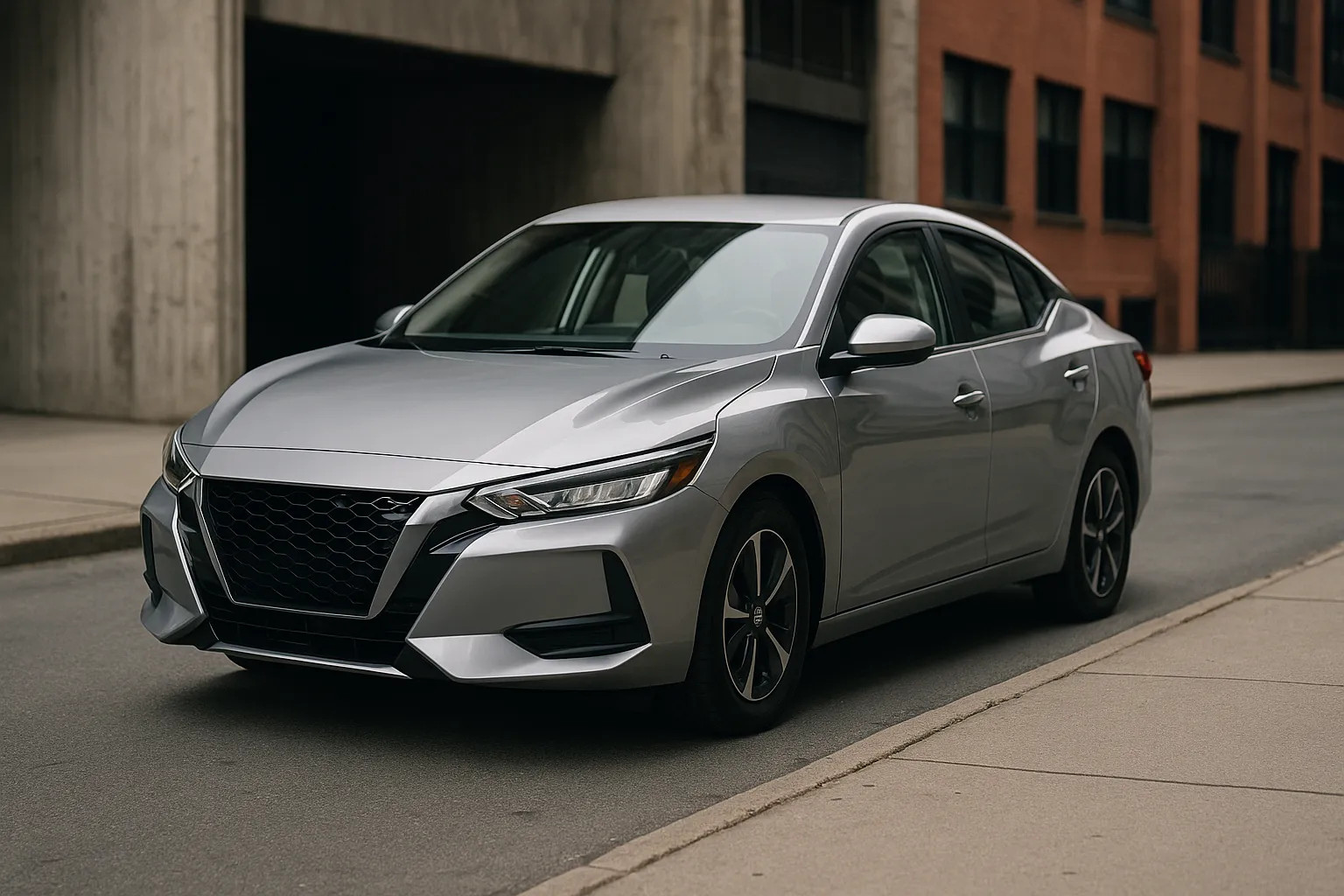
A new recall involving the 2025 Nissan Sentra is small in scope but important for owners to take seriously. The issue has been described as a significant safety-related defect affecting a limited number of vehicles in the compact sedan lineup.
For Sentra owners, the key point is straightforward: even a narrowly targeted recall can involve a high-consequence failure. If a vehicle is included, the repair should not be delayed. Automakers and dealers are required to complete recall repairs at no charge, and owners can confirm whether their specific car is affected by checking its vehicle identification number, or VIN.
What owners should do now

Owners of a 2025 Nissan Sentra should check for open recalls using the VIN printed at the base of the windshield on the driver’s side, on the driver-side door jamb label, on registration paperwork, or in insurance documents. The VIN can be entered into Nissan’s owner recall tool or the federal recall database.
If the vehicle is covered by the recall, the next step is to contact a Nissan dealer and schedule the remedy. Recall repairs are free, but parts availability and appointment timing can vary by region and dealer workload. Owners should ask whether the vehicle is safe to continue driving before the repair is completed, especially because the defect has been characterized as serious.
Drivers who recently purchased or leased a 2025 Sentra should not assume a dealer already handled the issue before delivery. Recalls can be announced after a vehicle is sold, and inventory vehicles can sometimes move through the retail system before a campaign is fully visible to shoppers. A VIN check is the most reliable way to confirm status.
Why a small recall can still matter

Recalls are often judged by how many vehicles they cover, but the size of a campaign does not always reflect the severity of the defect. A recall involving a few hundred or a few thousand cars can be more urgent for the affected owners than a much larger campaign involving a less critical problem.
That distinction matters for buyers and owners. Modern vehicle production relies on tightly controlled supply chains, shared components, and batch tracking. When a defect is tied to a particular production window, supplier lot, or assembly process, only a small slice of vehicles may be involved. The limited number can be a sign that the automaker identified a narrow population, not that the risk is minor.
For used-car shoppers, a small recall can also be easy to miss. A 2025 Sentra may look nearly new, may still be under warranty, and may be sitting on a dealer lot or private-sale listing with low mileage. That does not guarantee all recall work has been completed. A pre-purchase inspection should be paired with a recall check, especially on late-model vehicles.
What is known — and what still needs confirmation
The recall applies to the 2025 Nissan Sentra and has been described as limited in volume but serious in potential safety impact. The specific number of affected vehicles, the exact component involved, and the final dealer remedy were not included in the summary information available for this report. Owners should rely on the VIN-specific recall notice for the definitive instructions for their car.
That uncertainty is important. Recall language can change as manufacturers finalize service procedures, parts supply, owner-notification schedules, and dealer instructions. In some cases, a recall remedy may involve inspection first, followed by replacement only if a component falls within a suspect range. In others, every affected vehicle receives the same part replacement or software update.
Until the VIN is checked, a 2025 Sentra owner should treat the recall as potentially relevant but not automatically assume their vehicle is included. Recalls are tied to individual VINs, not just model name and model year.
What this means for Sentra buyers
The Sentra remains Nissan’s mainstream compact sedan, competing against models such as the Toyota Corolla, Honda Civic, Hyundai Elantra, Kia Forte/K4 family, and Mazda3. For buyers looking for an affordable new car, the Sentra’s appeal typically centers on value, fuel economy, straightforward controls, and sedan practicality at a time when many brands have shifted attention to SUVs.
A safety recall does not automatically make a vehicle a bad buy. Recalls are common across the industry, including for well-regarded models. What matters is the nature of the defect, how quickly the automaker identifies the affected population, how clearly owners are notified, and how efficiently dealers complete repairs.
For shoppers considering a 2025 Sentra, the recall should become part of the buying checklist. Before signing paperwork, ask the seller to provide a VIN-specific recall status report. If the vehicle has an open recall, confirm whether the repair can be completed before delivery. If parts are not yet available, ask for written documentation of the plan and confirm whether any driving restrictions apply.
Lease customers should take the same approach. A recall does not necessarily affect lease terms, but the lessee is still responsible for bringing the car in for safety-related service. Ignoring an open recall can create risk for the driver and passengers and may complicate later service visits or lease return inspections.
Why it matters for Nissan
The recall arrives at a sensitive time for Nissan’s quality reputation. The brand has been working to stabilize product perception while competing in a market where reliability, warranty experience, and ownership confidence are major selling points. Compact sedan buyers are often value-focused, but they are also highly sensitive to dependability concerns because many intend to keep the car for years.
Safety campaigns can cut both ways for an automaker. On one hand, a recall highlights a defect that should not have reached customers. On the other, a narrowly defined campaign with a clear repair can show that the company is tracking quality issues and taking formal action. The difference is execution.
If owners receive timely notices, dealers have parts ready, and repairs are completed quickly, the long-term impact may be limited. If customers face confusion, delays, or inconsistent guidance, the recall can become more damaging than the technical defect itself.
Practical checklist for owners
Owners can reduce uncertainty by taking a few simple steps:
- Locate the VIN and check for open recalls.
- Contact a Nissan dealer if the VIN shows an active campaign.
- Ask whether the car is safe to drive before the repair.
- Keep repair documentation after the work is completed.
- Recheck the VIN periodically, especially during the first years of ownership.
It is also worth keeping contact information current with the manufacturer. Recall notices are commonly mailed to registered owners, but vehicles that have changed hands may not always have up-to-date ownership records. Used-car buyers should register the vehicle through the manufacturer’s owner portal when possible.
Bottom line
The 2025 Nissan Sentra recall appears to affect a limited population, but the safety implications make it important for owners to act promptly. A VIN check takes only a few minutes and is the best way to determine whether a specific car is included.
For current owners, the right response is not panic; it is verification and repair. For shoppers, the recall is a reminder that even nearly new vehicles need a safety-history check before purchase. And for Nissan, the campaign underscores how important quality control and clear customer communication remain in one of the industry’s most competitive entry-level segments.