2027 Kia EV3 Starts At $31,385 In The U.S.
Kia’s smallest electric crossover is priced from $31,385 including destination, giving shoppers another lower-cost EV option in a market still short on affordable choices.
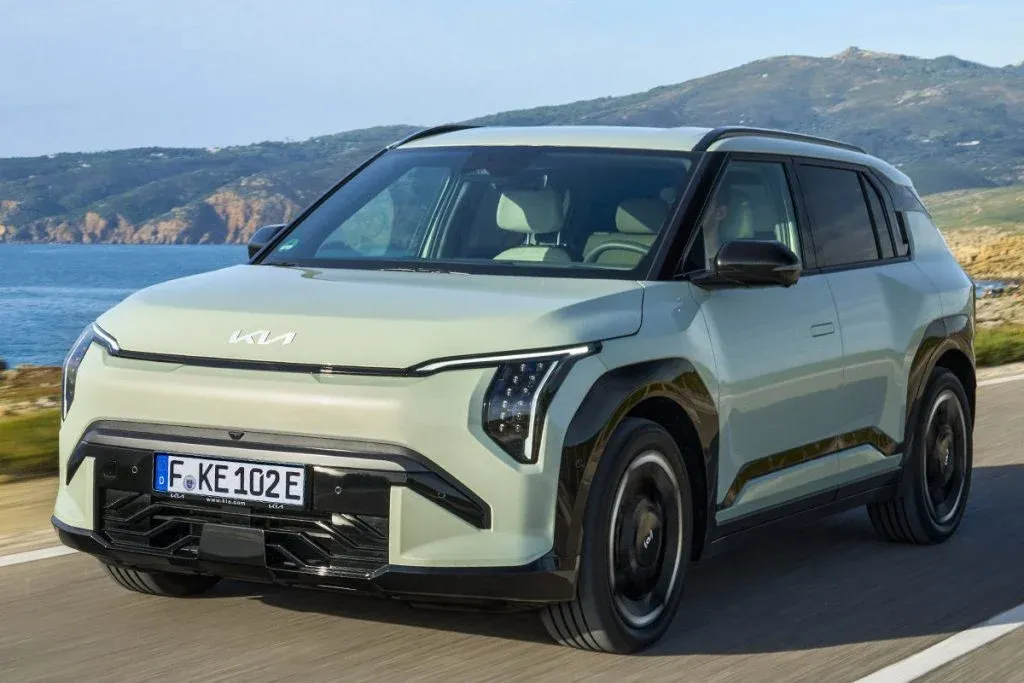
Kia has put a price on one of its most important upcoming electric vehicles: the 2027 Kia EV3 will start at $31,385 including destination in the United States.
That figure matters because it places the EV3 in a part of the market where electric choices remain limited. Many battery-electric models still carry pricing closer to premium compact SUVs than mainstream small crossovers. By opening just above $31,000 with the mandatory delivery charge included, Kia is positioning the EV3 as a more attainable entry point into its electric lineup.
The price does not make the EV3 the only affordable EV on sale, and final transaction prices will vary by region, dealer inventory, trim, financing, lease support and available incentives. But the starting point gives shoppers a clearer sense of where Kia wants this small electric crossover to compete: not as a luxury-tech statement, but as a practical daily-use EV aimed at buyers who might otherwise consider a gasoline compact SUV, a hybrid, or a lower-trim electric hatchback.
A smaller, less expensive member of Kia’s EV family
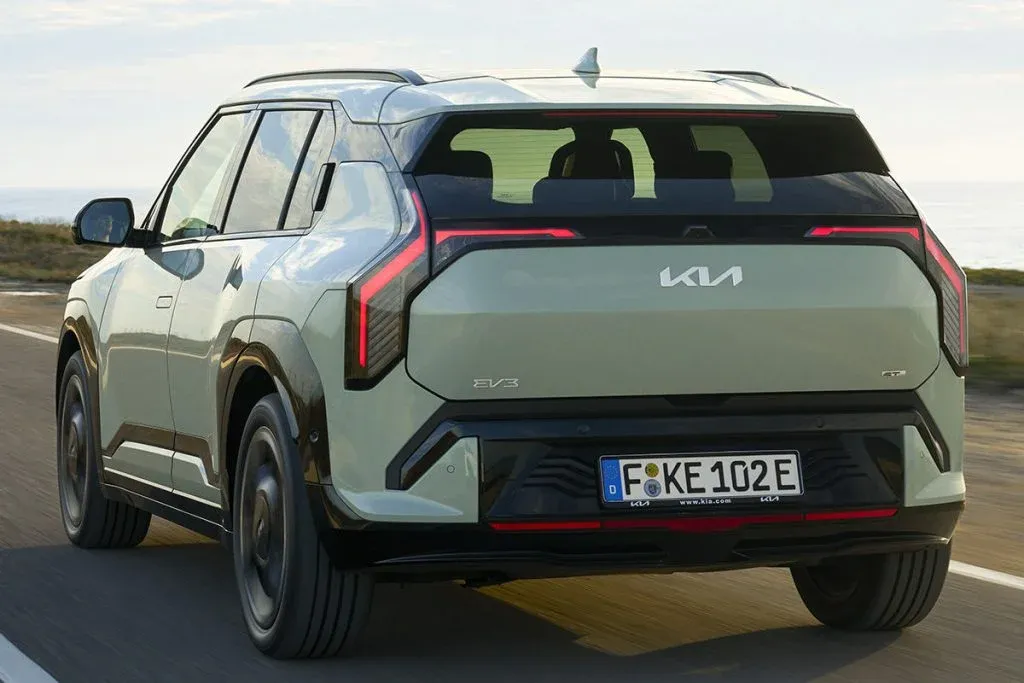
The EV3 sits below larger Kia electric models such as the EV6 and EV9, both of which helped establish the brand as a serious player in the modern EV market. Those vehicles brought distinctive styling, fast-charging capability and family-friendly packaging, but they also occupy higher price brackets. The EV3 is different by design: it is smaller, less expensive and aimed at buyers who want the EV experience without stepping into a midsize or three-row vehicle.
That positioning is important for Kia. The next phase of EV adoption depends less on early adopters and more on mainstream households that need predictable costs, useful range, good warranty coverage and familiar SUV practicality. A compact electric crossover priced near the low-$30,000 range gives Kia a product that can reach buyers who like the idea of an EV but have been waiting for something closer to a conventional small SUV payment.
For many shoppers, the EV3’s final appeal will depend on details beyond the base price. Range, charging speed, standard equipment, battery size, drivetrain availability and trim pricing will shape whether the entry model feels like a bargain or simply a low advertised starting point. A base EV can look attractive on paper but become less compelling if essential comfort, driver-assistance or charging features require stepping up to a much more expensive version.
Why the $31,385 number matters
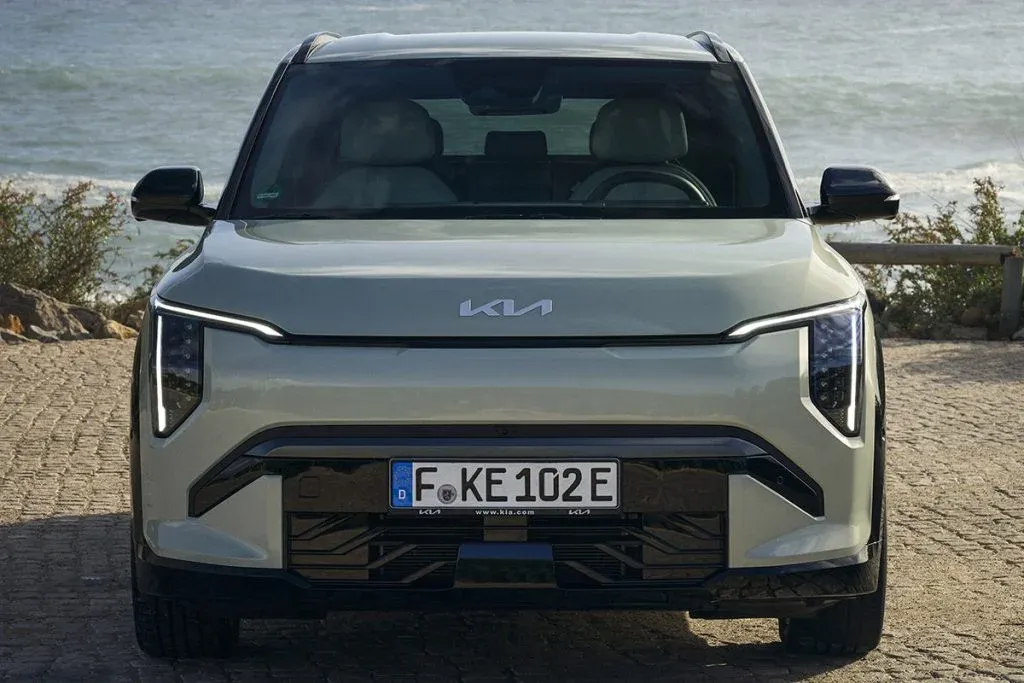
The new-car market has become expensive across the board, not just for EVs. Even many gasoline-powered compact SUVs now stretch well into the $30,000 range once destination charges and popular options are included. That changes how an EV like the EV3 is judged. It is no longer competing only with other electric vehicles; it is competing with everyday crossovers that buyers already understand and trust.
At $31,385 including destination, the EV3 starts in a zone where shoppers may compare it with small SUVs from mainstream brands, hybrid crossovers and lower-priced EVs such as the Nissan Leaf, Hyundai Kona Electric and Chevrolet Equinox EV. Exact pricing across that group changes by model year, trim and incentives, but Kia’s entry point is low enough to put the EV3 into real consideration for buyers who are not shopping in the luxury segment.
That could be especially meaningful for urban and suburban drivers who have access to home charging or reliable public charging. For those owners, the lower starting price can combine with reduced fuel costs and simpler routine maintenance to make the ownership math more attractive over time. EVs still require tires, brakes, cabin filters and software attention, but they eliminate oil changes and many combustion-engine service items.
The ownership equation is not universal. Apartment dwellers without dependable charging, high-mileage drivers in cold climates and buyers who frequently take long road trips will need to study range and charging data carefully before choosing the EV3. The price opens the door, but the use case still has to fit.
What buyers should watch next
The base price is only the first piece of the EV3 story. Shoppers should pay close attention to the trim structure when full ordering information is available. Key questions include how much range the entry model offers, which charging hardware is standard, whether heat-pump equipment is included or optional, and how much more Kia charges for larger batteries or additional driver-assistance features.
Lease pricing will also matter. In the EV market, advertised lease deals can sometimes make a higher-MSRP vehicle cheaper to drive than a lower-MSRP competitor, depending on incentives, residual values and finance programs. Buyers comparing the EV3 with other affordable EVs should focus on the full monthly cost, down payment, mileage allowance, insurance and charging access rather than MSRP alone.
Availability is another factor. A competitive starting price means less if base models are scarce at dealerships or if early inventory skews toward higher trims. That has been a recurring issue across the industry, especially with new or high-demand models. Buyers interested in the lowest-priced EV3 should confirm whether dealers are actually receiving entry-level versions and whether markups or required add-ons are being applied.
A sign of where the EV market is heading
The EV3’s starting price reflects a broader industry shift. Automakers have spent years proving that electric vehicles can be fast, high-tech and premium. The harder challenge is building EVs that feel normal: easy to buy, easy to finance, easy to park and priced close enough to gasoline alternatives that shoppers do not need to make a financial stretch.
Kia’s $31,385 starting point does not solve every affordability issue in the EV market. It does, however, give the brand a credible price-led product in a segment where buyers are actively looking for lower-cost options. If the EV3 pairs that price with useful range, strong standard equipment and good real-world availability, it could become one of Kia’s most important electric models in the U.S.
For now, the takeaway is straightforward: the 2027 Kia EV3 is entering the market at a price that should make mainstream buyers pay attention. The final verdict will depend on specifications, trims and dealer-level pricing, but the starting number gives Kia a strong opening argument in the growing fight for affordable electric crossovers.