Chevrolet Winds Down Retail Sales Push in China as GM Shifts Focus
Chevrolet’s mainstream retail effort in China is coming to an end after a steep sales decline, but GM’s China manufacturing footprint is expected to remain relevant through exports and other brands.
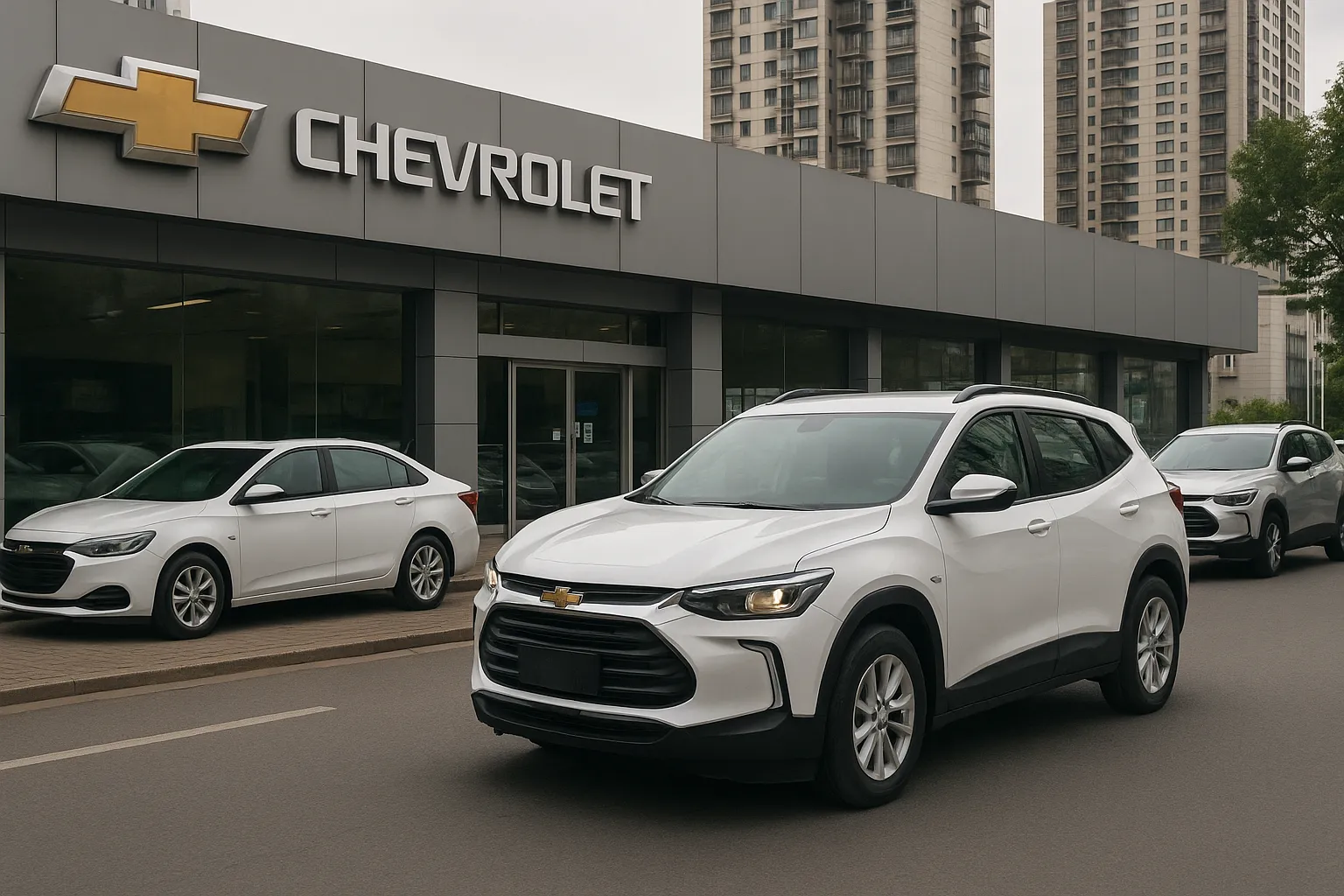
Chevrolet’s long-running attempt to compete as a mainstream retail brand in China is effectively winding down, marking a major change for one of General Motors’ most recognizable nameplates in the world’s largest car market.
The shift does not mean GM is leaving China altogether. The company’s broader business there remains tied to joint ventures, export production, and other brands with stronger local positions. But for Chevrolet, the strategy is changing from chasing Chinese showroom customers to a much narrower role in a market that has become intensely competitive, highly electrified, and increasingly dominated by domestic automakers.
For car buyers, the practical takeaway is straightforward: Chevrolet’s presence in Chinese retail showrooms is expected to shrink sharply, and the brand is no longer being positioned as a major contender for new-car sales in the country. For the auto industry, the decision is another sign that global legacy brands can no longer rely on historic scale, familiar badges, or internal-combustion lineups to remain relevant in China.
A steep fall for a once-ambitious brand
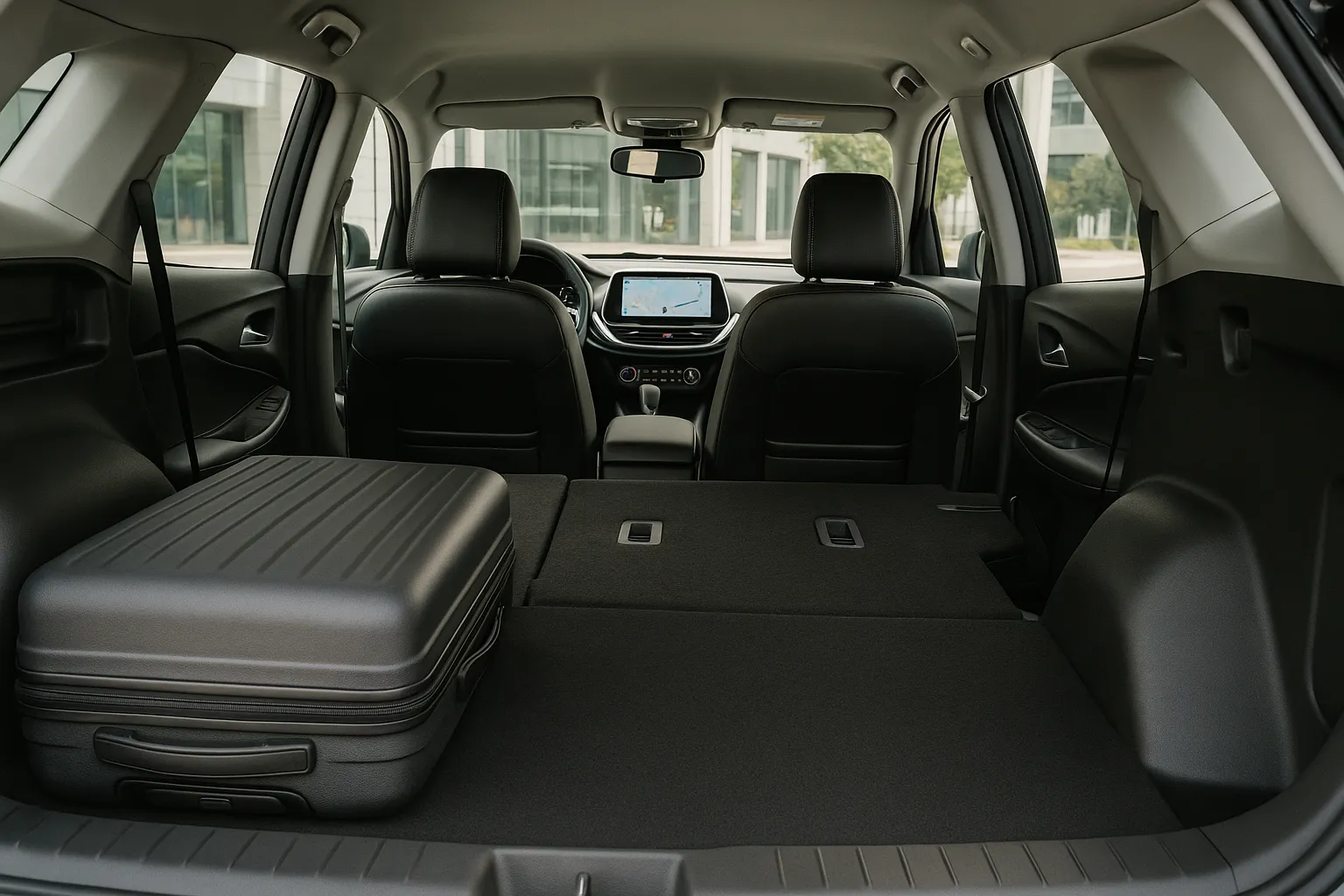
Chevrolet was once part of GM’s broader push to cover multiple price points in China. Buick developed a particularly strong identity there, Cadillac served the premium segment, and Chevrolet was meant to compete in the mass-market space with sedans, crossovers, and affordable family vehicles.
That formula worked better in the 2000s and early 2010s, when international brands carried significant prestige and China’s passenger-vehicle market was expanding rapidly. Chevrolet models such as the Cruze helped give the brand visibility, while compact sedans and small SUVs placed it in high-volume segments.
The market around Chevrolet changed quickly. Chinese automakers improved quality, technology, design, and pricing. At the same time, plug-in hybrids and battery-electric vehicles moved from niche products to mainstream choices. Local companies built strong reputations around software, large digital cabins, aggressive pricing, and fast product cycles. Foreign brands that were slow to adapt saw their share pressured from both the top and bottom of the market.
Chevrolet’s decline in China has been especially severe. From its earlier high point, the brand’s sales have reportedly fallen by roughly 99 percent, leaving little commercial justification for a conventional retail push. When a brand reaches that point, the cost of maintaining dealer investment, marketing, model localization, and consumer finance support becomes difficult to defend.
Production is a different story
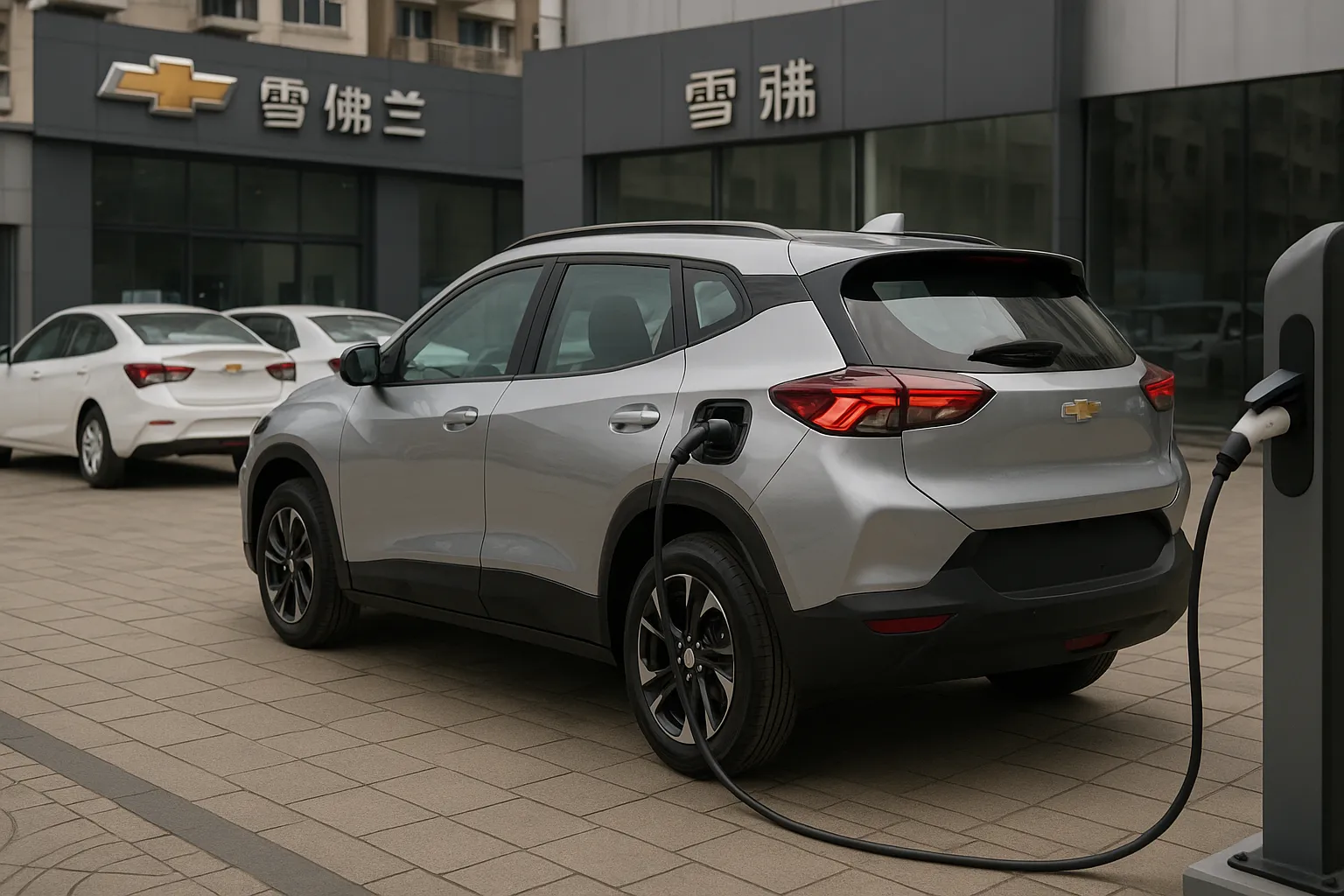
The important nuance is that ending a retail sales push is not the same as shutting down every China-related operation. GM can still use Chinese manufacturing capacity for export markets, depending on plant allocation, joint-venture planning, and product demand elsewhere.
That distinction matters because China is not only a consumer market. It is also a massive manufacturing hub with developed supplier networks, competitive production costs, and deep experience building vehicles at scale. For global automakers, factories in China can serve multiple purposes even if a particular brand struggles to win local buyers.
In Chevrolet’s case, the brand may have a reduced domestic role while China-built vehicles or components continue to support other regions. Export production can help keep factories active and preserve some economies of scale. It can also allow GM to serve markets where Chevrolet remains stronger, including parts of Latin America, the Middle East, and other regions where affordable crossovers, pickups, and sedans still have a place.
That approach is not risk-free. Export-led production depends on trade policy, tariffs, currency swings, logistics costs, and political pressure in destination markets. But it can be more viable than trying to rebuild a struggling retail brand in China from a very low sales base.
Why Chevrolet struggled
Chevrolet’s challenges in China reflect several broader problems facing foreign mainstream brands.
First, the center of gravity in China has shifted toward electrified vehicles. Buyers now expect competitive range, charging performance, hybrid efficiency, advanced driver-assistance features, and cabin technology at prices that are often difficult for overseas brands to match. Domestic automakers have been particularly strong at bringing new-energy vehicles to market quickly and updating them frequently.
Second, brand identity has become more localized. A badge that carries weight in North America does not automatically carry the same meaning in China. Buick, for example, has historically had a more favorable image with Chinese consumers than Chevrolet. That made Chevrolet’s positioning harder: it was not premium enough to command aspiration pricing, but it also was not local enough to beat Chinese rivals on value and technology.
Third, dealer networks require momentum. Retail operations depend on traffic, inventory turnover, financing support, and customer confidence. When sales fall too far, the network itself becomes part of the problem. Fewer stores and less visibility make it harder for buyers to consider the brand, which then puts additional pressure on volume.
Finally, the old strategy of relying on global platforms adapted for China is less effective than it once was. Chinese buyers now see many domestic models as advanced, stylish, and credible. Competing successfully often requires vehicles designed around local preferences from the beginning, not simply modified versions of products conceived for other regions.
What it means for buyers and owners
For prospective new-car buyers in China, the change means Chevrolet is unlikely to be a mainstream shopping-list brand going forward. Consumers looking for compact sedans, crossovers, or electrified family vehicles will have far more activity from Chinese brands and from other international marques that still see a clear retail path in the market.
Existing Chevrolet owners should focus on practical ownership questions rather than brand symbolism. Service, warranty administration, parts availability, and dealer coverage are the key issues whenever a brand reduces its showroom footprint. GM and its partners still have an established presence in China, but owners should pay close attention to official service-channel updates, especially if local dealerships consolidate or change branding.
For enthusiasts, the move is a reminder that global nameplates do not follow the same trajectory in every market. Chevrolet remains central to GM’s identity in North America, where it sells trucks, SUVs, performance cars, and electric vehicles. In China, the brand’s role has become much smaller because the competitive environment evolved in a different direction.
A wider warning for legacy automakers
Chevrolet’s pullback is not an isolated lesson. China has become the toughest proving ground for the global auto industry. Domestic brands have moved quickly in battery technology, plug-in hybrid systems, vehicle software, and digital retailing. Price competition is intense, and product cycles are short.
Foreign automakers that once viewed China primarily as a growth engine now face a more complicated reality. Success increasingly requires local product planning, local technology partnerships, and a willingness to compete at Chinese-market speed. Brands that cannot justify that investment may choose to narrow their presence, focus on exports, or prioritize segments where they still have pricing power.
GM’s broader China strategy will continue to depend on more than Chevrolet. Buick, Cadillac, and joint-venture operations remain part of the picture, along with export opportunities. But the end of Chevrolet’s retail push shows how quickly a familiar global badge can lose relevance when the market moves faster than the brand.
The story matters because it is not simply about one brand selling fewer cars. It is about the changing balance of power in the auto business. China is no longer a market where established foreign automakers can assume growth. It is a market that sets the pace, and Chevrolet’s retreat shows what happens when a mainstream global brand falls out of step.