Acura NEXERA Vision concept previews the brand’s next design era
The Acura NEXERA Vision is not headed to showrooms, but its sharper surfacing and new lighting signature point to the look of future production models.
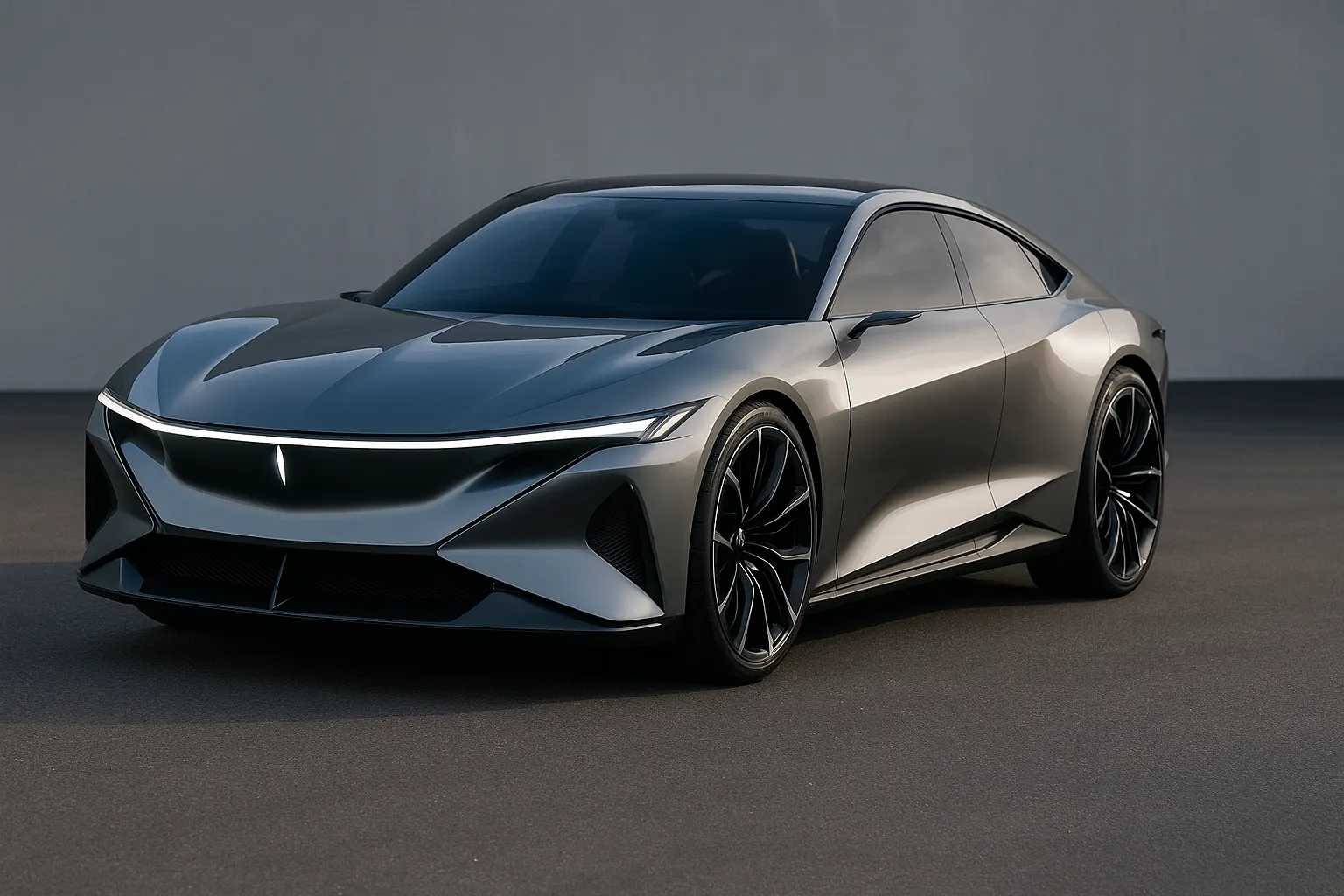
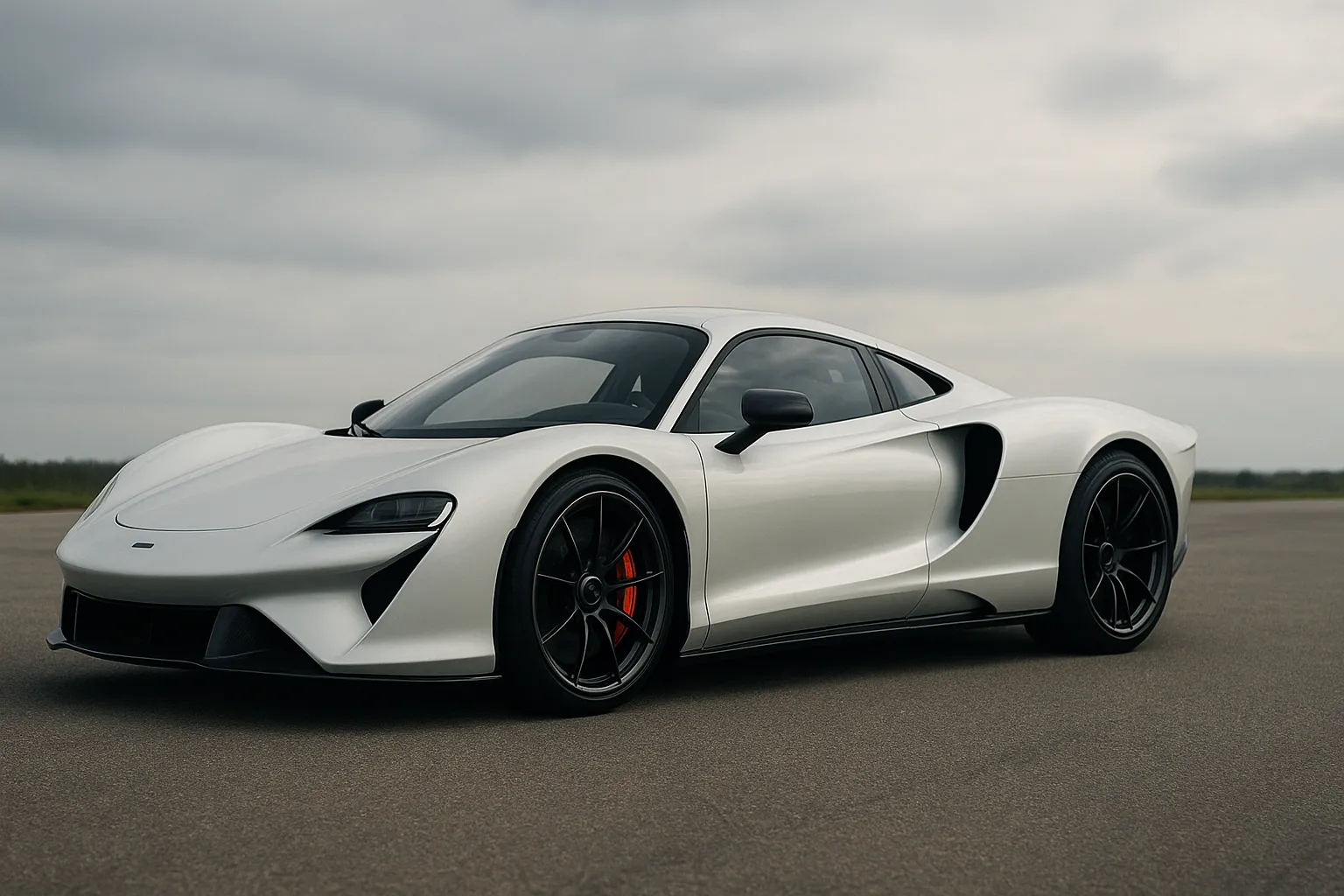
Acura has revealed the NEXERA Vision, a concept car intended to signal where the brand’s styling is going next rather than preview a showroom model in the traditional sense.
The NEXERA Vision arrives as Acura marks four decades in the market, and it leans into the brand’s long-running effort to position itself as the sportier, more experimental premium nameplate within Honda’s broader portfolio. The important detail for shoppers and enthusiasts is not that this exact car is on its way to production. It is not expected to be sold as a road car. Instead, Acura is using the concept to introduce a new visual language that will influence future models.
That distinction matters. Automakers often use concepts in two different ways: some are thinly disguised versions of production vehicles, while others are design manifestos. The NEXERA Vision falls into the second group. It is best understood as a preview of themes—proportions, lighting, surfacing, and brand attitude—that will likely appear in more practical forms on upcoming Acuras.
A design study, not a production promise
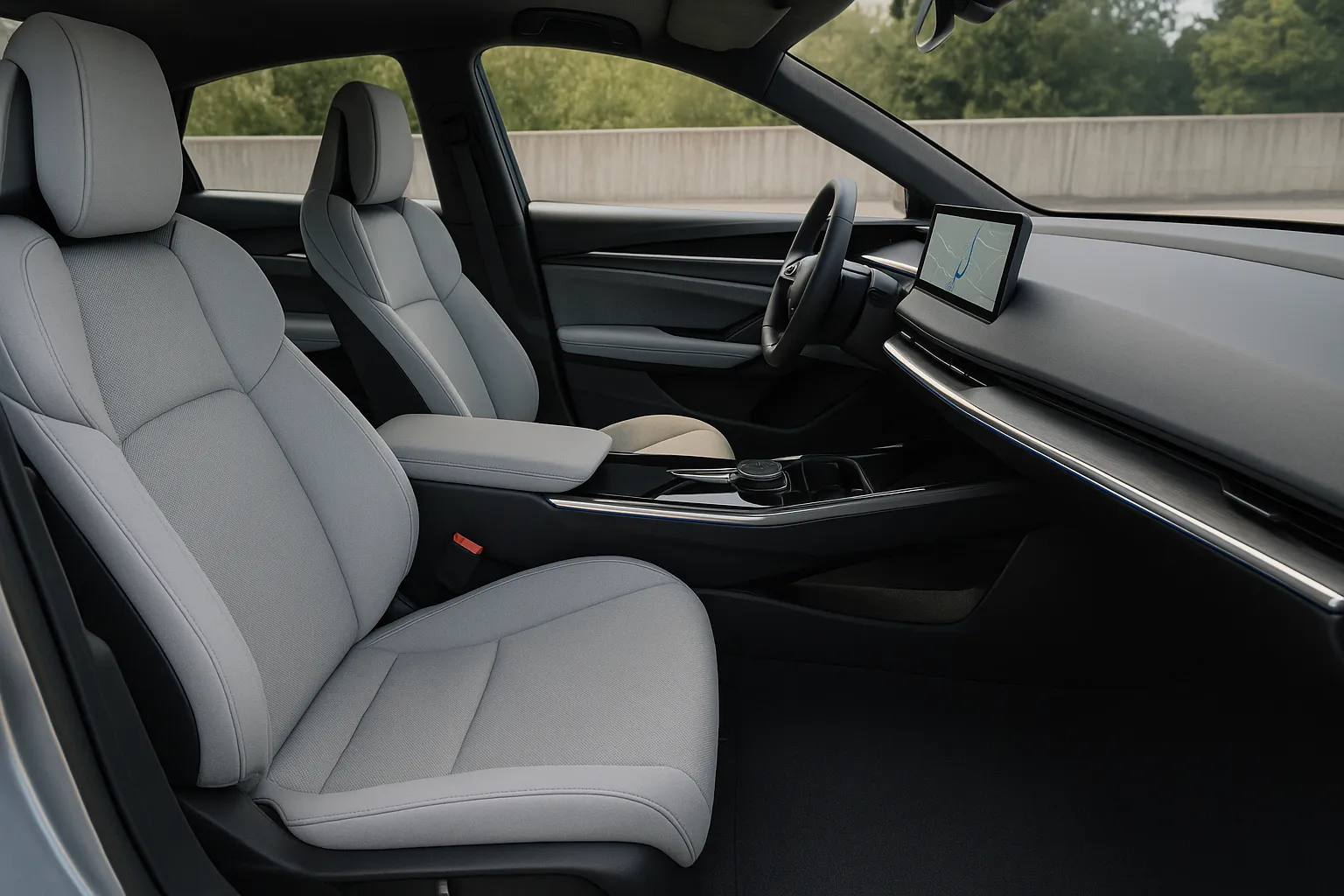
The NEXERA Vision has been presented as a forward-looking sports car concept, but Acura has not positioned it as a direct replacement for an existing model or as a confirmed future coupe. That makes it different from concepts that arrive with clear production timing, platform details, or market plans.
For now, the most relevant takeaway is that the NEXERA Vision introduces Acura’s next-generation design direction. One of the clearest production-bound elements is a new lighting signature. Lighting has become a major brand identifier across the industry, especially as grilles shrink, electric-vehicle packaging changes front-end proportions, and automakers search for recognizable nighttime graphics. Acura’s current models already use sharp lighting as part of their identity, and the NEXERA Vision suggests that theme will become more expressive.
The concept’s overall stance also reinforces Acura’s performance-oriented image. Even if future production vehicles are crossovers, sedans, or electric models rather than a low sports car, the point of a concept like this is to establish a mood: wider-looking, more planted, cleaner, and more technical. Expect the show-car drama to be toned down for real-world needs such as crash regulations, cabin space, visibility, cost, and serviceability.
Why Acura is changing its look now
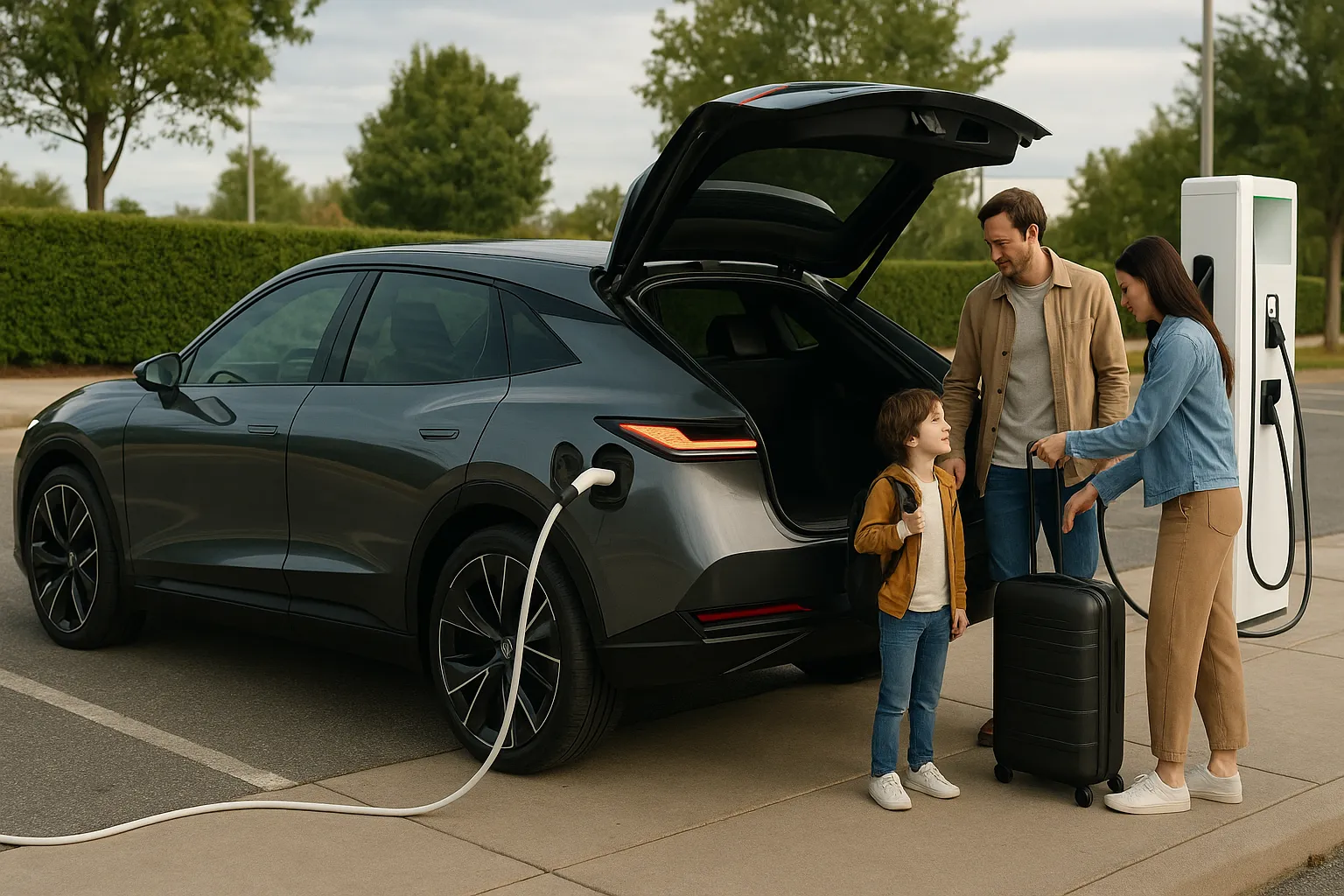
Acura’s design evolution comes at a time when premium brands are under pressure from several directions. Luxury buyers increasingly expect advanced technology, distinctive design, and strong brand identity, even in practical family vehicles. At the same time, electric vehicles and software-defined platforms are reshaping the way cars are packaged and marketed.
For Acura, that creates an opportunity and a challenge. The brand must stand apart from Honda while also competing with established luxury players and newer EV-focused companies. A sharper design language can help, especially in crowded segments where many buyers make shortlists based on exterior presence before they compare specifications.
The NEXERA Vision appears to answer that need by pushing Acura further toward a high-tech, athletic look. That does not necessarily mean every future Acura will become more aggressive or less practical. Rather, the concept gives Acura a fresh set of design cues it can adapt across different body styles.
This is especially important for SUVs and crossovers, which remain central to luxury sales. A dramatic concept may be a low-slung sports car, but its lighting, front-end treatment, body surfacing, and rear graphics can migrate to vehicles with much more conventional packaging. Buyers considering a future Acura crossover should pay attention because the NEXERA Vision may be an early signal of how the next wave of production vehicles will look.
What buyers should—and should not—read into it
For shoppers, the NEXERA Vision is not a reason to delay a purchase on its own. Acura has not provided a production timetable, model assignment, powertrain specifications, pricing, or market launch plan tied to this concept. Anyone shopping for a current Acura should treat the concept as a preview of future design direction, not a near-term product announcement.
However, it is relevant for buyers who care about styling longevity. A vehicle’s design can affect resale appeal, perceived modernity, and owner satisfaction. If Acura’s next production models adopt this new lighting language and more sculptural proportions, today’s lineup could begin to feel visually older once those vehicles arrive. That is normal whenever a brand turns the page stylistically.
Owners may also see the NEXERA Vision as a clue to where Acura wants to take its identity. The company has often tried to balance precision, technology, and performance without going as overtly flamboyant as some rivals. This concept suggests Acura is willing to be bolder, at least in form and lighting execution.
Enthusiasts, meanwhile, may be drawn to the sports-car shape, but expectations should remain measured. Acura has not confirmed that the NEXERA Vision previews a production sports car. The concept’s significance is broader: it gives the brand an aspirational design anchor, even if the first production applications appear on more mainstream vehicles.
The role of lighting in Acura’s next chapter
The new lighting signature may end up being the NEXERA Vision’s most important production influence. Modern lighting is no longer just a functional requirement; it is one of the easiest ways for a car to be recognized instantly. Automakers use daytime running lights, animated sequences, full-width elements, and distinctive rear signatures to create identity across different models.
For Acura, a new lighting graphic can unify the lineup as it transitions into its next generation of vehicles. That could be especially valuable if future models use different powertrains or platforms. A consistent lighting signature helps a brand maintain recognition even as proportions and mechanical layouts change.
The concept also shows how design can do some of the work that used to be handled by traditional performance cues. A low hood, assertive lamps, crisp body lines, and a planted stance all communicate speed and precision before any powertrain details are discussed. In that sense, the NEXERA Vision is as much a branding exercise as it is a design study.
A concept with practical implications
The NEXERA Vision is not a production car, and that limits what can be concluded today. Still, it is not merely a styling exercise without consequence. Automakers rarely introduce a new design language unless they intend to use it, and Acura’s next production models are expected to borrow from this concept in more road-ready form.
For the industry, the reveal reflects a broader shift: premium brands need stronger visual identities as technology, electrification, and shared platforms make vehicles feel more similar underneath. For Acura, the NEXERA Vision is a chance to sharpen its personality and give future cars a more distinctive face.
For buyers, the message is simple. Do not expect to see this exact concept in showrooms, but do expect its influence to matter. The next generation of Acura vehicles is likely to look different, and the NEXERA Vision is the clearest preview yet of the direction the brand wants to take.