McLaren’s New CEO Signals Faster Product Push Under CYVN Ownership
McLaren is preparing a new phase under CEO Nick Collins and Abu Dhabi-backed ownership, with deeper funding, a faster model cadence and room for enthusiast-led projects such as a manual special.
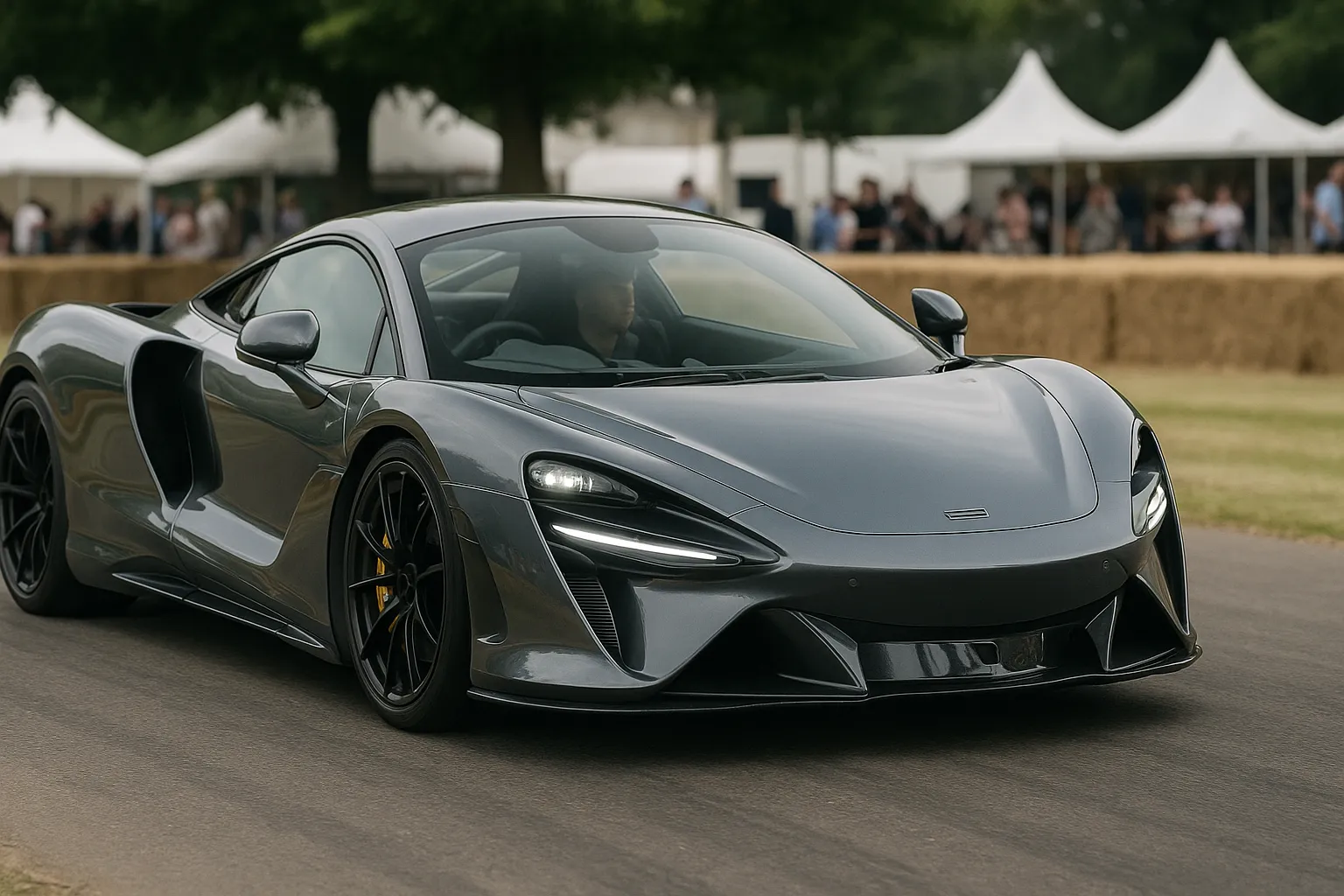
McLaren is entering one of the most consequential periods in its road-car history, with new leadership, new ownership and a product plan intended to make the company more agile after years of financial pressure.
Chief executive Nick Collins has outlined a strategy built around faster decision-making, a more confident launch cadence and long-term investment rather than short-term financial fixes. The shift follows the April 2025 takeover of McLaren’s automotive business by Abu Dhabi’s CYVN Holdings, a move that brought fresh capital and removed a debt burden that had constrained the Woking-based supercar maker.
For car buyers and enthusiasts, the message is straightforward: McLaren wants to be less predictable, better funded and more active in the high-performance market. The next few years should bring a broader and more deliberate product pipeline, including limited-run cars, core supercar replacements and at least one enthusiast-focused project expected to lean into the brand’s past.
A reset after years of strain
McLaren has rarely lacked engineering credibility. Its carbon-fiber expertise, lightweight vehicle philosophy and mid-engined performance cars have made it one of the most technically interesting supercar brands of the modern era. But the business behind those cars has had a more difficult run, with funding challenges, restructuring and pressure to maintain momentum against rivals with deeper pockets.
The CYVN deal appears to have changed that foundation. With debt cleared and shareholders taking a longer view, Collins has indicated that McLaren can now make decisions for the brand, its customers and product quality without being forced into short-term compromises.
That matters because low-volume supercar makers operate on long development cycles. Decisions made now shape products that may not reach customers for several years. Stable funding can influence everything from platform investment and hybrid systems to dealer support, personalization capacity and aftersales confidence.
Collins brings big-car development experience
Collins is not new to complex vehicle programs. Before taking the top job at McLaren Group Holdings, he held senior product roles at JLR, where he was involved with the latest Range Rover and Range Rover Sport. Those vehicles are very different from McLaren’s mid-engined supercars, but they required the kind of large-scale engineering coordination, brand positioning and customer understanding that a reorganized McLaren now needs.
At McLaren, his task is more focused but no less demanding: preserve the company’s identity as a lightweight, driver-led performance brand while giving it enough product breadth and commercial resilience to compete with Ferrari, Lamborghini, Porsche and Aston Martin.
The brand’s future direction is not being presented as a single-model turnaround. Instead, the emphasis is on a planned sequence of products. Collins has suggested that he already knows what is coming and when, after an extended period of internal planning and structural work since the ownership change.
Faster cadence, but not volume for volume’s sake
A faster-moving McLaren does not necessarily mean a mass-market McLaren. The company’s value still depends on exclusivity, engineering character and a clear reason for each model to exist. The strategic question is how McLaren can increase activity without diluting what makes the badge desirable.
That could mean more frequent special editions, a clearer separation between core series production and collector-grade cars, and products designed to generate attention between major platform launches. Recent and rumored activity points in that direction.
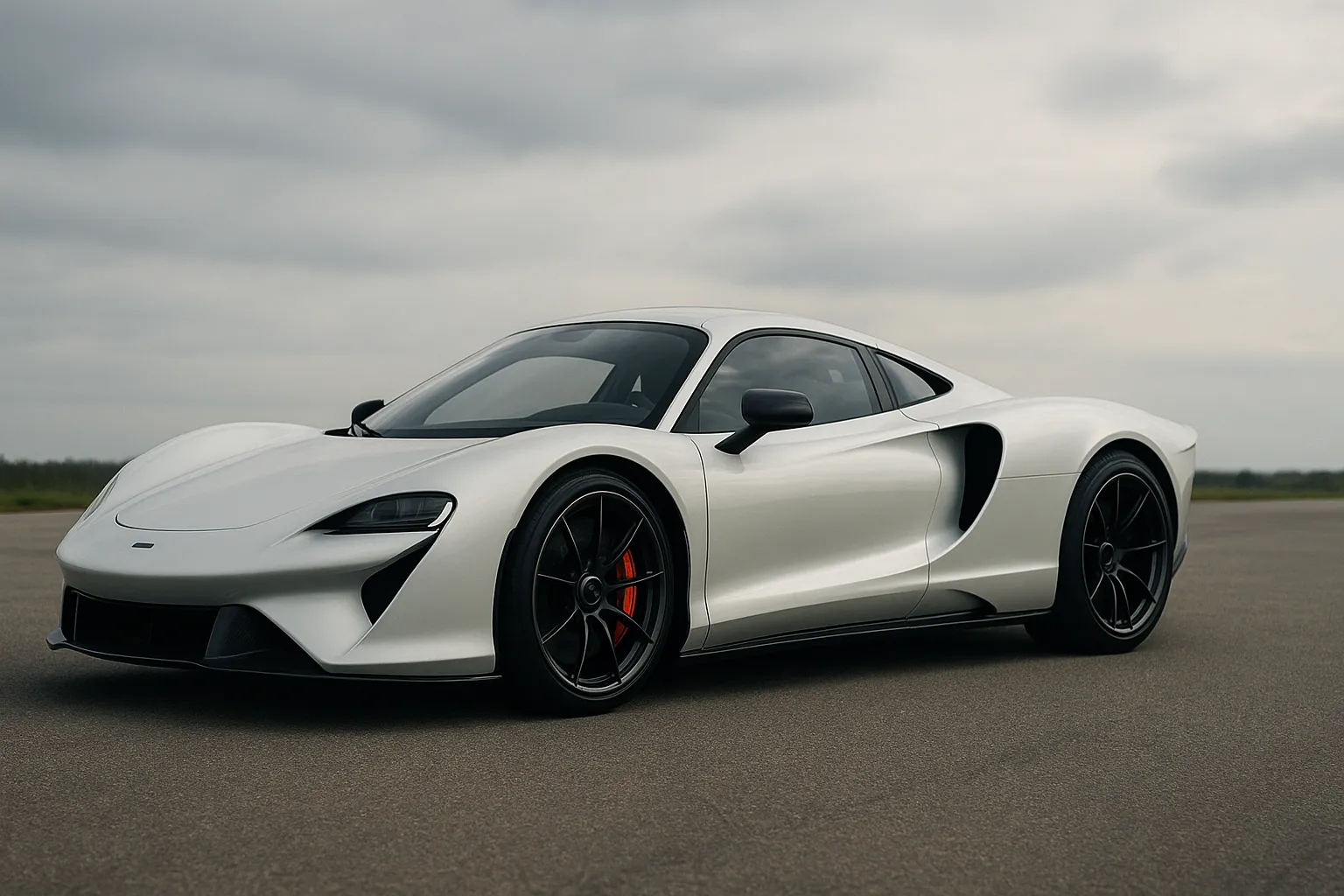
The limited-run 788HS has been described as the final expression of McLaren’s 700-series line, effectively closing one chapter before the next generation of models arrives. Separately, a future project known informally as the P50 is expected to use a manual gearbox and draw inspiration from a past McLaren icon. Details around that car remain limited, and final specifications, timing and production numbers have not been publicly confirmed.
Still, the idea of a modern manual McLaren is significant. Manual transmissions have largely disappeared from the supercar mainstream, especially as hybrid powertrains, dual-clutch gearboxes and lap-time targets dominate development priorities. Yet demand for analog-feeling, ultra-limited performance cars has increased among collectors. If McLaren follows through, it would be joining a small but important movement toward more tactile driver cars at the top end of the market.
What this means for buyers
For prospective McLaren customers, stronger financial backing could improve confidence in the brand beyond the showroom. High-end buyers care about performance, but they also care about residual values, parts supply, service quality and whether the manufacturer will continue to support its cars long after launch.
A more stable McLaren could be better positioned to invest in dealers, warranty support, software updates and bespoke personalization. Those factors are especially important as supercars become more complex through electrification and advanced chassis systems.
Existing owners may also benefit if the brand’s renewed direction strengthens demand for older models. Collector interest often rises when a manufacturer clarifies its future and creates a sharper narrative around previous generations. Cars such as the 720S, 765LT, Artura and limited-run Ultimate Series models could be viewed through a different lens if McLaren’s next era successfully builds on their engineering themes.
There is also a caution. More special editions and faster launches can create excitement, but they can also make recent buyers feel their cars have been superseded too quickly. McLaren will need to manage that carefully, especially given its history of rapid model evolution. The healthiest version of this strategy would make each new car feel distinct rather than simply more powerful or more exclusive than the last.
The industry angle
McLaren’s reset comes at a complicated time for performance-car makers. Emissions rules, electrification costs and regional market uncertainty are forcing even exotic brands to rethink product planning. Fully electric supercars remain technically challenging because weight, charging behavior and emotional character matter more in this segment than in mainstream EVs. Hybrids have become the bridge, but they add cost and complexity.
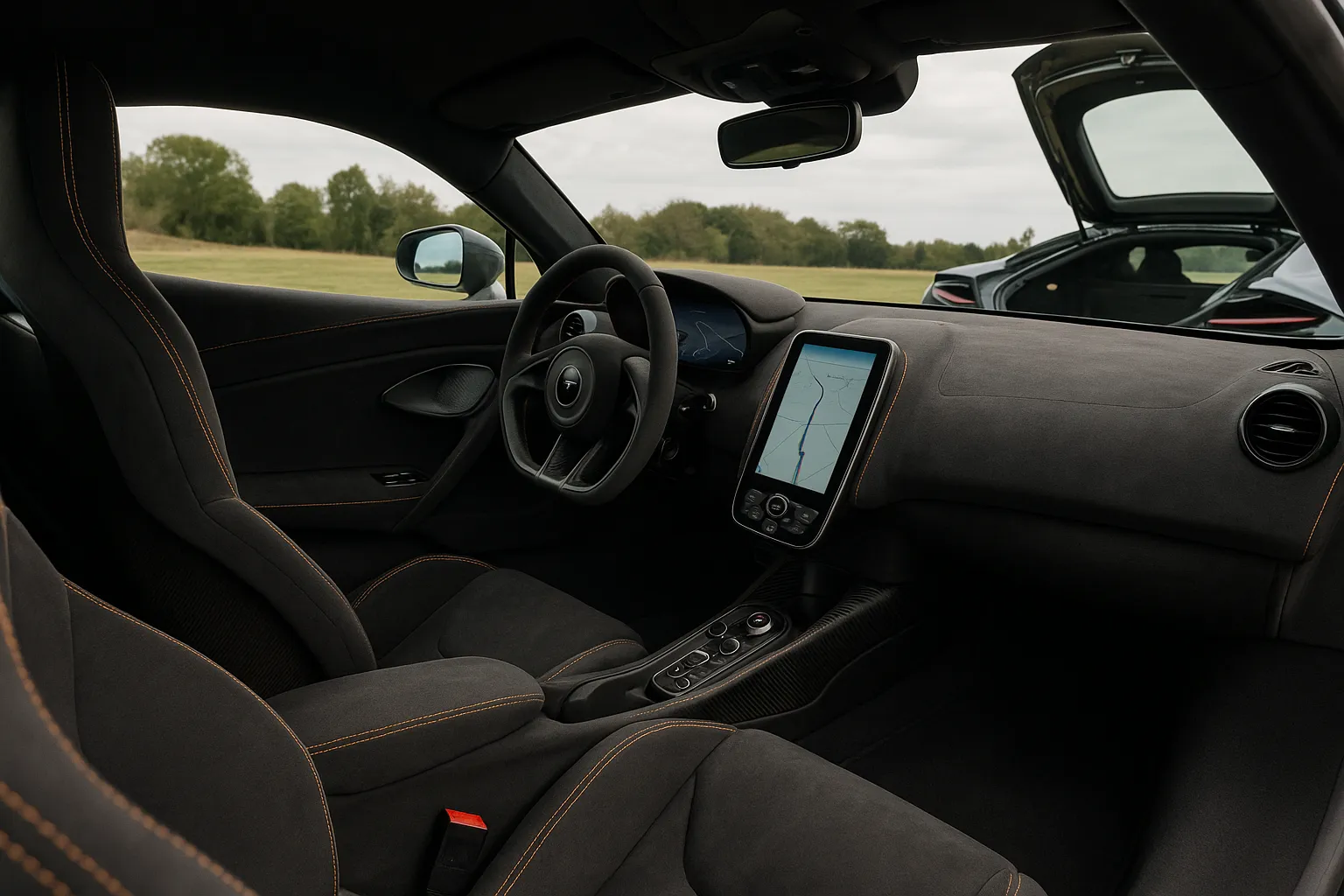
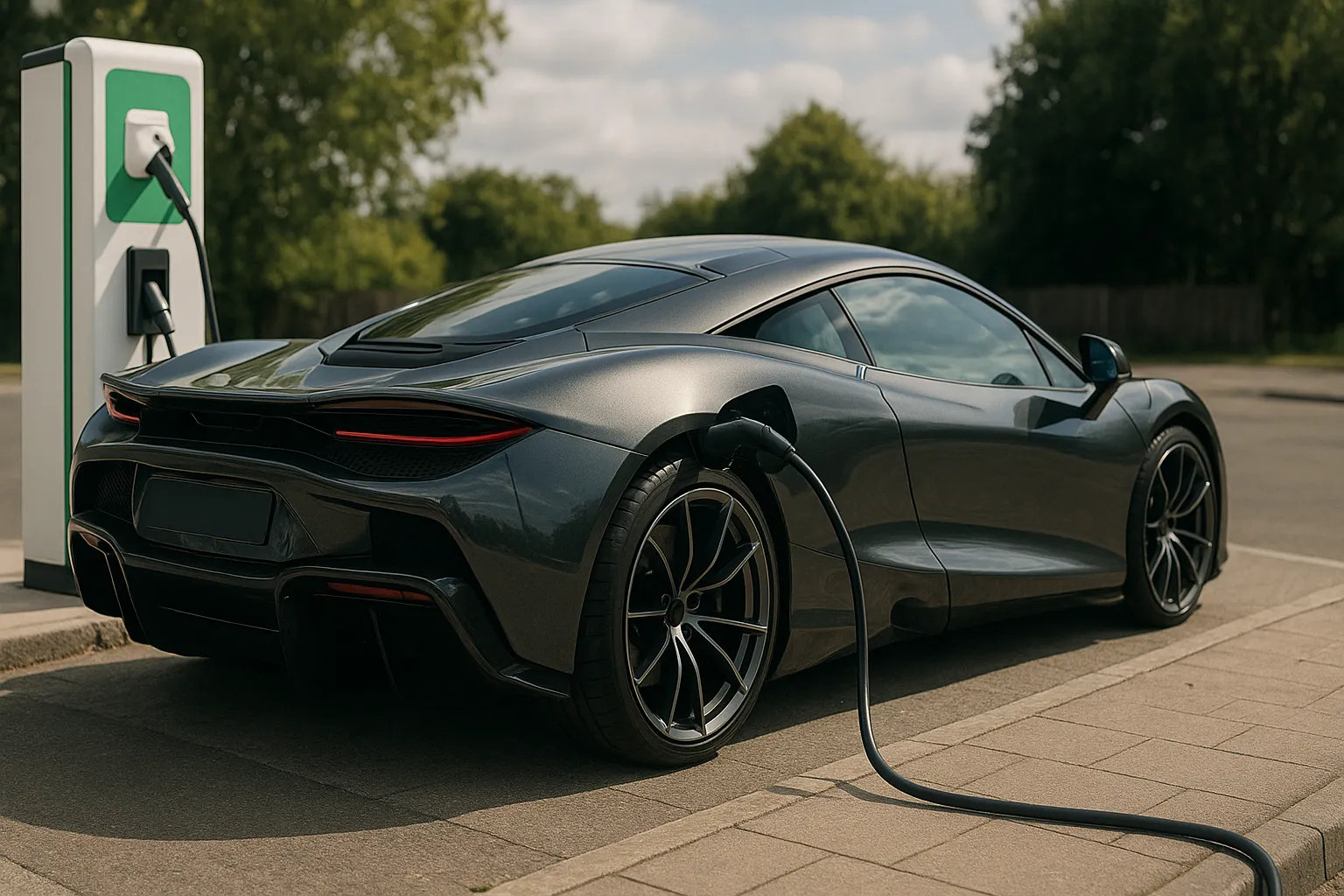
McLaren already has experience here with the Artura plug-in hybrid and the earlier P1. The next phase is likely to test how effectively the company can combine electrification with its traditional lightweight approach. Funding from CYVN could help accelerate that work, though McLaren has not laid out a full public roadmap for future powertrains in the latest comments.
The brand must also navigate global instability and shifting demand in key luxury markets. Collins has indicated that shareholder commitment remains intact despite wider geopolitical uncertainty. That long-term backing may prove just as important as any single new model.
A chance to sharpen McLaren’s identity
McLaren’s opportunity is not simply to launch more cars. It is to define what a modern McLaren should be when speed alone is no longer enough to stand out. Ferrari has racing heritage and an unmatched luxury ecosystem. Lamborghini has extroverted design and SUV-fueled scale. Porsche blends motorsport credibility with broad profitability. Aston Martin trades heavily on grand-touring glamour.
McLaren’s strongest lane remains precision: low weight, advanced aerodynamics, carbon construction and a driver-first feel. If the next generation of products reinforces that identity while improving business consistency, the CYVN era could give McLaren a more secure place in the supercar landscape.
The coming product cadence will show whether the plan works. For now, the important development is that McLaren appears to have the resources and leadership structure to move from survival mode into a more proactive phase. For enthusiasts, that raises the possibility of more interesting cars. For buyers, it may bring greater confidence. For the industry, it means one of Britain’s most advanced performance brands is preparing to compete with renewed intent.