2026 Jeep Recon Configurator Shows Electric Off-Roader Topping $78,000
Jeep’s battery-electric Recon is moving from promise to price sheet, with online builds climbing past $78,000 before the usual ownership costs are added.
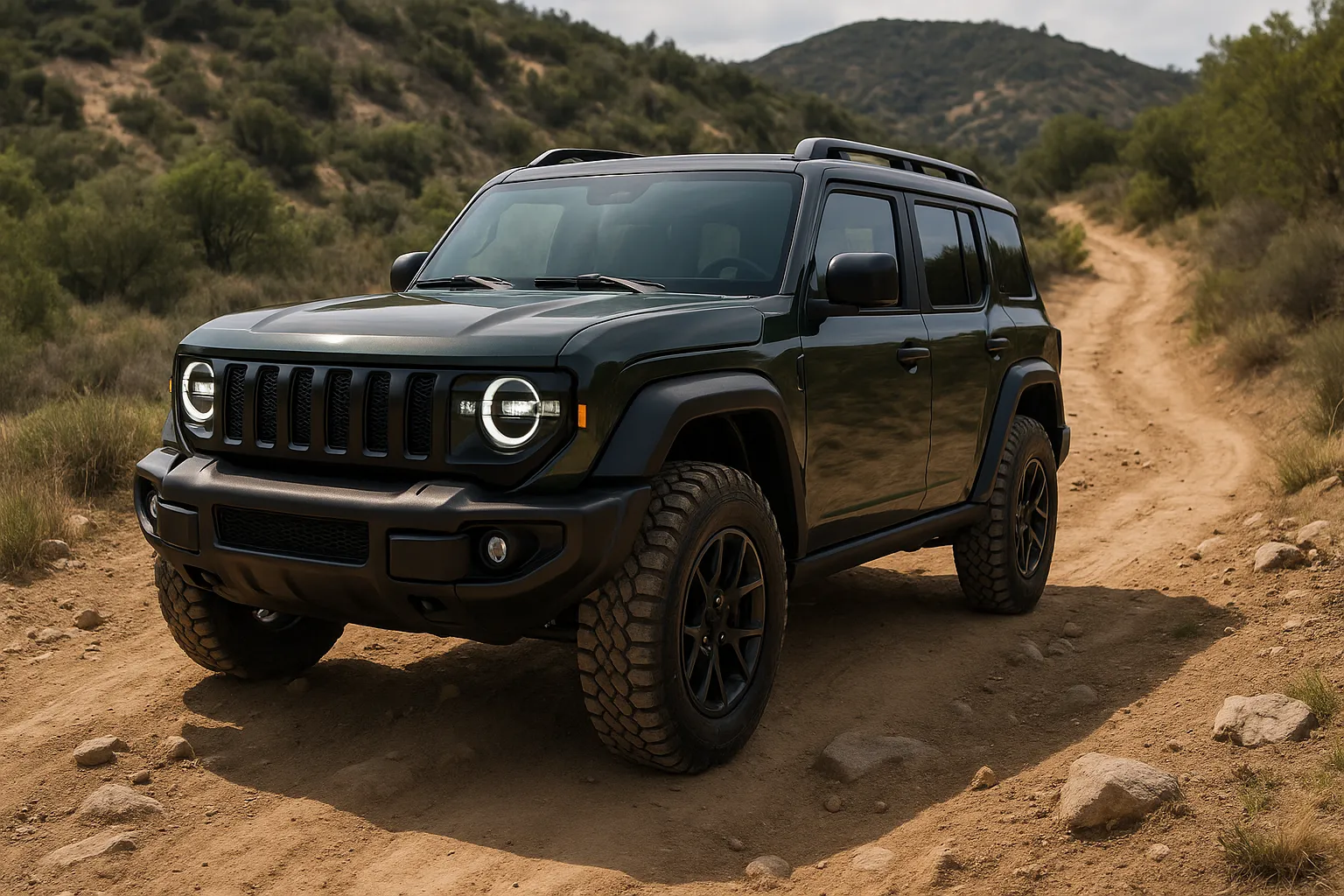
Jeep’s next electric off-roader is now looking less like a future-product promise and more like a real purchase decision. The online configurator for the 2026 Jeep Recon shows that a well-equipped build can climb past $78,000, putting the battery-electric SUV deep into premium off-road territory.
That number matters because the Recon is not just another EV crossover with rugged styling. Jeep has positioned it as an electric vehicle meant to carry core brand values into the battery era: open-air capability, trail-focused hardware, and a shape that clearly speaks to buyers who understand the Wrangler formula. The configurator price suggests Jeep is also treating the Recon as a high-value specialty product rather than an entry-level electric SUV.
The figure shown in the configurator should be read carefully. Online build tools can include destination charges, optional equipment, paint, wheel-and-tire packages, interior upgrades, and technology bundles depending on how the automaker structures the page. Taxes, registration, dealer fees, accessories, financing costs, and potential markups are separate issues. Incentives, if available, can also change the effective price for some buyers. Even so, a build exceeding $78,000 gives shoppers a useful early signal: the Recon is likely to be priced closer to premium adventure vehicles than mainstream compact or midsize SUVs.
For Jeep buyers, the most important takeaway is that the Recon appears aimed at a different customer than a basic Wrangler or a value-focused family SUV. It is for someone who wants electric propulsion, real off-road image and capability, and the latest Jeep hardware in a package that will probably command a higher monthly payment than many gas or plug-in hybrid alternatives. A Wrangler 4xe, Grand Cherokee 4xe, or a well-optioned conventional off-roader may still make more financial sense for shoppers who prioritize purchase price, long-distance convenience, or known resale patterns.
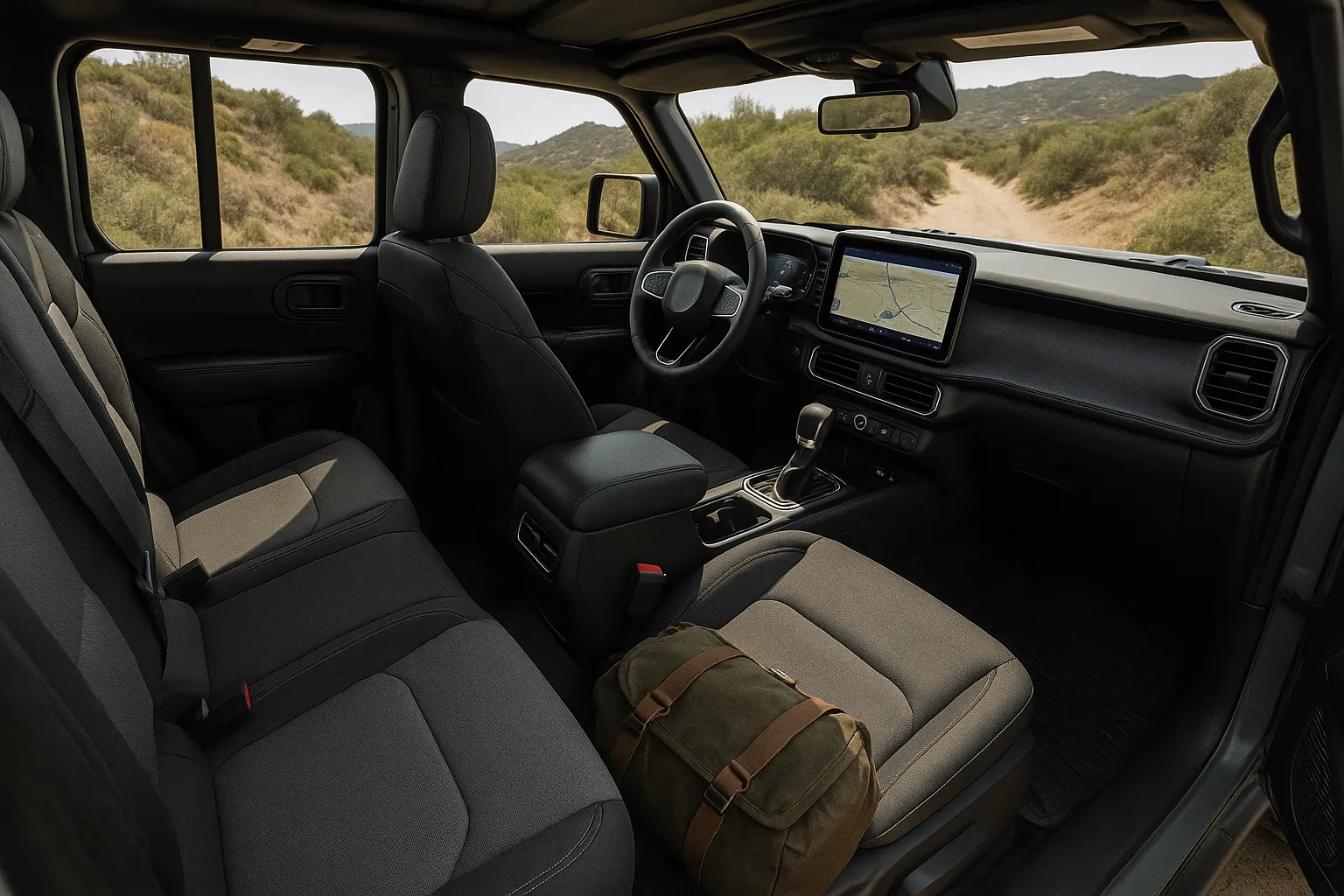
At the same time, the Recon’s price is not out of line with the broader direction of serious electric off-roaders. Large battery packs are expensive. Reinforced chassis components, all-wheel-drive systems, protective underbody hardware, specialized tires, and premium interiors all add cost. Compared with some oversized electric trucks and SUVs that can push well into six-figure territory, a Recon in the upper-$70,000 range is expensive but not unprecedented. The more relevant question is whether Jeep can deliver enough range, charging performance, durability, and trail credibility to justify the number.
That is where the final specification sheet will be crucial. Buyers should watch for EPA range, usable battery capacity, DC fast-charging speed, curb weight, payload, towing rating, ground clearance, water-fording capability, tire size, underbody protection, and the availability of locking differentials or comparable traction technology. Off-road EVs can be extremely capable because electric motors deliver precise low-speed torque, but range can fall quickly in demanding conditions. Mud, sand, rocks, steep grades, heavy tires, rooftop gear, cold weather, and highway speeds all affect efficiency.
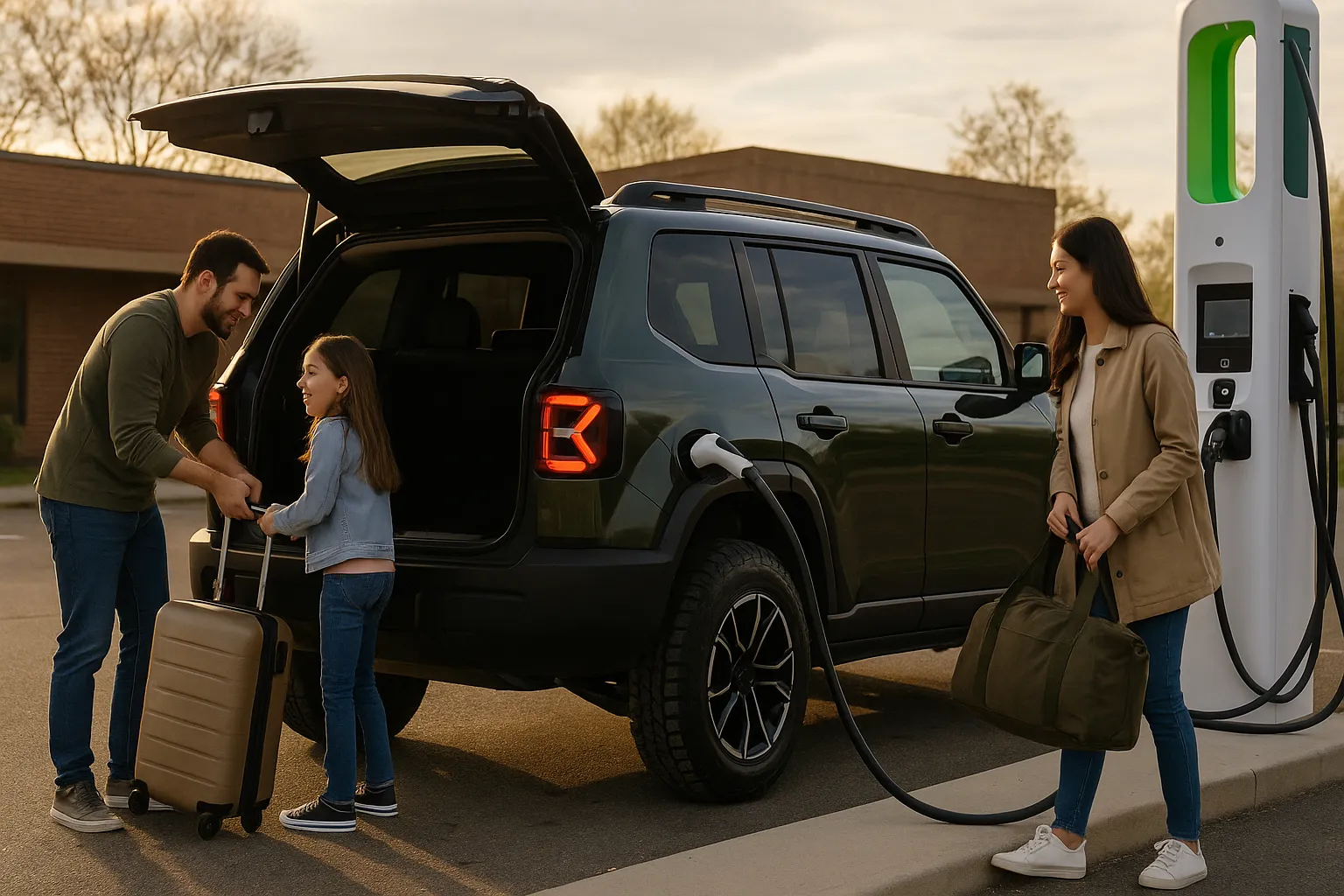
Home charging should also be part of the buying equation. An electric Jeep used mainly for commuting and weekend trails could be very convenient if the owner has Level 2 charging at home. The same vehicle may be harder to justify for someone who parks on the street, regularly drives long rural distances, or explores areas with limited public charging. For off-roaders, the issue is not only finding a charger on a highway; it is having enough energy to get to a trail, complete the route, and return with a comfortable reserve.
For enthusiasts, the Recon is significant because it suggests Jeep does not intend to treat electrification as separate from its most recognizable identity. The brand’s challenge is unusually difficult. Jeep owners tend to care about mechanical feel, modification potential, durability, and heritage. EV buyers tend to focus on software, charging, range, acceleration, and ownership costs. The Recon has to satisfy both groups without feeling like a compromised product.
Pricing above $78,000 raises expectations accordingly. At that level, buyers will likely expect more than novelty. They will want strong build quality, robust weather sealing, competitive infotainment, modern driver-assistance features, useful cargo space, and a cabin that feels appropriate for the money. If Jeep offers removable panels, open-air driving features, trail cameras, specialized drive modes, or factory off-road accessories, those details will help define whether the Recon feels like a true Jeep or simply an electric SUV wearing Jeep cues.
The Recon also arrives at an important moment for the industry. Automakers are learning that EV adoption is not a single straight line. Some buyers are enthusiastic, others are cautious, and many are still waiting for the right combination of price, range, charging access, and brand familiarity. An electric Jeep with serious off-road intent gives Stellantis a way to reach customers who may not be interested in a conventional EV crossover. But the pricing shows how difficult it remains to make specialized electric vehicles affordable.
For shoppers, the smart move is patience and comparison. A configurator build is a starting point, not the full ownership story. Lease terms, warranty coverage, real-world range tests, insurance rates, charging costs, dealer inventory, and early owner feedback will all matter. So will how Jeep packages key equipment: if the most desirable off-road hardware is locked behind expensive trims or bundles, the practical cost of buying the Recon may be higher than the headline number suggests.
The 2026 Jeep Recon is therefore shaping up as one of the more important electric SUVs for buyers who care about trails, not just commute efficiency. A price above $78,000 will narrow its audience, but it also sets a clear benchmark for what Jeep must deliver. If the Recon combines authentic capability with usable range and everyday livability, it could become a meaningful bridge between traditional Jeep ownership and the EV market. If not, shoppers will have plenty of gas, hybrid, and electric alternatives competing for the same money.