2027 Audi Q7 U.S. Pricing Climbs Nearly $9,000 as Redesigned SUV Nears Launch
Audi’s redesigned three-row Q7 is due in the U.S. late this year, but shoppers should expect a significantly higher entry price than before.
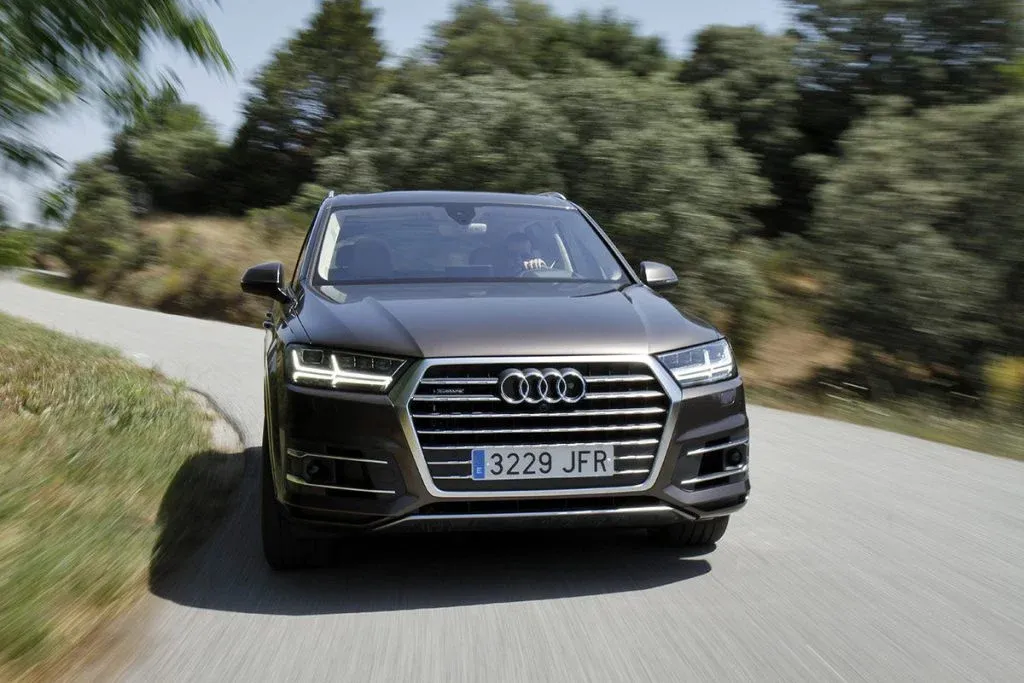
Audi’s redesigned Q7 is on its way to U.S. showrooms, and the first number likely to get shoppers’ attention is not a horsepower figure or a cargo measurement. It is the price.
The 2027 Audi Q7 is expected to reach U.S. customers in the fourth quarter of 2026, following its earlier global debut and an initial rollout in some European markets. When it arrives, the three-row luxury SUV will carry a starting price nearly $9,000 higher than the outgoing version.
That is a substantial jump for a vehicle that already competes in one of the more expensive corners of the family-SUV market. The Q7 sits in Audi’s lineup as a premium three-row utility vehicle aimed at buyers who want luxury-brand refinement, all-weather traction, usable passenger space, and a more restrained alternative to larger, flashier luxury SUVs. A nearly five-figure increase at the entry point changes the buying calculation, especially for shoppers comparing lease payments or stretching into the segment for the first time.
What changes for shoppers
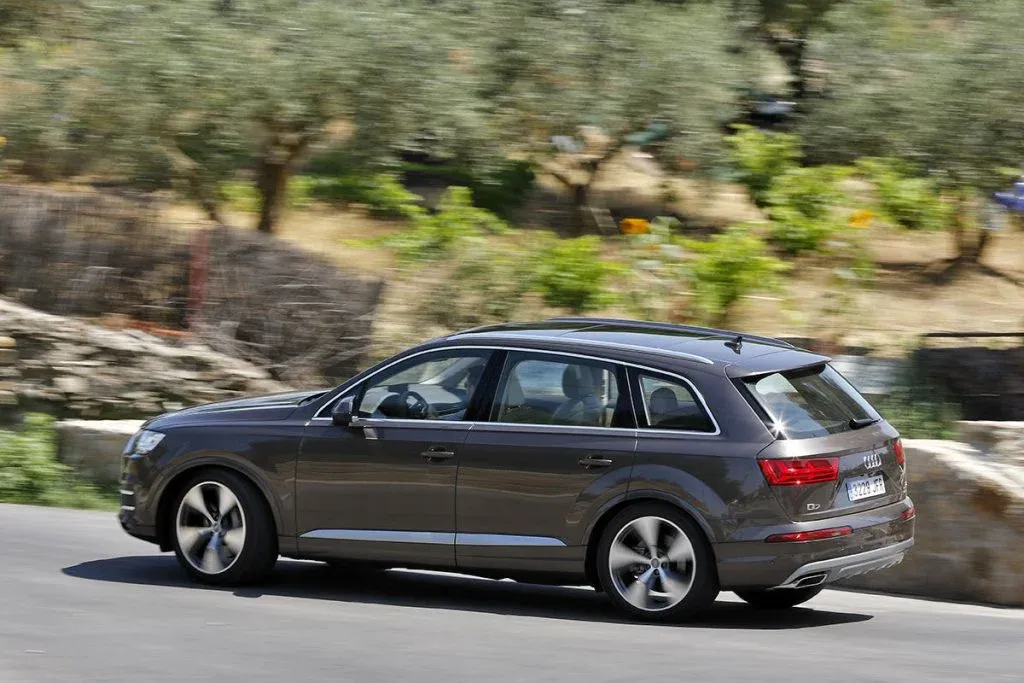
The most important detail is that the price increase applies to the starting point of the 2027 Q7 range. That does not necessarily mean every version rises by the same amount, and final transaction prices will still depend on trim, options, destination charge, dealer inventory, incentives, and lease support. Full U.S. trim-by-trim details were not included in the initial pricing information, so buyers should treat the nearly $9,000 figure as the headline change at the bottom of the lineup rather than a complete map of the entire range.
Still, entry pricing matters. It defines how a vehicle appears in search filters, how it compares with rivals on paper, and how monthly payments are advertised. It also sets expectations for the rest of the model line. If the least expensive Q7 is now meaningfully more costly, higher trims and heavily optioned versions are likely to feel even more premium-priced once packages, wheels, technology upgrades, paint, and interior choices are added.
For buyers who were already cross-shopping the Q7 with other luxury three-row SUVs, the increase may push more attention toward value. The Q7 competes for households considering vehicles such as the BMW X5 or X7 depending on seating needs, the Mercedes-Benz GLE, Volvo XC90, Acura MDX, Genesis GV80, and other upscale SUVs with two or three rows. The Audi’s appeal has traditionally included a blend of polished road manners, understated design, and a cabin that feels premium without being overly theatrical. With a higher entry price, shoppers will be looking closely at whether the redesigned model delivers enough added content, refinement, or technology to justify the move.
Why the higher price may not tell the whole story
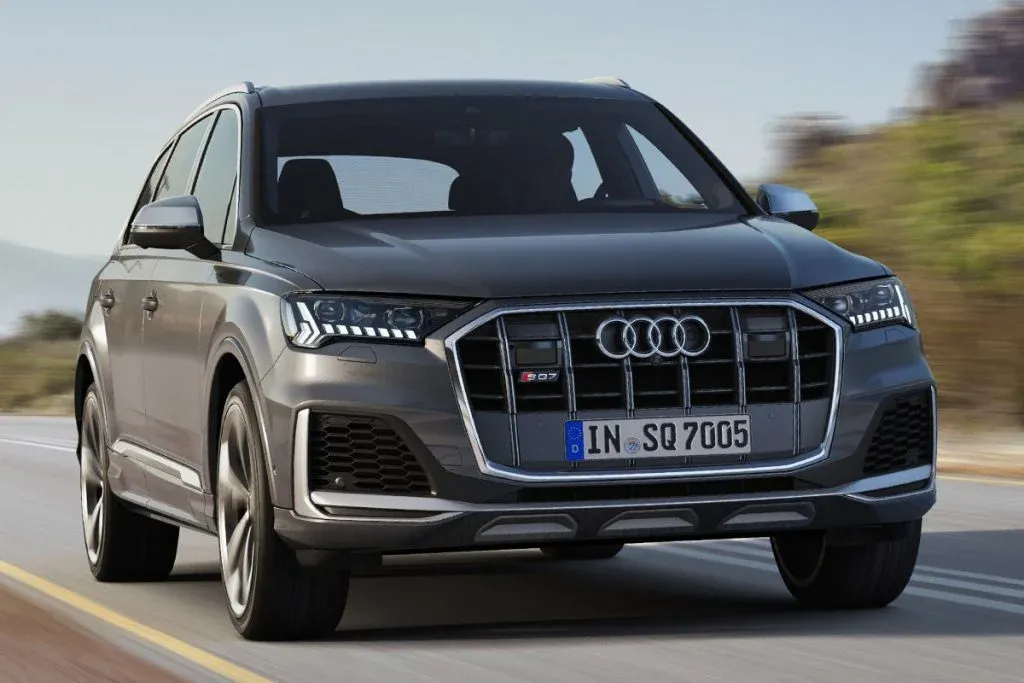
A large starting-price increase can happen for several reasons. Sometimes an automaker adds more standard equipment, eliminates a lower-cost trim, changes the powertrain lineup, or repositions a model to sit higher in the market. Sometimes it reflects broader cost pressure from materials, regulations, logistics, exchange rates, and the general rise in vehicle prices. Without the complete U.S. equipment breakdown, it is not possible to say how much of the Q7’s increase is a pure price hike versus a change in standard content or trim strategy.
That distinction matters. If Audi has packed the base model with more driver-assistance features, cabin technology, comfort equipment, or upgraded materials, some buyers may find the new entry point more acceptable. If the increase comes with only modest equipment changes, the Q7 could face tougher comparisons against competitors offering similar space and features for less money.
Luxury buyers often shop differently from mainstream buyers, but price still matters. Lease customers are especially sensitive to MSRP changes because monthly payments are shaped by selling price, residual value, money factor, and incentives. A nearly $9,000 higher starting MSRP can translate into a noticeable payment increase unless Audi offsets it with stronger lease programs or higher residual values.
Timing and availability
The U.S. arrival window is expected to be the fourth quarter of 2026, which places the redesigned Q7 in market late in the calendar year. That timing gives current Q7 owners and prospective buyers a decision to make.
Shoppers who want the newest design, latest equipment, and a fresh model-year vehicle may prefer to wait for the 2027 version. Those more focused on price could watch remaining inventory of the outgoing model, especially if dealers begin clearing space before the redesigned Q7 arrives. The outgoing vehicle may become more attractive if discounts widen, although availability, color choices, and desirable options typically become more limited as a model nears the end of its run.
Owners nearing the end of a lease may also need to plan ahead. If the replacement Q7 is more expensive, a like-for-like lease renewal may not land near the same monthly payment. Some households may downshift to a smaller luxury SUV, consider a certified pre-owned Q7, or compare non-German alternatives that emphasize value and warranty coverage.
Why it matters beyond Audi
The Q7’s price move is part of a broader industry pattern: redesigned vehicles are increasingly arriving with higher entry points. Automakers are under pressure to fund new technology, safety systems, software, electrification investments, and more complex manufacturing. At the same time, many brands have learned that buyers in premium segments will pay more for highly equipped vehicles, reducing the incentive to offer stripped-down base models.
For enthusiasts, the Q7’s repositioning also says something about where Audi sees its large SUV lineup heading. The brand has to balance traditional luxury-SUV expectations with newer demands for digital interfaces, advanced assistance systems, electrified powertrains, and stricter emissions rules across global markets. Even when a model is not sold primarily as a performance vehicle, its pricing and packaging show how a brand intends to compete.
For families, the practical question is simpler: does the redesigned 2027 Q7 still deliver enough space, comfort, driving refinement, and luxury-brand cachet to make sense at its new price? The answer will depend on final specifications, standard equipment, available trims, and real-world deals once vehicles reach U.S. dealers.
Bottom line
The 2027 Audi Q7 is not just a routine model-year update for American buyers. Its redesigned form is coming with a significantly higher entry cost, raising the bar for what shoppers should expect in return. Anyone considering a Q7 should compare the new model’s standard equipment against the outgoing SUV, evaluate lease and finance terms carefully, and cross-shop similarly priced luxury SUVs before ordering.
The Q7 has long appealed to buyers who want a refined, premium three-row SUV without moving into the largest and most expensive luxury utilities. With the 2027 model, Audi appears to be asking those buyers to pay more at the door. Whether that feels like a fair trade will become clearer when full U.S. specifications, trim pricing, and dealer availability are in place later this year.