2027 BMW X5 and iX5 bring Neue Klasse design and broader powertrain choices
BMW’s fifth-generation X5 arrives with sharper styling, a fully electric iX5 variant and a global powertrain strategy that keeps combustion, hybrid and zero-emission options in play.
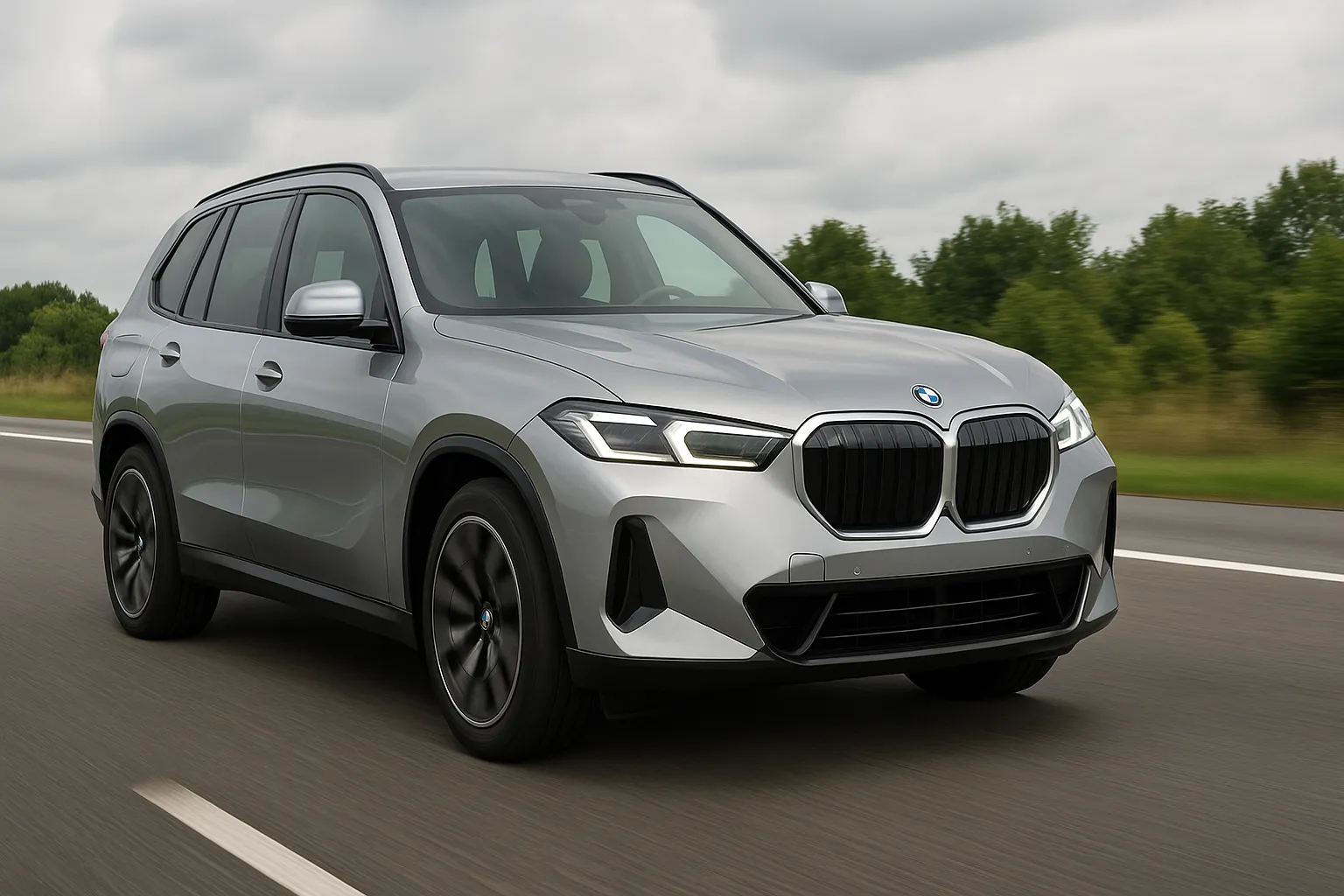
BMW has revealed the 2027 X5, and the fifth generation of its long-running luxury SUV is more than a routine redesign. The new model adopts BMW’s latest Neue Klasse-influenced design language, adds a fully electric iX5 to the family, and will be sold globally with a broad spread of powertrains rather than forcing one technology path across every market.
That matters because the X5 is not a niche product for BMW. Since the original E53 arrived for the 1999 model year, the X5 has become one of the brand’s most important vehicles and a template for the modern premium SUV. The 2027 version now has to satisfy traditional BMW buyers, luxury-family shoppers, performance-SUV fans, fleet customers, plug-in hybrid owners and EV early adopters at the same time.
A new X5 with Neue Klasse influence
The 2027 X5 takes clear inspiration from BMW’s newer Neue Klasse design direction. That means a cleaner, more technical exterior approach rather than a simple update of the outgoing SUV. The change is significant because the X5 has historically balanced a conservative luxury-SUV shape with enough BMW identity to stand apart. This generation appears intended to move the model closer to BMW’s next-era EV and software-led products without abandoning the proportions that made the X5 recognizable.
The front-end treatment is likely to be the most discussed part of the redesign. BMW has not been shy about using bold grilles, lighting signatures and surfacing on recent models, and the new X5 continues that willingness to challenge expectations. For shoppers, the takeaway is straightforward: this is not an invisible redesign. Anyone considering a current X5 should expect the 2027 model to look and feel like a clear generational break.
The X5’s reveal in South Carolina is also important. BMW’s Spartanburg manufacturing footprint has long been central to its SUV strategy, and the X5 remains closely tied to the United States even as it serves buyers worldwide. The new model’s debut at that home base reinforces how important the SUV line remains to BMW’s global business.
The iX5 joins the lineup
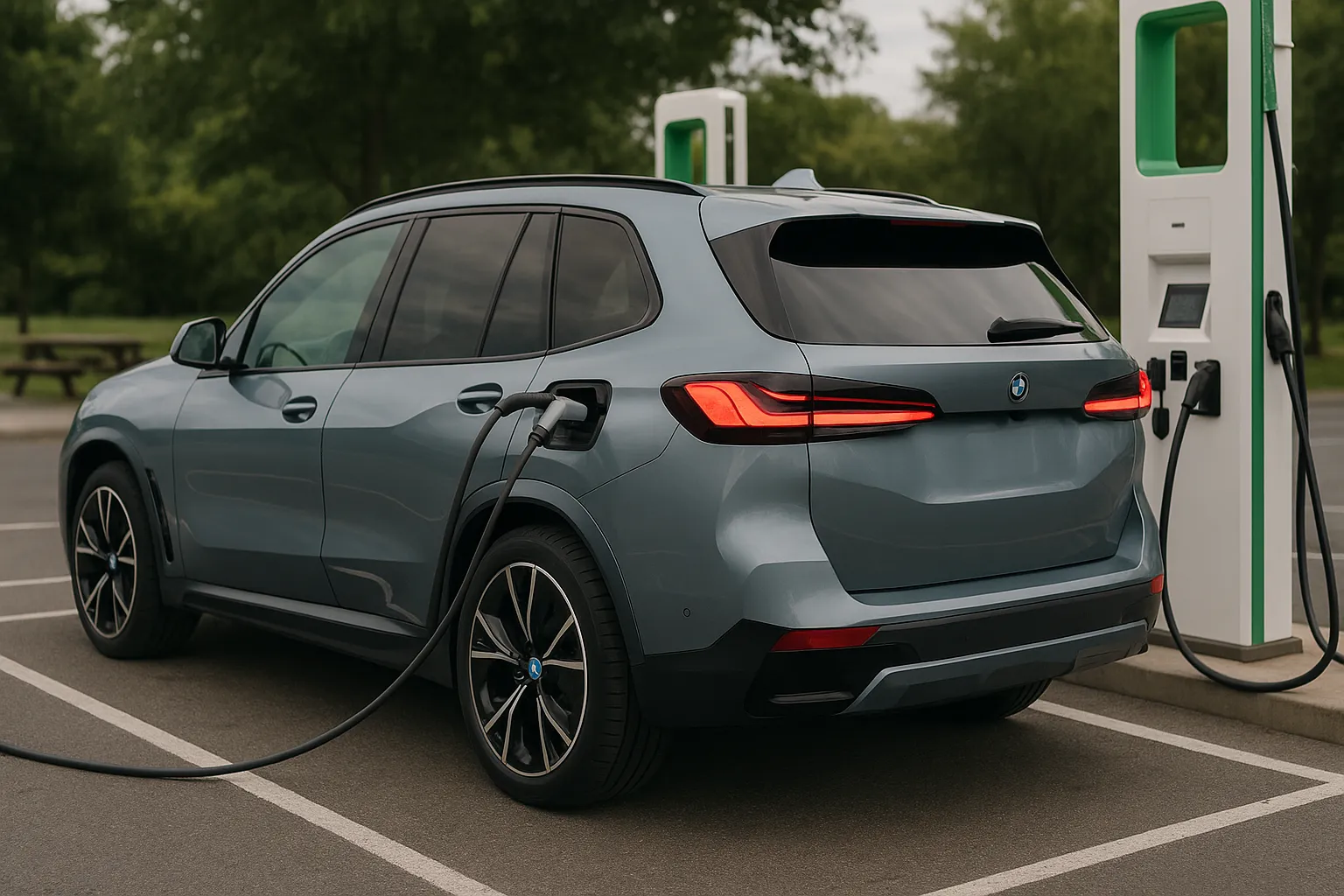
The biggest structural change is the addition of the BMW iX5, a battery-electric version of the X5 family. One identified variant is the iX5 60 xDrive, signaling dual-motor all-wheel drive and positioning it as a serious luxury EV entry rather than a low-volume compliance model.
The iX5 is especially notable because BMW already sells electric SUVs, but not all of them sit directly inside an existing nameplate family. By placing an electric model under the X5 umbrella, BMW gives buyers a simpler choice: stay with the familiar size, status and usability of the X5, but select electric power if it fits their driving and charging needs.
Final market-specific details such as EPA range, battery capacity, charging speed, pricing and standard equipment have not been fully outlined in the available launch information. Those numbers will determine how directly the iX5 competes with vehicles such as the Mercedes-Benz EQE SUV, Audi Q8 e-tron successors, Porsche Macan Electric in some trims, and larger electric luxury crossovers.
For now, the important point is that BMW is no longer treating the X5’s electric future as a separate idea. The iX5 brings EV power into the heart of one of BMW’s best-known models.
Five global powertrain paths
BMW is describing the new X5 family as having five global powertrain categories. Availability will vary by region, but the strategy points to an unusually wide lineup that can include combustion engines, electrified combustion models and zero-emission versions.
That approach reflects the reality of the luxury-SUV market in 2027. EV demand is growing, but charging access, incentives, fuel prices and buyer habits differ sharply between North America, Europe, China and other regions. A single-powertrain strategy would make the X5 simpler to market but risk leaving major customer groups behind.
For buyers, this means the new X5 should offer several ownership profiles. A gasoline version may appeal to drivers who tow, road-trip frequently or lack convenient charging. A plug-in hybrid can suit commuters who charge at home but still want long-distance flexibility. The iX5 gives EV-focused shoppers a familiar BMW SUV without tailpipe emissions. Other global options, including diesel or alternative zero-emission technology depending on market, would allow BMW to meet regional regulations and customer preferences.
The broad strategy also gives BMW a hedge against uncertain regulation. Automakers are investing heavily in EVs, but policy timelines and consumer adoption are not uniform. The 2027 X5 is built around flexibility rather than a one-size-fits-all bet.
Technology becomes a bigger part of the X5 story
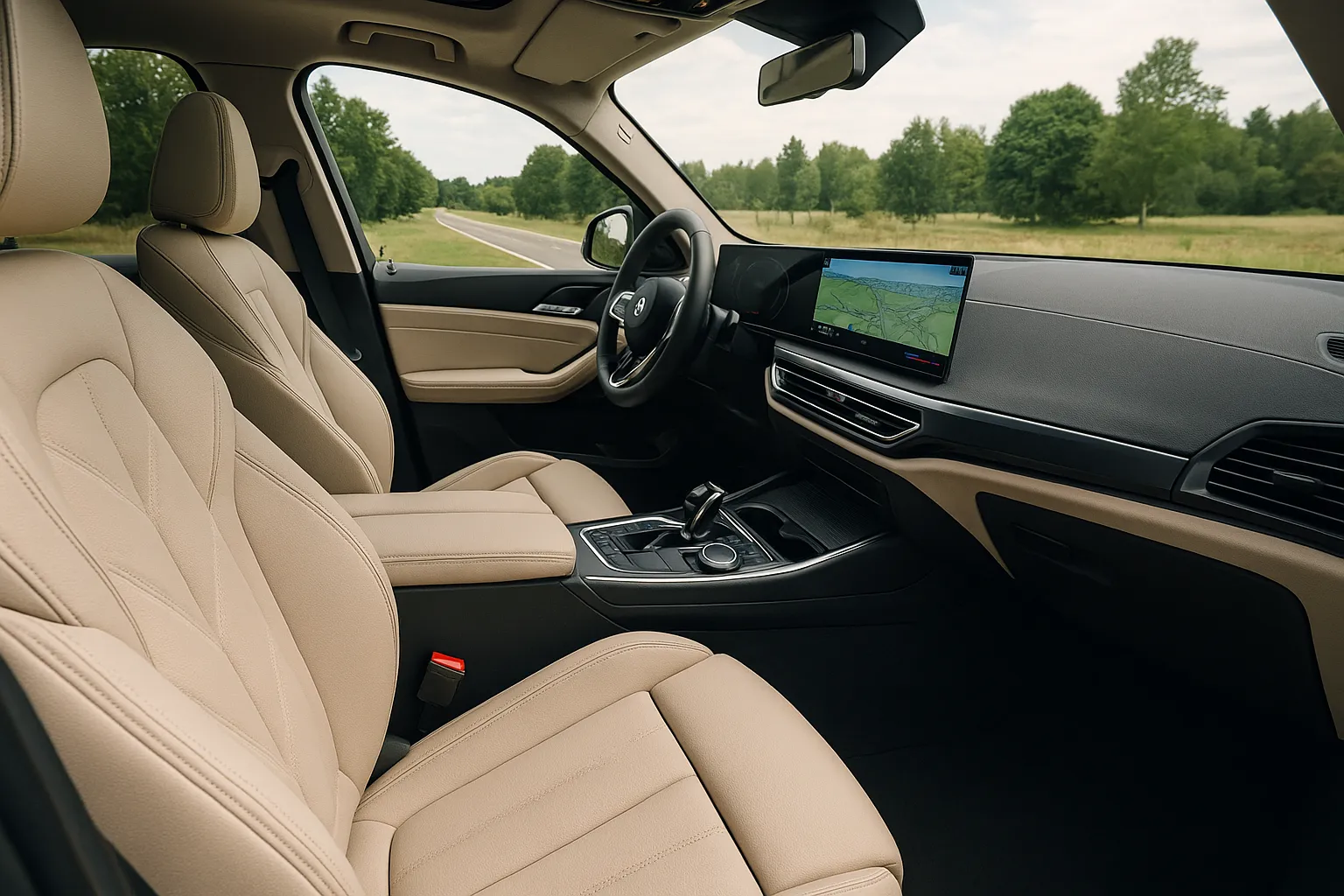
BMW is also loading the new X5 with more technology, which fits the broader direction of the industry. The company’s Neue Klasse-era vehicles emphasize digital interfaces, software features and more advanced driver-assistance systems. While complete trim-by-trim specifications remain pending, buyers should expect the redesigned cabin and control layout to play a larger role in the ownership experience than in earlier X5 generations.
That has both advantages and risks. A more advanced digital cockpit can improve navigation, vehicle settings, driver assistance and EV energy management. It can also create a learning curve for owners who prefer traditional buttons and simpler controls. BMW will need to balance futuristic presentation with everyday usability, especially because the X5 attracts families and high-mileage drivers who value convenience as much as novelty.
For enthusiasts, the concern will be whether the new technology and electrification add capability without diluting the X5’s driving character. The X5 helped define the idea of a premium SUV that could feel genuinely composed on the road. Maintaining that identity across gasoline, hybrid and electric versions will be one of the new model’s biggest tests.
Why it matters
The 2027 BMW X5 is important because it shows how a major luxury automaker plans to move a core product into the next decade. BMW is not replacing the X5 with a single EV-only successor, nor is it treating electrification as a side project. Instead, it is using one of its most important nameplates to offer several technology paths at once.
That should help buyers who are interested in electrification but not ready to compromise on size, brand familiarity or long-distance convenience. It also gives current X5 owners a clearer upgrade path, whether they want a conventional engine, a plug-in hybrid or the new iX5.
More details on pricing, range, output, charging capability, U.S. trims and launch timing will shape the final verdict. But the basic message is already clear: the 2027 X5 is a major reset for BMW’s best-known SUV, combining a bolder design, a more digital cabin and the widest powertrain strategy the model has seen.