2027 Chevrolet Corvette Pricing Pushes the C8 Into 200-MPH Territory
The 2027 Chevrolet Corvette becomes a lower-cost path to a 200-mph production car, but its higher pricing also shows how far the C8 has moved from its original bargain-supercar sticker.
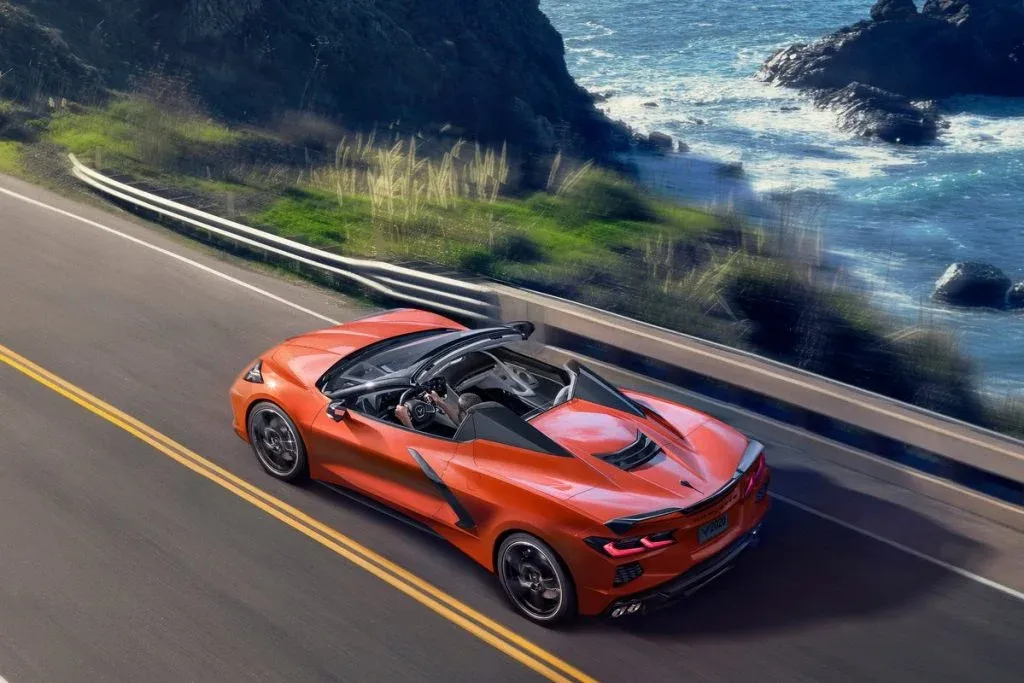
2027 Corvette pricing comes with a bigger performance headline
The 2027 Chevrolet Corvette arrives with a simple message for performance-car shoppers: the C8 is getting more expensive, but it is also pushing into territory that used to be reserved for far pricier machinery. The key figure is 200 mph, a milestone that gives the latest Corvette a stronger claim as one of the most attainable extreme-performance cars on sale.
That does not mean the Corvette is cheap in the everyday sense. The days when a new mid-engine Corvette could be advertised below $60,000 are gone. The C8 generation launched with an attention-grabbing price that made its exotic layout feel almost implausibly accessible. Since then, higher material costs, stronger demand, added equipment, and the continued expansion of the Corvette lineup have moved the car upmarket.
For 2027, the important change is that the price increase is paired with a notable performance bump. The Corvette is no longer just a value story because it has a mid-engine layout and a V-8. It now has a top-speed credential that puts it in a much smaller club.
Why 200 mph still matters
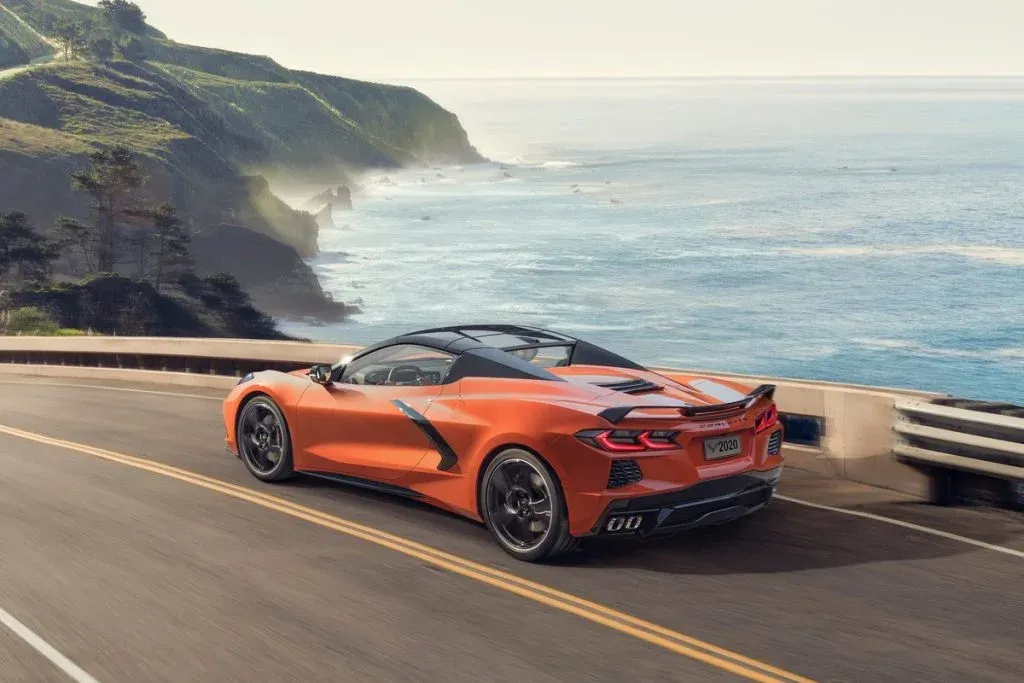
In normal driving, 200 mph is irrelevant. No public road in the United States allows anything close to that speed, and very few owners will ever experience it even on a closed course. But in the performance-car world, top speed remains a useful shorthand for engineering depth. A 200-mph car needs more than horsepower. It requires high-speed stability, appropriate gearing, careful aerodynamic management, adequate cooling, and tires rated for the job.
That is why the number matters even if buyers never use it. A car capable of safely reaching that speed has been developed with a wide performance envelope. For enthusiasts, it also places the Corvette in conversation with cars that often cost far more, including European sports cars and supercars that have long used 200 mph as a prestige marker.
The Corvette has always traded on that contrast. It offers serious performance without the brand tax or ownership mystique attached to many exotic alternatives. The 2027 model strengthens that formula, even as its own price moves higher.
The value equation has changed, not disappeared
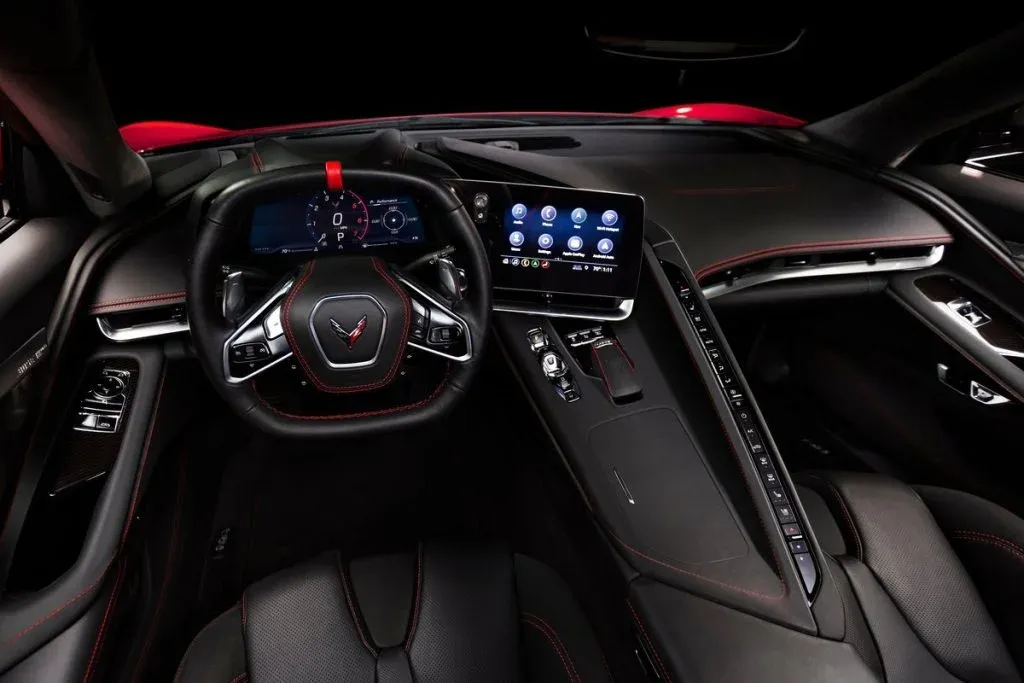
The C8 Corvette’s original sub-$60,000 starting price was one of the defining facts of its launch. It made the switch to a mid-engine platform feel like a dramatic escalation without abandoning the model’s traditional value mission. Several years later, that early price is more historical reference point than buying reality.
That shift will be frustrating for shoppers who remember the launch pricing. A higher entry point changes loan payments, insurance expectations, and the overall cost of ownership. It also narrows the gap between a Corvette and other premium performance cars, especially once options, performance packages, wheels, paint, interior upgrades, and destination charges are included.
Still, the Corvette’s value case has not vanished. Instead, it has moved from “shockingly inexpensive mid-engine sports car” to “comparatively attainable 200-mph performance car.” That is a different pitch, but it remains meaningful. Very few new cars can claim this performance level at anything close to Corvette money.
For buyers, the question becomes less about whether the Corvette is inexpensive and more about whether its capability justifies the higher price. For many enthusiasts, the answer may still be yes.
What buyers should consider before chasing the number
A 200-mph top-speed claim is exciting, but it should not be the only factor in choosing a Corvette. Trim, tire choice, performance equipment, ride quality, and intended use all matter more day to day.
A buyer planning mostly street driving may be better served by a well-equipped lower trim than by chasing every performance option. On the other hand, drivers who intend to use the car for track days should pay close attention to cooling, brakes, seats, tires, and warranty conditions for high-performance driving. The cost of consumables can be substantial. High-speed-capable tires are not cheap, brake components can wear quickly under track use, and insurance rates for a high-output sports car can vary widely depending on location and driver profile.
There is also the question of options discipline. Corvettes have a long history of attractive base pricing followed by tempting upgrades. A car that starts as a relatively attainable performance purchase can become much more expensive once premium interiors, appearance packages, performance hardware, and convertible bodywork enter the build sheet.
The smartest approach is to decide what the car will actually be used for. A weekend road car, a daily driver, a collector-spec garage piece, and a track-focused build all point to different configurations.
The Corvette’s position in the market
The 2027 pricing also says something broader about the sports-car market. High-performance internal-combustion cars are not getting cheaper to develop or build. Safety rules, emissions requirements, advanced electronics, supply-chain costs, and customer expectations have all pushed prices upward. At the same time, electrification is reshaping the performance conversation, with instant torque and huge power figures becoming common in expensive EVs.
Against that backdrop, the Corvette remains unusual. It is a front-line American sports car with a naturally aspirated V-8 in some forms, a mid-engine chassis, and performance that competes well above its price band. Chevrolet has also turned the C8 into a broader family rather than a single model, with variants aimed at different kinds of buyers.
That strategy helps explain the pricing climb. The Corvette is no longer merely a traditional sports car with a loyal following. It is now a performance platform spanning grand touring, track use, hybrid-assisted all-weather speed, and extreme-output halo models. The base car has to sit within that larger hierarchy while still delivering enough performance to remain credible.
What it means for enthusiasts
For enthusiasts, the 2027 Corvette is both good news and a reminder of market reality. The good news is obvious: Chevrolet continues to develop the C8 rather than letting it coast. More performance, stronger top-speed capability, and continued investment in the platform are all positive signs for fans of accessible sports cars.
The less welcome part is that accessibility keeps getting redefined. A Corvette that once shocked the market with a price below $60,000 now occupies a higher bracket. Used C8 models may become increasingly attractive to buyers who want the mid-engine experience without paying the latest new-car prices, while new-car shoppers will need to weigh the 2027 model’s performance gains against the extra cost.
The larger point is that the Corvette still occupies a rare space. It is more expensive than it used to be, but it remains one of the few cars that can bring genuine supercar-level performance within reach of a much wider audience. For 2027, the 200-mph figure gives that argument a fresh benchmark.