2027 Dodge Charger Super Bee Returns With 600-HP Sixpack Power
Dodge is bringing back the Super Bee badge for the 2027 Charger with a 600-hp twin-turbo Sixpack engine, bigger brakes, upgraded cooling, and a clear performance mission—without a V-8.
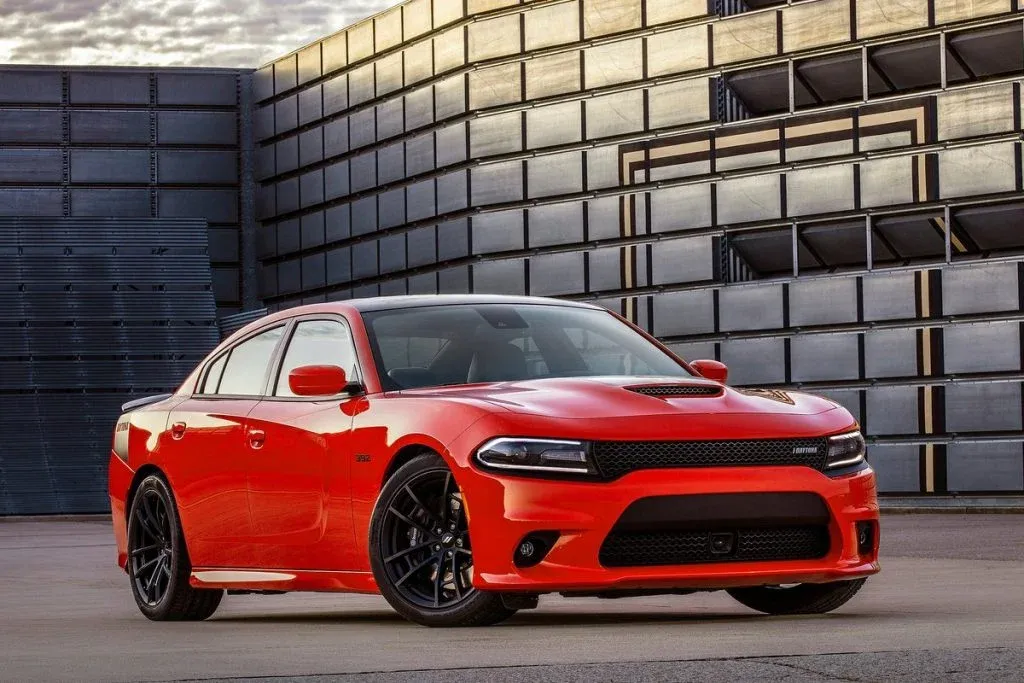
Dodge is reviving one of its better-known muscle-car badges for a very different era. The 2027 Dodge Charger Super Bee Launch Edition arrives with 600 horsepower, a twin-turbocharged Sixpack engine, larger turbochargers, stronger braking hardware, and additional cooling aimed at making it the most aggressive gasoline-powered version of the latest Charger lineup so far.
The headline detail is also the cultural shift: this Super Bee does not use a V-8. Instead, Dodge is leaning on its high-output turbocharged six-cylinder strategy to carry a nameplate historically associated with big-displacement American performance. For some buyers, that will be the entire debate. For others, the more important point is that Dodge is still building a gas-powered Charger with a clear straight-line and street-performance focus.
A Super Bee for the post-Hemi Charger era
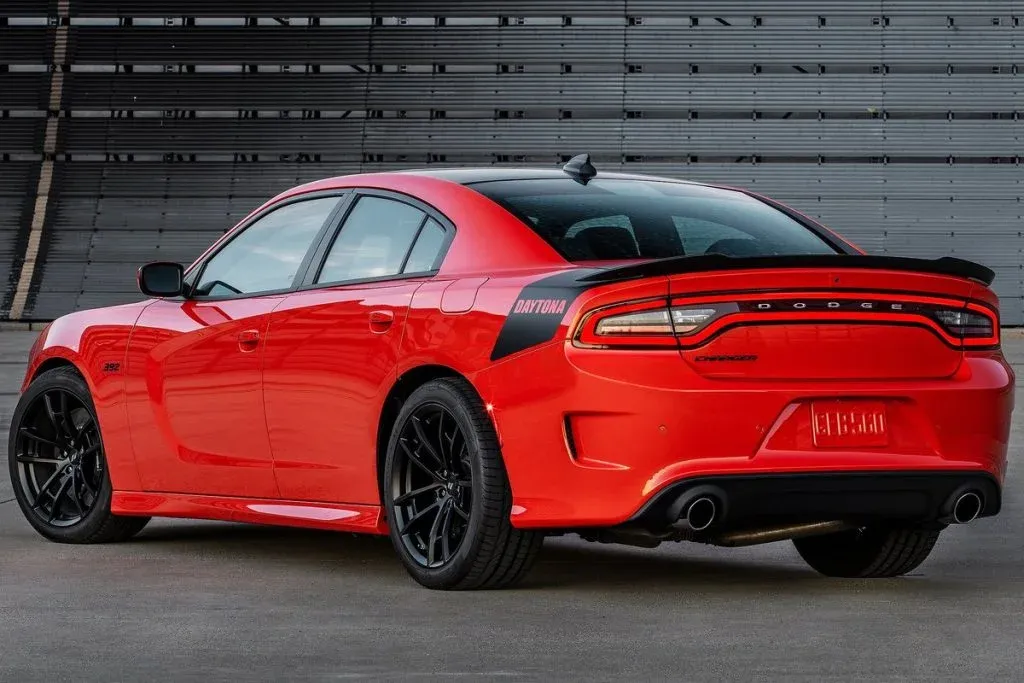
The Super Bee name has long been tied to Dodge’s budget-minded performance identity. It has typically meant bold graphics, high output, and a more purposeful personality than a standard trim. The 2027 version follows that formula in spirit, but the hardware reflects the new Charger generation rather than the old Challenger-and-Charger world of Hemi V-8s.
Dodge calls this version the fastest and most powerful Sixpack Charger yet. The Sixpack branding is attached to the internal-combustion Charger models that use a twin-turbocharged inline-six instead of the battery-electric Daytona powertrain. In Super Bee form, output rises to 600 hp, which is 100 hp more than the previous-generation Super Bee.
That number matters because it places the new car well beyond traditional “entry muscle” territory. A 600-hp Charger is no longer simply a nostalgia play; it is meant to be a serious performance model in a market where internal-combustion cars are under pressure from emissions rules, electrification, and buyers who increasingly expect high power without sacrificing everyday usability.
Bigger turbos, bigger brakes, better cooling
The Super Bee is not just a graphics package with a power bump. Dodge has fitted larger turbochargers, which are central to reaching the 600-hp rating. The company has also upgraded the brakes and cooling system, two areas that become more important as modern muscle cars are asked to do more than make one impressive launch.
Bigger brakes suggest Dodge expects owners to drive the car hard, not just talk about horsepower. Added cooling is equally important. Turbocharged engines generate substantial heat, and sustained high-output driving can expose weaknesses quickly. Improved cooling should help the Super Bee maintain performance more consistently, whether the car is being used on hot days, on a drag strip, or during aggressive back-road driving.
Dodge has also positioned the Super Bee as a quick quarter-mile car, although the initial information does not provide a specific elapsed time here. That leaves an important number still to be confirmed for shoppers who compare performance cars by drag-strip data. Still, the combination of 600 hp, all the associated supporting hardware, and the Charger’s performance positioning makes clear what Dodge is targeting.
Why the lack of a V-8 matters
The absence of a V-8 will be the most divisive part of the 2027 Charger Super Bee. Dodge spent decades cultivating a brand image around Hemi engines, supercharged V-8 theatrics, and old-school muscle-car attitude. Moving a heritage badge like Super Bee to a turbo six-cylinder car is more than a technical change; it is a brand reset.
For enthusiasts, the question will be whether the new powertrain delivers enough character. Horsepower alone is not the whole muscle-car experience. Sound, throttle response, launch behavior, and the way the car feels at normal road speeds all shape whether buyers accept the new formula. A twin-turbo inline-six can be extremely effective, but it will not replicate the personality of a naturally aspirated or supercharged V-8.
For Dodge, the tradeoff is obvious. A modern turbocharged six can deliver big power while fitting a product strategy that is more adaptable to today’s regulatory and market realities. It also lets Dodge keep selling a combustion Charger alongside electrified models, giving buyers a choice rather than forcing the entire lineup into one powertrain identity.
What it means for buyers
For shoppers, the 2027 Charger Super Bee Launch Edition appears aimed at buyers who want the most serious gasoline Charger available without waiting for an even more extreme variant. It should appeal to drivers who value performance hardware, heritage styling, and a more exclusive model identity.
The practical questions are still important. Pricing, production volume, standard equipment, tire specifications, fuel economy, and final performance figures will determine how compelling the Super Bee is against other high-performance coupes and sedans. If the Launch Edition is priced too close to more powerful or more specialized alternatives, buyers may scrutinize the lack of a V-8 more closely. If Dodge keeps the package focused and attainable by performance-car standards, the Super Bee badge could again serve as a value-minded enthusiast choice.
Owners of previous Hemi Chargers and Challengers will likely view this car through a different lens. Some may see it as a worthy successor because it keeps the Dodge muscle formula alive with 600 hp and aggressive hardware. Others will regard it as a fundamentally different kind of car. Both reactions are understandable, and Dodge appears to be betting that performance results will matter more than cylinder count for enough buyers.
A signal for the muscle-car market
The 2027 Dodge Charger Super Bee also says something broader about where the American performance car is heading. The old formula of ever-larger V-8s is no longer the only path to high output. Turbocharging, electrification, and hybridization are reshaping what performance badges mean.
Dodge’s challenge is unusually difficult because its recent identity was built so heavily on engine personality. The company is not merely launching a new trim; it is asking its core audience to accept a new definition of muscle. The Super Bee name gives that effort a familiar hook, while the 600-hp rating gives it credibility on paper.
Whether the car fully succeeds will depend on the details still to come and, ultimately, how it drives. But the direction is clear: Dodge is not retiring its performance heritage. It is rewriting it around new hardware, and the 2027 Charger Super Bee is one of the most important tests of that strategy yet.