McLaren Teases a Manual Supercar With M6GT-Inspired Design
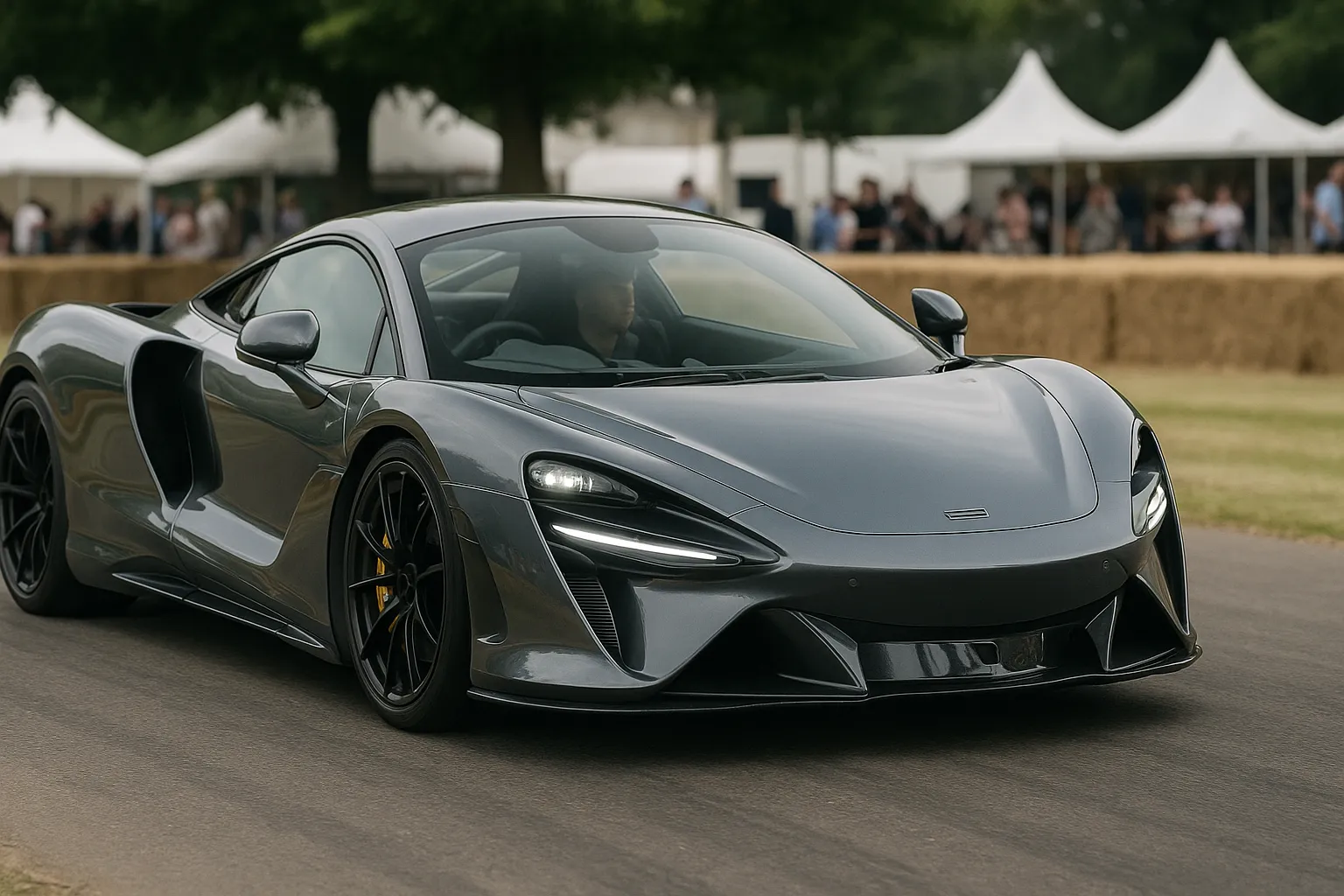
McLaren is previewing a special new supercar that appears to draw from Bruce McLaren’s unfinished M6GT road-car project and could bring a manual gearbox back to the brand for the first time since the F1.
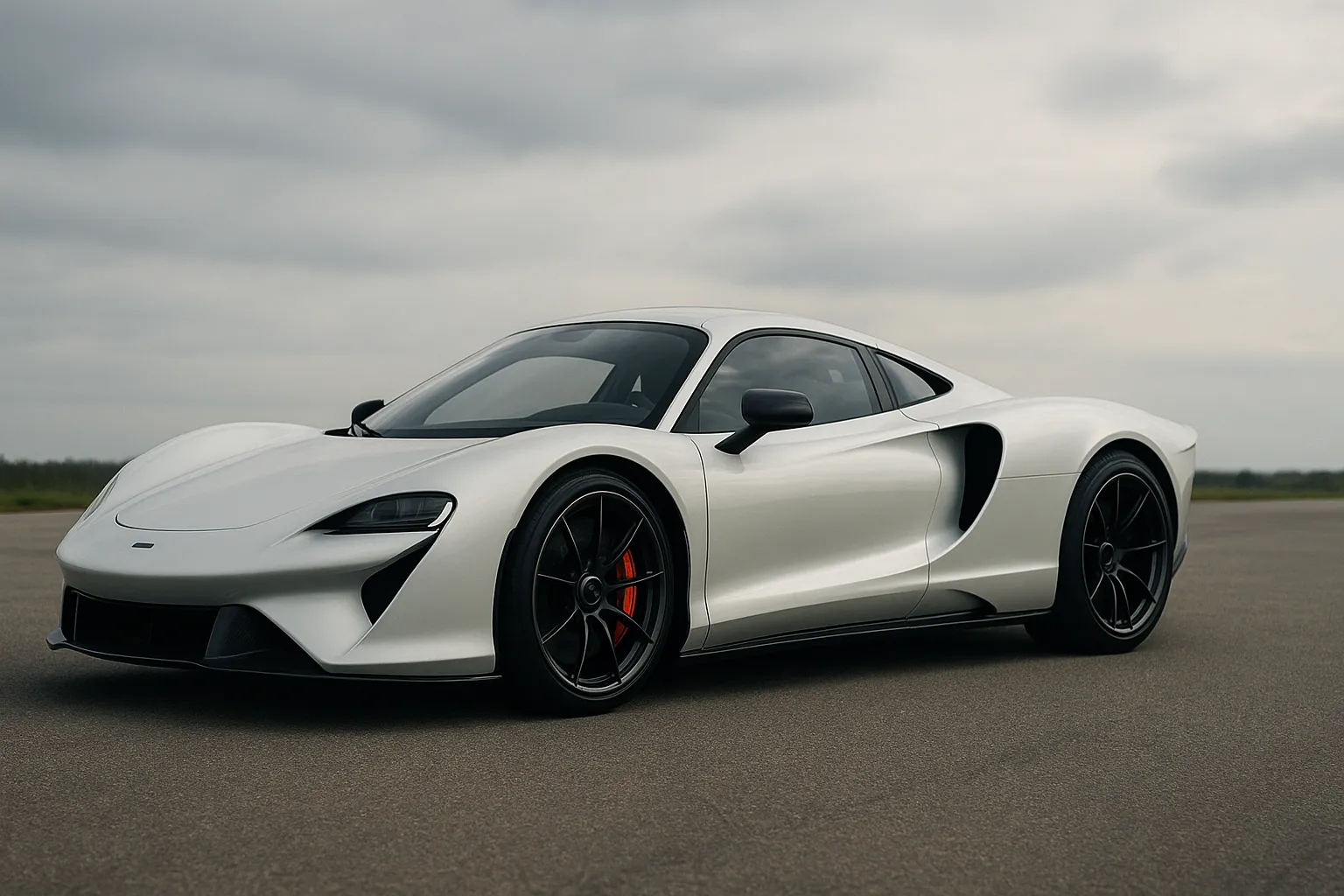
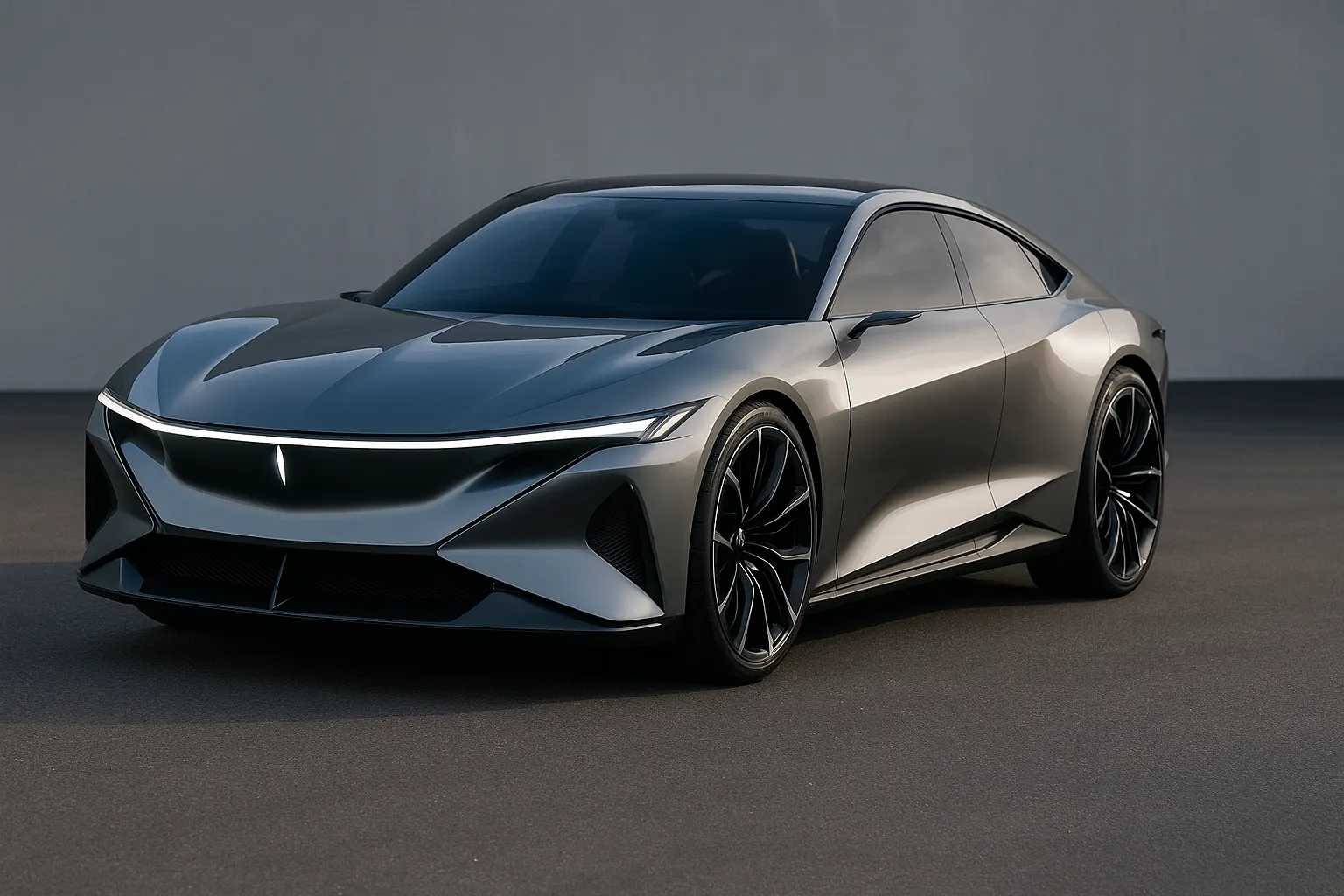
McLaren is preparing another special supercar, and the early signals point to something unusual for the modern brand: a manual transmission. The company has begun teasing a new model that appears to take visual and philosophical inspiration from the McLaren M6GT, the road-car project founder Bruce McLaren started but never completed.
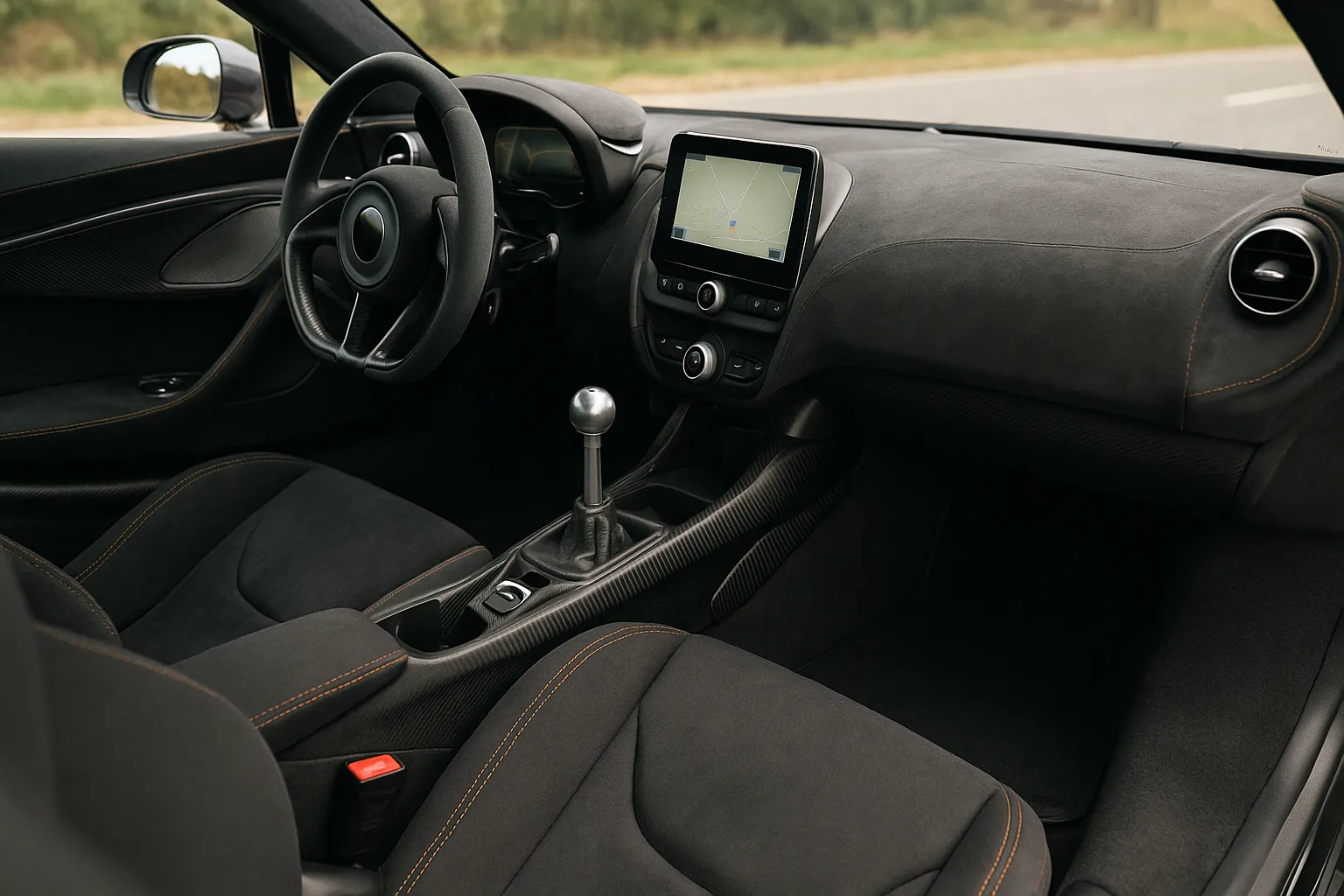
If the car reaches production with a clutch pedal and an H-pattern shifter, it would mark a major departure from McLaren’s modern road-car formula. Since the launch of McLaren Automotive’s MP4-12C era, the company’s series-production supercars have relied on fast-shifting dual-clutch automatic gearboxes. The last McLaren road car widely associated with a conventional manual gearbox was the 1990s F1, one of the most celebrated analog supercars ever built.
A modern McLaren with an old-school priority
The new car has not been fully revealed, and McLaren has not confirmed final specifications, production numbers, pricing, or launch timing. It has been rumored under a project-style name, but the badge remains uncertain until the company formally introduces the vehicle.
What is clearer is the direction. Recent activity around the M6GT, including renewed attention on the original concept, has set the stage for a car that looks back to one of McLaren’s earliest road-car ambitions rather than simply chasing another lap-time headline. The teaser material suggests a low, compact, sharply profiled supercar with historic cues rather than a mainstream replacement for an existing model.
That distinction matters. McLaren already sells extremely quick, highly technical cars, and its recent portfolio has included hybrids such as the Artura and the flagship W1. A manual special would likely serve a different purpose: giving collectors and committed drivers a more tactile, mechanically involving car in an era when most high-end performance vehicles are optimized around software, hybrid systems, launch control, and automated shift strategies.
Why the M6GT reference is important
The M6GT is not as widely known as the F1, P1, or Senna, but it carries deep meaning inside McLaren history. Bruce McLaren envisioned it as a road-going machine derived from the company’s racing knowledge, with the look and proportions of a competition car adapted for street use. The project was cut short after Bruce McLaren’s death in 1970, leaving the M6GT as one of the great unfinished ideas in the company’s story.
That makes it a potent source of inspiration. A modern M6GT-influenced car would not need to be a retro replica to make the connection work. The key ideas are more important than a literal design copy: low weight, compact proportions, a strong connection to motorsport, and a driving experience shaped around the person behind the wheel.
For enthusiasts, that is the interesting part. A manual gearbox is not the fastest solution for a modern supercar. Dual-clutch units shift more quickly and more consistently, and they are better suited to hybrid integration and emissions calibration. Choosing a manual today is therefore a deliberate statement. It suggests McLaren may be prioritizing engagement, rarity, and emotional appeal over the final tenths of acceleration performance.
The first manual McLaren road car in decades?
McLaren’s F1 used a six-speed manual and placed the driver in a central seating position, creating one of the most distinctive cockpit layouts in automotive history. The upcoming car is not expected to simply recreate the F1, and there is no confirmed information suggesting it will use the same three-seat arrangement. Still, the gearbox connection alone would put the new model in rare territory.
Modern McLaren road cars have generally followed a clear technical template: carbon-fiber structure, mid-mounted engine, aerodynamic efficiency, and dual-clutch transmissions. That approach helped establish McLaren as a serious rival to Ferrari, Lamborghini, and Porsche in the modern supercar market. It also made sense commercially and technically, because customers in this segment often expect extreme performance with everyday drivability.
A manual special would sit outside that normal rhythm. It could appeal to buyers who already own faster or more advanced cars but want something that feels more personal. It would also give McLaren a talking point at a time when limited-run, heritage-inspired performance cars remain highly desirable among collectors.
What buyers should watch for
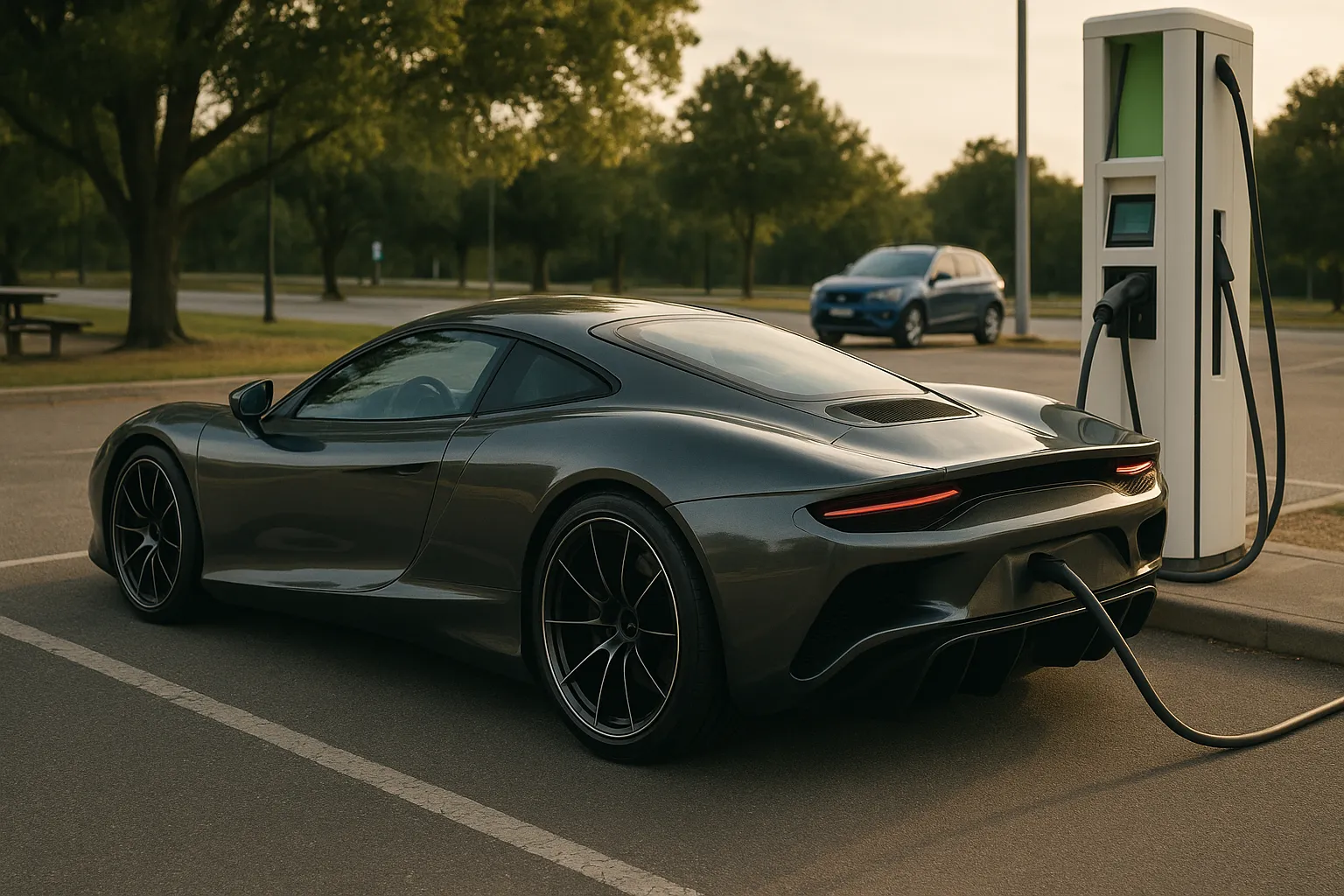
Until McLaren releases the full car, several key questions remain unanswered. The biggest is whether the manual gearbox is confirmed for production or remains part of a teaser narrative. The second is what powertrain McLaren will use. A non-hybrid V-6 or V-8 would make the most sense for a pure manual layout, but no technical details have been announced. A hybrid manual would be far more complex, though not impossible in theory.
Production volume will also be important. If this is a limited special, availability could be extremely restricted, and allocations may favor established McLaren clients. Pricing is likely to reflect that exclusivity, especially if the car uses bespoke bodywork, unique interior components, or a low-volume transmission setup.
For owners, serviceability and long-term parts support will matter too. Manual gearboxes can be durable, but a one-off or low-volume system in a modern supercar may require specialized components. That will not deter collectors, but it is part of the ownership equation.
Why it matters beyond McLaren
The potential return of a manual McLaren says something broader about the high-performance market. The supercar world is becoming more electrified, more automated, and more data-driven. Those trends bring huge benefits: faster acceleration, tighter emissions control, improved efficiency, and more accessible performance. But they also leave room for a countertrend.
A small group of customers still wants cars that demand more skill and attention. Porsche has kept manuals alive in select 911 variants. Gordon Murray Automotive has made driver involvement central to its modern supercars. Several boutique manufacturers have leaned into analog controls as a point of differentiation. McLaren entering that space again would validate the idea that emotional engagement can be as valuable as outright speed.
For the industry, this kind of car is unlikely to change mainstream product planning. Manual transmissions will not return to volume luxury cars in any meaningful way. But at the top end of the market, rarity and character matter, and a manual gearbox can become a defining feature rather than a compromise.
A heritage play with real stakes
McLaren has used heritage names and historical references before, but the M6GT connection feels especially fitting because it points to an ambition that predates the company’s modern road-car division. Bruce McLaren wanted to translate racing thinking into a usable road machine. A modern manual supercar inspired by that idea would be a clean way to link past and present without simply reissuing an old design.
The challenge will be execution. If the car is too heavy, too insulated, or too focused on collector value, the manual gearbox could feel like a novelty. If McLaren keeps it light, responsive, and genuinely driver-focused, it could become one of the brand’s most memorable modern specials.
For now, the teaser raises expectations rather than answering questions. But even the possibility of a new manual McLaren is significant. In a segment increasingly defined by electrification and automation, McLaren appears ready to remind buyers that the most meaningful performance cars are not always the ones that shift fastest.