2027 Ram 1500 Lineup Expands With Seven Engine Choices
Ram’s 2027 1500 range is broadening beyond specialty models, with seven engine choices planned across the half-ton pickup lineup and a 777-hp TRX SRT at the performance end.
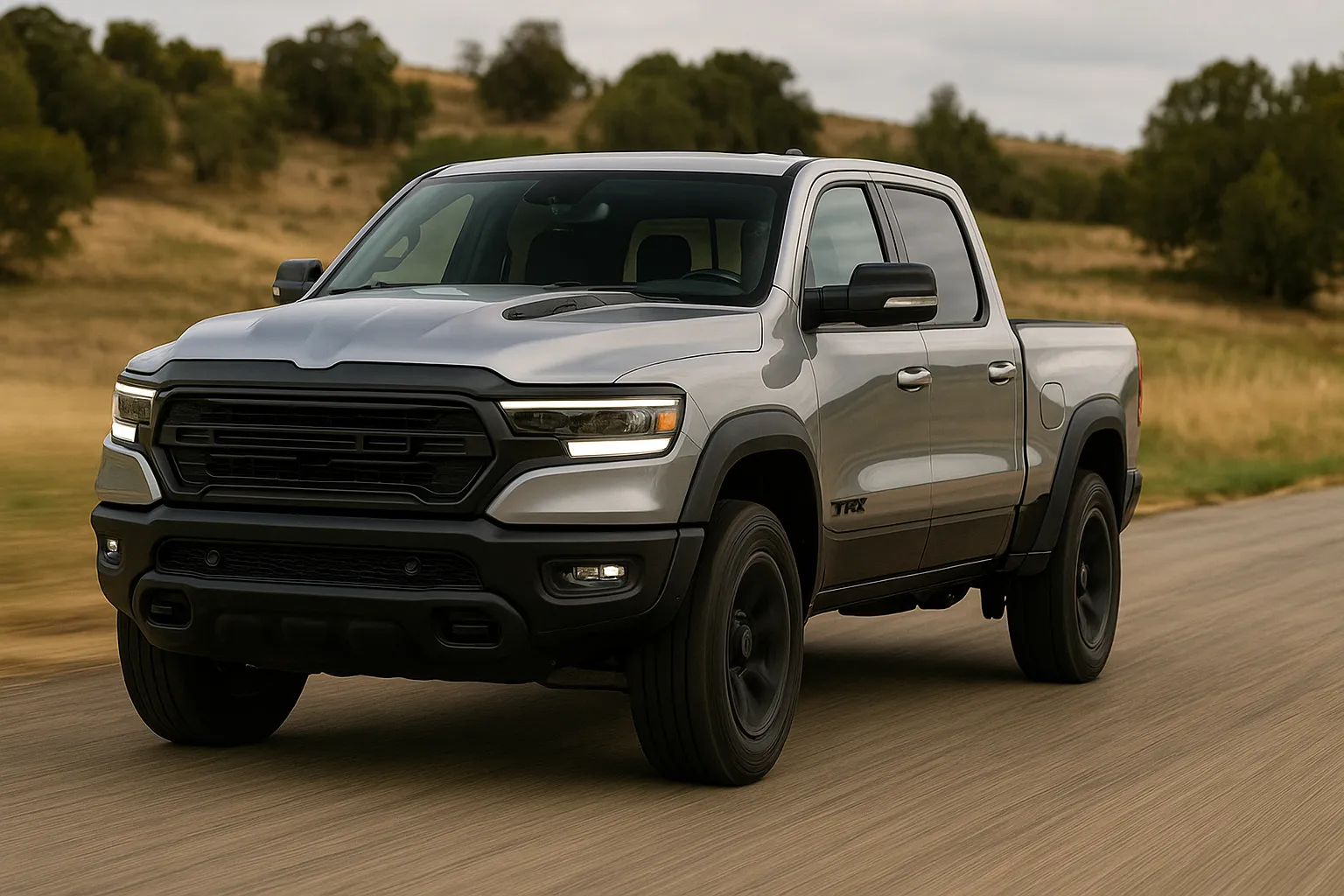
Ram is expanding the 2027 Ram 1500 lineup with a broader powertrain strategy, giving its half-ton pickup seven engine choices across the range. The move comes as Ram continues to roll out the 2027 truck family in stages, starting with attention-grabbing specialty models before turning toward the versions that will matter most to everyday truck buyers.
The 2027 rollout has already included the Rumble Bee range, a street-truck-themed branch of the 1500 family, followed by order availability for the TRX SRT. That model sits at the extreme end of the lineup with 777 horsepower, making it the clear halo truck of the family rather than the likely volume seller. The bigger commercial and consumer story is what happens below those specialty models: Ram is widening the powertrain menu for the core 1500 lineup, which is where most retail customers, fleets, and towing-focused owners will shop.
A broader answer to a competitive truck market
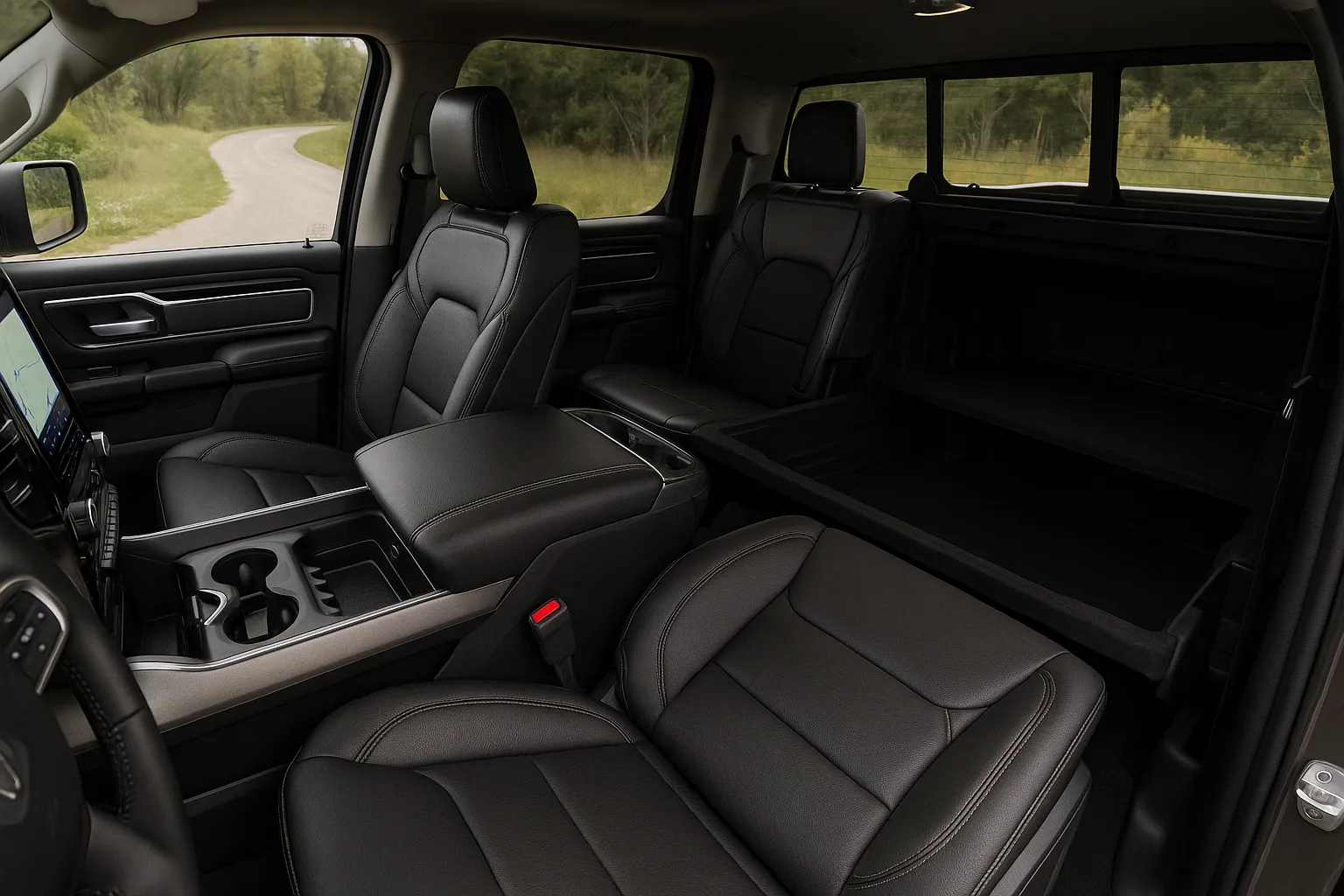
Half-ton pickups are among the most fiercely contested vehicles in North America. Buyers expect everything at once: towing ability, daily-driver comfort, fuel economy, off-road hardware, technology, and enough trim variety to cover work trucks, family haulers, luxury trucks, and performance models. Engine choice remains central to that equation.
By moving to seven engine choices for the 2027 1500, Ram is signaling that it does not want a one-size-fits-all strategy. A broader powertrain lineup lets the brand serve buyers who prioritize different things. Some shoppers want a lower-cost truck with straightforward capability. Others are willing to pay more for torque, towing confidence, premium refinement, or high-output performance. Enthusiasts may focus on the TRX SRT and Rumble Bee models, but the expanded engine count could be just as important for buyers choosing a work-ready or family-oriented truck.
This also gives Ram a stronger showroom response to rivals that already lean heavily on wide powertrain menus. Chevrolet Silverado, GMC Sierra, Ford F-150, and Toyota Tundra buyers are used to comparing engines, axle ratios, tow ratings, trim packages, and fuel-economy estimates before making a decision. Ram’s expanded lineup gives dealers more configurations to put in front of shoppers who might otherwise leave for a competing truck because a specific performance, towing, or budget target was not met.
The halo trucks are only part of the picture
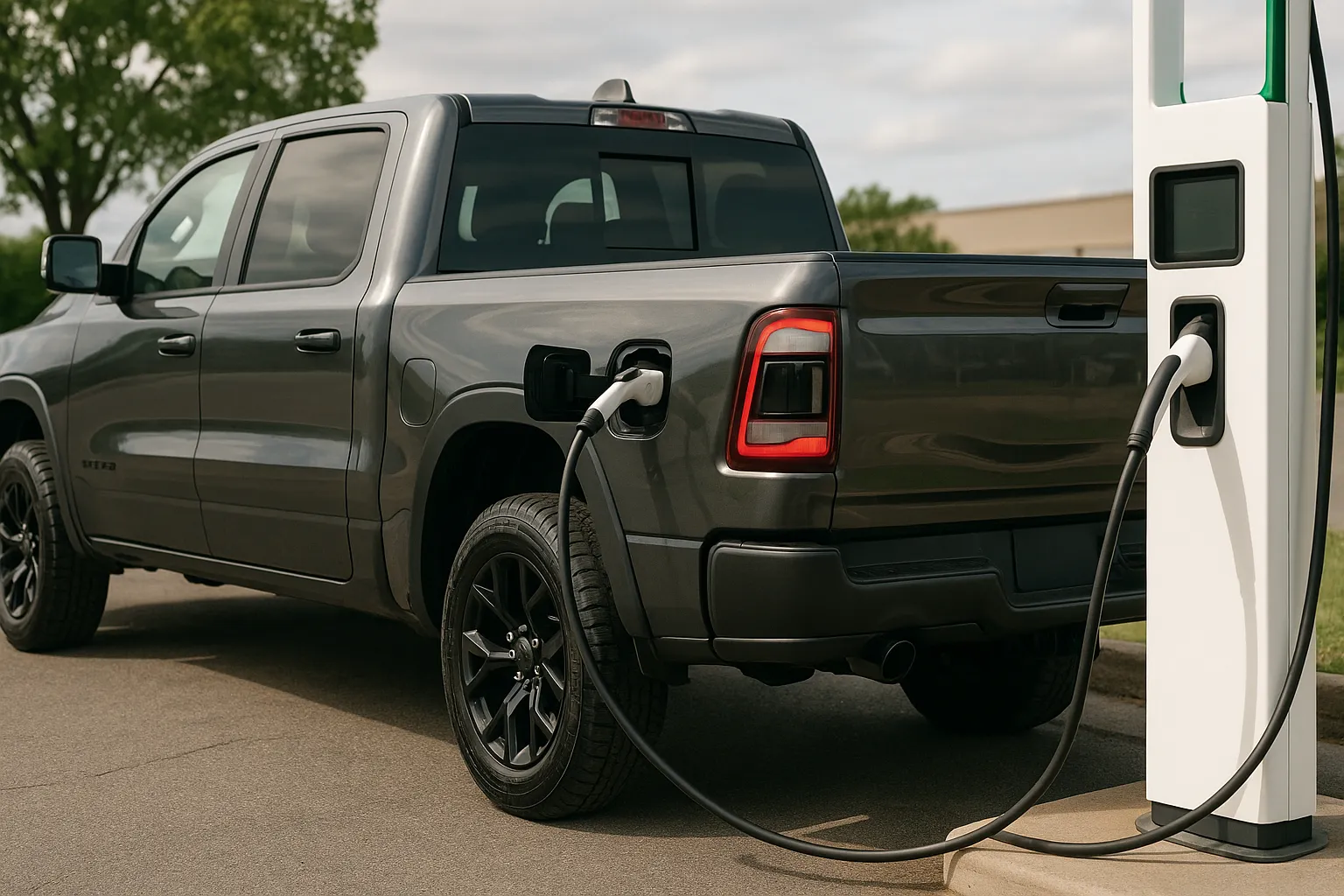
The Rumble Bee and TRX SRT help create buzz, but they are not the whole strategy. Specialty trucks play an important role in shaping a brand’s image. They draw enthusiasts, generate attention, and give loyal customers something aspirational to follow. The 777-hp TRX SRT, in particular, places Ram back into high-performance pickup territory with a figure that will stand out in any comparison.
Still, most 1500 buyers are not shopping for a 777-hp truck. They are looking for a pickup that can tow a camper, carry tools, handle commuting, survive winter, and fit a monthly payment. That is why the seven-engine lineup matters. It suggests Ram is investing in breadth, not just headline power.
For owners, this could translate into more precise matching between truck and job. A buyer who mostly commutes and occasionally hauls may not need the same engine as someone towing near the upper end of the half-ton class. A fleet buyer may prioritize acquisition cost and operating expense. A luxury-trim customer may care more about smoothness and effortless acceleration. A performance buyer may want the most powerful version available. The more distinct the powertrain choices are, the easier it becomes for Ram to cover those use cases without forcing shoppers into compromises.
What shoppers still need to verify
The expanded engine count is important, but buyers should wait for final ordering details before assuming every engine will be available with every trim or cab-and-bed combination. Pickup lineups are usually more complicated than a simple engine list. Availability can depend on trim level, drivetrain, axle ratio, package selection, emissions requirements, and production timing.
Pricing will also be critical. More engine choices are only useful if the step-up costs make sense. A lower-output or efficiency-focused engine may appeal to budget-conscious buyers, while a high-output option may be worth the premium for towing or performance. But the value equation depends on the full package: purchase price, fuel economy, maintenance expectations, payload, towing rating, resale value, and insurance costs.
EPA fuel-economy estimates, tow ratings, payload ratings, and configuration-specific specifications will be especially important once the 2027 1500 order guides are fully detailed. In modern pickups, the same engine can produce different real-world results depending on cab size, bed length, four-wheel drive, tire package, and final drive ratio. Buyers should compare the exact configuration they plan to purchase rather than relying only on broad engine descriptions.
Why the engine count matters to owners
For current Ram owners, the 2027 lineup could make upgrading easier. A wider range of engines may allow owners to stay with the brand while moving into a truck that better fits their current needs. Someone who bought a truck for commuting may now need more towing ability. A former heavy-duty buyer may be able to downsize if a half-ton configuration meets the job. An enthusiast may be drawn to the Rumble Bee or TRX SRT, while a long-distance driver may look for the most efficient setup.
The expanded lineup may also help Ram protect loyalty at a time when truck buyers are highly informed and less willing to accept limited choices. Many shoppers compare multiple brands online before ever visiting a dealer. If Ram can offer a wide spread of capability and performance, it gives those customers fewer reasons to exclude the 1500 early in the shopping process.
Industry significance
Ram’s 2027 strategy reflects a larger industry tension. Automakers are being pushed toward efficiency and lower emissions while truck buyers continue to demand power, towing capacity, and specialized trims. Offering more engines is one way to manage that tension. Instead of making one powertrain satisfy every buyer, Ram can spread its lineup across different priorities.
That approach can be expensive for an automaker because every engine brings complexity in manufacturing, certification, parts supply, training, and dealer inventory. But in the pickup segment, variety often sells. Truck customers are accustomed to tailoring their vehicles, and the engine is one of the most important choices in that process.
The 2027 Ram 1500 will therefore be judged not only by the number of engines it offers, but by how clearly those engines are positioned. If Ram can make the lineup easy to understand and price the choices logically, the expanded range could strengthen the truck’s appeal against the newest competitors. If the combinations become confusing or limited to narrow trims, the benefit may be less obvious.
For now, the key takeaway is straightforward: Ram is broadening the 2027 1500 family beyond the specialty trucks that opened the rollout. With seven engine choices and a 777-hp TRX SRT at the top, the lineup is being shaped to cover a wider span of truck buyers, from mainstream owners to performance-focused enthusiasts.