2027 Volkswagen Atlas Redesign Brings a More Upscale Three-Row SUV—and Higher Prices
Volkswagen’s second-generation Atlas is set to arrive for 2027 with new styling, a richer cabin, updated technology, and a higher price point as the family SUV segment keeps moving upscale.
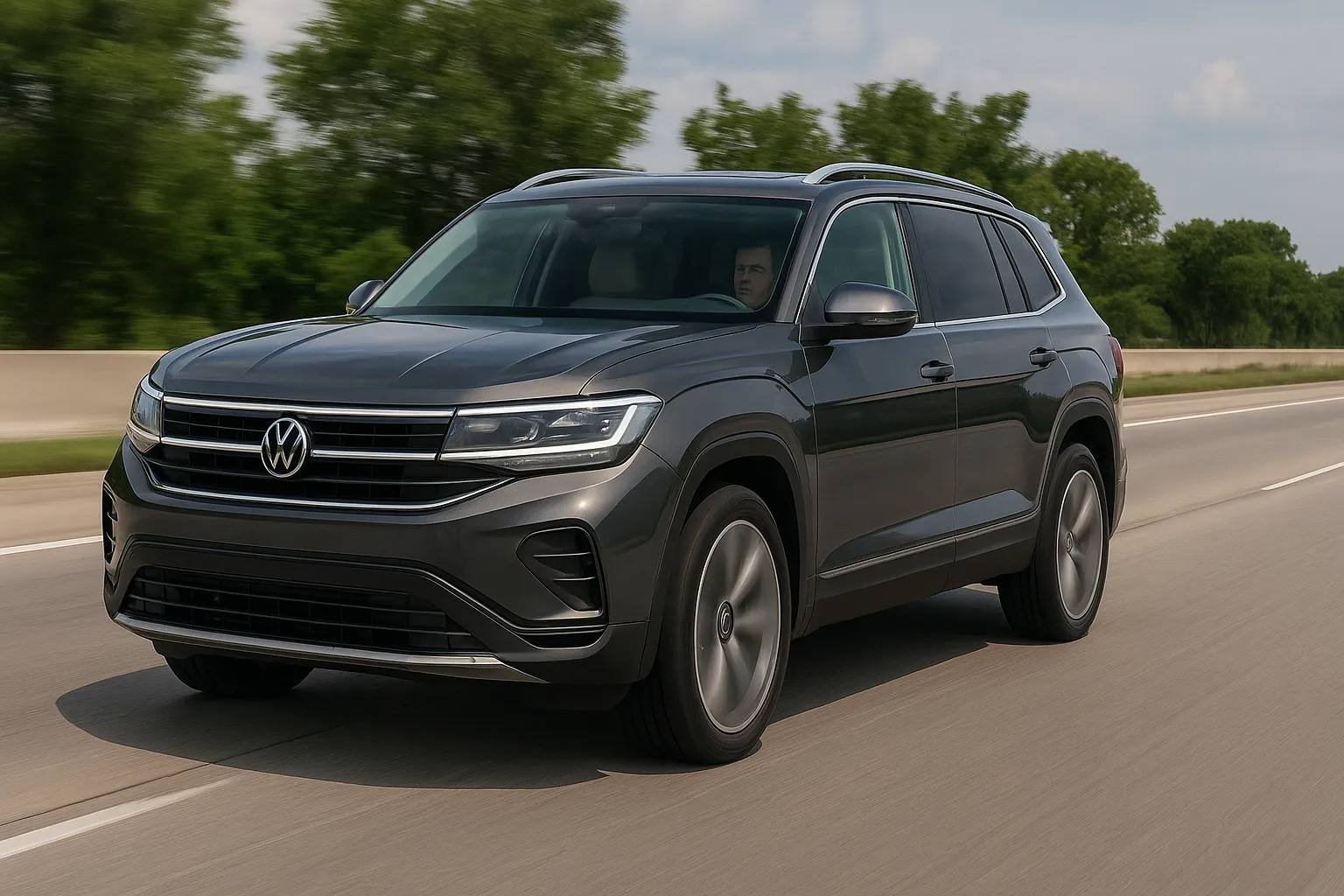
Volkswagen’s biggest family SUV is entering a new generation. The 2027 Volkswagen Atlas is being redesigned with fresh exterior styling, a more upscale interior, updated technology, and higher pricing, marking the most substantial change for the nameplate since it arrived in the U.S. market.
The Atlas has always had a straightforward job: give Volkswagen a serious entry in America’s three-row SUV segment. That means seating for larger families, generous cargo space, easy daily usability, and pricing that can compete with mainstream rivals. For 2027, Volkswagen appears to be pushing the Atlas further upmarket, betting that buyers will accept a higher transaction price if the SUV feels more refined, more modern, and better equipped.
A new generation for a key VW model
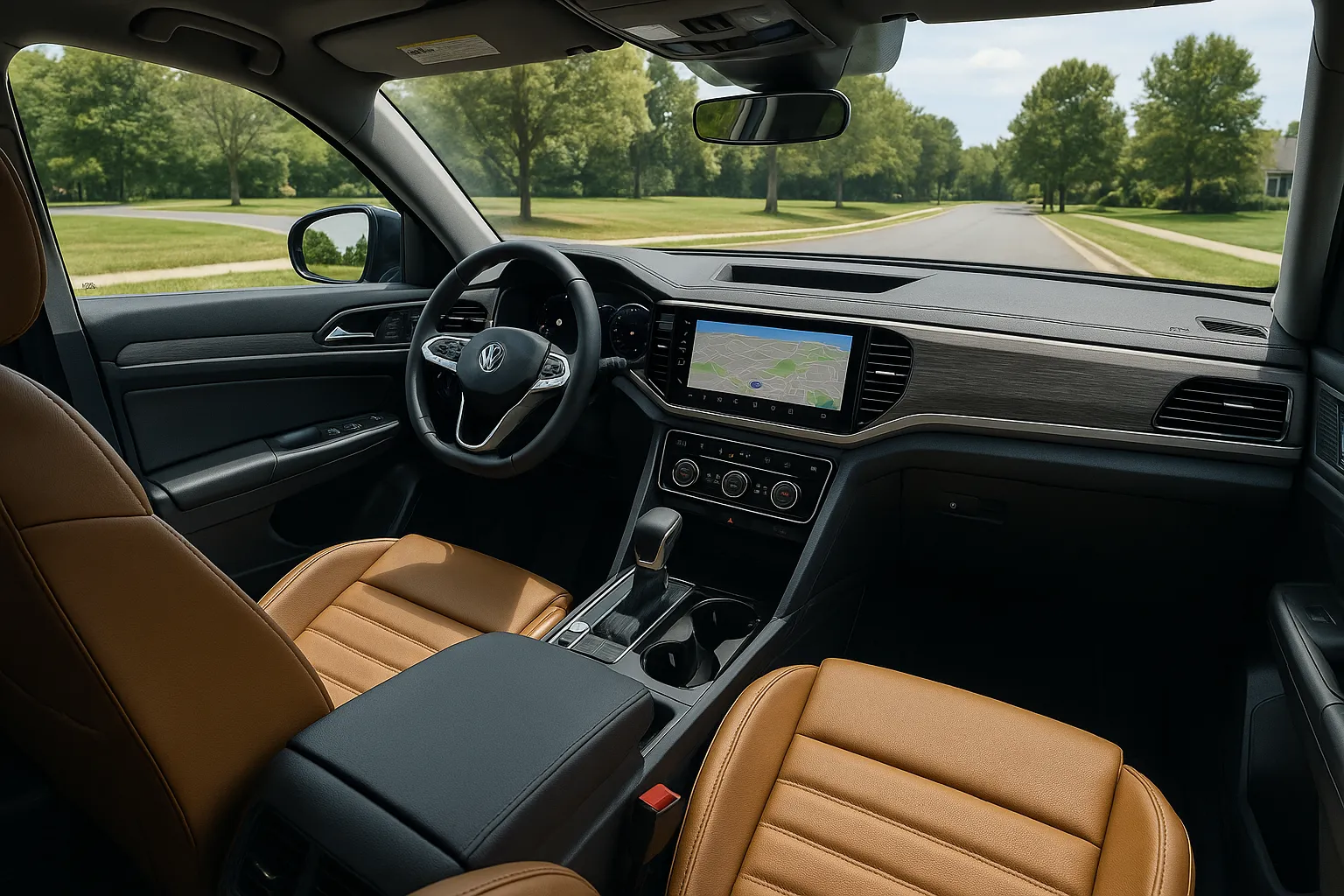
The 2027 Atlas is described as the second-generation version of Volkswagen’s three-row SUV. That matters because the Atlas has had updates before, including styling and cabin revisions, but a full generational redesign usually brings broader changes. New bodywork, a revised interior layout, and upgraded technology are the kinds of changes that can reshape how a vehicle feels in daily use, not just how it looks in a showroom.
Volkswagen has not been chasing the rugged, truck-like image that defines some family SUVs. The Atlas has instead leaned into space, visibility, and a relatively simple driving experience. That formula helped it stand apart from smaller-feeling crossovers while giving VW dealers a product better suited to American family needs than many of the brand’s historically more compact offerings.
The redesigned model arrives into a much tougher field than the original Atlas faced. The Kia Telluride and Hyundai Palisade have raised expectations for interior design and standard equipment. The Honda Pilot and Toyota Grand Highlander appeal to buyers prioritizing long-term practicality. The Chevrolet Traverse has grown more assertive, while the Ford Explorer continues to draw shoppers who want a more performance-oriented or rear-drive-based feel. Mazda’s CX-90 has added a near-premium angle. In that environment, a simple refresh would not be enough.
More style, more cabin polish
The 2027 Atlas receives new sheet metal, giving Volkswagen a chance to modernize the SUV’s proportions and visual identity. Exact design dimensions and trim-by-trim details were not included in the available information, so it is not yet clear whether the redesign changes the Atlas’ footprint, wheelbase, or cargo packaging in a meaningful way. Still, a full exterior redesign is important in this class, where curb appeal and perceived value carry real weight.
The interior may be the bigger story for shoppers. The new Atlas is expected to have a more premium cabin than the outgoing model. That is an important move because family SUV buyers increasingly judge mainstream vehicles by the standards of near-luxury products. Soft-touch materials, cleaner display integration, improved storage, better lighting, and thoughtful second- and third-row features can strongly influence purchase decisions.
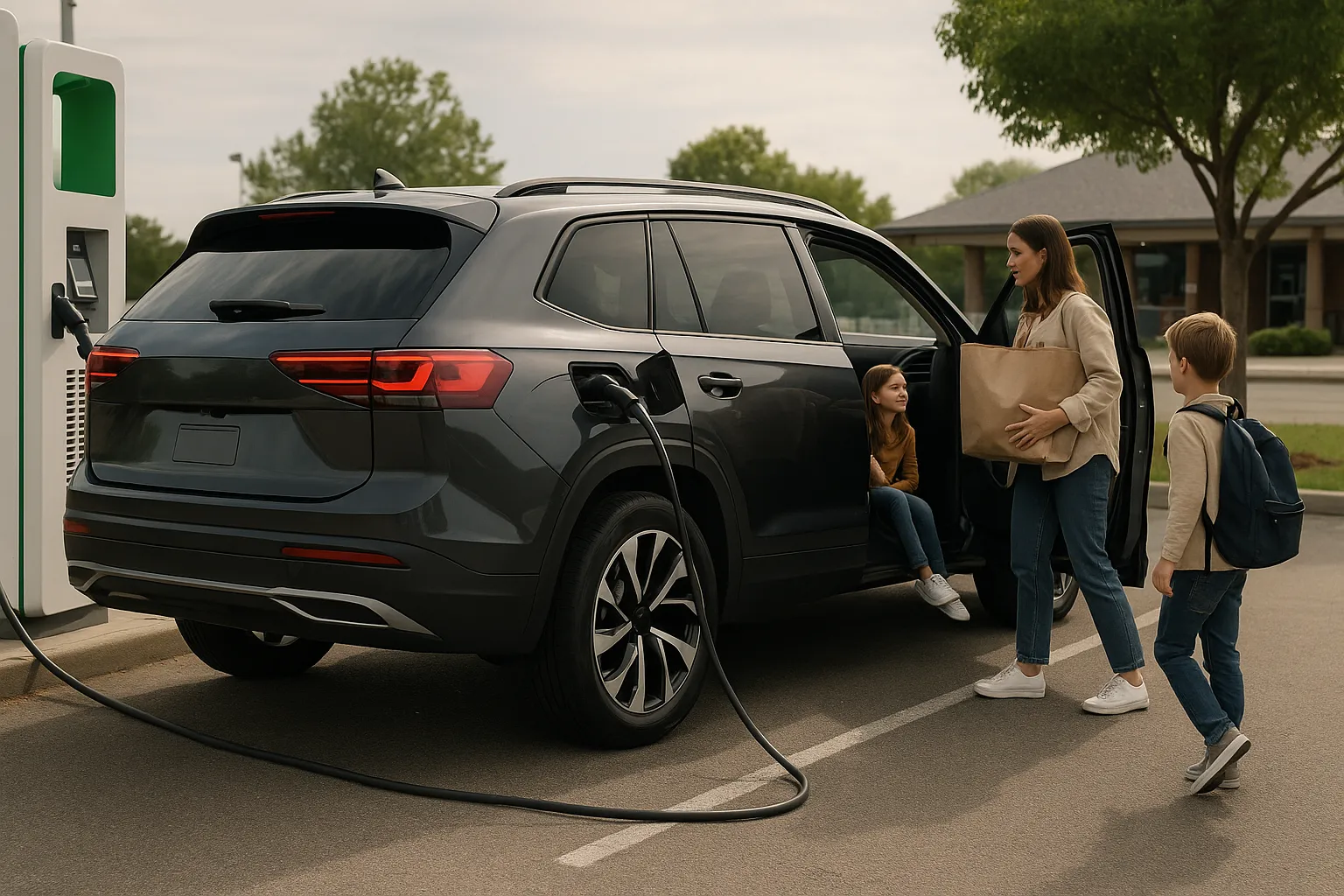
For owners, cabin execution often matters more than horsepower. A three-row SUV is where kids climb in with backpacks, adults take road trips, cargo areas get loaded with sports gear, and drivers interact with screens and controls every day. If Volkswagen has meaningfully improved the cabin, the 2027 Atlas could feel like a more complete family vehicle rather than simply a large crossover with German branding.
Technology becomes a bigger selling point
Technology upgrades are also part of the redesign. Specific infotainment screen sizes, driver-assistance features, software changes, and connectivity functions have not yet been detailed in the available summary. Even so, tech execution is a major issue for Volkswagen. The brand has faced criticism in recent years for touch-heavy interfaces in some vehicles, so the 2027 Atlas will be judged not only by how much technology it offers, but by how intuitive that technology is.
For buyers, this is an area worth testing carefully. A large screen can look impressive in photos, but daily satisfaction depends on menu structure, climate-control access, wireless smartphone integration, voice control, camera quality, and how quickly the system responds. In a family SUV, rear-seat charging access, easy navigation inputs, and strong driver-assistance calibration can make a noticeable difference.
A tech upgrade also matters for resale value. Three-row SUVs often stay in family fleets for years, and outdated infotainment can make a vehicle feel old quickly. If Volkswagen brings the Atlas up to current expectations, the redesigned model could be more competitive not only at purchase, but also later in the ownership cycle.
Higher pricing changes the value equation
The redesign comes with higher pricing. Exact figures were not included in the available information, so the scale of the increase remains unclear. That uncertainty is important. A modest increase paired with more standard equipment would be easier for shoppers to justify. A larger jump could push the Atlas closer to premium-brand alternatives or better-equipped versions of its mainstream competitors.
Price sensitivity is especially important in the three-row SUV market because buyers often cross-shop by monthly payment rather than badge alone. Families considering an Atlas may also be comparing lease offers, finance rates, dealer discounts, and certified pre-owned alternatives. A higher MSRP does not automatically mean poor value, but it raises the burden on Volkswagen to deliver a cabin, feature set, and driving experience that feel worth the extra money.
The outgoing Atlas has often appealed to shoppers who wanted space without luxury pricing. If the 2027 model moves too far upmarket, Volkswagen risks narrowing that appeal. On the other hand, if the redesign makes the Atlas feel more sophisticated while retaining its practical strengths, the higher price could align with where the segment is already heading.
What shoppers should watch next
Several important details still need confirmation. Powertrain information, fuel economy, towing capacity, trim structure, standard safety equipment, cargo measurements, third-row dimensions, and full pricing will determine how competitive the 2027 Atlas really is. The outgoing Atlas recently moved away from its older V6 option in favor of a turbocharged four-cylinder lineup, but the available 2027 summary does not confirm final engine specifications.
That leaves buyers with a few practical questions. Will the new Atlas offer better efficiency? Will it gain more standard driver-assistance features? Will lower trims still provide strong value, or will the best equipment be concentrated in expensive versions? Will Volkswagen improve the interface enough to satisfy buyers who prefer physical controls? These answers will matter more than the redesign alone.
Why it matters
The 2027 Atlas is important because it shows how mainstream three-row SUVs are evolving. Families still need space and durability, but they now expect high-end interiors, advanced safety technology, large displays, and distinctive styling. Automakers are responding by making their family haulers more polished—and often more expensive.
For Volkswagen, the redesigned Atlas is a chance to strengthen one of its most relevant U.S. products. For buyers, it is another sign that the three-row SUV market is becoming less about basic transportation and more about balancing practicality with comfort, technology, and perceived luxury.
The redesigned Atlas should be worth watching closely once full specifications and pricing are released. If Volkswagen keeps the SUV’s roomy, family-friendly character while making the cabin and tech meaningfully better, the 2027 Atlas could remain a strong contender. If the price increase outpaces the improvements, shoppers may find better value elsewhere in an already crowded segment.