Acura’s Monterey Car Week Concept Will Preview Its Next Design Era
Acura has teased a new concept for Monterey Car Week, signaling a broader design shift that will influence the brand’s upcoming production models.

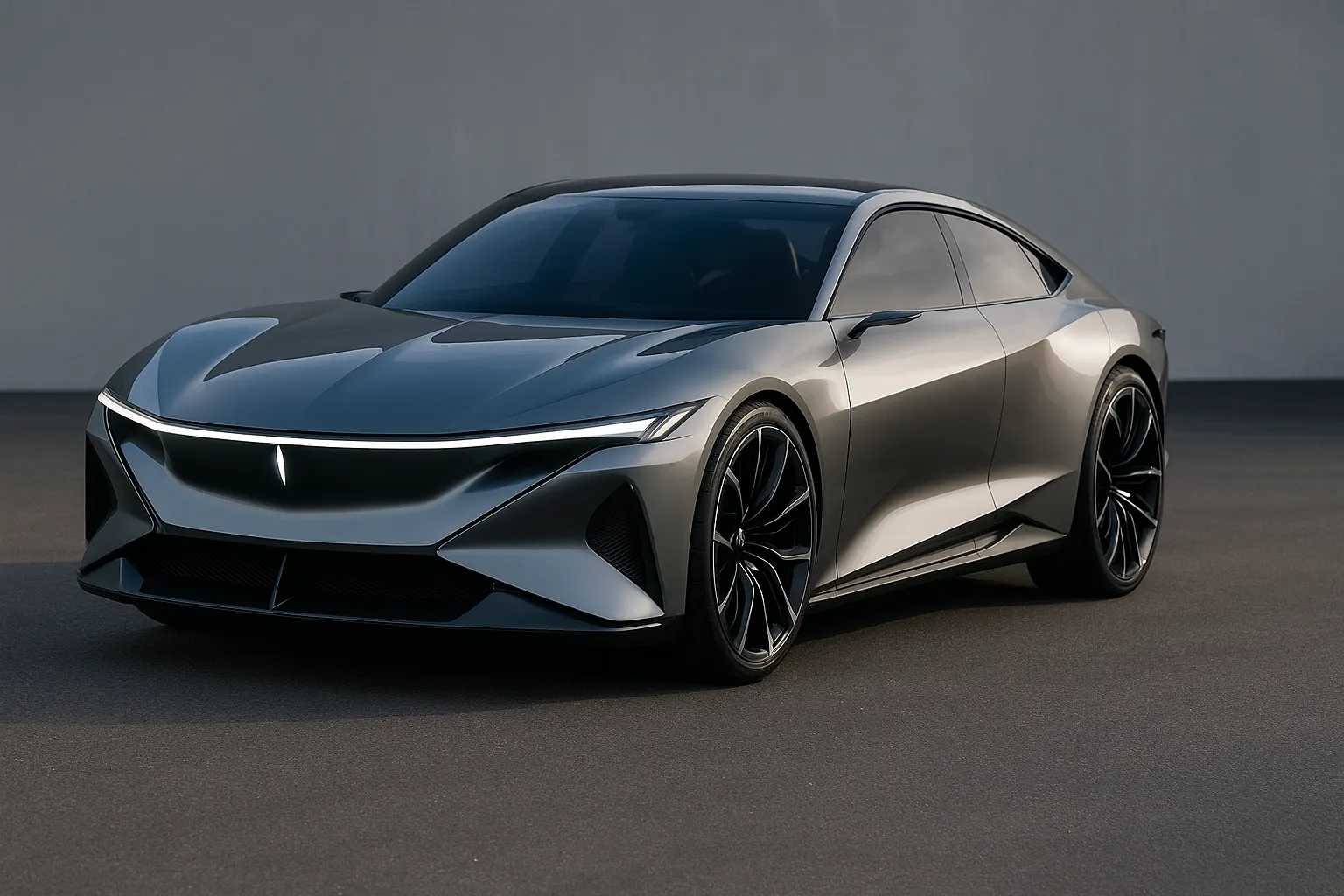
Acura is preparing to use Monterey Car Week as the stage for a new concept vehicle that previews the brand’s next design direction. The company has released an early teaser, giving only a limited look at the vehicle but making the broader message clear: this is not intended to be a one-off styling exercise with no connection to the showroom.
The concept is being positioned as a guidepost for future Acura models. That makes it more important than a typical auto-show design study, especially for shoppers and owners trying to understand where Honda’s premium brand is headed over the next several years. Acura’s current lineup has relied on sharp surfacing, a wide stance, slim lighting, and its diamond-shaped grille theme, but the next chapter appears set to push the brand toward a bolder and more distinct identity.
A concept with production influence
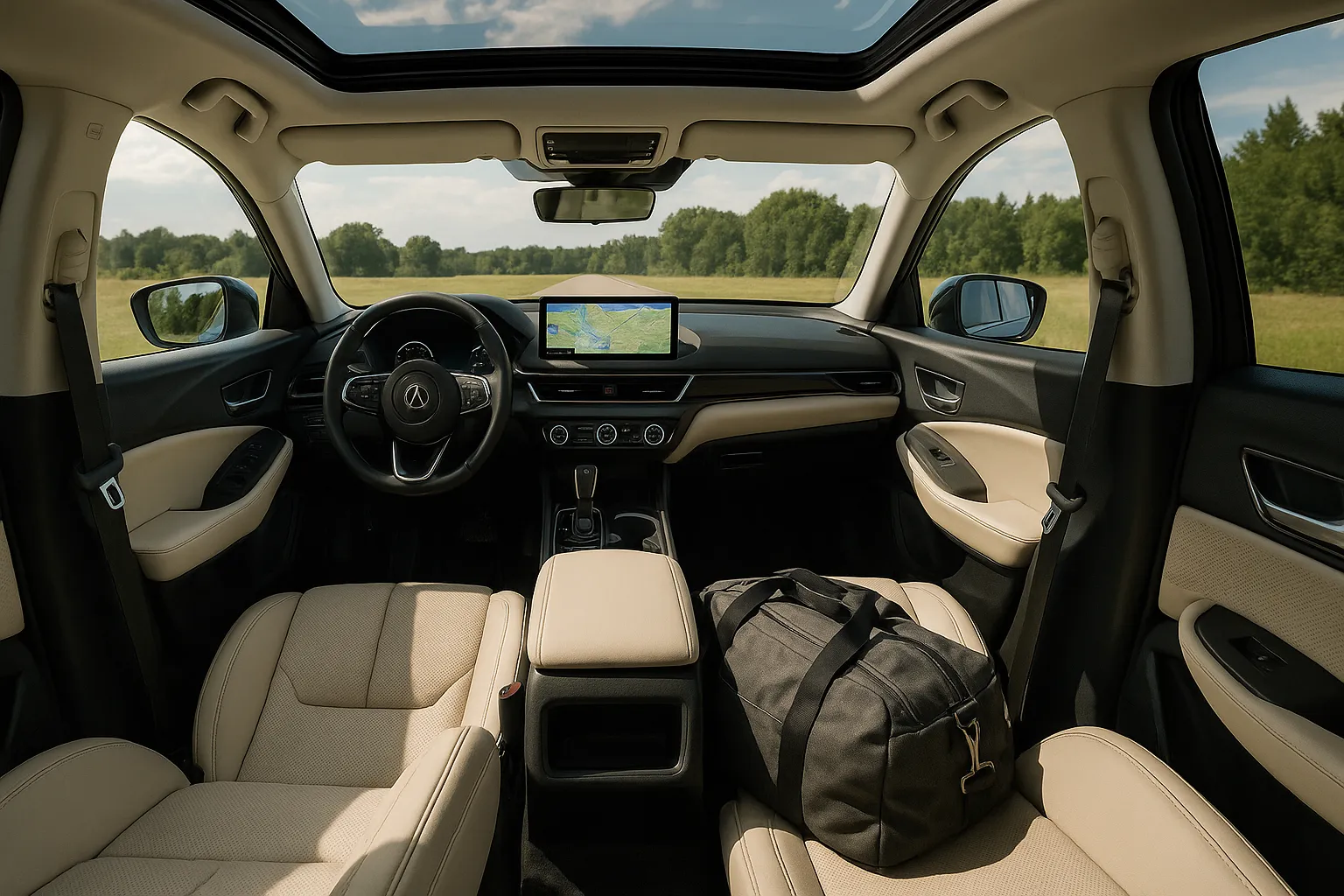
The teaser does not confirm key specifications, body style, powertrain, platform, dimensions, or timing for any production derivative. It also does not make clear whether the Monterey vehicle is an evolution of the SUV concept Acura previewed earlier this year or a separate design statement. What is clear is that Acura wants this concept to communicate a future family look, not just a single model idea.
That distinction matters. Automakers often use concepts in two very different ways. Some are experimental pieces built to test public reaction to extreme proportions, unusual interiors, or advanced technologies. Others are thinly veiled previews of production vehicles, created to introduce a design language before it spreads across sedans, crossovers, and performance variants. Acura’s latest teaser fits closer to the second category, even if the production details remain undisclosed.
The project is tied to design leadership under Acura Creative Director Yasutake Tsuchida. A leadership-driven design reset can be especially meaningful for a luxury brand, where visual identity is part of the purchase decision. Buyers in this segment are not only comparing horsepower, infotainment, lease pricing, and warranty coverage; they are also choosing a badge and a design philosophy. Acura has long tried to balance technical restraint with sport-oriented cues. This concept could show whether the brand intends to become more expressive, more premium, or more performance-led in appearance.
Why Monterey Car Week is the right venue
Monterey Car Week is not a conventional auto show built around mainstream product launches. It is a gathering of collectors, designers, executives, enthusiasts, and affluent buyers, with attention split between historic race cars, concours events, ultra-luxury debuts, restomods, concepts, and limited-production performance cars. For a brand like Acura, that audience is useful: it includes people who care about design credibility, motorsport heritage, and long-term brand direction.
Acura also has a reason to seek a stronger emotional connection with enthusiasts. The brand has credible performance touchpoints, including Type S models and a long history with the NSX nameplate, but the broader luxury market has become more competitive. German brands continue to dominate buyer consideration in many premium segments, while Genesis, Lexus, Cadillac, and electric-focused newcomers have all pushed harder on design identity. A clearer Acura look could help the brand stand out in a crowded field.
The Monterey reveal also lets Acura frame the concept as aspirational rather than purely practical. That can be helpful even if the design language ultimately appears on more conventional vehicles such as compact crossovers, midsize SUVs, and sport sedans. A striking concept shown in an enthusiast setting can make a future showroom model feel more intentional when those design cues eventually arrive in a production package.
What buyers should watch for
For car buyers, the most important takeaway is not whether this exact concept reaches dealerships. The more useful question is which details survive into Acura’s next production vehicles. Exterior lighting signatures, grille treatment, hood shape, roofline, wheel design, and cabin layout are often the first clues. If Acura reveals a concept with a dramatically different face, more angular surfaces, or a cleaner EV-influenced shape, those elements could migrate into the next generation of models.
Acura owners considering whether to buy now or wait should keep expectations realistic. A concept reveal does not automatically mean a replacement model is months away. Design language rollouts can take years, especially across a lineup with vehicles on different product cycles. A new look may first appear on one model before spreading gradually. Current vehicles will not suddenly become obsolete, but the teaser does suggest Acura is preparing a visible change in showroom character.
Enthusiasts should watch for performance signals as well. Acura’s best-known modern enthusiast branding is Type S, and the company’s performance image depends on more than exterior styling. If the concept includes aggressive proportions, wider fenders, visible aerodynamic elements, or a cockpit designed around the driver, it could hint at how Acura plans to present future sporty variants. If the design is cleaner and more aerodynamic, it may point instead toward electrified packaging and efficiency priorities.
The EV question remains open
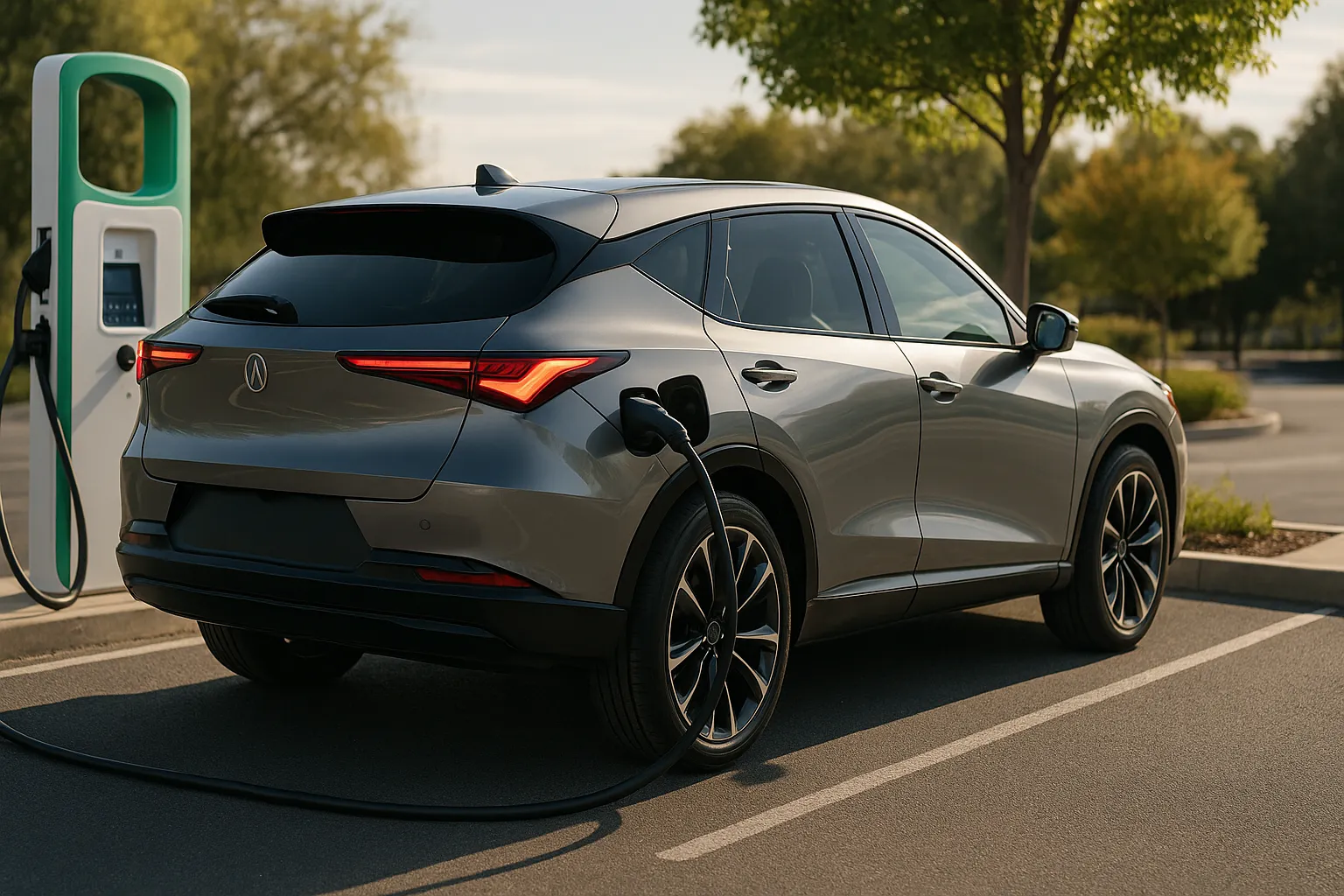
The teaser and early information do not confirm whether the Monterey concept is electric, hybrid, or combustion-powered. That uncertainty is worth noting because Acura, like most premium brands, is navigating a market where electrification plans are evolving. EV adoption is still growing, but unevenly by region and segment, and automakers are balancing battery-electric investments with hybrids and traditional internal-combustion models.
A future-facing Acura concept could use EV proportions even if no powertrain details are announced. Electric platforms often allow shorter front overhangs, longer cabins, flatter floors, and different cooling needs, all of which influence exterior design. At the same time, Acura may want a flexible visual language that works on both electric and gasoline-powered vehicles. That approach would let the brand refresh its identity without tying every future product to one propulsion strategy.
Why this matters to Acura
Acura’s challenge is not that its current design language is outdated in the traditional sense. Many of its recent models still look crisp and contemporary. The issue is differentiation. Premium buyers have more choices than ever, and strong design consistency can help a brand communicate what it stands for before a customer ever takes a test drive.
A successful new design language would give Acura several advantages. It could make future models easier to recognize at a glance, strengthen the connection between performance variants and mainstream trims, and support higher perceived value in competitive segments. It could also help dealers tell a clearer story as new products arrive.
The Monterey concept will not answer every question. Acura has not yet provided specifications, production timing, pricing, or a model name tied to the teaser. Still, the reveal should offer the clearest look yet at how the brand wants its next generation of vehicles to be seen. For buyers, owners, and enthusiasts, that makes this concept less about fantasy and more about the shape of Acuras to come.