Alpine A110 Future previews the next A110 as a dedicated electric sports car
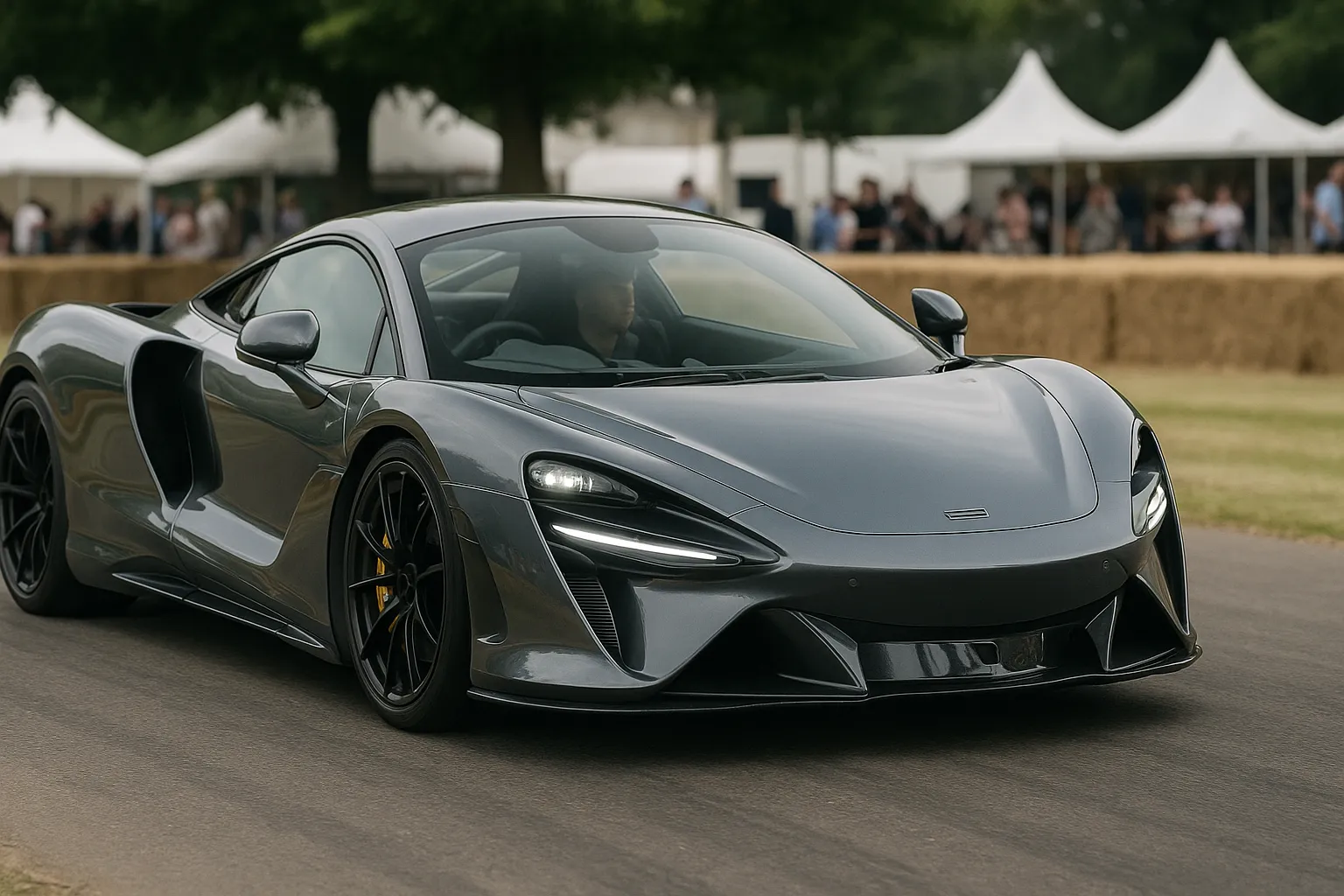
Alpine will run a working A110 Future prototype at Goodwood, previewing a 2027 electric A110 built on a bespoke Alpine platform rather than a shared Renault Group base.
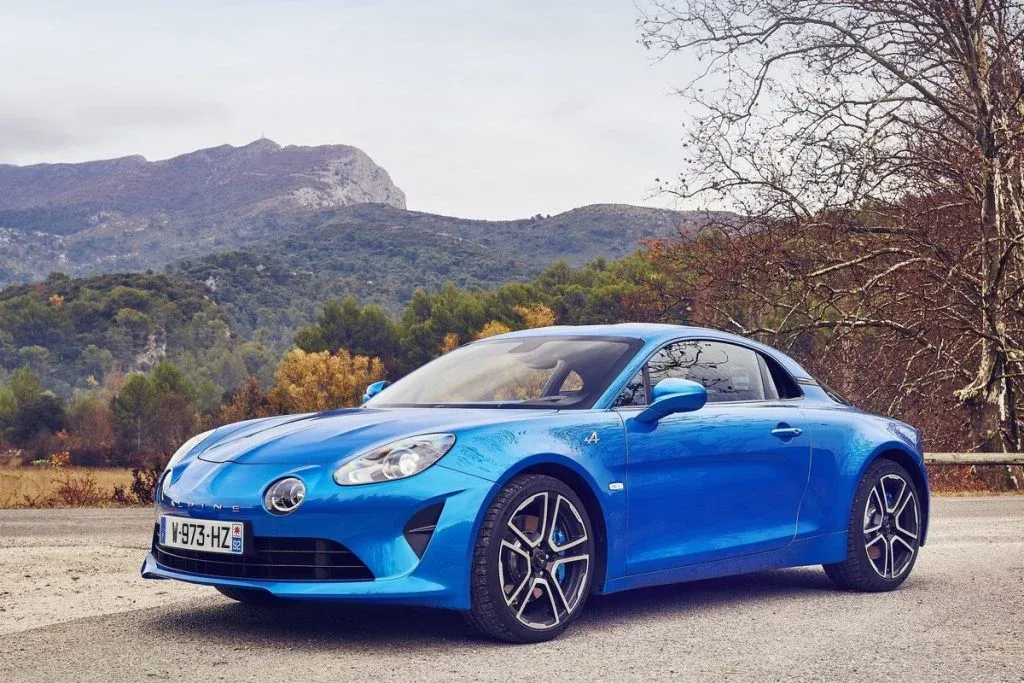
Alpine’s next A110 is moving toward production as an electric sports car, and the brand is preparing to show a working preview in public. The A110 Future prototype will run at the Goodwood Festival of Speed, giving enthusiasts their first dynamic look at the battery-powered successor to one of the most driver-focused combustion sports cars of the past decade.
The key detail is not simply that the new A110 will be electric. It is that Alpine is developing it around a dedicated Alpine Performance Platform, rather than adapting the wider Renault Group hardware used by the brand’s more mainstream electric models. That makes the project unusually ambitious for a low-volume sports car maker, especially at a time when many manufacturers are consolidating EV platforms to control cost.
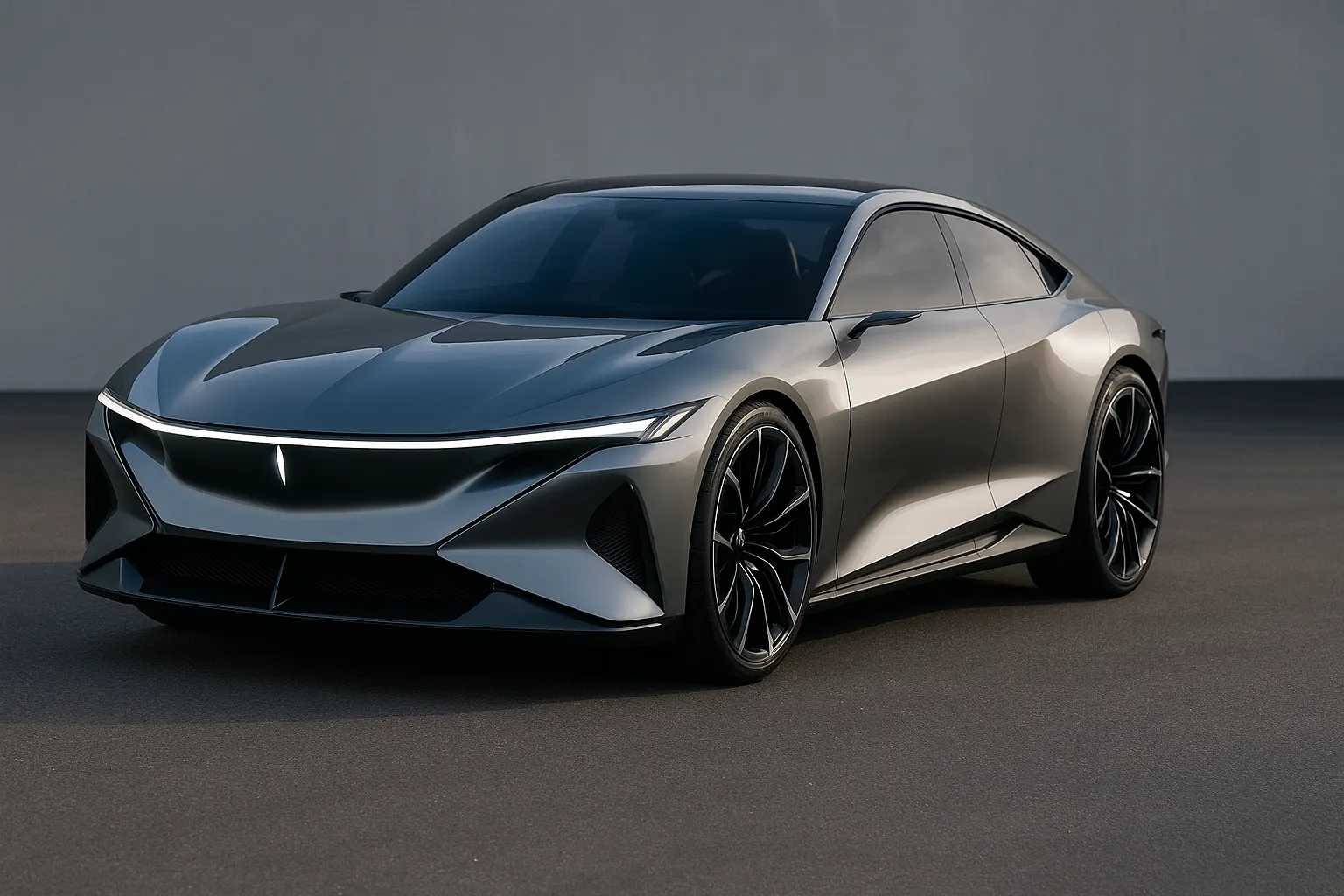
The production version is expected in 2027 if Alpine’s timing holds. The prototype being shown now is not a finished design reveal. It uses heavily reworked body panels related to the current petrol A110, reshaped to sit over the different proportions required by the new EV architecture. That means the show car should be read as a technical and packaging preview, not a final statement of how the showroom model will look.
A different route from Alpine’s other EVs

Alpine’s electric expansion has already begun with models that lean on Renault Group foundations. The A290 hot hatch is linked to the Renault 5 E-Tech platform, while the A390 fastback crossover also fits into the group’s broader electrification strategy. The A110 is different because it carries the brand’s core identity: compact dimensions, low mass, direct steering and a chassis tuned for involvement rather than headline power alone.
That is why the platform decision matters. A sports car built on a bespoke structure can place its battery, motors, suspension hard points and seating position around driving feel from the start. A shared platform can still produce a quick car, but it often brings compromises in weight, wheelbase, height or battery packaging. For the A110, those details are not secondary; they define the car.
Alpine has not released final figures for power output, battery capacity, range, weight or charging speed. The absence of those numbers is important. Electric performance cars can deliver huge acceleration with relative ease, but the A110 name has never been about being the most powerful car in its class. The current combustion A110 built its reputation on agility and lightness. The challenge for the electric replacement will be to preserve that character while carrying the extra mass of a battery pack.
Why the Goodwood run matters
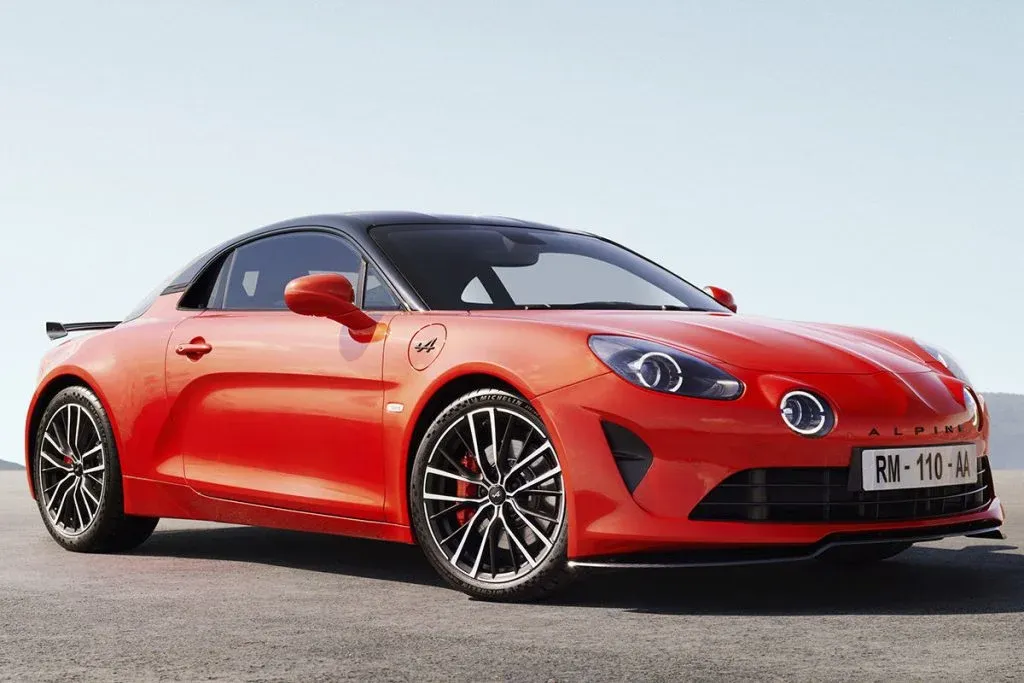
The A110 Future is described as having a fully functional electric powertrain, so its appearance at Goodwood is more than a static styling exercise. Running a prototype up the hill allows Alpine to demonstrate that the project has moved beyond digital renderings and clay models. It also gives the company a highly visible stage in front of the exact audience that will scrutinize the car most closely: sports-car fans who care about sound, weight, response and driver connection.
Goodwood is not a laboratory, and a short hillclimb will not reveal whether the new A110 can match the best combustion sports cars for feedback. But it can show the car’s stance, size, acceleration character and basic dynamic intent. For a brand trying to convince loyalists that an electric A110 can still feel like an Alpine, that first moving impression is significant.
The hard part: making an EV feel light
Electric sports cars face a familiar contradiction. Batteries provide instant torque and allow designers to lower the center of gravity, both useful for performance. But they also add weight, and weight changes how a car brakes, turns and communicates. A low center of gravity can help grip and stability, but it does not automatically make a car feel nimble.
That is the engineering problem Alpine must solve. The current A110’s appeal comes from its delicacy: modest dimensions, relatively low weight, and a setup that rewards flow rather than brute force. An electric version will need careful battery sizing, smart structural design and restrained tire and motor choices if it wants to avoid becoming just another very fast EV.
This is where a dedicated platform could prove valuable. Alpine can design the battery enclosure as part of the structure, position mass centrally, tune suspension geometry specifically for the car, and avoid packaging constraints that come with an existing mass-market EV base. The downside is cost. Bespoke sports-car platforms are expensive, and spreading that investment across limited production volumes is difficult.
What it means for buyers and owners
For current A110 owners, the electric successor raises a practical question: will the new car continue the same lightweight philosophy, or will it become a different kind of performance product with a familiar badge? Until Alpine confirms technical specifications, that question remains open. The prototype’s existence suggests Alpine understands the importance of continuity, but the final proof will be in the car’s weight, steering calibration, brake feel and real-world usability.
For buyers considering an electric performance car, the A110 could occupy a rare space. Many EVs are extremely quick, but few are conceived primarily as compact two-seat sports cars. If Alpine can deliver engaging handling, reasonable range, fast charging and a cabin that works for regular road use, the A110 EV could appeal to drivers who want an electric car with more precision and less bulk than a performance SUV or luxury sedan.
There will also be trade-offs. A small sports car has less room for a large battery than a bigger EV, so Alpine may need to balance range against weight. Buyers should not expect every number to match larger electric GTs. The more relevant question may be whether the car can cover a spirited weekend drive, charge conveniently, and still feel special at legal speeds.
A broader industry signal
The A110 Future also shows how performance brands are adapting to electrification. Some are using EV power to chase acceleration records. Others are adding hybrid assistance to existing engines. Alpine is attempting something narrower and potentially more difficult: building a dedicated electric successor to a car known for being light and simple.
That makes the A110 Future an important marker, even before production specifications arrive. If it succeeds, it could demonstrate that electric sports cars do not have to be defined only by mass, battery size and straight-line speed. If it misses the mark, it will underline how hard it is to translate the feel of a lightweight combustion car into the EV era.
For now, the message is clear enough: the next A110 will not have a petrol engine, and Alpine is treating the transition as a ground-up sports-car project rather than a quick conversion. The public runs at Goodwood are the first step in proving whether that approach can keep the A110’s character alive.