Bentley Torcal Named as Brand’s Upcoming Electric SUV Ahead of September Reveal
Bentley has confirmed Torcal as the name of its upcoming electric SUV, with a full reveal scheduled for September 23. The model will expand Bentley’s range as the luxury brand moves deeper into battery-electric vehicles.

Bentley’s next major product now has a name: Torcal. The British luxury brand has started the teaser campaign for its upcoming electric SUV and confirmed that the model will be fully revealed on September 23.
The announcement is light on technical detail for now, but it is significant for Bentley’s product strategy. The Torcal is set to become the fourth model line in the company’s portfolio, joining a range built around the Continental GT, Flying Spur, and Bentayga. More importantly, it gives Bentley a named battery-electric SUV at a time when the highest end of the market is still deciding what an ultra-luxury EV should feel like, drive like, and cost to own.
What Bentley has confirmed
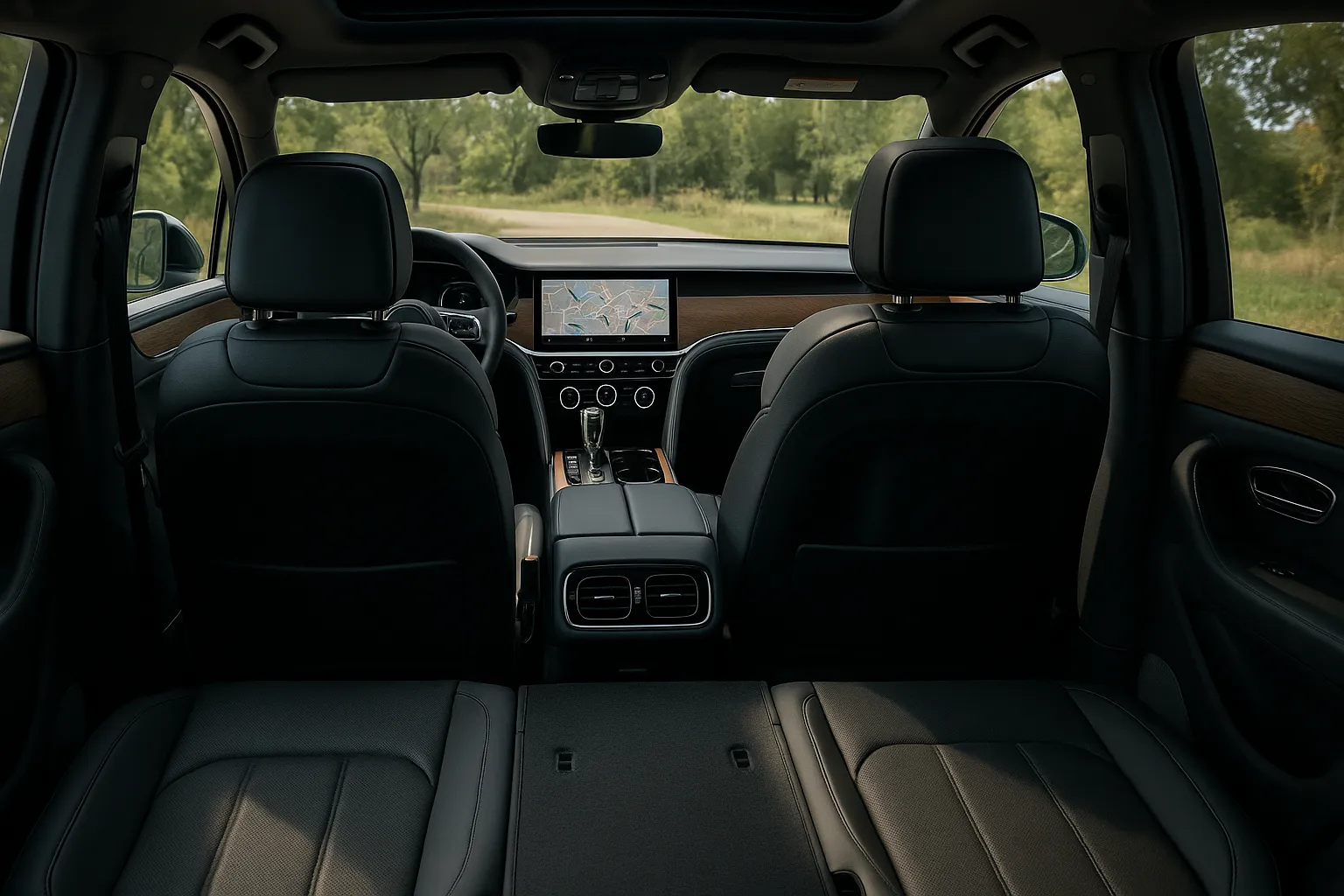
Bentley has shown the Torcal only in teaser form so far, using a shadowed image that keeps most of the design under wraps. The company has confirmed three core points: the name, the body style, and the reveal date. The Torcal will be an electric SUV, it will carry a new model name rather than simply using an existing badge, and it will make its public debut on September 23.
That leaves several important questions unanswered. Bentley has not yet detailed the Torcal’s battery size, electric range, motor output, charging capability, production location, pricing, or launch markets. It has also not released interior images or confirmed whether the model will use a dedicated EV platform or share architecture with other Volkswagen Group electric vehicles.
For buyers, that means the Torcal is still in the “wait for the specifications” stage rather than the “start comparing trims” stage. Still, the name confirmation moves the vehicle from a future-plan talking point to a clearly defined product.
Why an electric SUV matters for Bentley
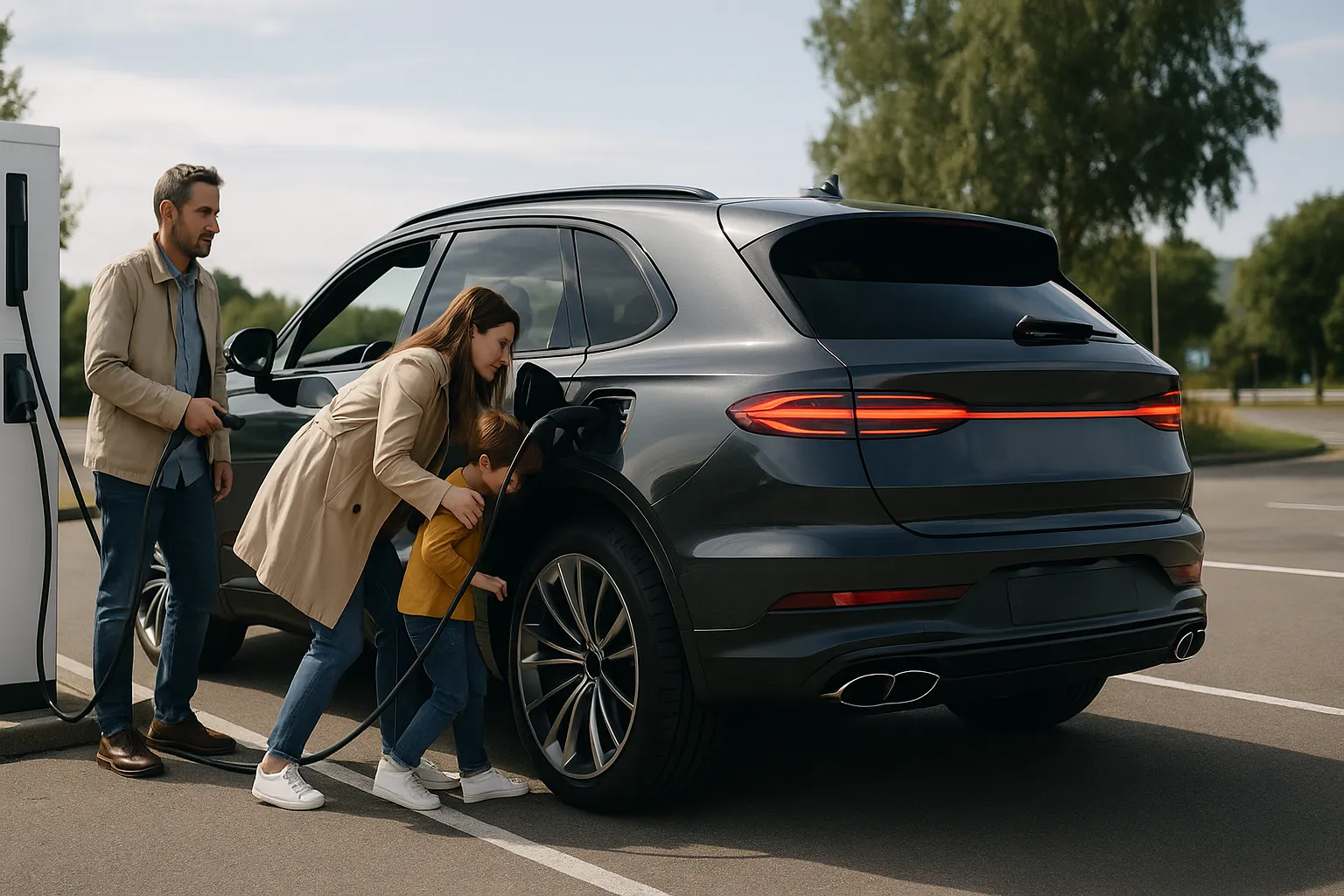
An electric SUV is a logical next step for Bentley because it combines two parts of the market that matter most to the brand: high-end utility vehicles and electrification. The Bentayga has already proven that Bentley customers will accept an SUV carrying the winged badge, and the broader luxury market has only moved further toward crossovers since that model arrived.
The Torcal’s job will be different from the Bentayga’s, though. A traditional Bentley SUV can lean on effortless combustion power, long-distance touring ability, and established luxury cues. An electric Bentley SUV has to translate those values into a quieter, heavier, software-defined package where charging speed, range consistency, cabin technology, and thermal management become part of the ownership experience.
That matters because luxury EV customers tend to have different expectations from mainstream EV buyers. They are less likely to shop solely on price per mile of range and more likely to judge the vehicle on refinement, materials, rear-seat comfort, brand identity, charging convenience, and how seamlessly the electric drivetrain fits into daily life.
The Torcal will enter a tougher luxury EV field
Bentley will not be entering an empty segment. Ultra-luxury and premium brands have already begun testing buyer appetite for expensive electric SUVs and crossovers. The challenge is not simply building an EV with strong acceleration; that is now common across the electric market. The challenge is making an EV feel unmistakably like a Bentley.
That could influence several areas of the Torcal’s development. Ride quality will be central, especially because large battery packs add mass. Cabin isolation should be a strength for an electric luxury vehicle, but a near-silent drivetrain also exposes wind noise, tire noise, and minor cabin vibrations that might be masked in a combustion model. Bentley will also need to balance digital interfaces with the tactile controls and craftsmanship its buyers expect.
Performance is likely to be important, but not necessarily in the same way as in a sports sedan or super-SUV. Bentley’s traditional appeal has centered on abundant, relaxed power rather than aggressive character. In an electric SUV, that may translate into instant torque, smooth calibration, and confident high-speed cruising rather than headline-grabbing launch figures alone.
What it could mean for current Bentley owners
For current Bentayga owners, the Torcal may become the most natural path into a battery-electric Bentley. It should offer the elevated seating position and practical layout that helped make luxury SUVs popular, while removing fuel stops and local tailpipe emissions from the daily routine.
However, the Torcal will also introduce new ownership considerations. Home charging access will be more important than it is for plug-in hybrid buyers, especially for customers who use their SUV regularly in urban or suburban settings. Long-distance travel will depend on battery range, charging speed, route planning, and the reliability of high-power public charging networks in each market.
Those details are not yet available, and they will be crucial. A luxury EV can impress in a studio reveal, but its real-world appeal depends on how well it handles the less glamorous parts of electric ownership: cold-weather range, charging stops on road trips, software updates, and dealer support.
A new name instead of a simple EV version of Bentayga
The use of the Torcal name is notable because Bentley is not presenting the vehicle merely as an electric Bentayga, at least at this stage. A separate name gives the brand room to define a new design direction and market position without forcing direct comparisons to the existing SUV.
That does not mean the Torcal will avoid comparison with the Bentayga. Buyers will naturally want to know how the two differ in size, price, passenger space, cargo capacity, towing ability, and ride comfort. If both models are sold side by side, Bentley will need to make the case for why a customer should choose one over the other.
The separate identity may also help Bentley manage the transition to electrification. Rather than asking loyal customers to accept a sudden replacement for a known model, the company can introduce an EV as an addition to the range and allow demand to develop.
What to watch on September 23
The September reveal should answer the major questions that the teaser campaign leaves open. The most important figures will be estimated driving range, charging performance, battery capacity, motor layout, and power output. Interior packaging will be just as important, particularly rear-seat comfort and cargo space, because luxury SUV buyers expect genuine usability.
Pricing will also define the Torcal’s role. If it lands close to existing Bentley SUV territory, it could be positioned as an electric alternative for current customers. If it is priced substantially higher, it may serve as a more exclusive technology flagship.
The Torcal is important because it shows Bentley moving beyond electrification as a future promise and toward a named product that buyers can evaluate. The full picture will not be clear until the specifications arrive, but the direction is clear: Bentley’s electric era will begin with an SUV shaped for the part of the luxury market that continues to matter most.