BMW Completes $1.7 Billion South Carolina EV Investment
BMW has finished a major South Carolina manufacturing upgrade that prepares its Spartanburg-area operations for U.S.-built electric SUVs, with an electric X5 expected to be the first key product from the program.
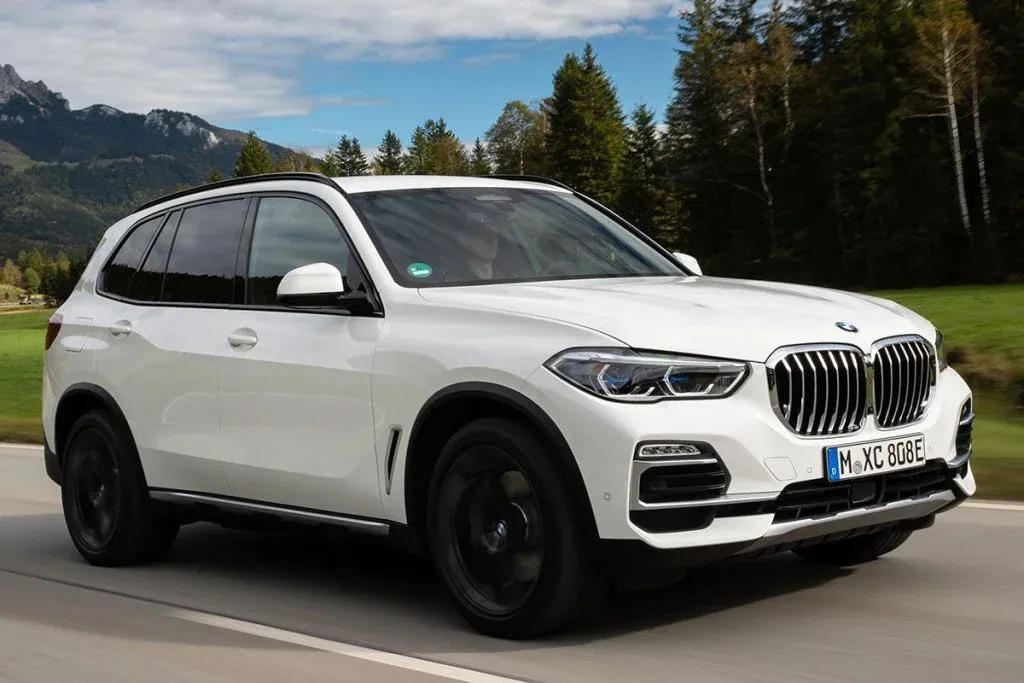
BMW has completed a $1.7 billion investment in South Carolina that moves one of its most important global manufacturing hubs into the electric-vehicle era. The work centers on the company’s Spartanburg-area operations, long known as the production home for BMW’s X-family SUVs, and sets the stage for U.S.-built electric sport-utility vehicles.
The first major product tied to this new phase is expected to be an electric version of the X5, a model that sits near the center of BMW’s U.S. lineup in both volume and brand identity. BMW has not used this milestone to publish a full technical specification sheet for the electric X5, so details such as range, battery size, motor output, charging speed, final name, and pricing remain unconfirmed. What is clear is that BMW now has the manufacturing footprint in place to build electric SUVs domestically rather than relying only on imported EVs or lower-volume specialty models.
Why the South Carolina upgrade matters
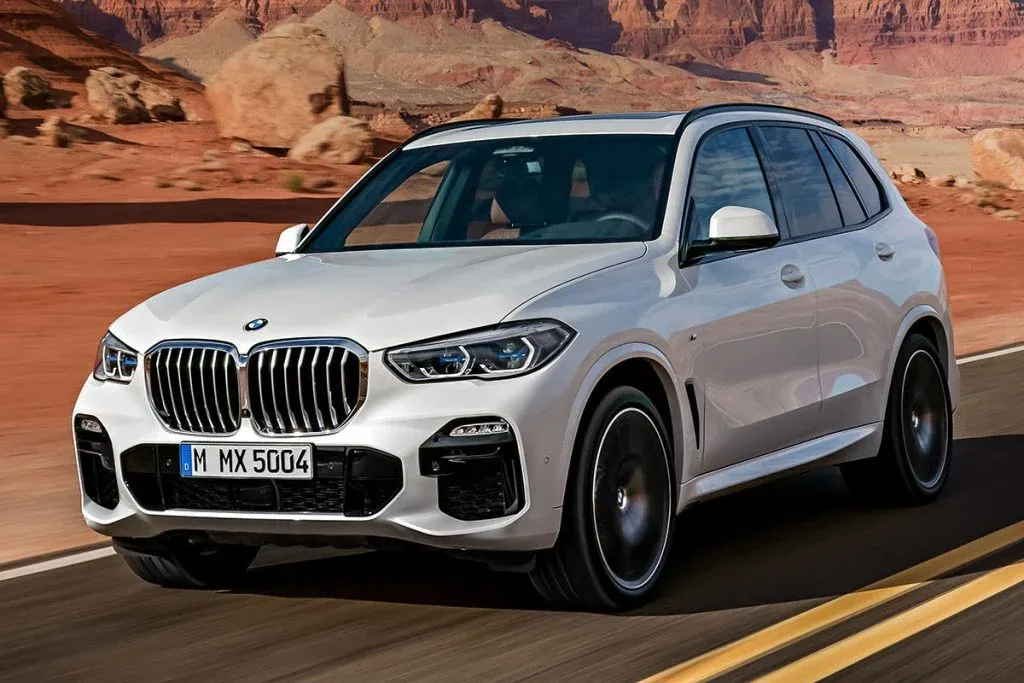
Spartanburg is not a side project for BMW. The plant is one of the company’s largest production sites and is deeply tied to the global success of its SUVs. It builds vehicles not only for American buyers, but also for export markets around the world. Preparing that operation for electric production is therefore more than a facilities upgrade; it is a sign that BMW expects electric SUVs to become part of its mainstream business rather than a separate niche.
For car buyers, the most immediate significance is product availability. Electric SUVs are one of the most competitive segments in the market, but supply constraints, long shipping routes, and uneven production allocation have often affected which models reach U.S. dealers and when. Local production can reduce some of that complexity, especially for a vehicle as important as the X5.
For BMW owners and brand loyalists, the move also answers a long-running question: how quickly the company would electrify the familiar SUV lineup without abandoning the utility, seating position, and premium feel that made the X models popular. An electric X5 would give BMW a direct bridge between its established luxury SUV customer base and its next generation of battery-electric vehicles.
A domestic EV strategy, not just one model

The $1.7 billion program should be viewed as infrastructure for a broader electric strategy. Automakers do not spend at this level to support a single low-volume variant. Preparing a plant for EV production typically requires changes to body assembly, underbody packaging, electrical architecture handling, safety systems for high-voltage components, workforce training, logistics, and quality control. Battery assembly and supply-chain coordination are also central pieces of the puzzle.
BMW’s South Carolina investment includes manufacturing changes intended to support electric vehicle assembly and battery-related operations in the region. That matters because battery logistics are different from those of engines, transmissions, or conventional fuel-system parts. Battery packs are heavy, expensive to move, and tightly regulated. Locating key battery operations near vehicle assembly can help reduce transportation complexity and give the automaker more control over quality and sequencing.
The location also positions BMW to respond to North American sourcing demands. Government incentive rules have shifted repeatedly in recent years, and future eligibility for consumer tax credits depends on details that can change, including final assembly location, battery sourcing, mineral sourcing, price caps, and buyer qualifications. Domestic production does not automatically guarantee a vehicle will qualify for any specific incentive, but it gives BMW more flexibility than a strategy built entirely around imported EVs.
The electric X5 could be a pivotal BMW SUV
The X5 is a particularly important nameplate to electrify. It is large enough to justify a sizable battery pack, expensive enough to absorb advanced technology, and familiar enough that it can bring traditional luxury SUV buyers into EV ownership without asking them to switch to an unfamiliar body style.
BMW already sells electrified vehicles in multiple forms, including battery-electric models and plug-in hybrids. The current X5 lineup has included plug-in hybrid options, giving some customers an introduction to charging while retaining a gasoline engine. A fully electric X5 would go further, competing in a field that includes premium electric crossovers and SUVs from established luxury brands as well as newer EV-focused manufacturers.
The challenge will be balancing BMW’s expected driving character with the realities of a large electric SUV. Buyers in this class will likely expect long highway range, fast charging, strong towing or cargo capability, quietness, and a cabin experience that matches or exceeds today’s gasoline X5. Enthusiasts will watch for steering feel, weight management, chassis tuning, and whether BMW can preserve the dynamic identity that has traditionally separated its SUVs from more comfort-focused rivals.
What changes for dealers and customers
A U.S.-built electric BMW SUV could also change the retail experience. Dealers will need to support customers who are new to charging, range planning, home charger installation, and battery warranty questions. Those topics have become normal in the EV market, but they are still new for many luxury SUV buyers moving from gasoline models.
Service departments will also continue adapting. Electric vehicles generally have fewer routine maintenance items than internal-combustion vehicles, but they require different diagnostic tools, technician training, and safety procedures. For owners, that may mean fewer oil changes and less engine-related maintenance, but a greater focus on software updates, tire wear, brake-by-wire or regenerative braking behavior, and high-voltage component health.
The manufacturing milestone also matters to the broader industry because it shows how legacy automakers are using existing high-volume plants to electrify profitable core segments. Rather than building every EV in a new dedicated facility, companies such as BMW are reworking proven factories, retraining existing workforces, and tying future EV output to vehicles customers already recognize.
The unanswered questions
BMW’s completed investment answers the manufacturing question, but many product questions remain open. The electric X5’s final design, platform details, battery chemistry, charging curve, EPA range estimate, trim structure, and launch timing will determine how competitive it is. Pricing will be especially important. If it lands too far above comparable gasoline or plug-in hybrid X5 models, it could appeal mainly to early adopters. If BMW can keep it close to the heart of the luxury SUV market, it could become one of the brand’s most consequential EVs in the U.S.
For now, the takeaway is straightforward: BMW’s South Carolina EV plan has moved from announcement to industrial reality. The company has prepared a key American manufacturing base for electric SUVs, and the X5 name appears set to play a leading role. For buyers waiting for a familiar luxury SUV with electric power and U.S. production, this is one of the clearest signs yet that the next phase of BMW’s EV rollout is approaching.