BMW’s Electric M3 Will Put Driving Feel Ahead of a Horsepower Race
BMW’s first fully electric M car is expected next year with four motors, but the company is signaling that response, control, and handling will matter more than headline output.
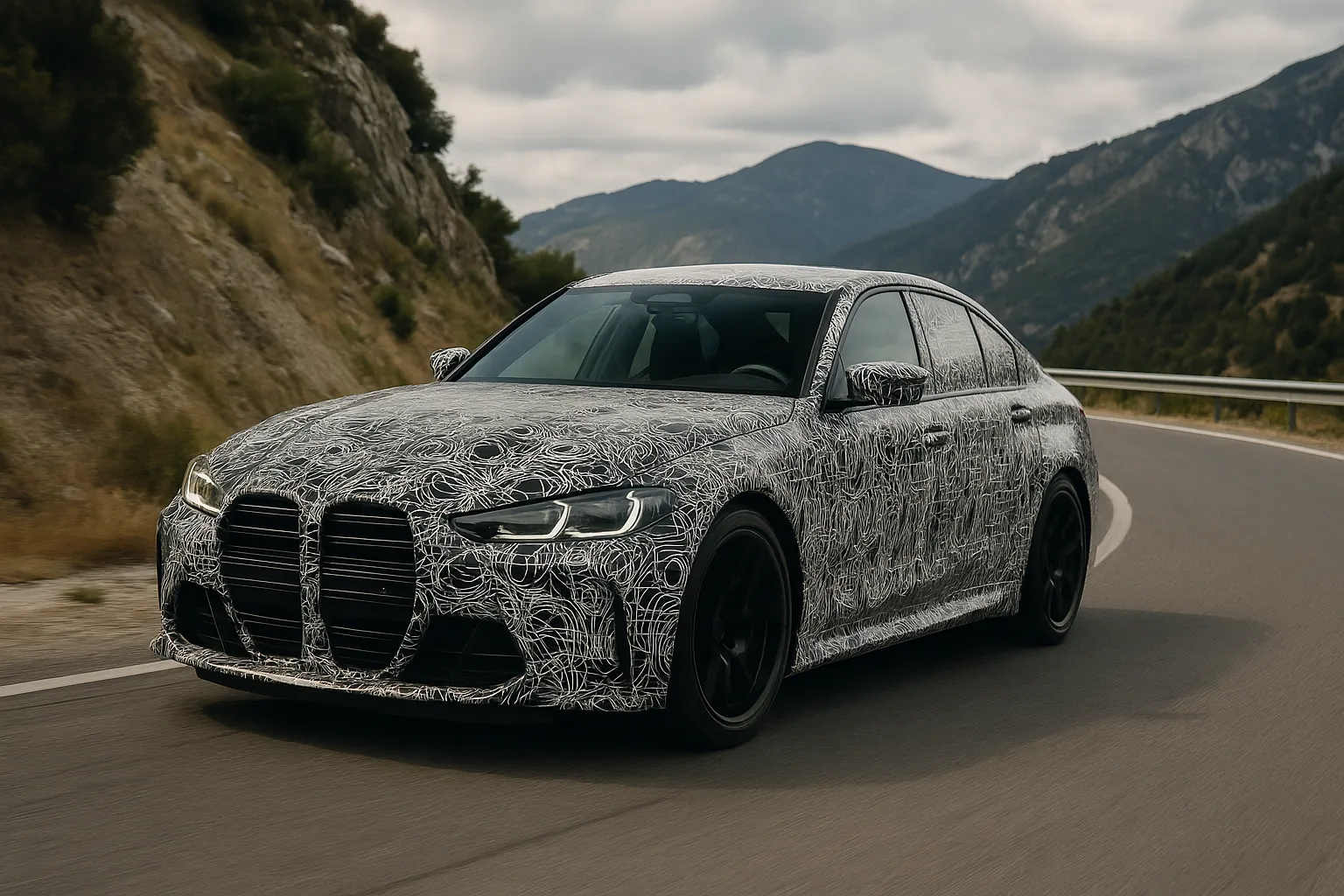
BMW is preparing the most significant change in the M3’s history: a fully electric version of the benchmark sport sedan. The car is expected to arrive next year, and while its powertrain will be radically different from every M3 before it, BMW is trying to frame the conversation around more than raw horsepower.
The upcoming electric M3 is set to become the first full BMW M model powered entirely by electricity. It is expected to use a four-motor layout, giving the car one motor at each wheel. That setup creates the potential for huge output, but BMW’s message is that the car will not be developed simply to win a numbers contest. The target is driving feel: how the car responds, how it corners, how it communicates grip, and how naturally its performance can be controlled.
That distinction matters. In the electric performance market, horsepower figures have become easy marketing tools. Many EVs can deliver explosive acceleration because electric motors produce instant torque and can be packaged in multiple-motor layouts. But building a fast EV is not the same as building a satisfying driver’s car. BMW’s challenge is to make the electric M3 feel worthy of the badge, not merely quicker than the gasoline model in a straight line.
Four motors change what an M3 can do
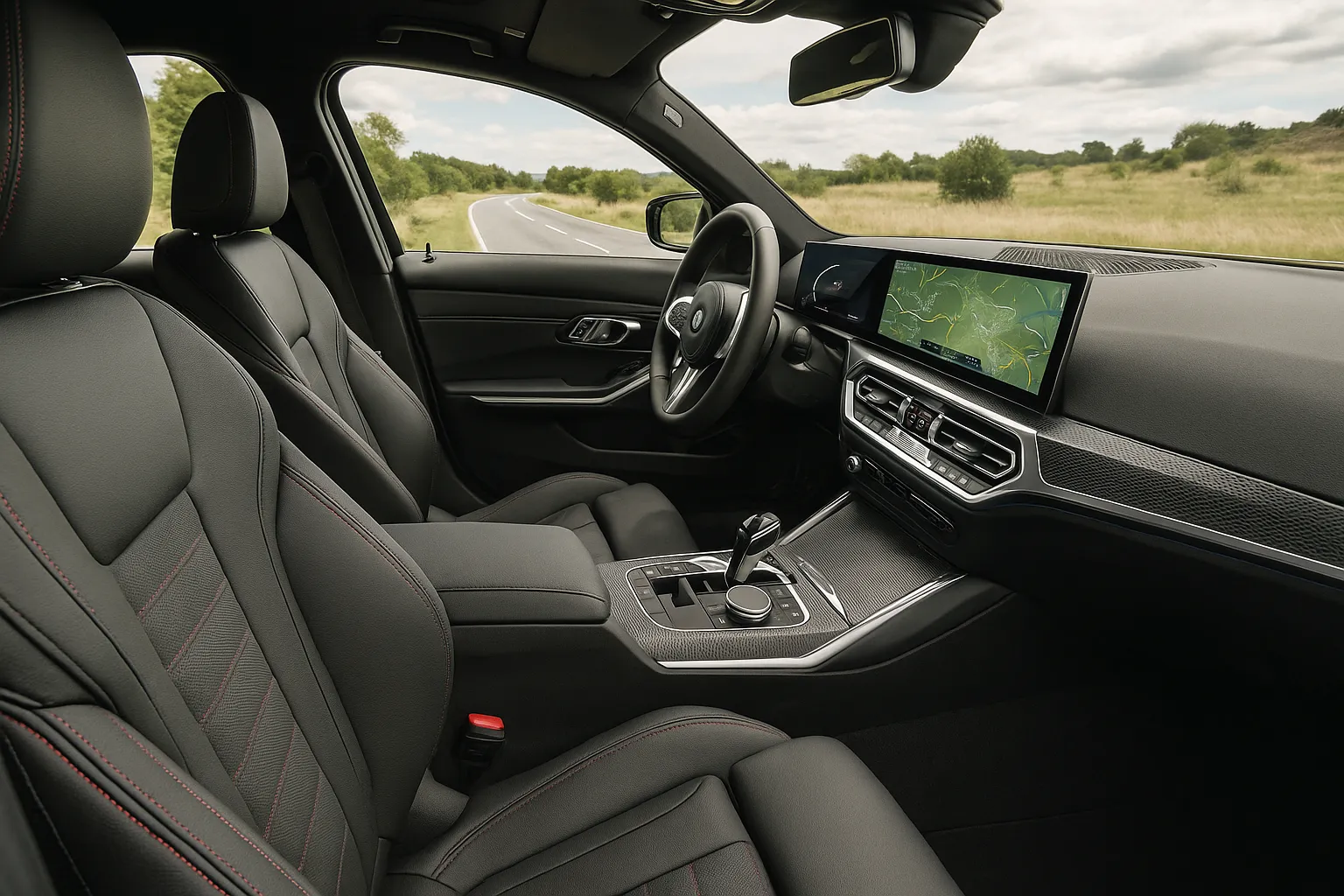
A quad-motor system gives engineers a level of control that mechanical drivetrains cannot easily match. With one motor at each wheel, the car can vary torque delivery from side to side and axle to axle almost instantly. In theory, that allows the electric M3 to sharpen turn-in, improve traction on corner exit, and adjust its balance without relying only on brakes, differentials, or stability-control intervention.
For drivers, the benefit should not just be faster lap times. The best version of this technology would make the car easier to place on a road or track, more predictable near the limit, and more adjustable through a corner. It could also allow BMW M to tune distinct driving modes with real mechanical differences in behavior, rather than simply changing throttle mapping or steering weight.
The risk is that the car becomes too filtered. EVs can be extremely capable, but their weight, quietness, and software-heavy control systems can sometimes make them feel distant. BMW appears aware that the M3’s reputation depends on more than acceleration. An M3 is expected to have a clear personality, even when it is imperfect. Recreating that in an EV will be one of the company’s most important engineering tests.
Horsepower is only part of the story
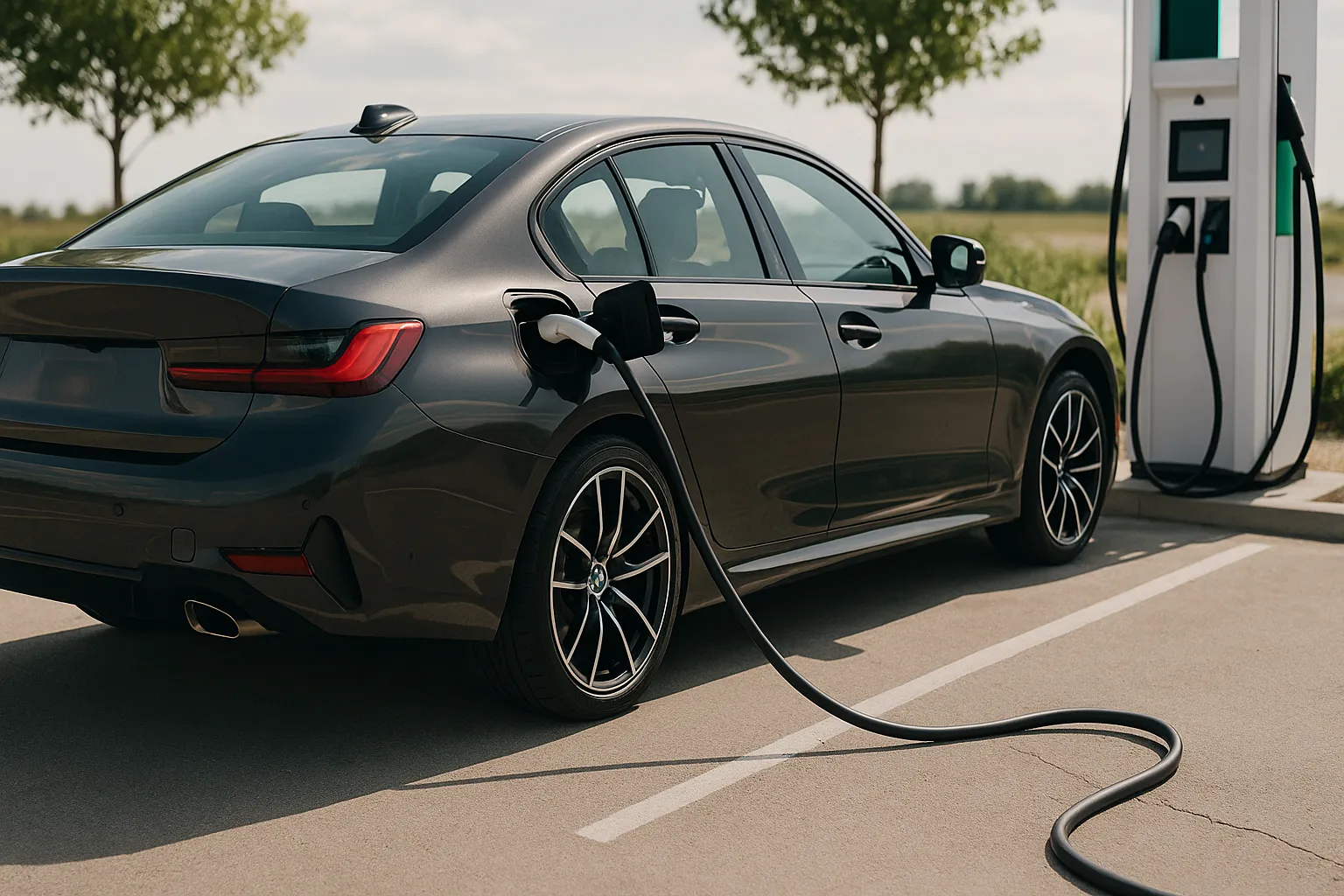
BMW has not released final specifications for the electric M3. Key numbers such as horsepower, torque, battery capacity, range, curb weight, charging speed, and price remain unconfirmed. That leaves plenty of room for speculation, especially because a four-motor EV could produce a very large output figure if BMW chose to tune it that way.
But the company’s current positioning suggests restraint may be deliberate. An electric M3 does not need to be the most powerful sedan on sale to succeed. It needs repeatable performance, thermal consistency, braking confidence, accurate steering, and software that enhances the driving experience rather than masking it.
That approach also reflects a broader reality in the EV market. Once acceleration times drop below a certain point, the differences become less meaningful in everyday driving. A car that reaches illegal speeds almost instantly is impressive, but it does not automatically make a commute, back-road drive, or track session more engaging. Buyers who care about the M3 name will likely judge the car on control and confidence as much as speed.
What this means for M3 loyalists
The electric M3 will have to win over a demanding audience. The M3’s history has been shaped by high-revving four-cylinder and six-cylinder engines, rear-wheel-drive balance, manual gearboxes, dual-clutch transmissions, turbocharged torque, and increasingly sophisticated all-wheel-drive systems. Not every generation has pleased every enthusiast, but each one has been measured against the same idea: a practical sedan with genuine performance-car depth.
An electric version removes some of the familiar ingredients. There will be no combustion soundtrack, no traditional gear changes, and no engine character in the old sense. For some buyers, that will be a deal-breaker. For others, the appeal will be different: immediate response, precise torque control, lower running costs in some use cases, and the ability to deliver high performance with fewer traditional driveline components.
The most important question is whether BMW can create a new kind of M character rather than imitating the old one. Artificial sound, simulated shifts, and aggressive drive modes can help create drama, but they cannot replace good chassis tuning. If the car feels intuitive and rewarding, it may broaden the definition of what an M3 can be. If it feels like a fast EV with M branding, longtime fans will notice quickly.
Why buyers should pay attention
For shoppers considering a future sport sedan, the electric M3 could mark a turning point. It will likely sit in a market where performance EVs are already quick, increasingly refined, and packed with technology. BMW’s advantage will not be novelty alone. It will need to offer a blend of usability, range, charging capability, and driver engagement that makes sense beyond the first test drive.
Ownership questions will matter as much as performance claims. Buyers will want to know how the car handles repeated hard driving, how quickly it can charge on road trips, how much range is lost in cold weather or track use, and how expensive tires and brakes will be on a heavy high-performance EV. Software support and battery durability will also be part of the long-term value equation.
For current M3 owners, the electric model may not be a direct replacement in feel, but it will define where the nameplate goes next. BMW has the difficult task of moving one of its most important enthusiast cars into the EV era without reducing it to a spec-sheet exercise.
A broader industry signal
The electric M3 also matters beyond BMW. Performance brands are learning that EV credibility cannot depend only on huge output and dramatic launch-control runs. As more electric sport sedans and coupes arrive, the separating factors will be steering, brake feel, weight management, thermal performance, software calibration, and emotional connection.
BMW’s decision to emphasize feel over peak power is a sign that the next phase of electric performance will be more mature. The first wave of high-powered EVs proved that battery cars can be extremely quick. The harder task now is proving they can be genuinely involving.
The electric M3 is not fully defined yet, and final judgment will have to wait until production specifications and driving impressions are available. But BMW’s stated direction is clear: the first electric M car is being shaped around the qualities that made the M3 matter in the first place. If BMW gets that right, the car could become more than a fast electric sedan. It could become the model that shows how an iconic driver’s car survives a change in propulsion.