BMW’s New X5 Stays Road-Focused Because That Is How Most Owners Use It
BMW has outlined why the 2027 X5 is not being repositioned as a serious off-roader, even as rugged luxury SUVs gain attention. The short version: X5 customers prioritize comfort, performance, technology, and everyday capability over trail hardware.
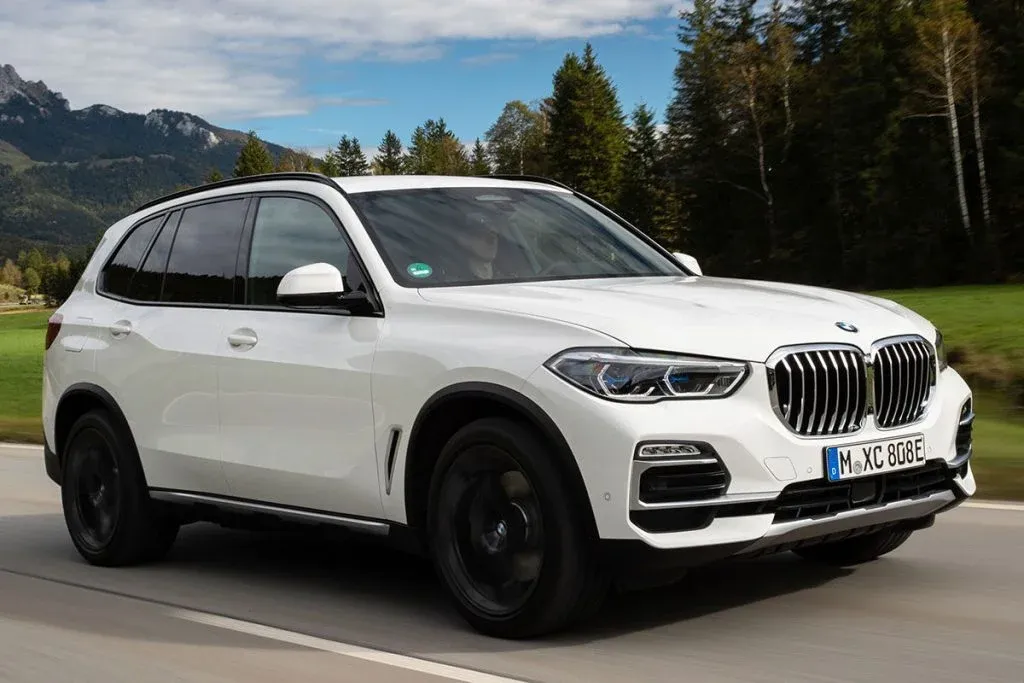
BMW is keeping the X5 in its lane
The 2027 BMW X5 is shaping up to be one of the broadest and most technologically ambitious versions of BMW’s long-running luxury SUV. It is expected to offer a wide spread of powertrain choices, a more modern design direction, and an expanded suite of driver-assistance features. What it is not becoming, however, is a dedicated off-road machine.
BMW’s reasoning is straightforward: most X5 buyers do not use the vehicle that way. The company’s view is that the X5 already provides more bad-weather, rough-road, and light-trail capability than the typical owner requires, while the things customers value most are still on-road comfort, performance, refinement, efficiency, interior technology, and premium feel.
That decision is significant because the luxury SUV market is splitting in two directions. One side is pushing further into high-speed, high-tech road performance. The other is embracing a more rugged image, with models such as the Land Rover Defender, Mercedes-Benz G-Class, Lexus GX, and certain Jeep Grand Cherokee trims proving that upscale buyers still like the idea of real trail credibility. BMW could have used the next X5 to chase that trend more directly. Instead, it is keeping the X5 closer to the role it has played for decades: a premium family SUV with a strong road bias.
Why BMW is not chasing hardcore off-road buyers
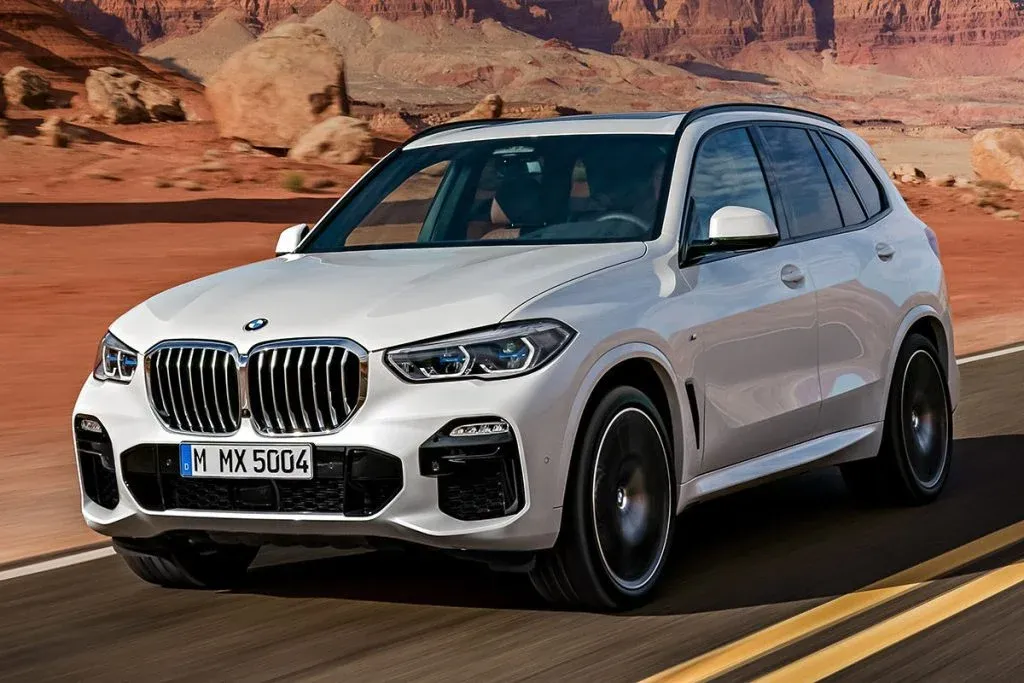
The X5 has never been a bare-bones 4x4. When the original model arrived, BMW marketed it around sporty on-road behavior rather than traditional truck-like capability. That positioning helped define the modern luxury crossover: high seating position, all-wheel-drive confidence, premium cabin, and car-like dynamics.
That formula remains central to the X5’s appeal. Most owners use the vehicle for commuting, school runs, highway travel, winter driving, towing within reasonable limits, and occasional unpaved roads. For those jobs, a lower, more road-tuned SUV can be more satisfying than a taller, heavier, more off-road-oriented vehicle.
A more serious trail setup would bring trade-offs. Greater ground clearance can make entry and exit harder and may compromise aerodynamics. Chunkier tires can add road noise and reduce steering precision. Underbody protection, locking differentials, more complex suspension hardware, and off-road drive modes can increase cost and weight. For a vehicle that sells primarily on comfort and everyday usability, those changes may not improve the ownership experience for the majority of buyers.
There is also the matter of brand identity. BMW buyers often expect responsive handling and a polished highway ride, even in an SUV. Turning the X5 into a rival for the Defender or G-Class would risk diluting what many customers already like about it.
The X5 still needs real-world capability
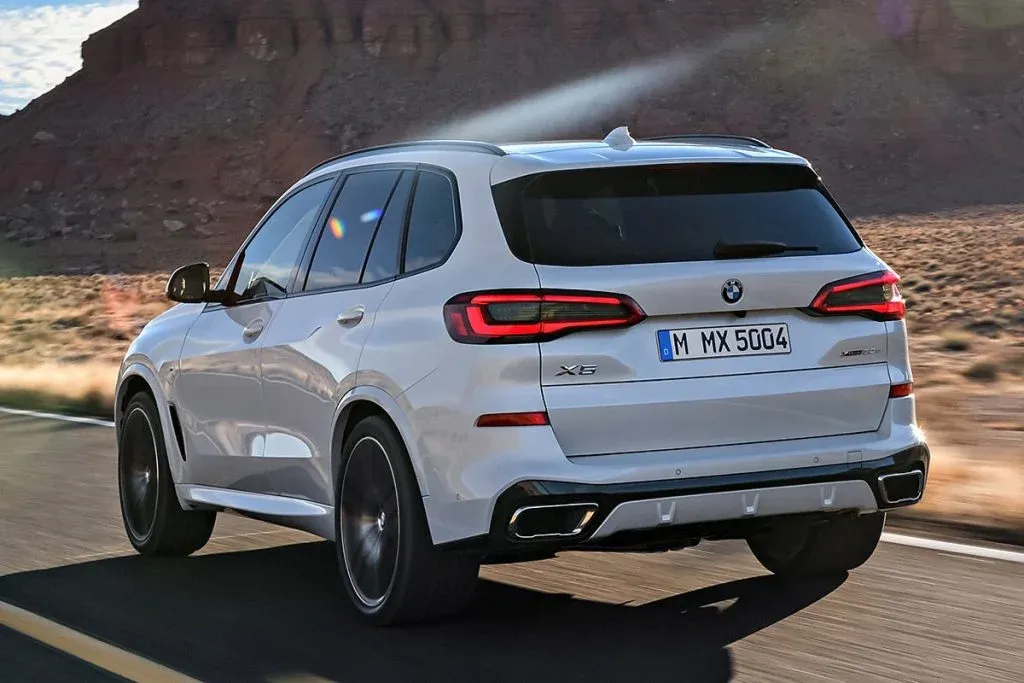
Keeping the X5 road-focused does not mean BMW can ignore capability. Luxury SUV shoppers still expect all-weather traction, confidence on broken pavement, and enough versatility for active lifestyles. A vehicle in this class must handle snow, gravel driveways, muddy parking areas, steep ramps, and occasional off-pavement detours without drama.
That is a different mission from rock crawling or overlanding. For many buyers, capability is about assurance rather than adventure. They want to know the vehicle can manage a ski trip, a rural property, a boat ramp, or a rough construction access road. They may never need a low-range transfer case or locking axle.
This distinction matters because automakers increasingly sell image as much as hardware. A luxury SUV can look rugged without being optimized for harsh trails, and a vehicle can be genuinely useful without being a specialist. BMW appears to be drawing that line carefully with the new X5.
A broader powertrain strategy matters more
The next X5’s powertrain breadth may end up being more important to buyers than any off-road upgrade. While final market-specific details can vary, the model is expected to continue serving a wide range of customers rather than moving to a single propulsion strategy.
That could include combustion engines, electrified variants, and plug-in hybrid choices depending on region and timing. BMW has also been developing hydrogen fuel-cell technology with the X5 nameplate, though availability and production plans remain subject to market readiness and infrastructure. The larger point is that BMW sees the X5 as a flexible global product at a time when regulations, fuel prices, charging access, and buyer preferences differ widely.
For shoppers, that flexibility can be more useful than additional trail equipment. A buyer in a dense urban area may prioritize electric driving range from a plug-in hybrid. A long-distance driver may prefer a conventional or mild-hybrid engine. A performance-oriented customer may look toward an M-tuned version. An off-road package would serve a narrower audience.
Technology is part of the positioning
The 2027 X5 is also expected to lean heavily into advanced driver assistance and digital cabin features. That is consistent with where the premium SUV market is headed. Buyers in this segment increasingly compare infotainment, automated driving support, display quality, voice control, parking assistance, and software updates as much as horsepower or towing figures.
This is another reason BMW may be reluctant to over-rotate toward off-road hardware. A modern X5 has to compete with luxury EVs, plug-in hybrids, high-performance crossovers, and tech-heavy family SUVs. Its core customers are likely to spend far more time interacting with screens, navigation systems, driver-assist features, and comfort settings than using a dedicated rock mode.
For the industry, this reflects a broader shift. Off-road branding is popular, but data-driven product planning still matters. If usage patterns show that customers rarely leave pavement, automakers have little incentive to add costly hardware that reduces efficiency or raises prices.
Could BMW still build a tougher SUV?
A more rugged BMW SUV is not impossible. There has been discussion around the idea that BMW could eventually offer a different model aimed more directly at vehicles such as the Defender and G-Class. That remains uncertain, and no confirmed product details should be assumed.
If BMW does pursue that path, separating it from the X5 would make sense. A dedicated off-road-oriented model could adopt a taller stance, more protective bodywork, stronger trail hardware, and a different design personality without forcing every X5 buyer to pay for equipment they do not need. It would also let BMW test demand for a tougher luxury SUV while preserving the X5’s established role.
That strategy would mirror how other brands divide their SUV lineups. A road-biased luxury crossover can coexist with a more adventure-focused model, as long as each has a clear purpose.
What this means for buyers
For shoppers considering the 2027 BMW X5, the message is simple: expect a premium road SUV, not a hardcore expedition vehicle. That should be reassuring for many buyers. If the X5 continues to emphasize refinement, performance, efficiency options, and cabin technology, it will remain aligned with how most owners actually use it.
Buyers who regularly tackle difficult trails, deep ruts, rocks, or remote overland routes should look elsewhere or wait to see whether BMW develops a separate rugged SUV. The X5 may be capable enough for snow, gravel, and light off-road use, but it is not being positioned as a substitute for a purpose-built 4x4.
For enthusiasts, the decision may feel conservative, especially in an era when rugged luxury vehicles carry strong cultural appeal. But from a product-planning standpoint, it is logical. The X5 became successful by blending SUV practicality with BMW’s road manners, not by imitating traditional off-roaders.
The 2027 model appears set to continue that philosophy. In a crowded luxury SUV market, BMW is betting that most X5 customers still want a refined, advanced, road-focused vehicle with enough capability for real life — not a trail rig they will rarely use.