BMW Says Its Electric Sport Sedan Will Be Called M3, Not iM3
BMW has confirmed that its future battery-electric M3 will keep the core M3 name, ending speculation that the model would be separated from its gasoline counterpart with an iM3 badge.
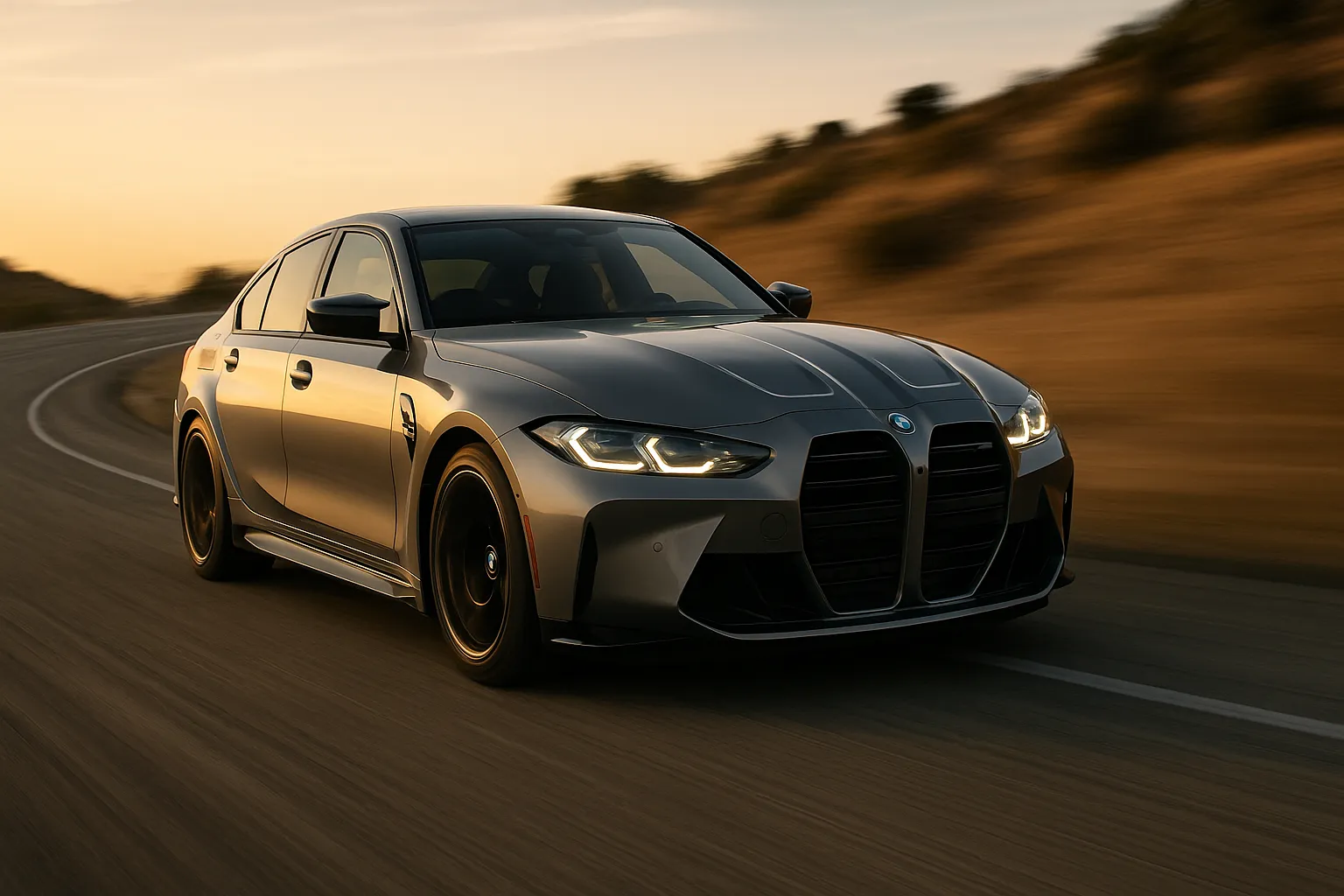
BMW’s future electric M3 will not be spun off under a separate i-branded performance name. The company’s M division has confirmed that the battery-electric version of its benchmark sport sedan will use the M3 badge, putting to rest speculation that the car would be called iM3.
That decision may sound like a naming detail, but it carries real weight. The M3 is one of BMW’s most valuable enthusiast nameplates, with a history stretching back to the 1980s and a reputation built around compact size, motorsport influence, high-revving engines, rear-drive balance, and, more recently, all-wheel-drive performance. Applying the same name to an EV signals that BMW does not see electrification as a side branch of M. It sees battery power as part of the M3’s main lineage.
Why BMW Is Keeping the M3 Name
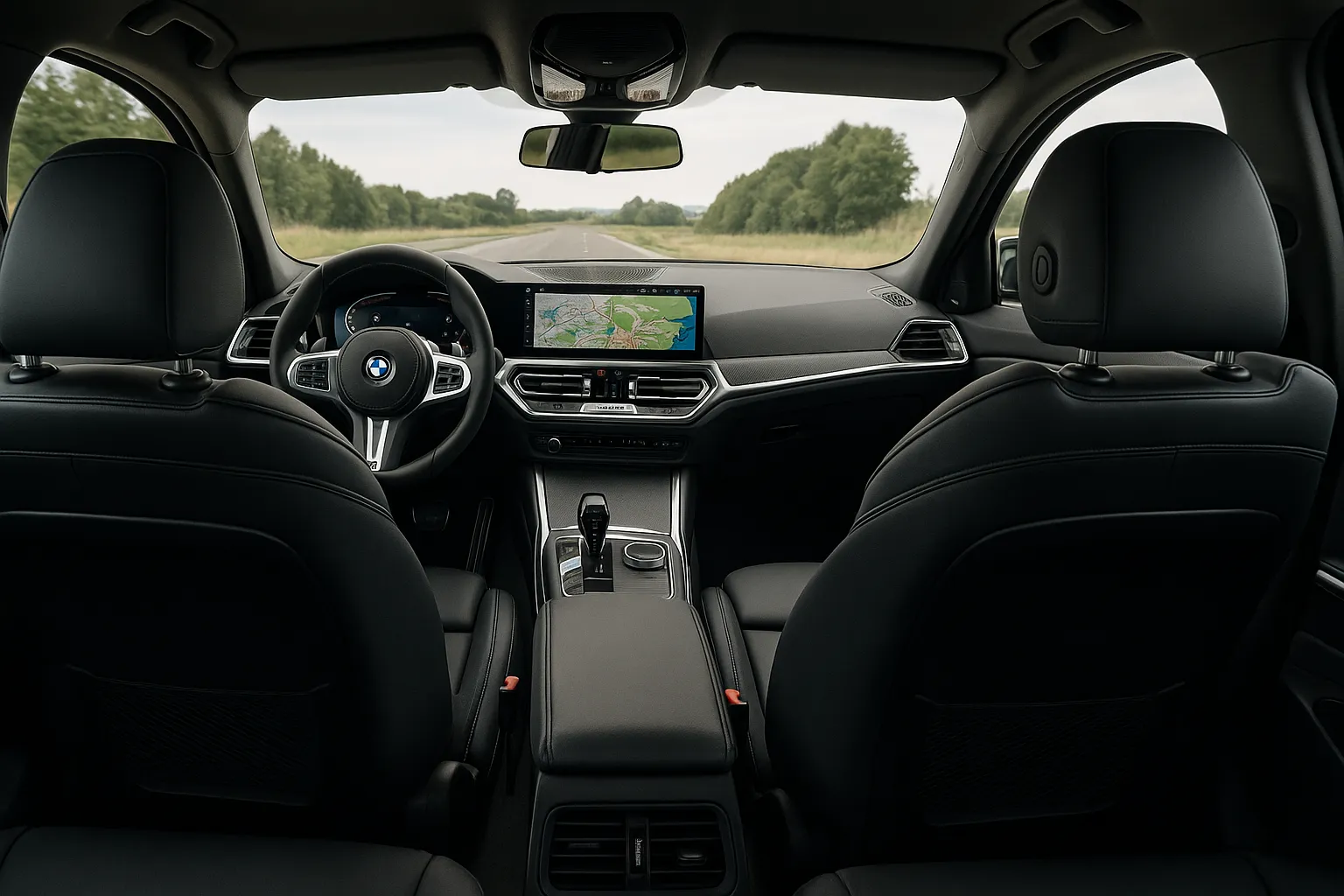
BMW already uses the letter “i” for electric vehicles such as the i4, i5, i7, and iX. That made an “iM3” badge plausible from the outside, especially as BMW prepares a new generation of EVs. But the confirmation that the car will simply be an M3 suggests a cleaner hierarchy: propulsion type may change, but the performance name stays.
For buyers, that matters because names help define expectations. An iM3 badge could have implied a related but separate electric model, perhaps positioned as an alternative to the traditional M3. Calling it M3 instead tells customers that BMW intends the EV to stand directly inside the same performance family.
It also helps avoid diluting a badge that has already become more complex over time. Today’s M lineup includes core M cars, M Performance models, Competition variants, xDrive versions, and limited-run specials. Adding another prefix to one of the brand’s most recognizable cars might have made the lineup harder to understand, particularly for shoppers comparing gasoline, hybrid, and electric choices.
The Badge Is Confirmed; The Specs Are Not

The name is now clearer than the car itself. BMW has not fully detailed the electric M3’s output, battery size, range, charging hardware, dimensions, curb weight, pricing, or market launch timing. Those details will determine how successfully the car translates the M3 formula into the EV era.
Performance EVs are already capable of delivering acceleration figures that would have been exotic-car territory not long ago. The harder task for BMW M will be making the electric M3 feel like more than a fast sedan with a famous badge. Enthusiasts will be watching for steering feel, brake consistency, thermal management, track durability, weight control, and chassis adjustability — the qualities that separate an M car from a quick luxury EV.
BMW also has to balance traditional M3 attributes with the strengths and compromises of electric propulsion. Instant torque and precise motor control can improve traction and response. A low-mounted battery pack can help the center of gravity. But battery mass is a major challenge, and repeated high-load driving can expose weaknesses in cooling systems and brakes if the engineering is not robust.
What It Means for the Gasoline M3
The confirmation that the electric model will wear the M3 name does not, by itself, answer every question about the gasoline version’s future. BMW currently sells combustion-powered M3 models, and the current generation has given buyers a broad spread of configurations, including manual and automatic transmissions in different markets and rear- or all-wheel-drive layouts depending on trim.
The key point is that BMW is not reserving the M3 badge only for internal combustion. Whether electric and gasoline M3 variants overlap for an extended period, how they are differentiated, and which markets receive which versions remain separate product questions.
If both powertrains coexist, BMW will need a clear naming structure to prevent confusion. That could mean additional identifiers tied to body style, drivetrain, output level, or trim, but the core message is now established: electric power will not disqualify a car from being called an M3.
A Bigger Industry Shift
BMW is not alone in facing this branding problem. Performance divisions across the industry are deciding how to carry famous names into the electric age. Automakers can either create new EV sub-brands or transfer established badges to battery-powered models. Each path has risks.
A new name can give engineers freedom to redefine the product without angering loyalists. But it may also lack heritage and emotional pull. A legacy badge brings instant recognition, yet it also invites direct comparison with decades of beloved predecessors.
BMW’s decision leans toward continuity. The company appears to be betting that the M3 badge is strong enough to survive a change in propulsion — and that the EV will be strong enough to justify the badge.
That is a significant statement for the performance-car market. It reflects a broader move away from treating EVs as separate technology products and toward integrating them into normal model lines. For mainstream buyers, that can make electric vehicles easier to understand. For enthusiasts, it raises the stakes: the electric car must live up to the same name, not a protected sub-label.
Why Buyers Should Care
For shoppers considering a future performance sedan, the naming decision affects more than garage conversation. It can influence resale perception, insurance classification, dealer ordering, comparison shopping, and long-term collectability. A car called M3 will be judged against M3 standards, and that could help preserve the model’s status if BMW gets the execution right.
It also gives potential buyers a clearer signal about BMW’s product priorities. The electric M3 is not being presented as a compliance model or a niche experiment. It will carry one of the company’s most important badges, which means expectations for handling, performance, quality, and driver engagement will be high.
Current M3 owners may see this as a turning point. The M3 name has already evolved through four-cylinder, six-cylinder, V8, turbocharged, rear-drive, and all-wheel-drive eras. Electric power will be the biggest change yet, but it fits a pattern: BMW has repeatedly altered the formula while trying to protect the car’s role as its defining compact performance sedan.
The Real Test Comes Next
The badge decision settles one debate, but the harder test is still ahead. BMW must prove that an electric M3 can deliver the precision, stamina, and emotional connection expected from an M car. Straight-line speed alone will not be enough; the market already has plenty of very quick EVs.
By keeping the M3 name, BMW has made its intent plain. The future electric sport sedan will not stand outside the M3 story. It will become part of it.