Cadillac Plans a Gas-SUV Comeback for the XT5 and XT6
Cadillac is preparing to return the XT5 and XT6 to its lineup with combustion engines, giving luxury SUV shoppers more non-EV choices as the brand continues expanding its electric range.

Cadillac is preparing to bring back two familiar gasoline-powered SUVs: the XT5 and XT6. The move would restore a pair of combustion-engine crossovers that had been headed out of the lineup, giving the brand a broader bridge between its traditional luxury SUV business and its growing electric-vehicle portfolio.
The important point for shoppers is simple: Cadillac is not moving in a straight line from gas SUVs to EVs. Instead, it appears to be preserving room for internal-combustion models in the segments where many luxury buyers still want them. The returning XT5 and XT6 are expected to use gas engines, though Cadillac has not yet detailed timing, pricing, powertrains, trim structure, production location, or whether the revived models will be fully redesigned or updated versions of existing vehicles.
That uncertainty matters. A revived nameplate can mean anything from a lightly revised continuation model to a new-generation vehicle with different architecture, technology, and packaging. Until Cadillac confirms specifications, the safest read is that the XT5 and XT6 are returning as combustion-powered entries intended to keep the brand competitive in two high-volume luxury SUV spaces.
Why the XT5 and XT6 still matter
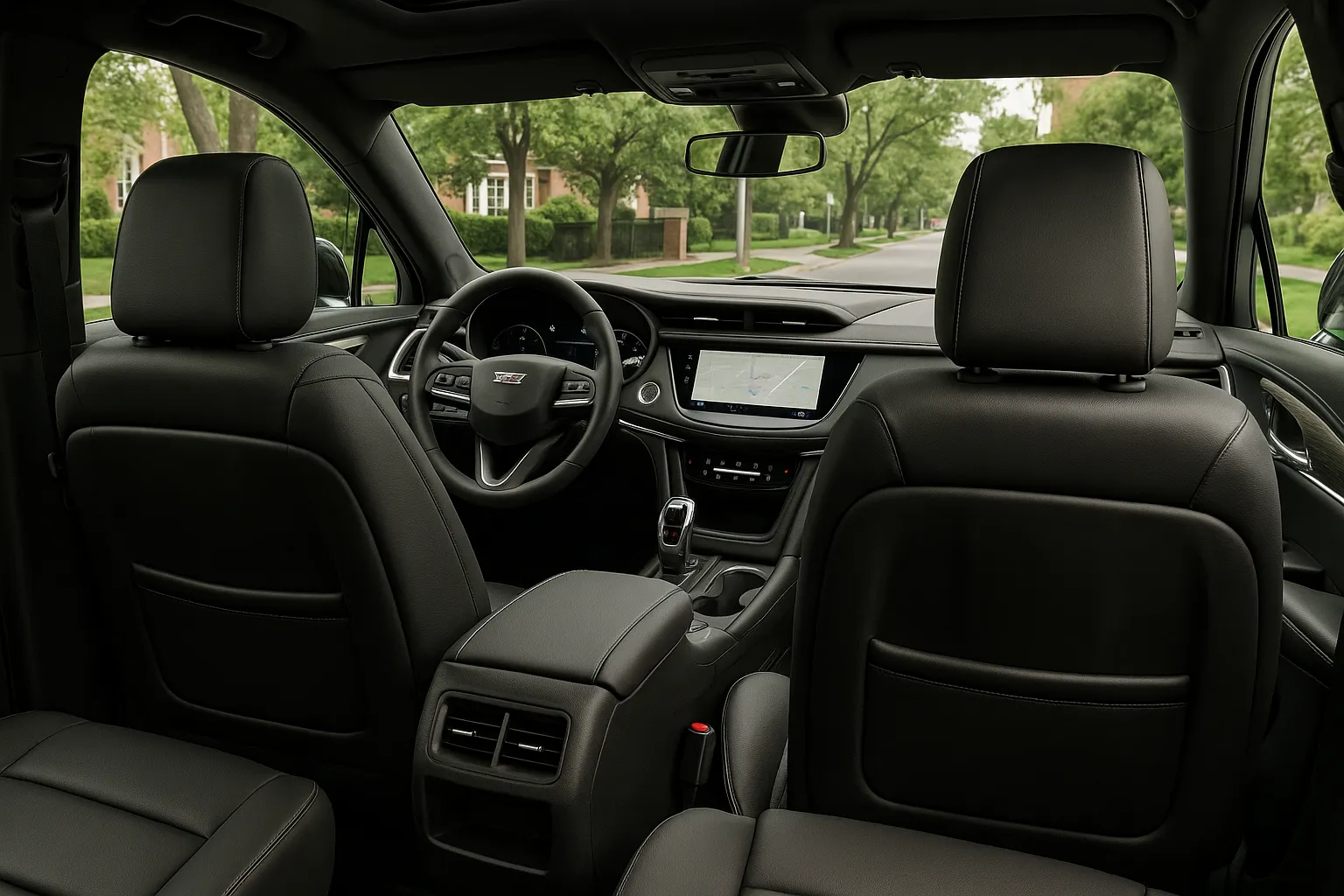
The XT5 has long served as Cadillac’s two-row luxury crossover above the smaller XT4 and below larger family-focused offerings. It sits in a part of the market where buyers often want comfort, cargo space, all-wheel drive availability, and a premium badge without stepping up to a large three-row SUV. For many households, this is the everyday luxury vehicle: school runs, commuting, weekend travel, and light road-trip duty.
The XT6 fills a different role. It is Cadillac’s three-row crossover for buyers who need more seating flexibility but do not necessarily want the size, price, or truck-based feel of an Escalade. That position is important because three-row luxury SUVs remain a major draw for families, especially in North America. Buyers in this segment often compare practicality, quietness, driver-assistance features, infotainment, cargo space, and lease pricing as much as horsepower or brand heritage.
Bringing both models back gives Cadillac more coverage in the heart of the luxury SUV market. It also reduces the risk of asking too many customers to make the jump directly into an EV before they are ready.
A sign of a more flexible Cadillac strategy
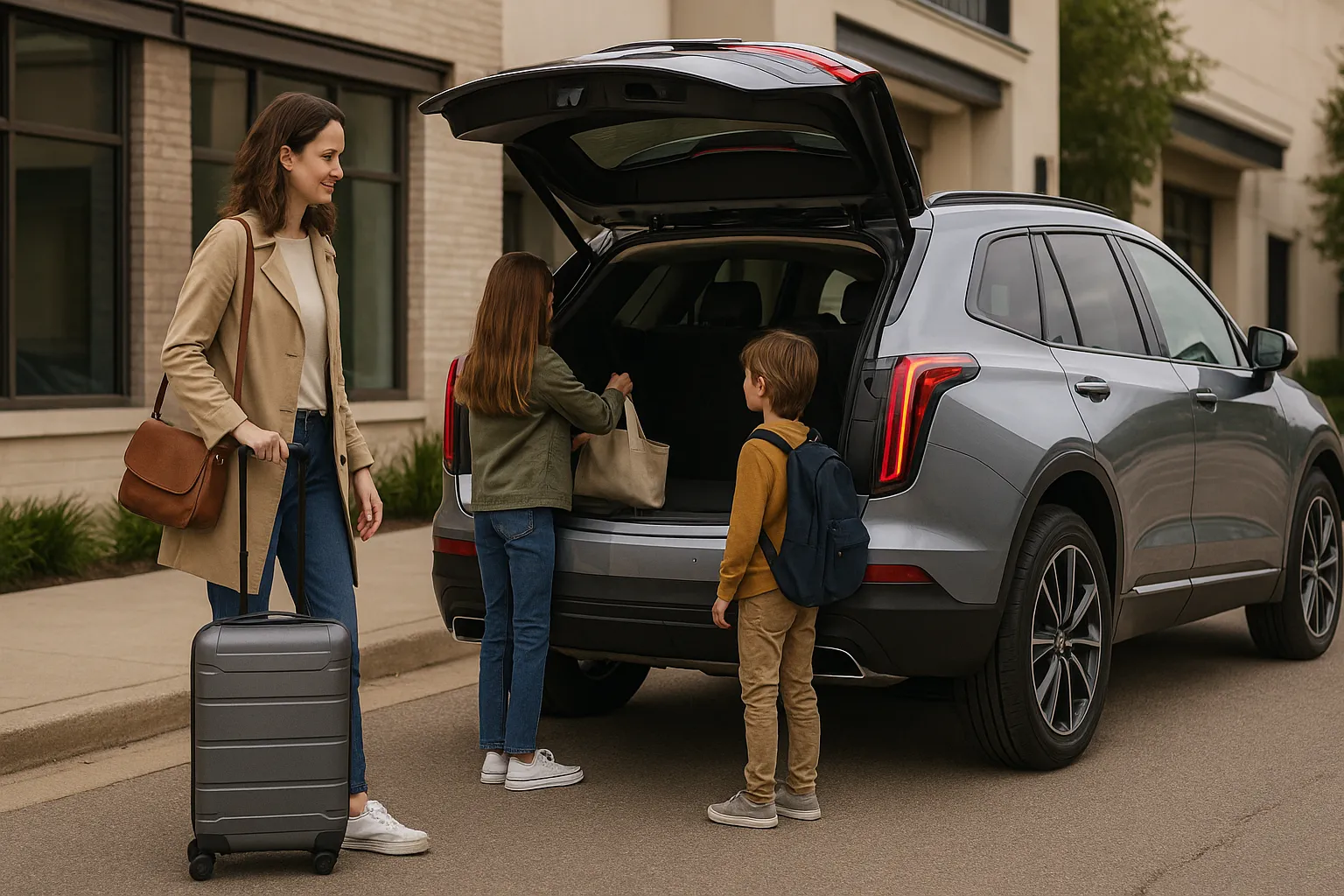
Cadillac has been one of General Motors’ most visible EV-focused brands, with electric models such as the Lyriq and newer electric SUVs positioned as central to its future. That direction has not changed. The brand’s EV range is expanding, and Cadillac’s long-term identity is increasingly tied to battery-electric luxury vehicles.
But the return of the XT5 and XT6 suggests a more flexible product plan than a rapid gas-to-electric cutoff. Luxury buyers are interested in EVs, but adoption varies widely by region, charging access, household needs, and price sensitivity. A buyer with home charging and predictable daily mileage may be ready for an electric Cadillac. Another buyer who tows occasionally, parks on the street, drives long distances in cold weather, or lives far from reliable charging may still prefer a gasoline SUV.
For Cadillac dealers, gas SUVs also matter because they provide familiar inventory in segments that remain easier to sell in many markets. EVs require more customer education, charging conversations, and sometimes different financing considerations. A balanced showroom with both EVs and combustion models can help dealers serve a wider range of shoppers.
What buyers should watch for
The biggest unanswered question is what form the revived XT5 and XT6 will take. If Cadillac launches substantially updated versions, buyers should look for changes in infotainment, driver-assistance technology, interior materials, ride refinement, and powertrain efficiency. These areas are especially important because the luxury crossover segment has become more competitive, with rivals offering larger screens, quieter cabins, hybrid options, and increasingly advanced safety systems.
Powertrain strategy will be particularly important. Cadillac has not released final details, so it is unclear whether the returning SUVs will use familiar gasoline engines, new turbocharged options, hybrid assistance, or a simplified lineup. Fuel economy and performance will shape how well the models compete, especially as premium buyers weigh gas SUVs against electric alternatives that offer strong acceleration and lower home-charging costs.
Pricing will also determine the impact. If the XT5 and XT6 return as value-oriented luxury entries, they could appeal to buyers who want a Cadillac SUV without stretching to newer EV models or an Escalade. If they move upmarket, Cadillac will need to justify the positioning with stronger technology, design, and refinement.
Owners may benefit too
Current XT5 and XT6 owners could see practical advantages if the nameplates return. Continued model support can help with parts availability, dealer familiarity, accessories, and resale confidence. Vehicles that disappear from a lineup can sometimes become less visible to shoppers, which may affect used-market interest. A comeback keeps the names active and could make existing owners feel less stranded by a product transition.
That does not guarantee stronger resale values, but it can help preserve awareness. For owners considering a trade-in, the return of the models may also provide a more natural upgrade path within the Cadillac brand.
The wider industry takeaway
Cadillac’s decision reflects a broader reality across the auto industry: the EV transition is progressing, but not evenly. Automakers are investing heavily in electric vehicles, yet many are also reassessing how quickly to retire profitable gas models. SUVs remain central to brand volume and dealer profitability, and luxury buyers have not abandoned combustion engines all at once.
For enthusiasts, the XT5 and XT6 are not performance icons in the way a Blackwing sedan or Escalade V might be. Their significance is more strategic. They show how Cadillac is trying to manage two priorities at once: pushing into an electric future while continuing to serve buyers who still want the convenience, range, and familiarity of gasoline power.
For shoppers, the takeaway is worth watching. If you are considering a Cadillac SUV and are not ready for an EV, the brand’s gas-powered options may soon become more robust than expected. If you are open to electric, the revived XT5 and XT6 may still matter because they could influence pricing, incentives, and how Cadillac positions its EVs.
More details will be needed before buyers can compare the returning XT5 and XT6 against Cadillac’s electric SUVs or against rival gas-powered luxury crossovers. For now, the message is clear: Cadillac’s future may be electric, but its near-term SUV strategy still has room for gasoline.