Canada Softens Chinese EV Tariffs, but Local Production Remains the Price of Full Access
Canada has lowered its tariff burden on Chinese-built EVs from 100 percent to 6.1 percent while keeping a 49,000-unit import quota. The policy shift could bring more affordable electric cars to showrooms, but broader access appears tied to automakers investing in Canadian production.
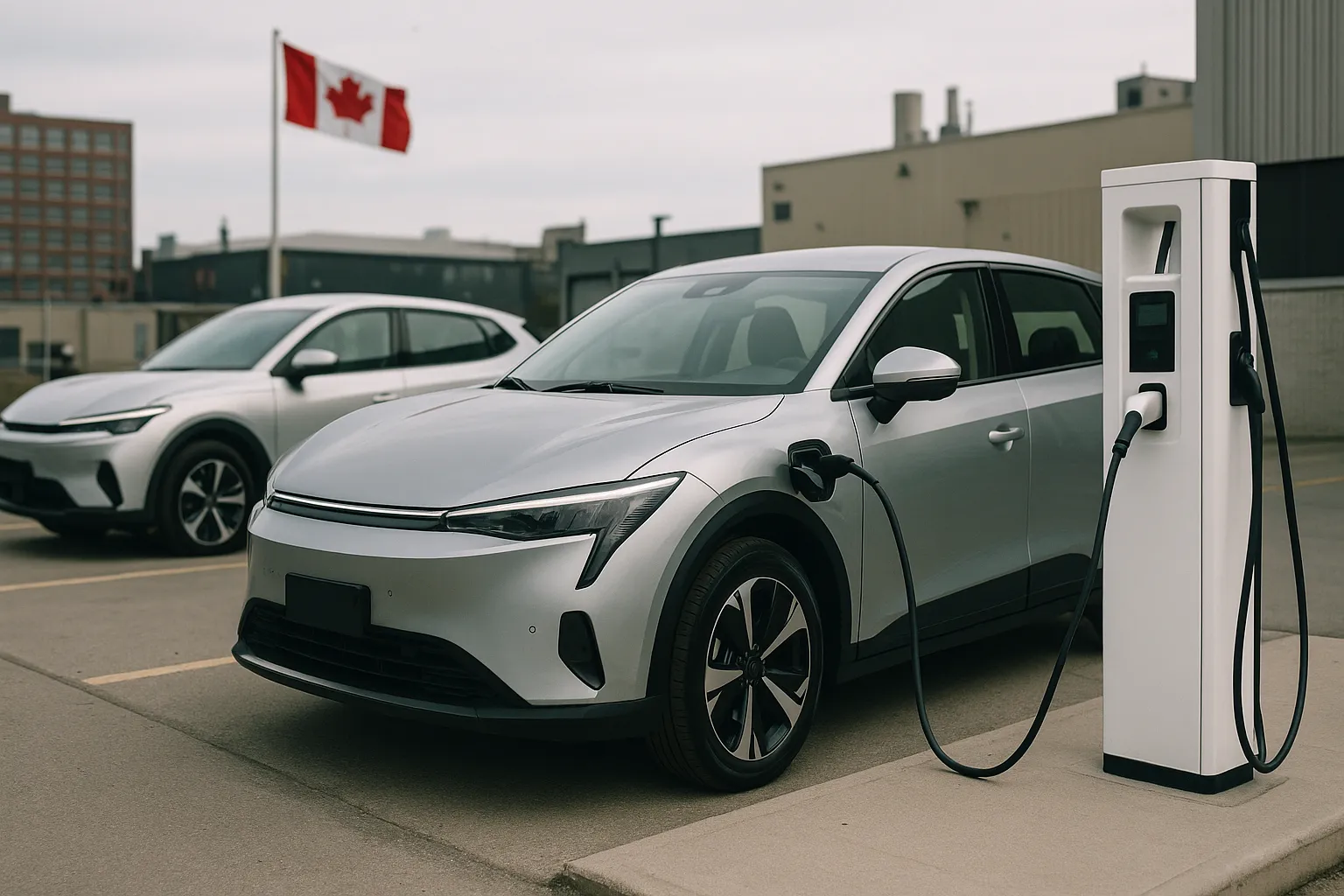
Canada is easing one of the toughest trade barriers aimed at Chinese-built electric vehicles, but the country is not simply throwing open the gates.
The tariff applied to Chinese EVs has been reduced from 100 percent to 6.1 percent, a major change that could make some imported electric models far more viable in the Canadian market. At the same time, Canada is keeping a volume cap in place: imports are limited to 49,000 vehicles under the current framework. Broader access is tied to local-build conditions, meaning automakers seeking larger-scale participation in Canada’s EV market will be expected to invest in Canadian manufacturing rather than rely only on imported vehicles.
The shift matters because it changes the conversation around Chinese EVs in North America. Instead of a near-total price wall, Canada now has a policy that allows some imports while using market access as leverage for domestic investment.
What changed
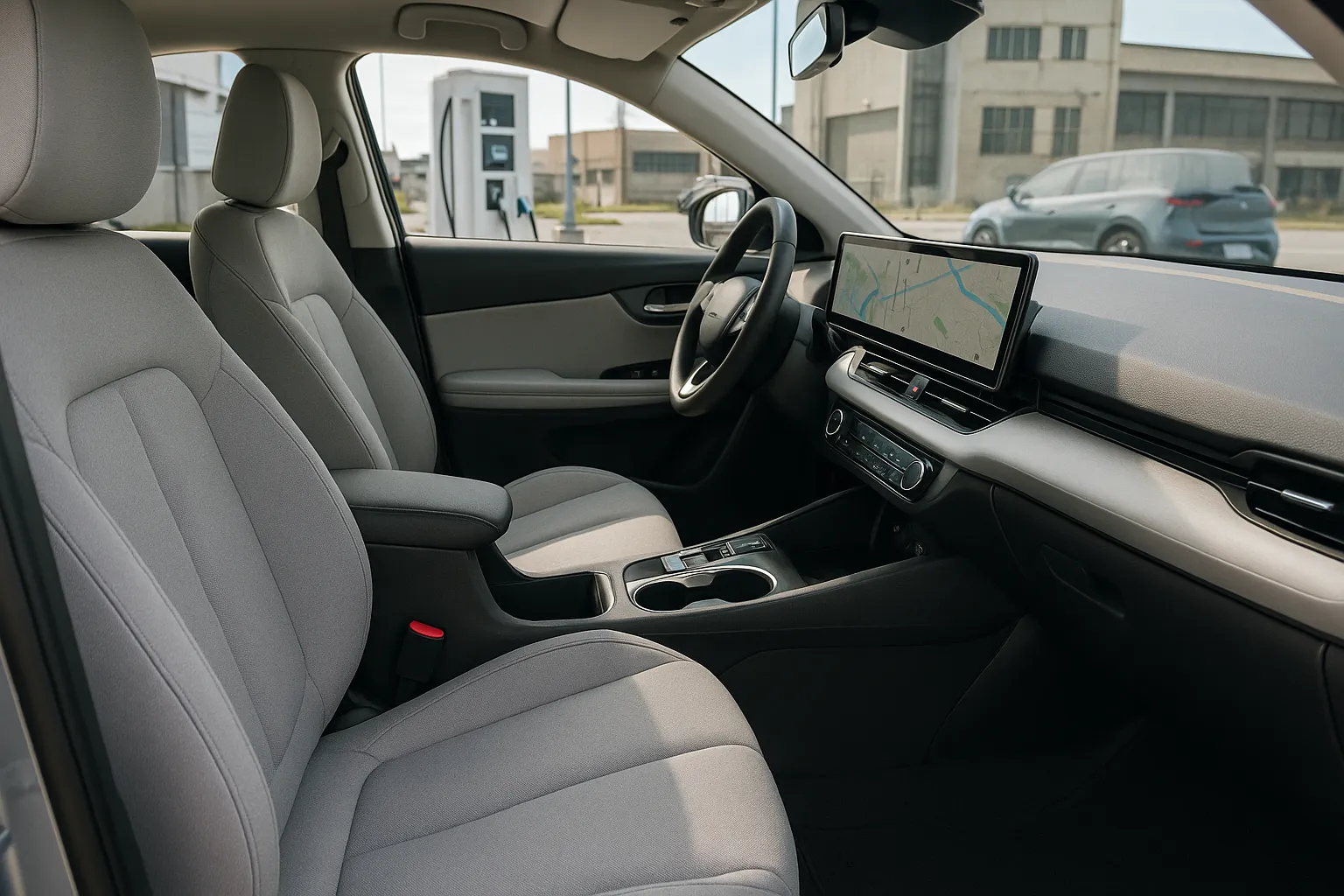
A 100 percent tariff effectively doubles the customs value of a vehicle before other costs are added. For a price-sensitive EV segment, that kind of duty can remove any advantage a lower-cost model might have had. Cutting that rate to 6.1 percent is a substantial easing and could allow more Chinese-built EVs to be priced competitively, at least within the quota.
The 49,000-unit cap remains an important limiter. Canada is not yet creating an unrestricted path for large volumes of Chinese-made electric cars. Instead, the structure appears designed to test demand, manage competitive pressure on existing automakers, and encourage companies to create jobs and supply-chain activity inside Canada.
The rules also matter because tariffs are tied to where a vehicle is built, not simply where a company is headquartered. A Chinese-owned brand is the obvious example, but any global automaker using Chinese production for Canadian-bound EVs could be affected by the policy. That distinction is important for shoppers, because the badge on the hood may not tell the whole story.
What it means for car buyers
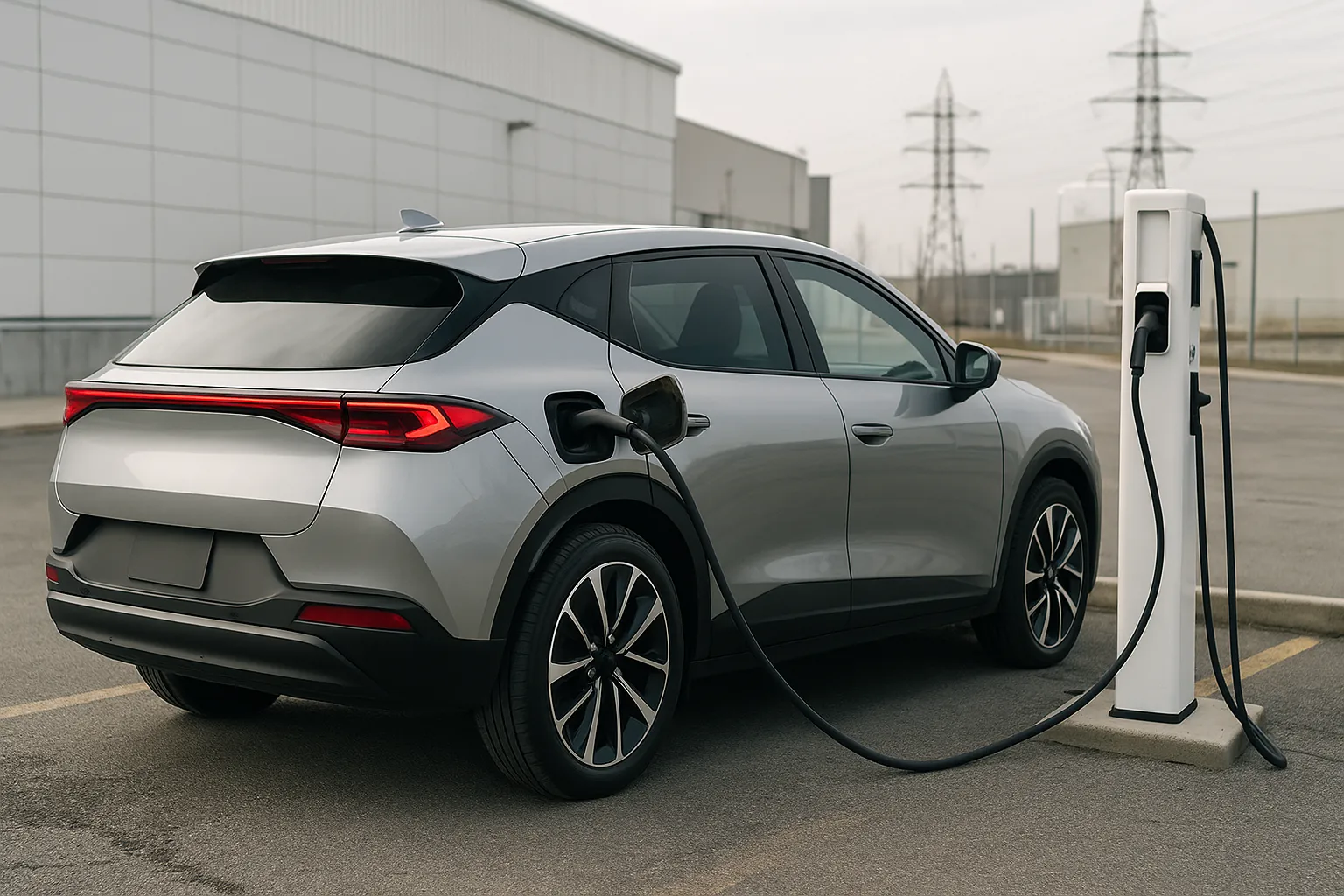
For Canadian shoppers, the most immediate possibility is greater choice. China’s domestic EV market has become one of the most competitive in the world, with intense pressure on prices, fast product cycles, and rapid adoption of battery-electric and plug-in hybrid technology. If even a portion of those products reaches Canada, consumers could see more options in compact crossovers, city cars, family EVs, and potentially lower-cost models that have been scarce in North America.
Price is the bigger question. A lower tariff should reduce the penalty on eligible imports, but that does not automatically mean bargain EVs will arrive overnight. Automakers still have to meet Canadian safety, charging, emissions, software, warranty, and service requirements. They also need retail networks, parts distribution, technician training, financing partners, and winter-validation confidence for a market where cold-weather performance matters.
The quota also creates uncertainty. If demand exceeds the 49,000-unit limit, supply could be tight, and limited availability can blunt price competition. Early models may be concentrated in provinces with stronger EV adoption and more charging infrastructure, such as British Columbia, Quebec, and Ontario.
Still, even the prospect of more competition could pressure established brands to sharpen lease deals, improve standard equipment, and accelerate lower-priced EV offerings. That may be the biggest near-term benefit for buyers, even before Chinese-brand showrooms become common.
What it means for owners
Existing EV owners may not feel an immediate change, but the policy could influence the ownership landscape over time. More brands and more models usually mean more competition in home charging packages, battery warranties, service pricing, and software features. It could also bring more pressure to improve range, efficiency, and cabin technology at lower price points.
There are risks, too. New entrants must prove they can support customers after the sale. Buyers considering a newly introduced brand should pay close attention to warranty terms, parts availability, dealer or service coverage, battery support, and software update policies. A low purchase price can lose its appeal if collision parts are difficult to obtain or if service coverage is thin outside major cities.
Resale value is another unknown. Canadian shoppers are familiar with Toyota, Honda, Ford, Hyundai, Kia, Volkswagen, Tesla, and other established players. New Chinese EV brands may need time to build trust, and early depreciation could be difficult to predict.
Why local production is the key condition
Canada’s policy appears to be aimed at balancing consumer choice with industrial strategy. The country wants access to more affordable EVs, but it also wants battery plants, assembly investment, supplier contracts, and manufacturing jobs. That is why tying expanded access to local production is politically and economically significant.
For automakers, the message is clear: importing a limited number of vehicles may be possible, but large-scale participation likely requires a Canadian footprint. That could mean final assembly, battery-pack work, component sourcing, or other investment tied to Canada’s EV supply chain. The exact structure will matter, because “local production” can mean very different things depending on how rules are written and enforced.
For Canada’s auto industry, the policy could be a tool to attract investment. Ontario already has deep manufacturing expertise, while Quebec has positioned itself around battery materials and clean-tech supply chains. If Chinese or China-linked EV companies want to grow in Canada, they may have to contribute to that ecosystem rather than simply ship finished vehicles across the Pacific.
Industry reaction will be divided
Legacy automakers are likely to view the lower tariff with caution. Many have invested heavily in North American EV production and have argued that Chinese manufacturers benefit from cost advantages, scale, and state-supported industrial policy. A lower tariff could intensify pricing pressure at a time when EV profitability remains difficult for many companies.
Dealers may see both opportunity and uncertainty. New brands can bring new customers, but they also require training, tooling, parts systems, and confidence that the manufacturer will remain committed to the market. Fleet operators, ride-hailing drivers, and cost-focused consumers could be among the first to pay attention if affordable models become available.
Enthusiasts may watch for a different reason: China’s EV sector is not only about low-cost transportation. It has also produced high-performance sedans, advanced battery systems, fast-charging architectures, and software-heavy interiors. Whether those products come to Canada will depend on business cases, regulations, and the local-build requirements.
A cautious opening, not a free-for-all
The headline change is the tariff reduction from 100 percent to 6.1 percent. The practical story is more nuanced. A quota remains, and the path to higher volume is linked to Canadian production commitments. That makes the policy neither a full retreat from trade protection nor an unrestricted invitation.
For buyers, the best-case outcome is more EV choice and stronger price competition without sacrificing service support. For the industry, the challenge is whether Canada can use access to its market to secure real manufacturing investment. The next signs to watch will be brand announcements, plant commitments, certification filings, dealer plans, and whether lower import costs translate into actual showroom prices.
Canada has not ended the debate over Chinese EVs. It has moved it into a more practical phase: if automakers want the Canadian market, they may need to build part of their future there.