Dodge Brings Back Power Dollars for Charger Buyers
Dodge is reviving its horsepower-based Power Dollars incentive, giving eligible Charger buyers a discount tied directly to output. The offer could matter most for shoppers cross-shopping high-performance trims.
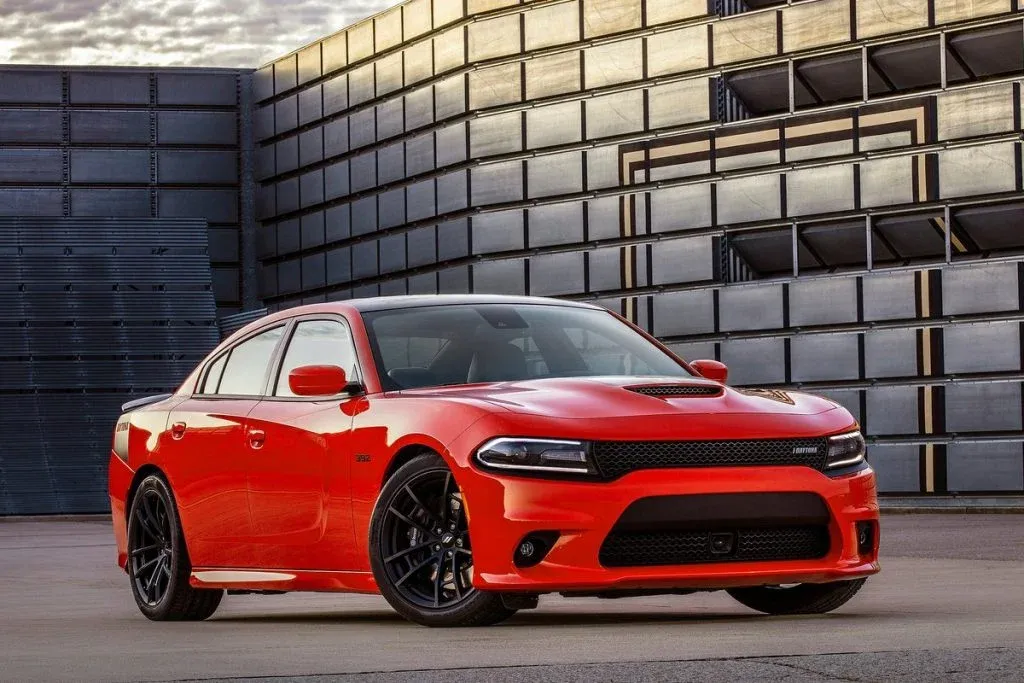
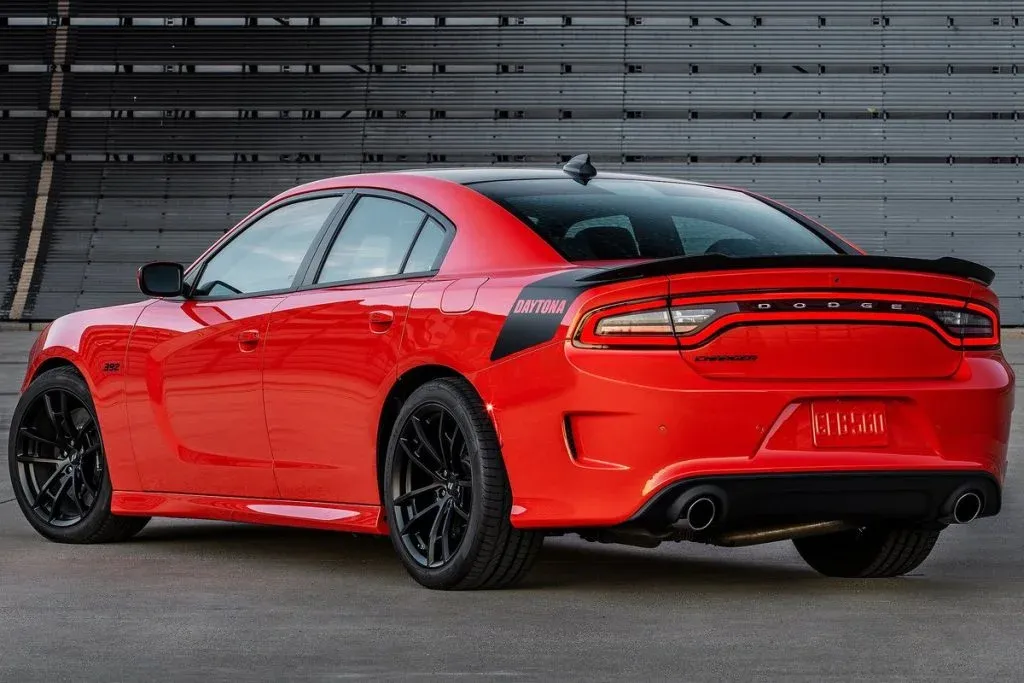
Dodge is bringing back one of its more memorable retail incentives: Power Dollars, a promotion that turns horsepower into a cash discount for Charger buyers. The formula is simple and very on-brand for Dodge: eligible shoppers receive $10 off for every horsepower their Charger makes.
That means the value of the incentive rises with output. A 420-horsepower Charger would translate to $4,200 in savings, while a 550-horsepower version would be worth $5,500 under the same formula. For performance shoppers, the appeal is obvious: the more powerful the car, the larger the discount.
The revived program matters because the Charger is in the middle of a major identity shift. Dodge has moved beyond the long-running previous-generation Hemi V8 sedan and coupe era and into a new Charger family that includes electrified and six-cylinder performance models. Incentives like this can help keep attention on the nameplate while buyers sort through a lineup that looks and feels different from the Chargers many enthusiasts have known for years.
What Power Dollars changes for shoppers
Traditional new-car incentives are often advertised as a flat rebate, a low-interest finance offer, or a lease special. Power Dollars is different because it is tied to the specification enthusiasts already care about: horsepower. That makes the discount easy to understand and easy to compare across trims.
For a buyer looking at a more powerful Charger, the program can make an upper trim more tempting. If the price gap between two versions is narrowed by a larger horsepower-based discount, some shoppers may decide to step up. That is exactly why the program is effective marketing: it rewards the same performance hierarchy Dodge uses to define the Charger.
Still, buyers should treat the advertised amount as a starting point rather than a final transaction price. Incentive eligibility can vary by model year, trim, region, financing method, inventory status, and dealer participation. Some offers cannot be combined with others, and the best deal may depend on whether the shopper is leasing, financing through a preferred lender, or paying cash.
The practical advice is straightforward: ask the dealer for an itemized quote that shows the Power Dollars amount separately from dealer discounts, trade-in value, taxes, fees, and any finance incentives. That makes it easier to see whether the horsepower rebate is truly reducing the price or merely replacing another offer.
Why Dodge is reviving it now

Power Dollars first stood out because it matched Dodge’s performance-focused personality. Rather than presenting a quiet rebate, the brand converted output into money and made the discount feel like part of the muscle-car experience. Bringing it back now gives Dodge a familiar hook at a time when the Charger is trying to appeal to both longtime fans and new buyers.
The timing also reflects a broader market reality. New-car affordability remains a challenge, and many performance vehicles have grown expensive. Higher interest rates, insurance costs, and transaction prices can make a powerful car harder to justify, even for buyers who are emotionally drawn to one. A clear cash incentive can help reduce that friction.
For Dodge, the offer also keeps the Charger in the conversation. The muscle-car segment has changed dramatically. Some traditional competitors have disappeared or moved into different roles, and the industry’s performance story is no longer centered only on big-displacement V8 engines. Dodge now has to sell performance in a market that includes turbocharged engines, electric drivetrains, software-enabled output upgrades, and buyers with very different expectations.
A horsepower-based rebate is a way to connect the new Charger era with the old one. It does not require Dodge to pretend nothing has changed. Instead, it keeps the brand’s message focused on output, acceleration, and attitude — values that still define the Charger badge.
A deal that favors higher-output trims
Because Power Dollars scales with horsepower, it naturally benefits the most powerful eligible versions. That can have an important effect on showroom behavior. A buyer who initially planned to choose a lower-output Charger may find the monthly payment difference to a higher-output model is smaller than expected once the incentive is included.
That does not automatically mean the bigger-power car is the smarter buy. Insurance premiums, tire costs, brake wear, energy or fuel use, and depreciation all matter. A larger rebate up front can be appealing, but shoppers should compare total ownership costs before deciding.
Enthusiasts should also pay attention to how the incentive applies to specific configurations. The modern Charger lineup spans different body styles and powertrain approaches depending on model year and availability. Not every advertised promotion necessarily applies equally to every car on a dealer lot. A discount connected to horsepower sounds simple, but the fine print still matters.
What it says about the industry
The return of Power Dollars is also a reminder that automakers are working harder to make incentives feel distinctive. In a crowded market, a generic rebate may not generate much attention. A branded offer tied directly to horsepower is more memorable, especially for a company whose identity is built around performance.
It also shows how performance brands are trying to manage the transition from familiar formulas to new ones. Many buyers still associate Dodge muscle with V8 sound and rear-drive character. The new Charger era asks those buyers to consider different technology while still believing the car fits the same emotional space. A promotion like this lowers the barrier and gives shoppers a reason to take a closer look.
Dealers may benefit as well. A simple incentive can help sales staff explain value quickly, especially when shoppers are comparing trims. It also gives advertising a clear message: more horsepower equals more money off. That clarity can be useful when consumers are already overwhelmed by complex finance terms and changing vehicle prices.
Bottom line
Dodge’s revived Power Dollars program is not just a cute slogan. For Charger buyers, it can represent thousands of dollars in potential savings, with the largest benefits attached to the most powerful eligible models. For Dodge, it is a way to reconnect a new-generation Charger with the brand’s performance heritage while addressing the affordability pressures facing today’s car market.
The best move for shoppers is to verify the exact incentive on the specific Charger they want, compare it with other available offers, and negotiate the full out-the-door price. If the numbers work, Power Dollars could make a more powerful Charger easier to justify — which is precisely the point of the program.