Fiat Topolino First Drive: Adorable Electric Microcar Has a Very Specific Job
Fiat’s Citroën Ami-based Topolino brings Italian charm to the quadricycle segment, but its limited range, speed and practicality make it a niche urban mobility tool rather than a true city-car replacement.
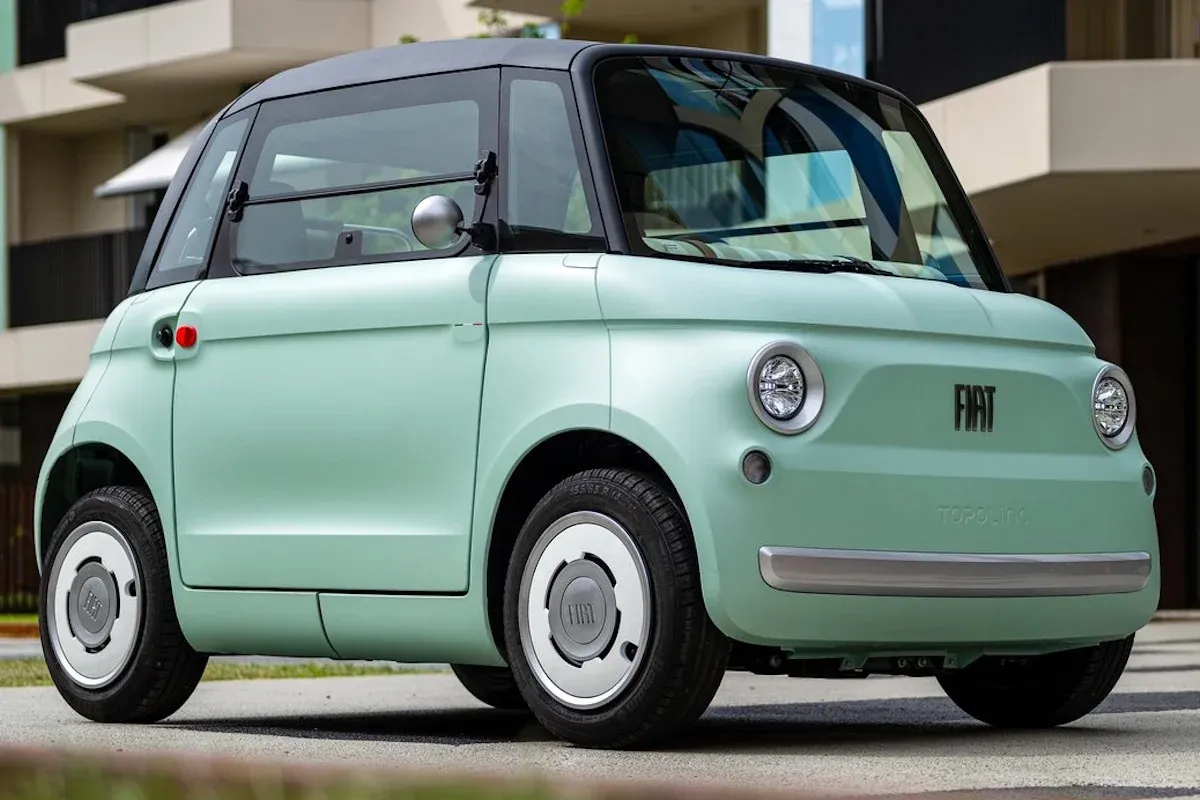
Fiat gives the microcar a smile
The Fiat Topolino is not trying to be a conventional small car. That is the most important thing to understand before judging it. This tiny electric two-seater is officially a quadricycle in Europe, sharing its basic package with the Citroën Ami, but Fiat has given the formula a far more expressive personality.
After time on the international launch in Italy, the Topolino’s appeal is easy to understand and equally easy to limit. It is cute, simple, inexpensive to run and ideally suited to very short urban trips. It is also slow, short-legged and far less practical than even the smallest proper city car. For buyers expecting a miniature Fiat 500, that distinction matters.
Fiat is preparing to bring the Topolino to the UK after it has already spent time on sale in mainland Europe. It will also sit at the start of a broader electric micromobility push from the brand, with a three-wheeled Tris commercial vehicle and a four-seat Multiplina planned to follow. That makes this more than a novelty: it is Fiat testing whether there is meaningful demand for ultra-compact electric transport below the size, speed and cost of a normal car.
What the Topolino is — and is not
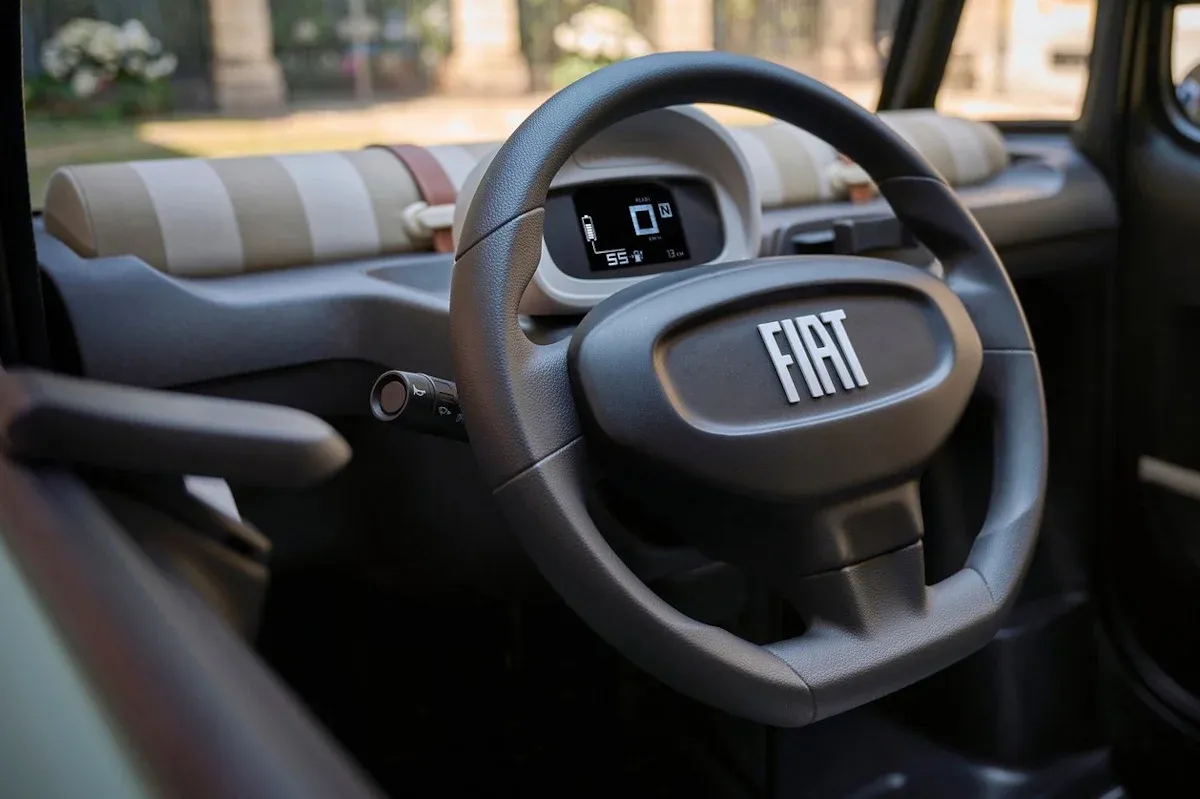
The Topolino is best thought of as an urban mobility device with doors, a roof and a steering wheel. Its quadricycle classification brings clear compromises. Performance is modest, motorway use is out of the question, and its useful operating radius is small. The focus is on low-speed city streets, holiday resorts, campuses, private estates and short local errands.
That narrow brief is both the Topolino’s strength and weakness. In the right setting, it makes a great deal of sense. It occupies little road space, should be simple to park, and uses electric power in a way that avoids the bulk and expense of a full-size EV. In the wrong setting, it will feel exposed, slow and inconvenient.
Fiat has leaned heavily into design to separate the Topolino from its French cousin. The rounded front, retro cues and friendly proportions deliberately reference the original Fiat 500 spirit, even though the vehicle underneath is far more basic than today’s 500 city car or 500e electric hatchback. It looks cheerful, and that matters in a category where emotional appeal can do much of the selling.
On the road: charm over capability
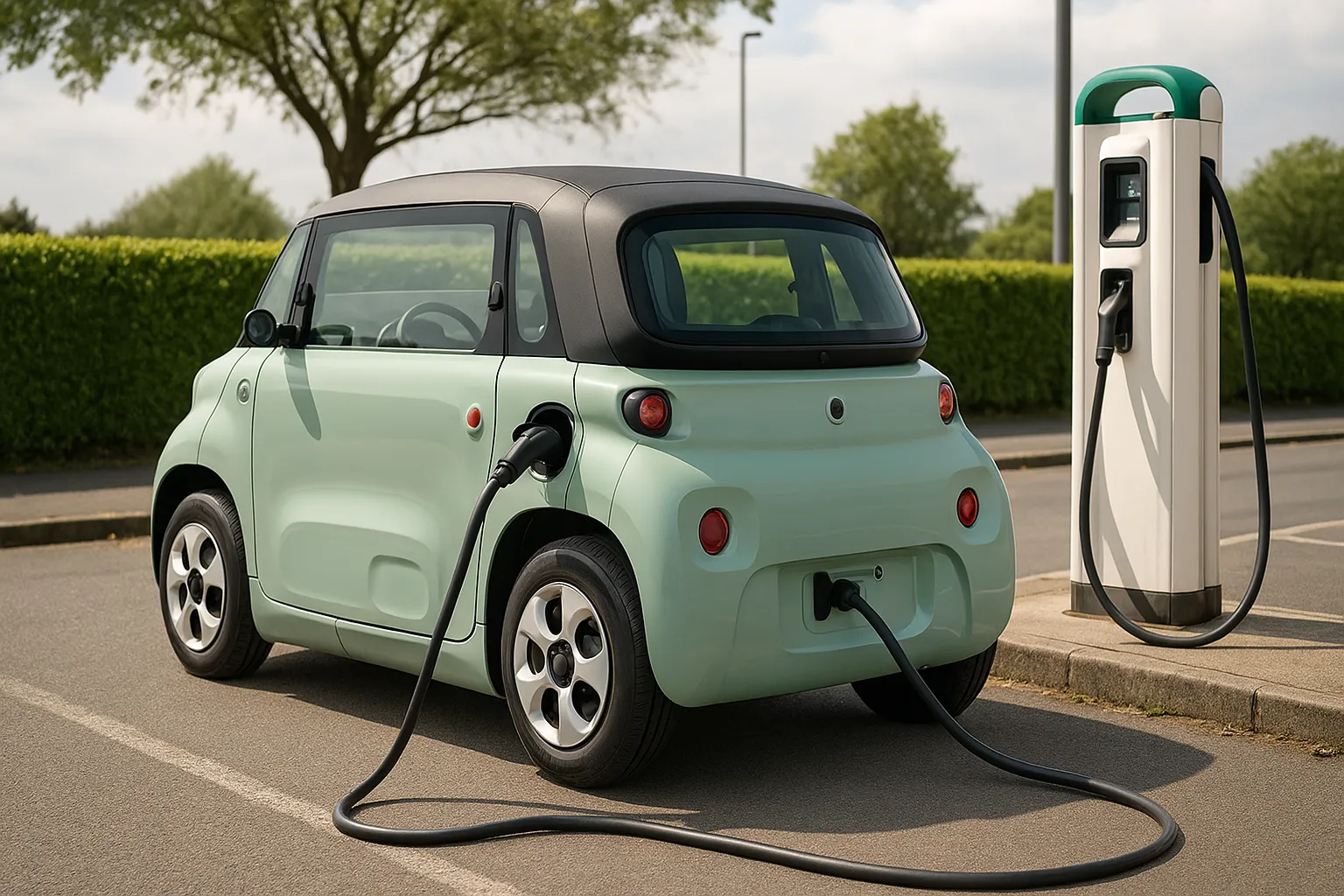
The Topolino’s driving experience is defined by its size and modest output. It is not quick, and it is not intended to be. Around tight Italian streets, that limitation is less of a problem because the car’s small footprint and direct responses make it easy to place. It feels at home where speeds are low and gaps are narrow.
The trade-off comes as soon as traffic moves faster or journeys stretch beyond the immediate neighborhood. Limited range means owners will need a predictable routine and easy access to charging. Modest performance means the driver must plan around the vehicle rather than expect it to blend seamlessly with every kind of urban traffic. It is transportation with boundaries.
That does not make it pointless. Many households use a larger car for longer trips but still make repeated short journeys that are inefficient in a petrol car or oversized EV. For that job, the Topolino has a logical role. The issue is that most private buyers need one vehicle to cover many situations, and this Fiat does not pretend to do that.
Cabin and practicality
Inside, the Topolino follows the same minimalist thinking. There is space for two people and enough utility for light daily use, but the cabin is not designed around family duties, big shopping trips or luggage-heavy commutes. Its simplicity is part of the appeal: fewer distractions, fewer luxuries and a layout that suits low-speed use.
The downside is obvious. Anyone comparing it with a used supermini or a small new city car will find a huge gap in practicality. Weather protection, storage, ride comfort, refinement and versatility are all areas where a proper car will feel more complete. The Topolino answers a different question: how little vehicle do you really need for the shortest journeys?
That question is increasingly relevant as cities look for ways to reduce congestion, emissions and parking pressure. The Topolino’s footprint could help, especially for fleet users, resorts, local businesses or shared-mobility schemes. Private buyers may be more limited to those with very specific circumstances: dense urban living, secure parking, short predictable trips and another vehicle available for anything longer.
Why UK buyers should pay attention
The UK has historically been a difficult market for vehicles like this. British roads often mix low-speed residential streets with faster A-roads, and many buyers expect even the smallest car to handle a broad range of conditions. The Topolino’s legal and practical limits mean it will not replace a Fiat Panda, a Dacia Spring, a used Volkswagen up! or a small electric hatchback for most people.
Its value proposition therefore depends on expectations. If the buyer wants the cheapest possible full car substitute, the Topolino may disappoint. If the buyer wants a compact, characterful electric runabout for a very defined set of trips, it becomes more persuasive.
There is also a lifestyle element Fiat clearly understands. Some vehicles are bought because they are rational. Others earn interest because they make people smile. The Topolino sits firmly in the second camp, but the rational case still has to work. Low running costs and easy maneuverability help, but the ownership experience will only be satisfying if the vehicle’s limitations line up with daily life.
Industry significance: small EVs are splitting into new categories
The Topolino also highlights a broader shift in the electric market. Not every EV needs a large battery, long range and high performance. For urban mobility, those traits add cost, weight and size. Quadricycles and microcars attempt to solve a different problem by using less material and less energy.
The challenge is acceptance. Buyers have been trained to judge EVs by range, acceleration and charging speed. A vehicle like the Topolino scores poorly by those standards. Its case rests on efficiency, affordability, packaging and charm — qualities that are harder to compare on a spec sheet.
Fiat’s plan to add the Tris and Multiplina suggests the company sees micromobility as more than a single quirky model. A small commercial vehicle could appeal to businesses making short urban deliveries, while a four-seat version would address one of the Topolino’s biggest limitations. If those follow-up models reach buyers with the right pricing and availability, Fiat could carve out a useful sub-brand within electric mobility.
Verdict
The Fiat Topolino is delightful, but it is not broadly useful in the way a normal small car is. Its tiny range, limited pace and two-seat layout make it a niche product, especially in the UK. Yet judging it only against traditional cars misses the point.
For certain owners and fleets, the Topolino could be an appealing low-speed electric tool: easy to park, inexpensive to run and full of personality. For everyone else, it will be more interesting as an idea than as a daily driver. Fiat has built a microcar that understands its role. The question is whether enough buyers have a role small enough for it to fill.