Ford’s 810-HP Mustang Supercharger Kit Gives GT Buyers a Factory-Backed Power Path
Ford is offering a new supercharger package for the Mustang GT that lifts output to 810 horsepower for $18,500 and keeps warranty coverage in the picture.
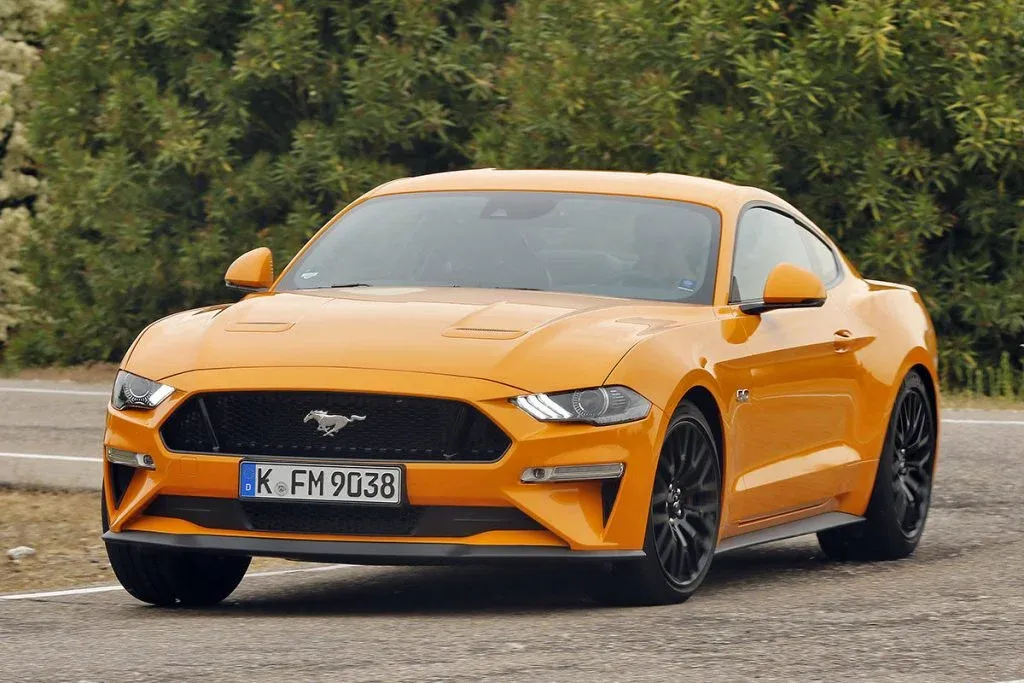
Ford is giving Mustang GT owners a more direct route to serious V8 power with a new supercharger kit rated at 810 horsepower. Priced at $18,500, the package is aimed at buyers who want the kind of output that has traditionally required a trip to the aftermarket, but with the added reassurance of warranty coverage.
That warranty angle is the most important part of the announcement. Mustang owners have been adding forced induction to 5.0-liter cars for years, but those upgrades can complicate warranty claims, emissions compliance, drivability, and long-term service support. By offering a high-output package through its own performance-parts channel, Ford is positioning the Mustang GT as a more configurable platform for buyers who want large power gains without fully stepping outside the factory ecosystem.
What the kit changes
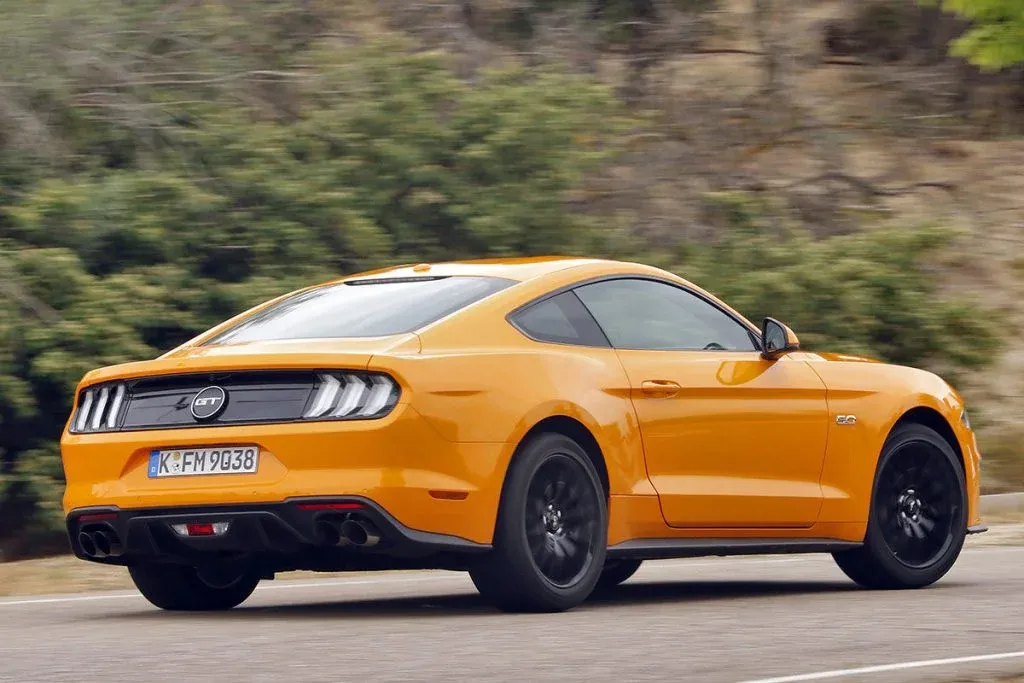
The headline number is 810 horsepower. For context, that is far beyond the standard Mustang GT’s factory output and well into territory once reserved for limited-run halo cars or heavily modified builds. The kit uses a supercharger, which forces more air into the engine so it can burn more fuel and make more power. On a modern 5.0-liter V8, that can deliver a huge increase while preserving the broad, immediate character that Mustang buyers expect from a front-engine, rear-drive performance coupe.
The $18,500 price is substantial, but it is not unusual for a professionally developed supercharger package, especially one that comes with warranty protection. Buyers should also remember that the advertised kit price may not represent the full installed cost. Labor, supporting parts, taxes, dealer pricing, and any required calibration or compliance steps can change the final bill. The key comparison is not simply kit versus kit; it is a Ford-backed route versus a conventional aftermarket build.
Why warranty coverage matters
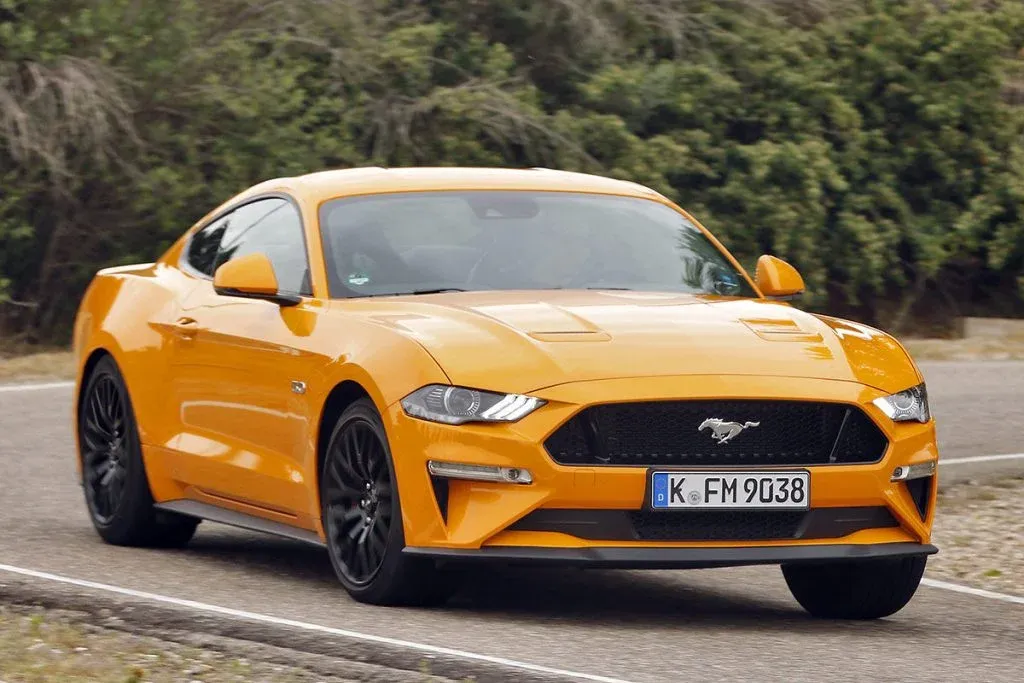
A modified performance car is only as enjoyable as it is reliable, serviceable, and insurable. A supercharger changes the thermal and mechanical demands placed on the engine, cooling system, drivetrain, fuel system, and tires. Even when the underlying hardware is strong, a poorly calibrated or poorly installed forced-induction setup can create problems that are expensive to diagnose and repair.
Warranty coverage does not mean the car becomes immune to wear, misuse, track damage, or installation errors. The exact terms will matter, including which model years qualify, who must install the kit, what parts are covered, and how claims are handled. Shoppers should read the coverage documents carefully before ordering and confirm eligibility with the selling dealer or authorized installer.
Still, a warranty-backed supercharger kit changes the risk calculation. It gives buyers a clearer path than simply buying a stock GT and immediately sending it to a tuner. For some owners, that will be worth more than chasing the absolute lowest parts price or the highest possible dyno number.
A response to how Mustang buyers already modify cars
The Mustang has always had a strong modification culture. The basic formula is straightforward: a widely available V8 coupe, a large parts ecosystem, and enough mechanical headroom to support big gains. Ford’s move acknowledges that a portion of GT buyers see the car less as a finished product and more as a starting point.
That matters for the industry because automakers have become more cautious about owner modifications as vehicles rely on more software, tighter emissions controls, and increasingly integrated electronics. A factory-supported upgrade gives Ford more control over calibration, parts compatibility, and customer experience. It also keeps more performance spending inside the brand’s orbit rather than leaving it entirely to independent tuners.
For dealers, the kit could create a new profit opportunity around installation, parts sales, and service. For customers, it may make the purchasing process simpler: buy a Mustang GT, add a power package, and keep a more straightforward relationship with the manufacturer’s service network.
Who should consider it
The most obvious buyer is a Mustang GT owner who wants a dramatic increase in power while keeping the car streetable and supportable. It may also appeal to shoppers who were considering a more expensive performance model but prefer the flexibility of starting with a GT and upgrading it.
However, 810 horsepower is not a casual upgrade. Owners should budget for more than the supercharger itself. Tires become a major factor, especially on the street, where traction can be more limiting than horsepower. Brakes, cooling, alignment, and driving skill also matter more as power rises. A car with this much output can be docile when driven gently, but it can also overwhelm its rear tires quickly in poor conditions or in inexperienced hands.
Insurance is another consideration. Some insurers may want to know about major powertrain modifications, even if the kit is offered through factory-backed channels. Resale value can also be complicated. A warranty-backed upgrade may be more attractive to future buyers than an unknown custom build, but modified cars still tend to appeal to a narrower audience than unmodified examples.
What shoppers should verify before buying
Before committing, buyers should confirm the full installed price and warranty terms in writing. Important questions include whether the kit applies to manual and automatic cars, whether it is limited to certain model years, whether emissions legality varies by state, and whether installation must be performed by a specific type of dealer or technician.
It is also worth asking whether the car needs additional hardware to support hard track use. A street-focused supercharger package may be engineered for broad drivability, but repeated high-load laps in hot weather can expose limits in cooling, brakes, and tires. Enthusiasts who plan to track the car should treat the supercharger as one part of a complete performance package, not the only upgrade that matters.
The bigger picture
Ford’s 810-hp Mustang kit reinforces the gas-powered Mustang’s role as one of the few remaining mainstream V8 performance platforms. At a time when many performance cars are moving toward hybrid assistance, smaller turbocharged engines, or full electrification, the Mustang GT remains a relatively accessible canvas for traditional muscle-car tuning.
The package will not be for everyone. It is expensive, it adds complexity, and it demands respect from the driver. But for the right buyer, it offers something increasingly rare: a factory-backed way to turn a regular-production V8 coupe into a far more powerful machine without completely abandoning manufacturer support.
For Mustang shoppers, that makes the GT more than just the middle ground in the lineup. It becomes a platform with an official high-horsepower upgrade path—one that could influence how enthusiasts order, modify, and keep their cars for years to come.