Ford’s Next Affordable Model Could Be a $25,000 Hybrid SUV
Ford is reportedly exploring a low-cost hybrid SUV aimed near $25,000, a move that could give shoppers a more attainable alternative as new-car prices remain high.
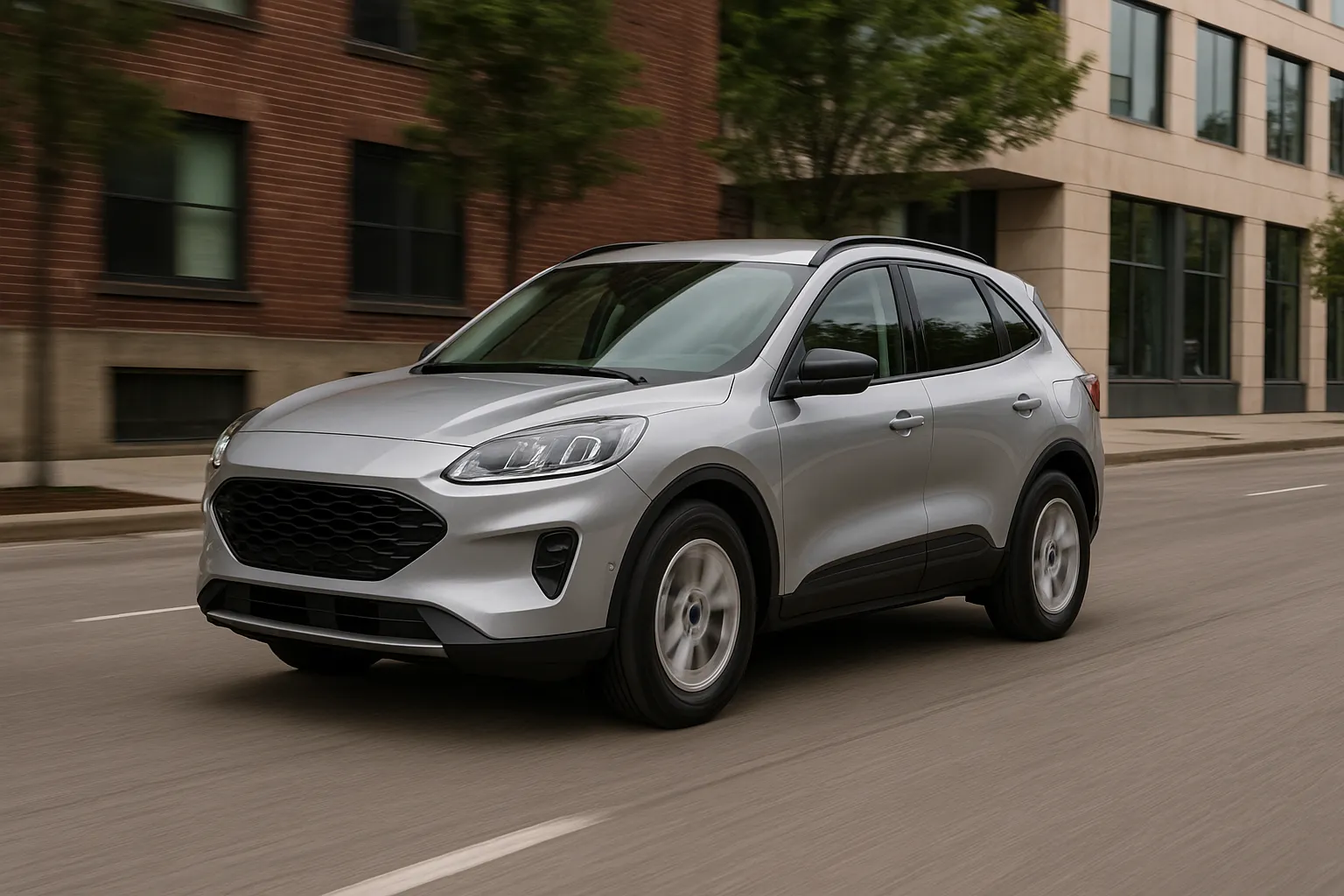
Ford may be preparing a new entry-level model for the U.S. market, and it could arrive in the form that American buyers now favor most: a small SUV. The vehicle is reportedly being shaped around a roughly $25,000 price target and a hybrid powertrain, positioning it as a potential answer to one of the industry’s most obvious problems: new vehicles have become too expensive for many households.
No production model has been confirmed, and key details such as timing, size, name, factory location, drivetrain layout, and fuel economy remain unknown. Still, the outline is significant. A $25,000 hybrid SUV from Ford would sit well below the average new-vehicle transaction price in the United States, which recently moved beyond $50,000. It would also give Ford a more accessible showroom anchor at a time when many automakers have shifted away from inexpensive cars and toward higher-margin trucks, SUVs, and premium trims.
Why a $25,000 hybrid SUV would matter
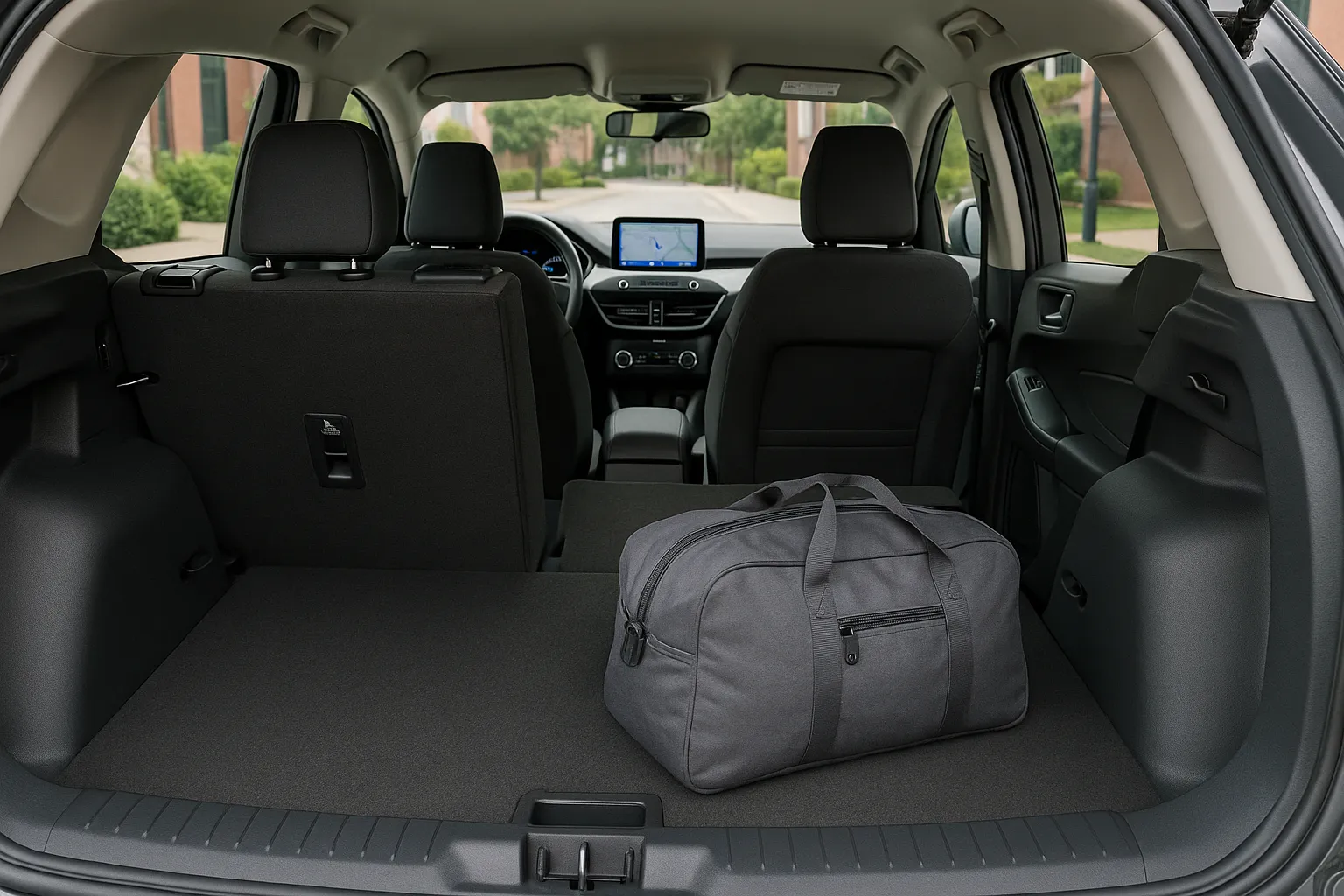
For buyers, the appeal is straightforward. Many households want the ride height, cargo flexibility, and all-weather image of an SUV, but they do not necessarily want the payment that comes with today’s larger crossovers. A small hybrid SUV near $25,000 could serve commuters, first-time new-car buyers, young families, retirees downsizing from larger vehicles, and shoppers replacing older compact sedans.
The hybrid part matters just as much as the body style. A conventional hybrid avoids the charging questions that still make some buyers hesitant about electric vehicles, while offering meaningful fuel-savings potential in city and suburban driving. For shoppers who park on the street, live in apartments, or regularly take long trips through areas with inconsistent charging infrastructure, a hybrid can be an easier step toward lower fuel use than a full EV.
It would also fit Ford’s existing strengths. The company already sells hybrid versions of the Maverick pickup and Escape crossover, and the Maverick in particular has shown there is real demand for practical, efficient, relatively affordable vehicles wearing a Ford badge. A small hybrid SUV could borrow from that lesson without forcing every budget-minded buyer into a pickup.
Ford’s entry-level gap
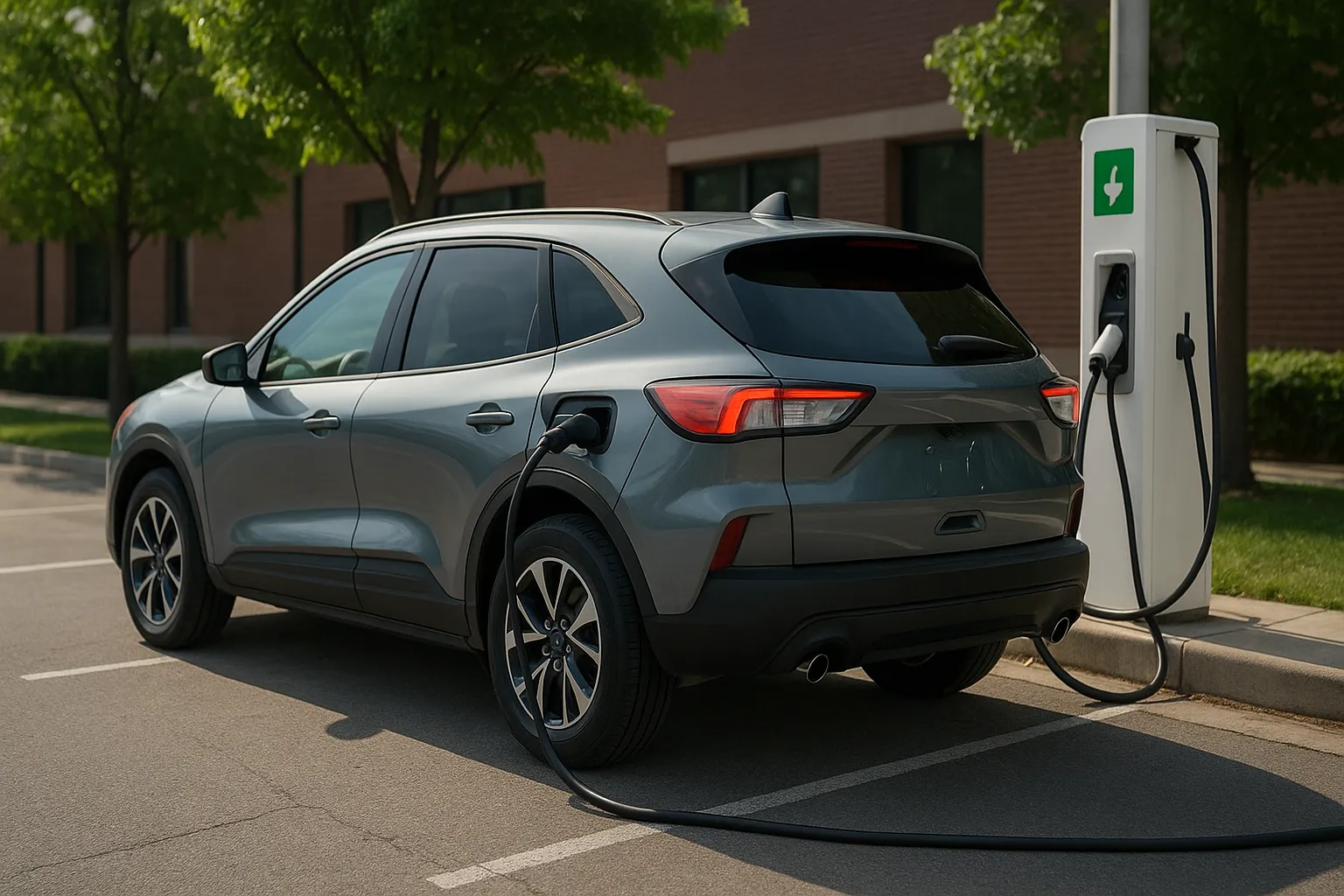
Ford’s U.S. lineup has changed dramatically over the last decade. The company exited the traditional passenger-car market in the U.S., ending familiar nameplates such as Focus, Fiesta, Fusion, and Taurus as consumer demand shifted toward utilities and trucks. That decision improved focus on profitable segments, but it also left Ford with fewer options for shoppers looking at the lower end of the new-car market.
Today, Ford’s most affordable vehicles are not as inexpensive as the compact cars it once sold. The Maverick has been one of the brand’s strongest affordability stories, but demand has kept it highly visible and sometimes difficult to buy at the lowest advertised configurations. The Escape and Bronco Sport serve the compact SUV space, but they are not typically positioned as bare-bones budget vehicles.
A purpose-built low-cost hybrid SUV would give Ford a clearer entry point. It could also help dealers keep price-sensitive customers from leaving for used vehicles or competing brands. That is increasingly important because many shoppers who once would have considered a new compact sedan have either moved into the used market or stretched into a more expensive crossover.
The sedan question is still relevant
Ford has also reportedly studied the idea of returning to the sedan market in some form. That would be a notable reversal after the company walked away from U.S. sedans around 2020. But the possibility of a $25,000 hybrid SUV suggests Ford may view affordability through a different lens: rather than revive the conventional car segment exactly as it was, it could deliver a low-cost vehicle in a shape buyers are more likely to choose today.
That approach makes business sense. Compact sedans remain efficient and affordable in theory, but the U.S. market has clearly migrated toward crossovers. A small SUV can command broader appeal, offer a higher seating position, and provide more perceived utility, even if it shares underlying engineering with a carlike platform. For Ford, that may be a better balance between low pricing and market demand.
What buyers should expect — and not expect yet
The reported $25,000 target should be treated carefully. Automakers often discuss base prices before destination charges, taxes, registration, dealer fees, and optional equipment. By the time a vehicle reaches a buyer’s driveway, the real-world total can be thousands higher. A low advertised price also usually applies to a base trim with limited availability or fewer comfort features.
A small hybrid SUV at that price would likely need tight cost control. That could mean front-wheel drive as standard, a modest gasoline engine paired with an electric motor, a simple interior layout, and a focused options list. Features such as all-wheel drive, larger screens, upgraded driver-assistance packages, premium audio, heated seats, and advanced convenience technology could push transaction prices well above the headline figure.
Fuel economy will be another major factor. To stand out, the vehicle would need to deliver a clear efficiency advantage over similarly priced gasoline crossovers. Ford does not need to chase plug-in hybrid complexity at this price point; a straightforward hybrid with strong city mileage could be enough to make the value case.
The competitive landscape
A $25,000 hybrid SUV would enter a market where affordable new vehicles are scarce but not absent. Shoppers can still find subcompact and compact crossovers from several brands, though hybrid versions often cost more. Toyota has built a strong reputation around hybrids, while Hyundai, Kia, Honda, and others have expanded electrified offerings across small and midsize vehicles.
Ford’s challenge would be delivering the right mix of price, supply, and everyday usability. A compelling base price will not matter much if dealers cannot get enough inventory or if the lowest trim is rarely stocked. The Maverick’s popularity showed both the opportunity and the difficulty of selling an affordable, high-demand vehicle in the current market.
Industry implications
If Ford moves ahead, the project would signal that affordability is becoming a product-planning priority again, not just a marketing message. The industry spent years emphasizing bigger vehicles, higher trims, and advanced technology, all of which helped push prices upward. Higher interest rates and stretched household budgets have made that strategy harder to sustain.
A low-cost hybrid SUV would not solve the affordability problem by itself, but it could pressure other automakers to put more effort into attainable new vehicles. It would also show that hybrids remain central to near-term emissions and fuel-economy strategies, even as manufacturers continue developing EVs.
For now, the vehicle remains unconfirmed. But the idea is important because it addresses a real gap: many buyers want a new, efficient, practical vehicle without crossing into luxury-car payment territory. If Ford can deliver a small hybrid SUV close to $25,000 and build it in meaningful numbers, it could become one of the brand’s most relevant products for everyday shoppers.