Former Volkswagen Engineers Charged in Rivian Deal Case
Former Volkswagen engineers face securities-law charges tied to alleged trading around the automaker’s Rivian joint venture, a deal that has major implications for EV software, funding, and future product plans.
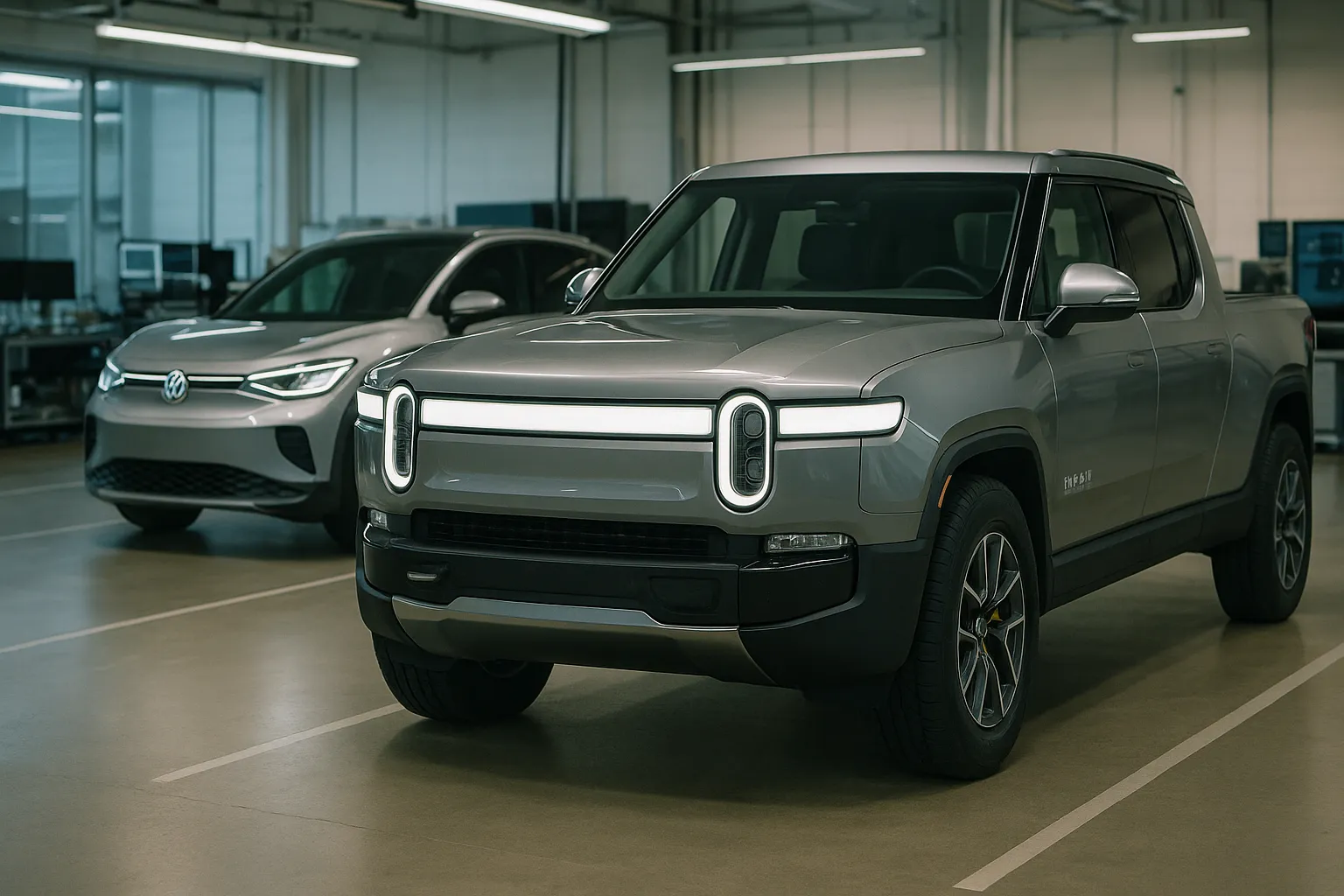
Former Volkswagen engineers have been charged in a securities-law case connected to the automaker’s high-profile partnership with Rivian, adding a legal complication to one of the most closely watched electric-vehicle deals of the past several years.
The charges focus on alleged trading activity around Volkswagen’s agreement with Rivian, a joint venture that was finalized on June 26, 2026, and includes a $5 billion commitment designed to strengthen Rivian’s finances and accelerate Volkswagen’s next-generation EV software plans. The legal case centers on former employees, not on a defect in the vehicles or a claim that either automaker’s products are unsafe.
Investigators allege the former engineers had access to confidential information connected to the Rivian transaction before it was public and used that knowledge for personal gain. Search history is described as part of the evidence, with online queries related to insider-trading issues and the deal itself cited as relevant to the case. As with any criminal or civil securities matter, charges are allegations until proven in court.
Why the Rivian-Volkswagen deal matters
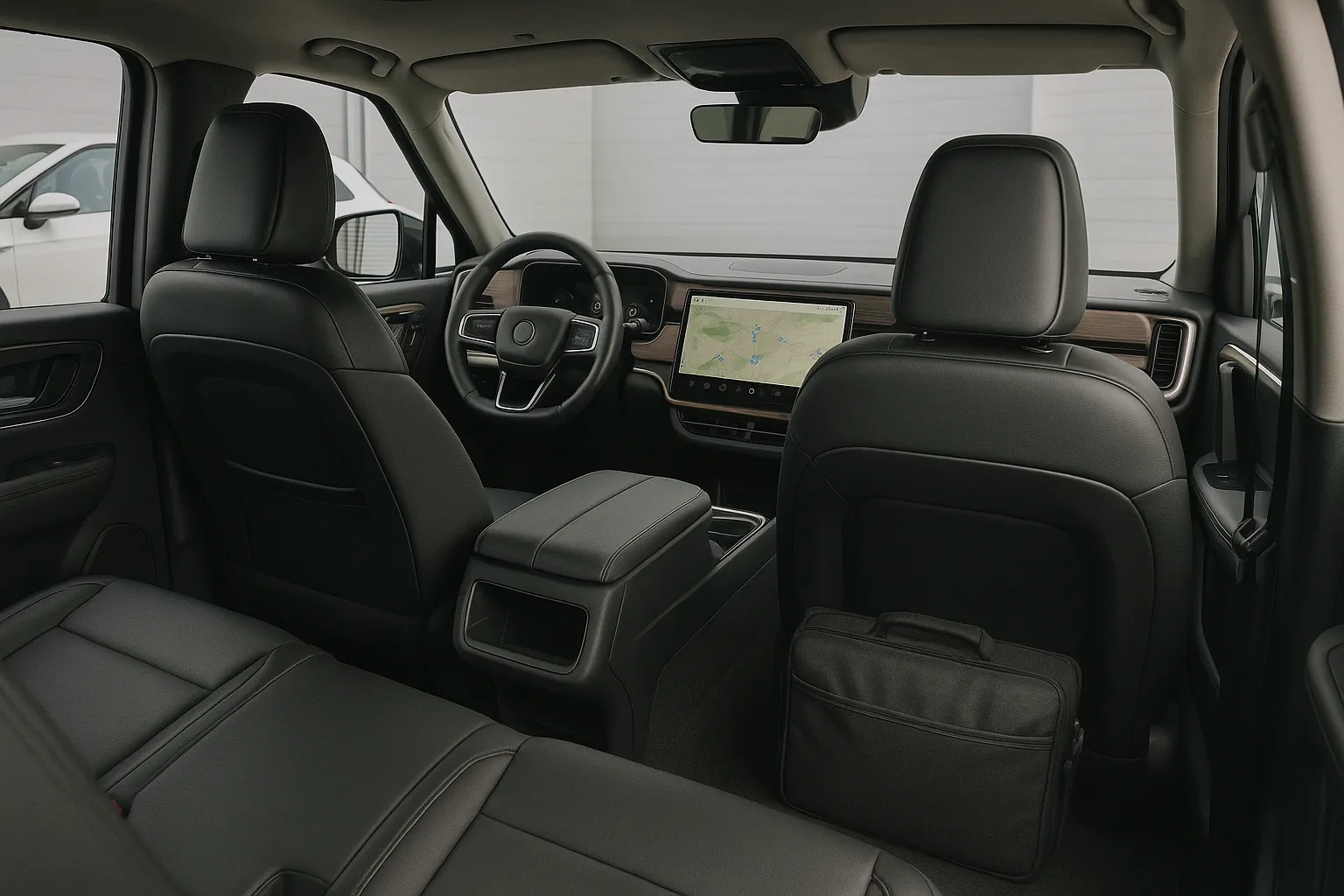
The underlying business agreement is significant because it joins two companies with very different EV challenges.
Rivian has strong brand awareness, a loyal owner base, and well-regarded products in the R1T pickup, R1S SUV, and Electric Delivery Van. It also has major cost pressures. Like many EV startups, Rivian has been working to scale production, reduce bill-of-materials cost, improve manufacturing efficiency, and fund development of its next wave of vehicles, including the more affordable R2 and R3 families.
Volkswagen, meanwhile, has enormous global manufacturing scale but has struggled to turn software into a competitive advantage across all of its brands. The company’s EV ambitions depend not only on batteries and vehicle platforms, but also on a stable electrical architecture, intuitive user interfaces, reliable over-the-air updates, and software-defined vehicle capability. Those areas have become just as important to buyers as range, charging speed, and performance.
The Rivian joint venture is meant to address those needs. Rivian gains a major capital partner at a time when EV demand growth has become less predictable and financing is more expensive. Volkswagen gains access to software and electrical-architecture expertise that could influence future vehicles across its portfolio.
What changes for buyers and owners?
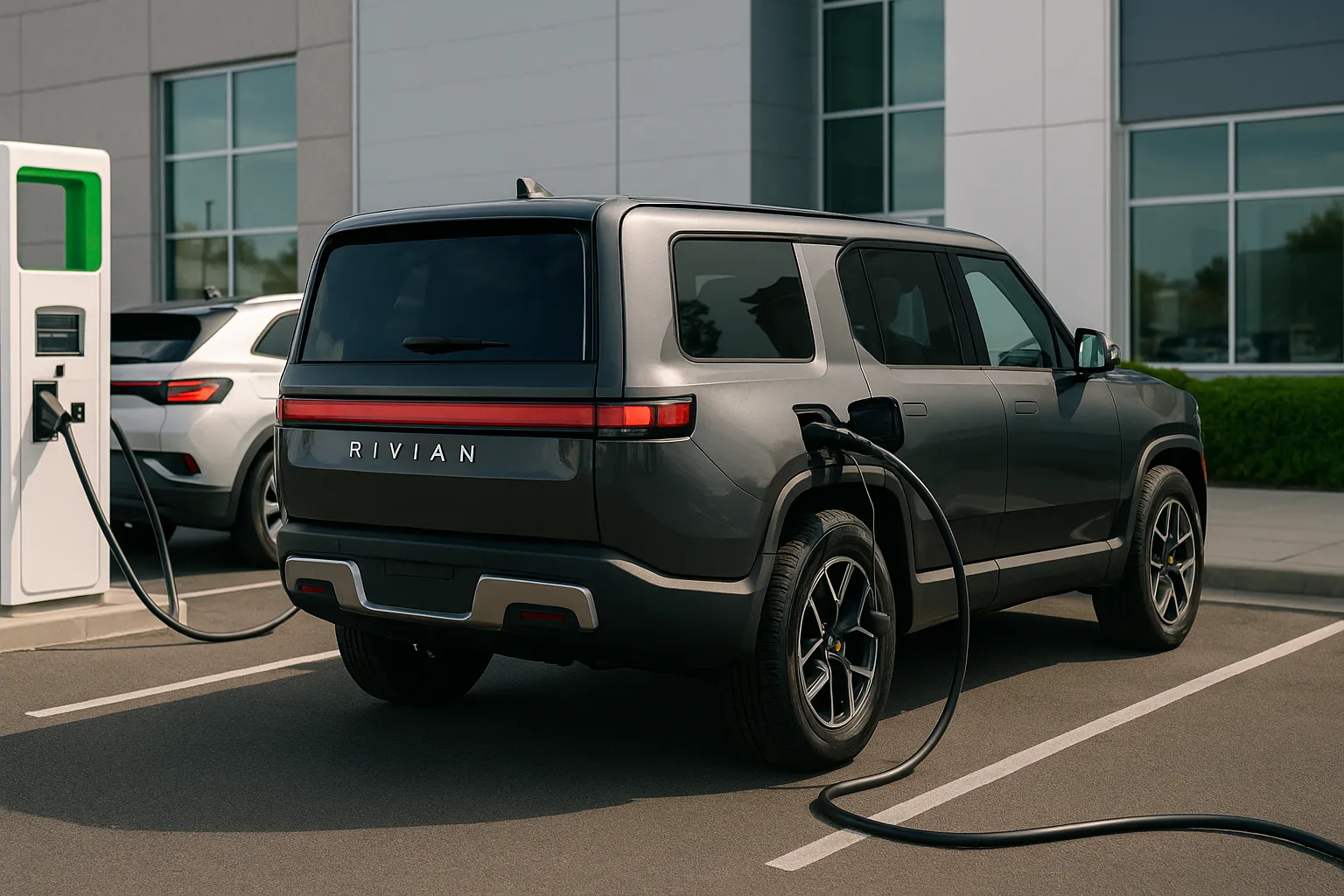
For current Rivian owners, the charges do not change vehicle warranties, service support, charging access, or software-update commitments. There is no indication from the allegations that customer vehicles, safety systems, or repair operations are affected.
For prospective Rivian buyers, the larger point remains the financial and strategic stability of the brand. A $5 billion Volkswagen-backed arrangement gives Rivian more room to develop future vehicles and continue improving its current lineup. That matters to anyone considering an R1T, R1S, or a future R2 because startup automakers are judged not only by today’s product, but also by confidence in parts supply, service expansion, resale values, and long-term software support.
For Volkswagen buyers, the partnership could eventually be more visible inside the vehicle than on the spec sheet. If the collaboration succeeds, future VW Group EVs may benefit from cleaner software integration, faster update cycles, and more modern electrical systems. Those changes could affect everything from infotainment responsiveness to driver-assistance feature deployment and energy-management functions.
None of that is guaranteed. Joint ventures can move slowly, and integrating technology across large global automakers is difficult. But the strategic logic is clear: EV competition is no longer just about who can build a battery-powered car. It is about who can make that car feel modern for years after delivery.
The legal issue is separate from the product strategy
The charges add scrutiny to how sensitive information is handled during major automotive partnerships. Deals of this size involve engineers, finance teams, lawyers, executives, suppliers, and outside advisers. Even when most employees act properly, confidential transaction details can create serious legal risk if anyone trades before a public announcement.
That is especially true in the EV sector, where a single investment, production target, delivery update, or partnership announcement can move a company’s share price sharply. Rivian’s stock has been particularly sensitive to news about funding, production costs, and future models because the company is still in a capital-intensive growth phase.
For the wider industry, the case is a reminder that modern car companies are also technology companies subject to intense securities oversight. Engineers working on EV architectures, battery systems, software platforms, and joint development programs may encounter information that can move markets. Compliance training is no longer just a finance-department issue.
Why enthusiasts should pay attention
Enthusiasts often focus on hardware: acceleration, towing, range, suspension tuning, and off-road capability. But the Rivian-Volkswagen tie-up is about the less visible part of the EV experience. Software architecture now influences charging behavior, thermal management, navigation routing, camera systems, user profiles, phone-key reliability, and advanced driver-assistance features.
Rivian has earned praise for a product experience that feels cohesive, especially compared with some legacy automaker interfaces. Volkswagen has the scale to put better EV technology into a much larger number of vehicles if the joint venture delivers. That is why the deal matters beyond corporate finance.
At the same time, the charges show how valuable that strategic information can be before a public announcement. A partnership that can reshape product plans is also a market-moving event.
What to watch next
The immediate next step is the legal process for the former engineers. The case will test the evidence around access to confidential information, timing of trades, communications, and the meaning of the cited online searches. Until resolved, the defendants are presumed not liable unless the allegations are proven.
Separately, Rivian and Volkswagen must execute on the joint venture. Key milestones will include hiring and engineering integration, announcements about which Volkswagen Group vehicles will use technology from the collaboration, and any signs that Rivian’s future models are benefiting from lower development costs or improved supplier leverage.
For buyers, the practical takeaway is measured but important: the charges do not change the fundamentals of Rivian ownership today, but the Volkswagen partnership remains central to Rivian’s next phase and to Volkswagen’s EV software reset. The legal case is about alleged conduct by former employees. The business deal is about whether two automakers can combine startup software speed with global manufacturing scale.