Geely to Build Two Electric SUVs in Europe at Ford’s Valencia Plant
Geely is preparing two Europe-focused electric SUVs for production in Spain from 2028, a move that could lower tariff exposure and give Ford’s Valencia factory more volume.
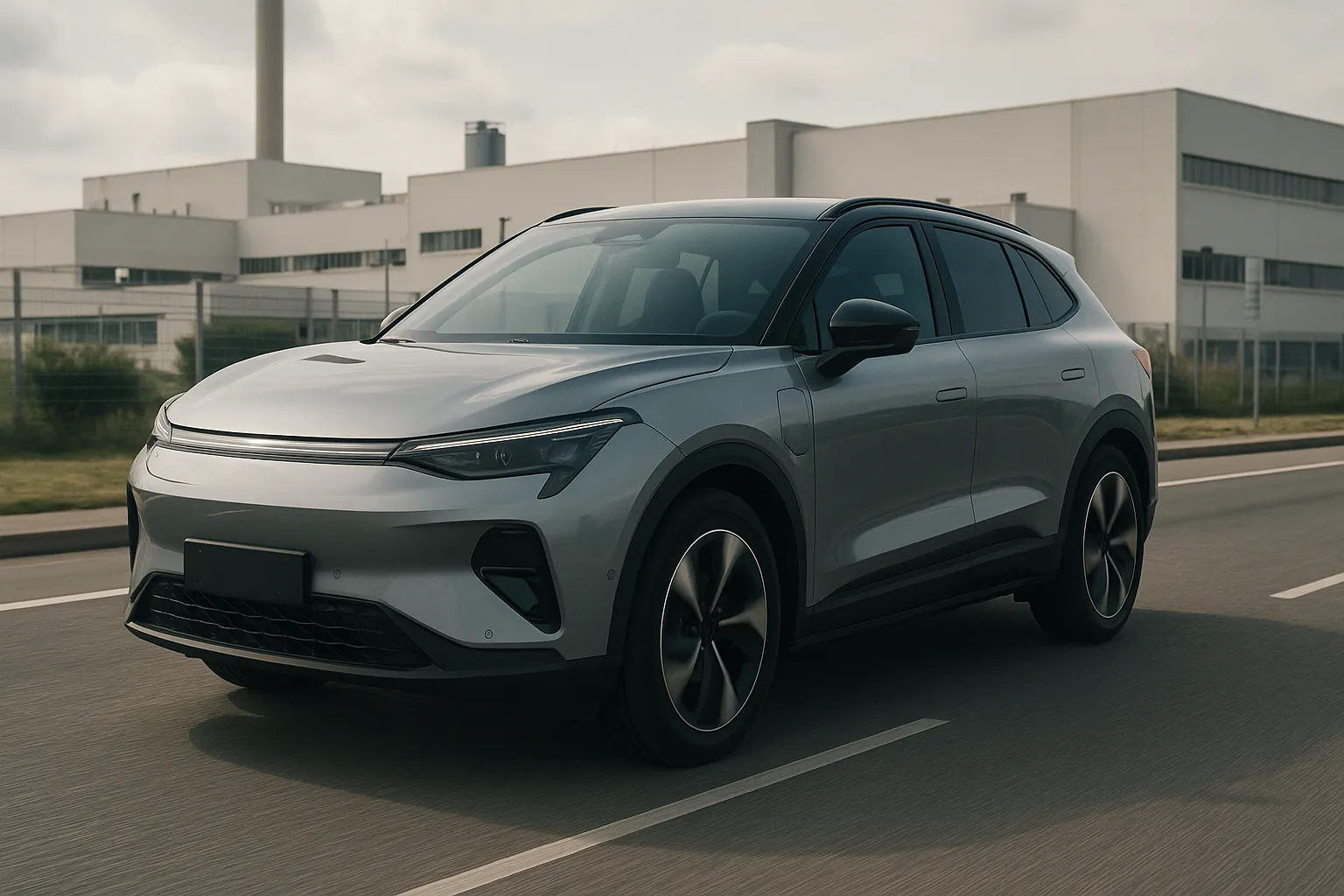
Geely is preparing to build two new electric SUVs in Europe, with production planned for Ford’s plant in Valencia, Spain. The first of the two models is scheduled to come off the line in 2028, marking a significant step in the Chinese group’s European expansion strategy.
The plan is important for more than just one new product cycle. By producing vehicles inside Europe, Geely can reduce its exposure to European Union tariffs applied to many China-built electric vehicles. At the same time, Ford gains additional production volume at a major plant that has been under pressure as the wider industry moves through a difficult transition from combustion cars to electric models.
For car buyers, the key point is simple: Geely wants to become a more established European player, not just an importer of Chinese-built EVs. Local production could help the company price its future SUVs more competitively, tailor them more closely to European tastes and potentially improve parts supply, servicing support and long-term confidence in the brand.
Two SUVs aimed at Europe and the UK
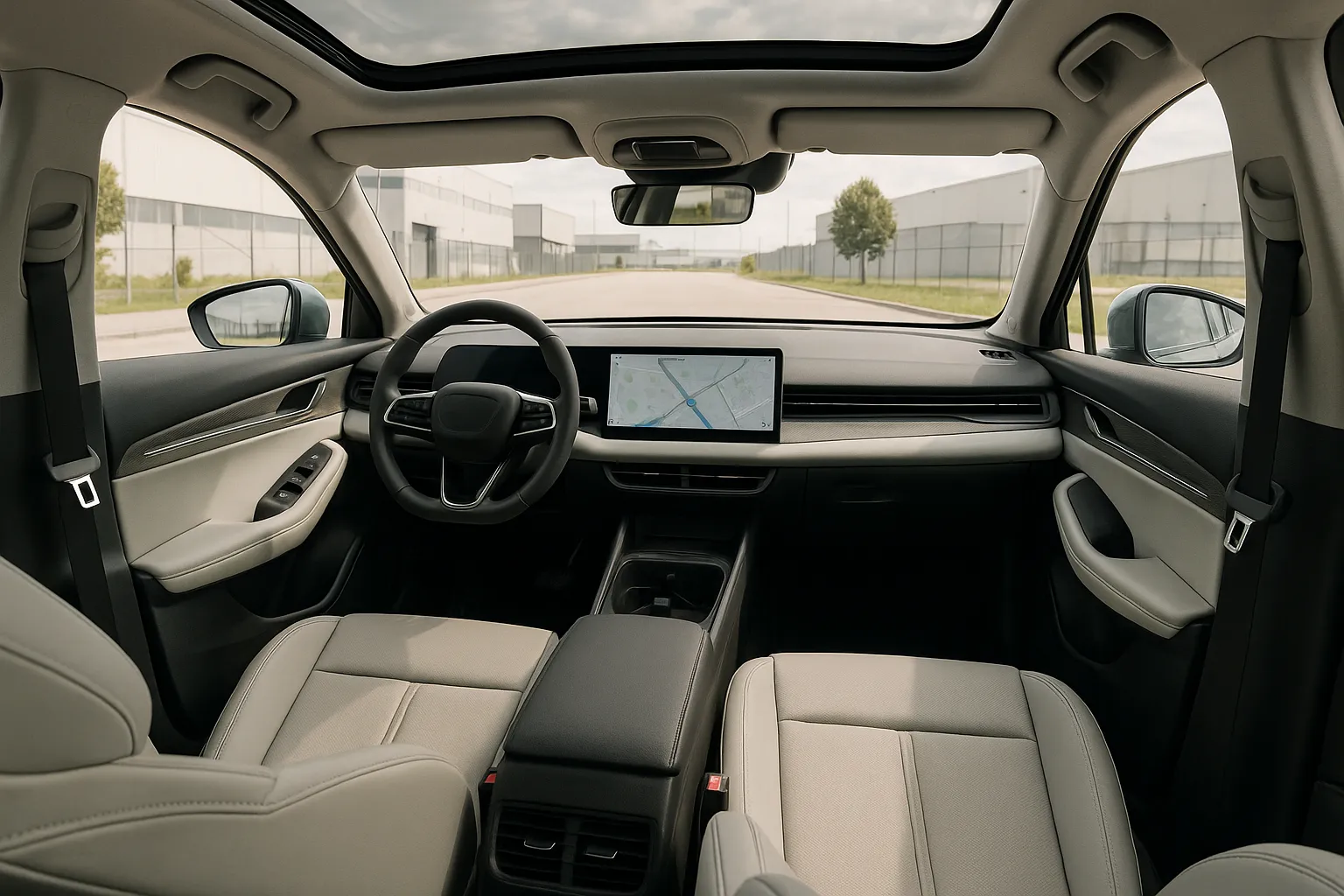
The two planned models are described as European-focused electric SUVs. Technical details have not yet been released, so battery size, platform, range, charging speed, performance figures and pricing remain unknown. The timing is clearer: production is due to start in 2028, with the first model expected to lead the project before the second follows.
The vehicles are expected to be shaped around European and UK requirements rather than simply being existing Chinese-market models moved to a Spanish assembly line. That distinction matters. Europe has different buyer expectations around ride comfort, motorway refinement, cabin materials, safety assistance calibration, towing needs, infotainment usability and efficiency at higher cruising speeds.
The UK is also a specific challenge because right-hand-drive engineering must be factored in early if a car is to be competitive. A model developed mainly for left-hand-drive markets can be adapted later, but doing so often adds cost or compromises packaging. If Geely is building these SUVs with the UK in mind from the beginning, that should improve their chances in one of Europe’s most important EV markets.
Why Valencia makes sense
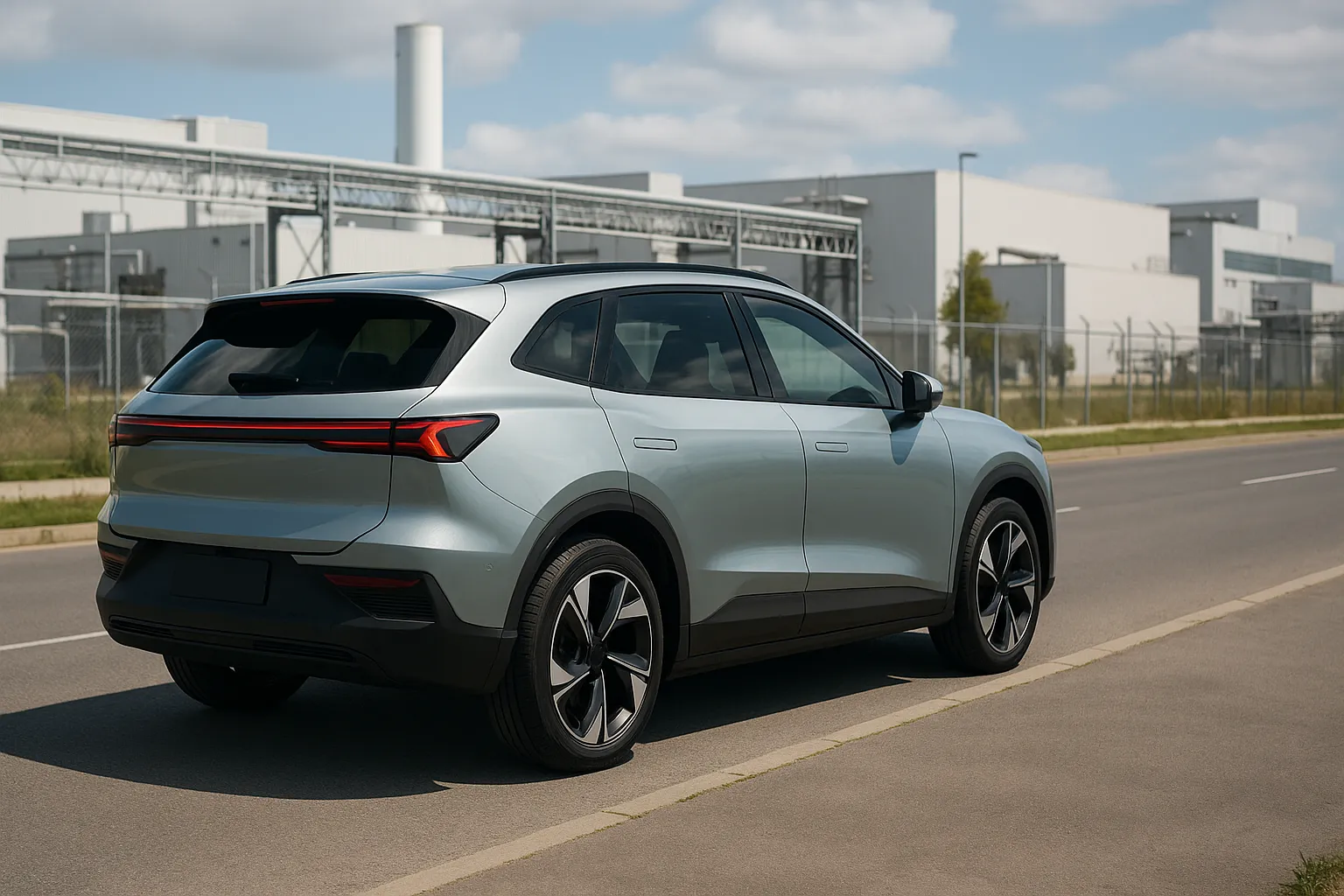
Ford’s Valencia plant gives Geely an established European manufacturing base without having to build an all-new factory from scratch. That matters because automotive production is not just about the final assembly line. It depends on trained workers, logistics links, quality processes, supplier relationships and local regulatory knowledge.
Geely’s plan is not being positioned as a simple satellite operation where vehicles are merely assembled from imported kits. The company intends to make use of the existing expertise and workforce at Valencia while also developing the supporting supply chain around the project. That could include a mix of local sourcing and imported components, depending on cost, battery strategy and regulatory requirements.
For Ford, the deal helps address one of the biggest problems facing legacy European car plants: volume. Factories are expensive assets, and they become harder to justify when output falls below efficient levels. Sharing capacity with another manufacturer can help keep production lines active and spread fixed costs across more vehicles.
Tariffs are part of the story
The European Union’s additional duties on some China-built electric vehicles have changed the business case for brands exporting EVs from China into Europe. Those tariffs do not automatically make Chinese EVs uncompetitive, but they can reduce pricing flexibility and make it harder to challenge established brands, especially in lower-margin segments.
Building in Spain gives Geely a route around that tariff pressure for the vehicles produced there. It may also help the company present itself less as a foreign importer and more as a participant in Europe’s industrial base. That can be valuable at a time when governments, unions and consumers are paying close attention to where electric cars are built and how many local jobs they support.
The move also reflects a wider pattern. Chinese automakers are increasingly looking for European production footprints, whether through new plants, partnerships or contract-manufacturing arrangements. As EV competition intensifies, local manufacturing can become as important as battery range or touchscreen size.
What this means for Geely’s current lineup
Geely’s UK presence is still at an early stage. Its current range includes the EX2 and EX5 battery-electric vehicles, along with the Starray EM-i plug-in hybrid. Those models give the brand a starting point, but they do not yet make Geely a household name in Britain or across Europe.
The two Valencia-built SUVs could change that if they arrive with the right mix of price, range, charging performance, practicality and warranty support. SUVs remain the dominant body style for family buyers, and electric SUVs are becoming increasingly important as mainstream customers move beyond early-adopter hatchbacks and premium saloons.
However, the timing also means Geely will face a tougher market by 2028. European brands will have newer EV platforms by then, Korean manufacturers are expected to continue improving efficiency and charging speed, and other Chinese brands will be fighting for the same customers. Tesla, Volkswagen Group, Hyundai-Kia, Renault, Stellantis, BYD, MG and several newer entrants will all be part of the competitive landscape.
The buyer angle: price, trust and support
For buyers, local production does not guarantee a better car. It does, however, affect some of the practical questions that often sit behind an EV purchase. A European-built model may have a more stable price position if it is insulated from import duties. It may also be easier for the manufacturer to adapt equipment levels, suspension tuning and software features for specific markets.
Ownership confidence will be just as important. Newer brands must prove that they can supply spare parts, train technicians, update software reliably and maintain strong residual values. Building cars in Europe can help, but it must be matched by a dealer and service network capable of supporting customers over several years.
The lack of technical data means it is too early to judge the vehicles themselves. Range, charging curve, battery chemistry, safety ratings, boot space, cabin usability and real-world efficiency will determine whether these SUVs are serious contenders or simply additional entries in a crowded field.
A strategic move for both companies
The Valencia plan shows how the industry is adapting to the electric transition. Geely gets a European production base for two important future models. Ford gets additional factory utilization at a time when scale is critical. European buyers may eventually get more choice in the electric SUV market, potentially with sharper pricing than would be possible for imported vehicles.
The first model is still around two years away, and many details remain open. But the direction is clear: Geely is moving from exporting EVs into Europe toward building vehicles within the region. If the products are well judged, that could make the brand a more serious force for family EV buyers by the end of the decade.