GM Recalls 2025–2026 Chevrolet Express and GMC Savana Vans for Steering Gear Issue
General Motors is recalling 26,541 Chevrolet Express and GMC Savana vans from the 2025 and 2026 model years because of a steering gear concern that could affect control if left unaddressed.
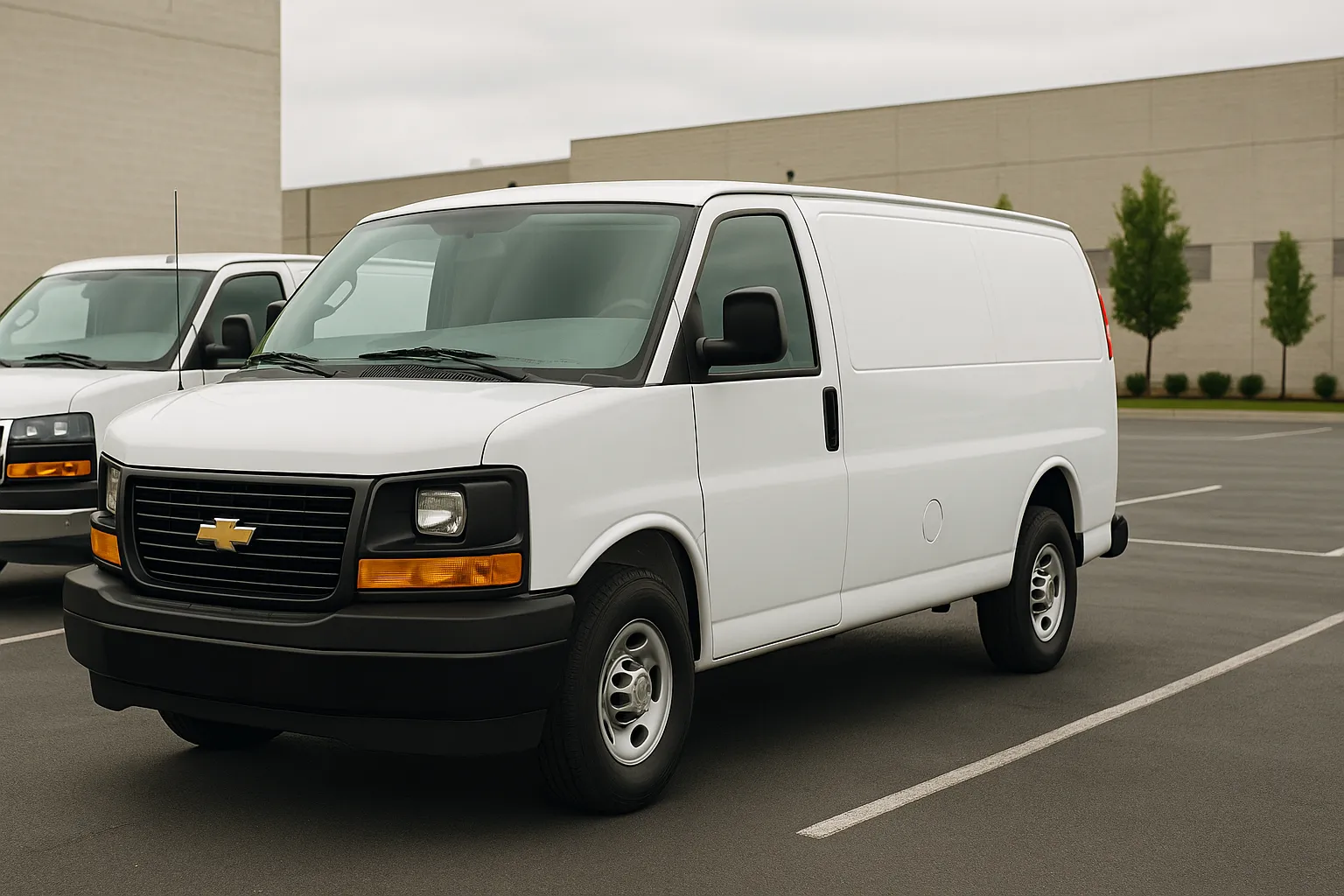
General Motors is recalling 26,541 Chevrolet Express and GMC Savana vans from the 2025 and 2026 model years because of a steering gear issue. The recall affects two of GM’s long-running full-size van lines, vehicles commonly used by contractors, delivery operators, shuttle services, tradespeople, municipalities and small businesses.
The concern involves the steering gear, a critical part of the system that translates steering-wheel input into movement at the front wheels. A problem in that area can have obvious safety implications because it may reduce the driver’s ability to control the vehicle. Owners of affected vans should not treat the campaign as routine paperwork, especially if the vehicle is used daily for business or passenger transport.
Not every 2025 or 2026 Express or Savana is necessarily included. Recalls are tracked by VIN, and production dates, configurations or parts batches can determine whether a specific van is affected. Owners, fleet managers and used-vehicle shoppers should verify individual vehicles through GM’s recall lookup tools, a franchised Chevrolet or GMC dealer, or the federal VIN recall database.
Why this recall matters
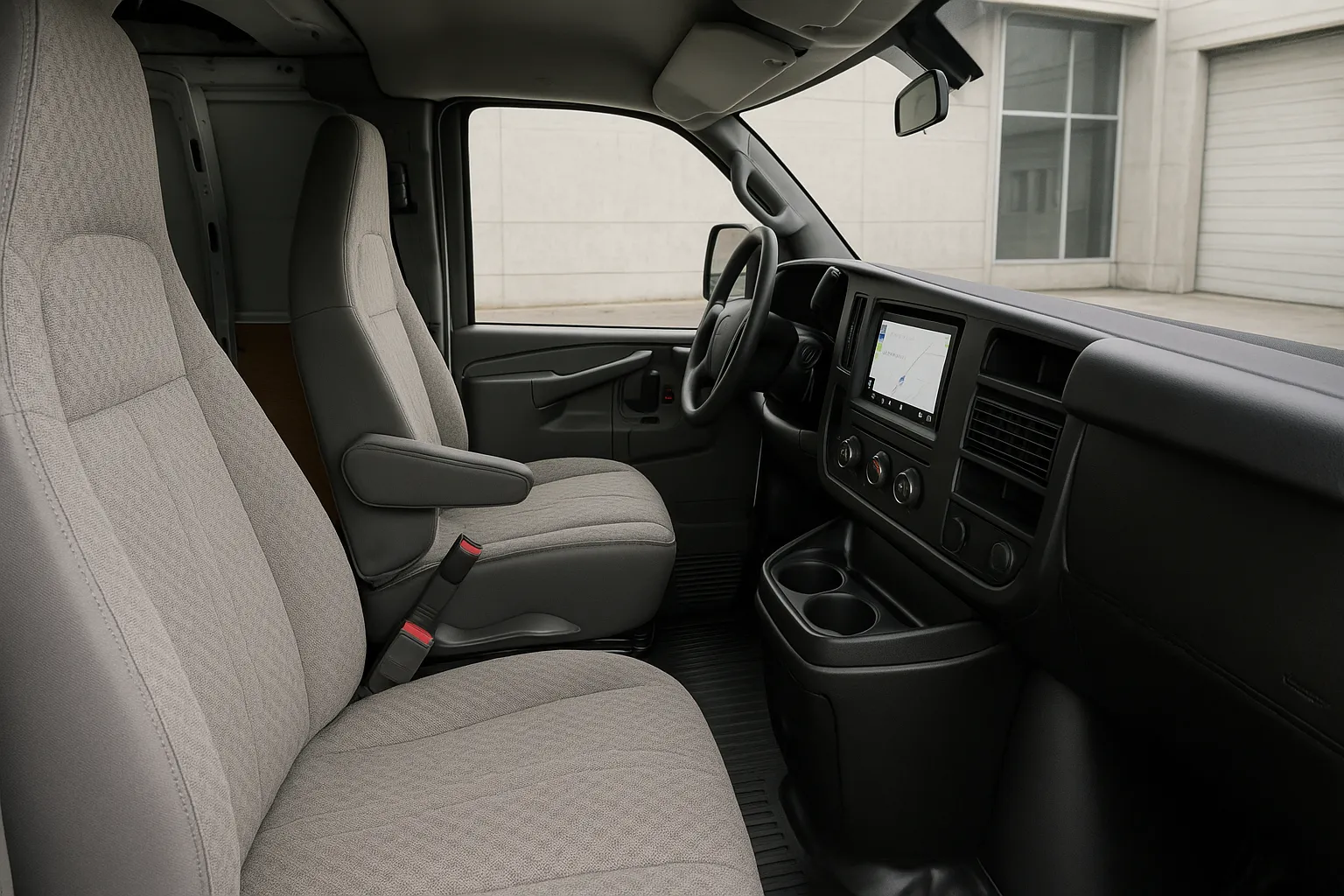
The Chevrolet Express and GMC Savana occupy a practical corner of the market. They are not new designs packed with the latest driver-assist technology, but they remain important because they are durable, familiar and easy to upfit. Businesses buy them as cargo vans, passenger vans and cutaway chassis for box trucks, service bodies, shuttle buses and specialty conversions.
That makes a steering-related recall more disruptive than it might be on a personal-use vehicle. A recalled work van may be somebody’s mobile toolbox, delivery route, airport shuttle or customer-service vehicle. Taking it out of service, even briefly, can affect revenue, scheduling and customer commitments.
At the same time, commercial use increases the importance of a prompt repair. These vans often carry heavy loads, operate in tight urban spaces, tow equipment or spend long hours on highways. Predictable steering response is essential in all of those situations. A van that spends its life loaded with tools, passengers or cargo places added demands on components and leaves less room for avoidable risk.
What owners should do now
Owners should first check whether their van is included in the recall. The most reliable way is to use the vehicle identification number, typically found at the base of the windshield on the driver’s side, on the driver-side door jamb label, on registration documents or on insurance paperwork.
If the VIN shows an open recall, the next step is to contact a Chevrolet or GMC dealer and schedule service. Safety recall repairs are performed at no cost to the owner. For businesses with multiple vans, it is worth asking the dealer about parts availability, appointment timing and whether vehicles can be staggered through the shop to reduce downtime.
Drivers should also pay attention to any unusual steering behavior while waiting for service. Warning signs can include looseness, binding, unexpected effort changes, clunking, wandering, or a steering wheel that does not feel consistent. Those symptoms do not confirm this specific recall condition, but they are reasons to stop using the vehicle and have it inspected.
Owners should avoid assuming that a nearly new van is free of safety campaigns. The affected vehicles are from the 2025 and 2026 model years, which means some may still be in dealer inventory, some may be newly delivered to fleets, and others may already be in daily use. A recent purchase date does not rule out an open recall.
What buyers should check
Anyone shopping for a 2025 or 2026 Chevrolet Express or GMC Savana should make recall verification part of the pre-purchase process. That applies to new, used and upfitted vehicles. It is especially important for cutaway models or converted vans, where the completed vehicle may have passed through more than one business before reaching the final buyer.
A buyer should ask for proof that any open recall has been completed before taking delivery. If the repair is still pending, the buyer should understand when it can be performed and whether the vehicle can be sold or delivered in the meantime. Dealers are generally restricted from delivering new vehicles with unrepaired safety recalls, but used-vehicle rules and fleet transactions can be more complicated depending on the seller and jurisdiction.
Fleet buyers should also keep documentation. A completed recall record can matter later for maintenance files, resale, insurance review and internal safety compliance. For companies that assign vehicles to different drivers, communicating recall status clearly can prevent confusion and reduce the chance that a van with an open campaign remains in service longer than necessary.
A reminder of the Express and Savana’s role
The Express and Savana have been staples of GM’s commercial lineup for decades. Their age is part of their appeal for some buyers: body-on-frame construction, straightforward packaging and broad upfit support make them useful tools in a market where many alternatives have shifted toward newer platforms and different powertrain strategies.
That longevity also means the vans serve a wide range of customers. A single recall campaign can touch airport transportation companies, electricians, plumbers, school and church groups, parcel contractors and emergency-service upfitters. The number of affected vehicles, 26,541, is not enormous by industry standards, but the real-world impact can be meaningful because so many of these vans are working assets rather than occasional family vehicles.
The broader industry lesson
Recalls are an expected part of modern vehicle ownership, even for established models. They do not automatically mean a vehicle is poorly built, but they do show why recall checks should be routine. That is particularly true for commercial vehicles, where high utilization can turn a small mechanical concern into a larger operational problem.
For GM, the campaign arrives at a time when full-size vans remain strategically important despite the industry’s focus on electric vehicles, software and new retail models. Businesses still need conventional work vans that can be serviced widely and adapted to specialized jobs. Maintaining confidence in those vehicles requires fast owner notification, clear dealer guidance and parts availability that minimizes downtime.
For owners, the practical takeaway is simple: verify the VIN, schedule the free repair if the van is included, and do not ignore steering irregularities. For buyers, recall status should be checked before money changes hands. For fleets, the best response is organized scheduling and clear records, not waiting until a driver reports a problem.
The Chevrolet Express and GMC Savana may be familiar, old-school workhorses, but this recall is a reminder that even proven commercial vehicles need close attention when a safety campaign involves a core control system.