Honda Cancels Prologue Electric SUV as EV Market Cools
Honda is ending the Prologue, its GM-based electric SUV, after a short run as the U.S. market shifts toward hybrids and automakers reassess EV demand.
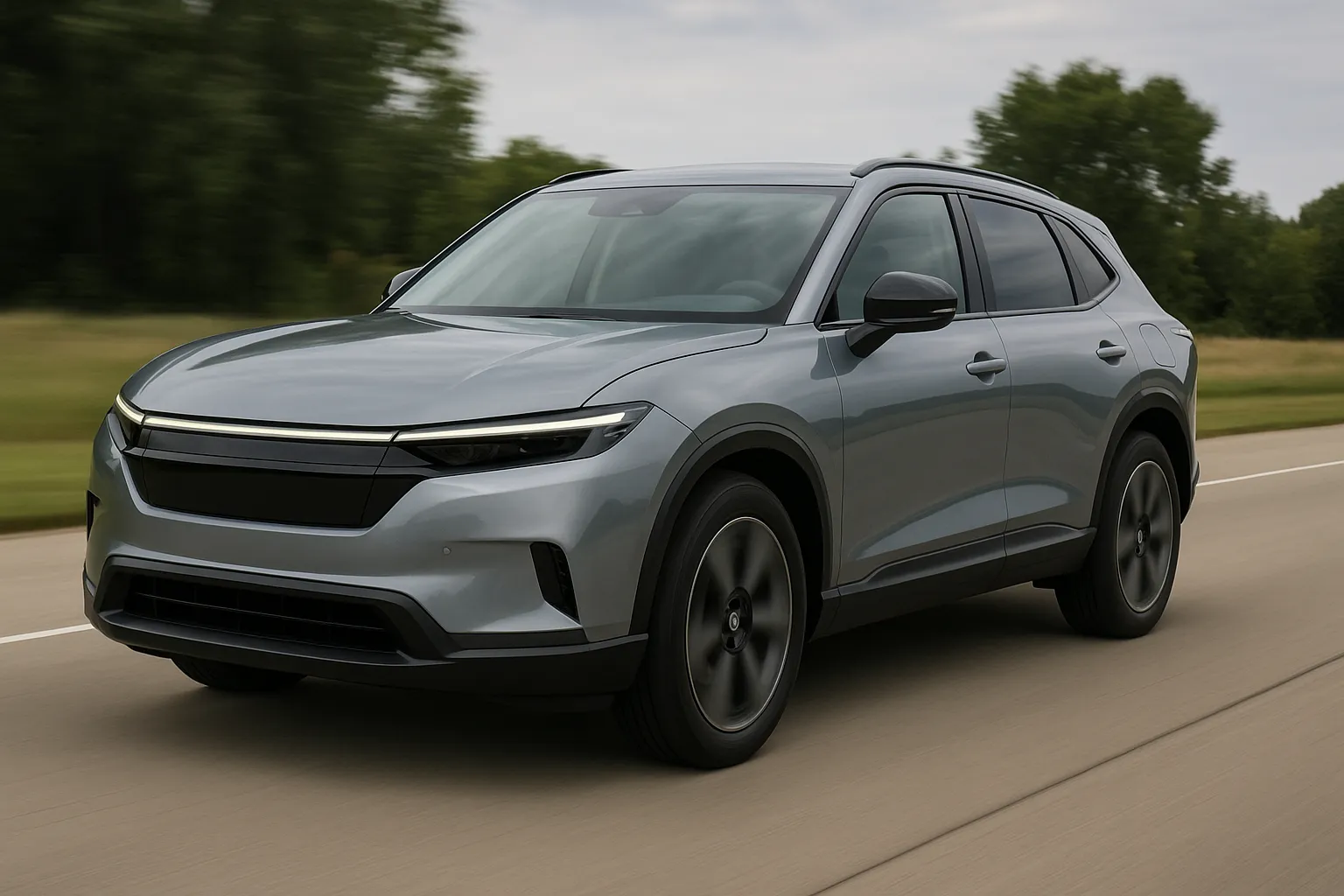
Honda is ending the Prologue electric SUV, bringing an unusually short life cycle to the brand’s first mainstream electric SUV in the United States. The decision comes as automakers continue to adjust EV product plans after softer demand, changing incentives, and stronger consumer interest in hybrids.
The Prologue was never meant to be a conventional Honda from the ground up. It was developed through Honda’s partnership with General Motors and uses GM’s Ultium-based electric vehicle hardware. That made it a strategic bridge: Honda could enter the electric SUV market quickly while it prepared its own next-generation EVs, software, and manufacturing plans.
That bridge now appears to be closing earlier than many shoppers would have expected.
A short run for Honda’s first electric SUV
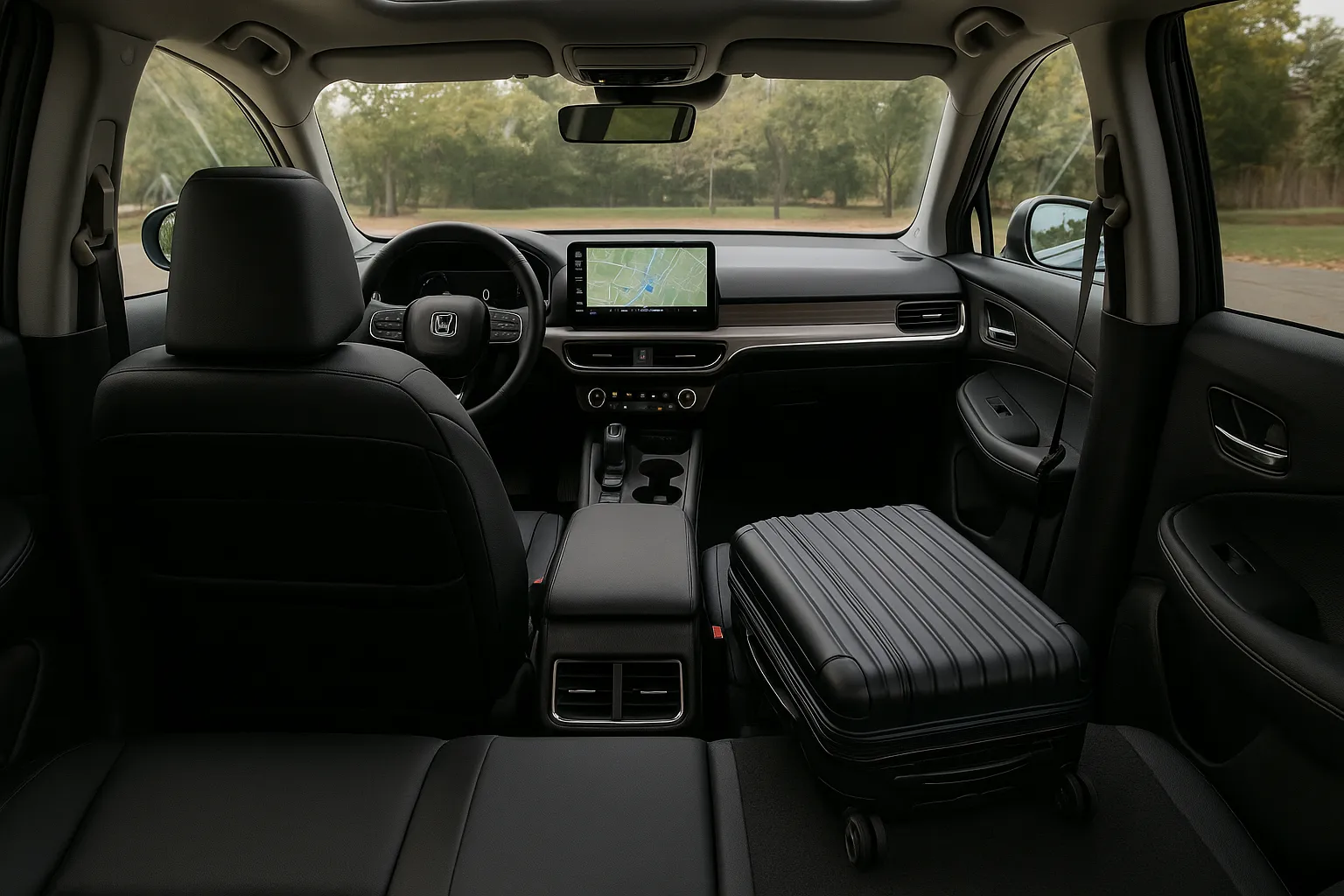
The Prologue arrived in the U.S. as a midsize electric crossover positioned near the Passport in size and above the CR-V in price. It offered front- or all-wheel drive, an 85-kWh-class battery pack, and roughly 300 miles of EPA-rated range in its most efficient configurations. It also gave Honda dealers a long-awaited battery-electric product at a time when rivals were filling showrooms with electric crossovers.
On paper, the Prologue had a sensible formula. It was roomy, familiar-looking, and deliberately less futuristic than some EV rivals. It did not ask buyers to accept an unusual interior layout or a polarizing exterior design. It was an electric SUV from a brand many mainstream shoppers already trust.
But timing matters. The Prologue launched into an EV market that was becoming more difficult, not easier. Electric vehicle sales in the U.S. have continued to grow over the long term, but the pace has become uneven. Demand has concentrated around certain models, price points, and brands, while some newer EVs have needed heavier incentives to keep moving. The loss of the federal tax credit for many buyers also changed the value equation, especially for shoppers comparing an EV with a hybrid or gasoline SUV.
For Honda, that matters because its hybrid lineup is one of its strongest assets. The CR-V Hybrid, Accord Hybrid, and Civic Hybrid give the company fuel-efficient options that do not require customers to plan around home charging, public fast charging, or winter range loss. For many buyers, a hybrid is currently the easier step away from a conventional gas vehicle.
Why Honda’s pivot makes business sense
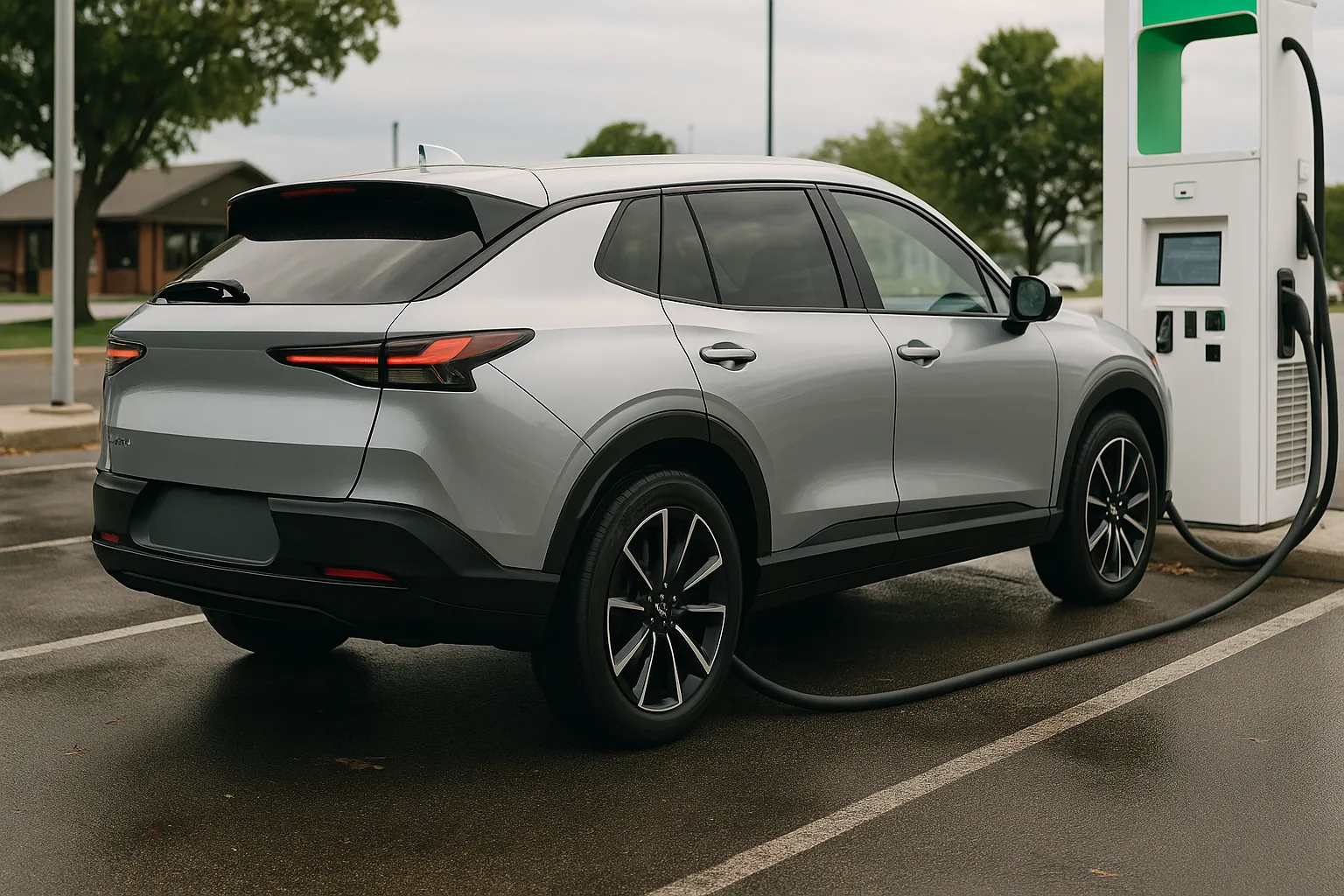
Canceling the Prologue does not mean Honda is abandoning EVs. It does suggest the company is being more selective about how quickly it pushes battery-electric models into a market that remains price-sensitive and infrastructure-dependent.
The Prologue’s GM connection was useful for speed, but it also limited Honda’s control over the product. The vehicle shared underlying technology with GM’s own EVs rather than using a Honda-developed platform. That can complicate long-term product planning, software strategy, parts sourcing, and manufacturing flexibility. If Honda believes its next wave of EVs will better fit its brand and cost targets, keeping a borrowed-platform model alive may be less attractive.
Automakers are also under pressure to manage capital carefully. EV development is expensive, battery supply chains are still evolving, and profitability has been difficult outside a few high-volume models. At the same time, buyers are showing that they still want practical SUVs with manageable monthly payments. In that environment, hybrids can be an appealing middle ground for both car companies and customers.
Honda has already leaned heavily into hybrids as part of its U.S. strategy. That approach lets the company reduce fleet emissions while using familiar manufacturing, fueling, and ownership patterns. It also gives dealers products that can be easier to explain and sell than an EV to shoppers who are uncertain about charging access.
What it means for Prologue shoppers
For buyers considering a Prologue, the cancellation creates both opportunity and risk.
The opportunity is price. Discontinued models often become more negotiable, especially if dealers have remaining inventory and the manufacturer wants to clear stock. A shopper who can charge at home, understands EV range limits, and plans to keep the vehicle for many years may find a Prologue attractive if discounts are strong enough.
The risk is resale value. Vehicles canceled early can depreciate faster, particularly when they belong to a segment where technology moves quickly. EV buyers also tend to pay attention to charging standards, battery chemistry, software support, and future updates. A short-lived model may face more questions in the used market than a long-running nameplate.
Shoppers should also compare lease terms carefully. Leasing can reduce exposure to long-term depreciation and battery-technology changes, which is one reason EV leases have remained popular. A discounted Prologue lease could make sense for some drivers, but the details matter: mileage limits, charging habits, insurance costs, and the vehicle’s residual value all affect the real cost.
What current owners should know
Current Prologue owners should not assume the vehicle becomes unsupported simply because it is being discontinued. Automakers are required to support warranty obligations, and Honda dealers remain the customer-facing service network. The Prologue’s shared GM-based hardware may also help with component availability, though owners will want clear communication on software updates, battery service, and any future recalls.
The bigger ownership question is value over time. A discontinued EV may have a smaller pool of future buyers, especially if newer Honda electric models arrive with improved range, faster charging, or a more Honda-specific user experience. Owners who intend to keep their Prologue long-term may care less about that. Owners who planned to trade out in a few years should watch market values closely.
A signal for the wider EV market
The Prologue’s cancellation is part of a broader industry reset. Automakers are not walking away from electrification, but many are slowing the pace, delaying some products, or reallocating investment toward hybrids and plug-in hybrids. That is a more nuanced story than a simple EV boom-or-bust narrative.
Electric vehicles still offer clear advantages for many drivers: quiet operation, strong performance, low home-charging costs, and reduced tailpipe emissions. But the market is increasingly showing that EV success depends on price, charging convenience, brand loyalty, and product fit. A midsize electric SUV cannot rely on being electric alone; it has to be compelling on monthly payment, usability, range, and confidence.
For Honda, the end of the Prologue closes one chapter and raises expectations for the next. The company’s future EVs will need to show that Honda can bring its traditional strengths—efficiency, packaging, reliability, and easy ownership—into a fully electric format without depending on a borrowed platform.
For car buyers, the takeaway is practical: the EV transition is still happening, but it will not move in a straight line. Hybrids are gaining importance, incentives are reshaping demand, and some early EV entries will not last a full traditional model cycle. The Prologue’s brief run is a reminder to shop not just for range and horsepower, but for long-term support, resale outlook, charging access, and the manufacturer’s commitment to the platform.