Honda CEO Apologizes as Shareholder Pressure Builds Ahead of Nissan Partnership
Honda chief executive Toshihiro Mibe has faced unusually direct criticism over the company’s EV spending, China performance and strategic direction as a closer partnership with Nissan approaches.

Honda chief executive Toshihiro Mibe has apologized to shareholders after a period of mounting pressure over the company’s direction, including its expensive electric-vehicle push, weakening position in China and the strategic rationale for a closer partnership with Nissan.
The apology does not appear to signal an immediate leadership change. Mibe has survived the latest round of shareholder scrutiny, but the episode shows that Honda’s transition from a traditionally engineering-led carmaker into a software- and battery-focused competitor is being watched more closely by investors, former insiders and the wider industry.
The tension comes at a sensitive moment. Honda is moving toward a deeper relationship with Nissan, a rival Japanese automaker facing its own strategic pressures. The expected partnership is widely understood to be centered on areas where scale matters most: electrification, software-defined vehicles, batteries, platforms and potentially other development efficiencies. The exact shape, timing and commercial scope of the arrangement remain important unknowns.
Why Honda is under pressure
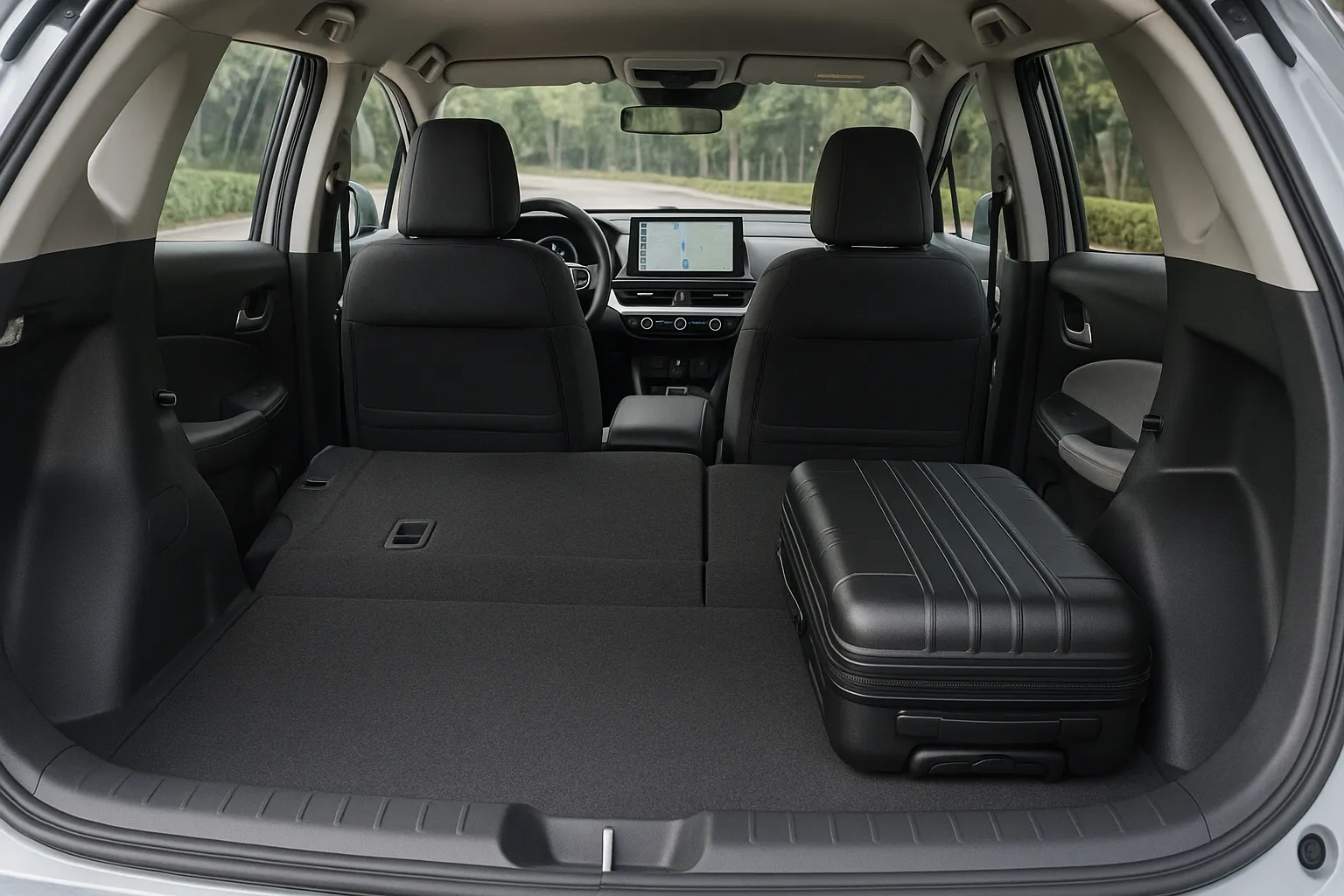
Honda has long been admired for disciplined engineering, strong gasoline engines, efficient hybrids, motorcycles and a culture that often prizes independence. That reputation now collides with an industry shift that rewards enormous capital spending, faster software development and the ability to amortize electric-vehicle investment across large global volumes.
The company’s EV strategy has required major spending at a time when consumer demand for battery-electric vehicles varies sharply by region. In North America, EV growth continues, but the pace has been uneven and policy-sensitive. In China, domestic brands have accelerated quickly, using aggressive pricing, fast product cycles and advanced in-car technology to pressure foreign automakers. In Europe, regulation remains a powerful force, but affordability and charging access still shape demand.
For Honda, the China issue is especially significant. The country is the world’s largest auto market and has become the toughest proving ground for electric cars, plug-in hybrids and connected-vehicle features. Japanese automakers that once relied on strong brand trust and fuel-efficient internal-combustion models now face local competitors with rapidly improving quality, lower costs and more China-specific software experiences.
That changing competitive landscape has raised questions about whether Honda moved quickly enough, whether its EV spending is being deployed efficiently, and whether it can maintain margins while funding the next generation of vehicles.
A Nissan partnership could help, but it also raises questions
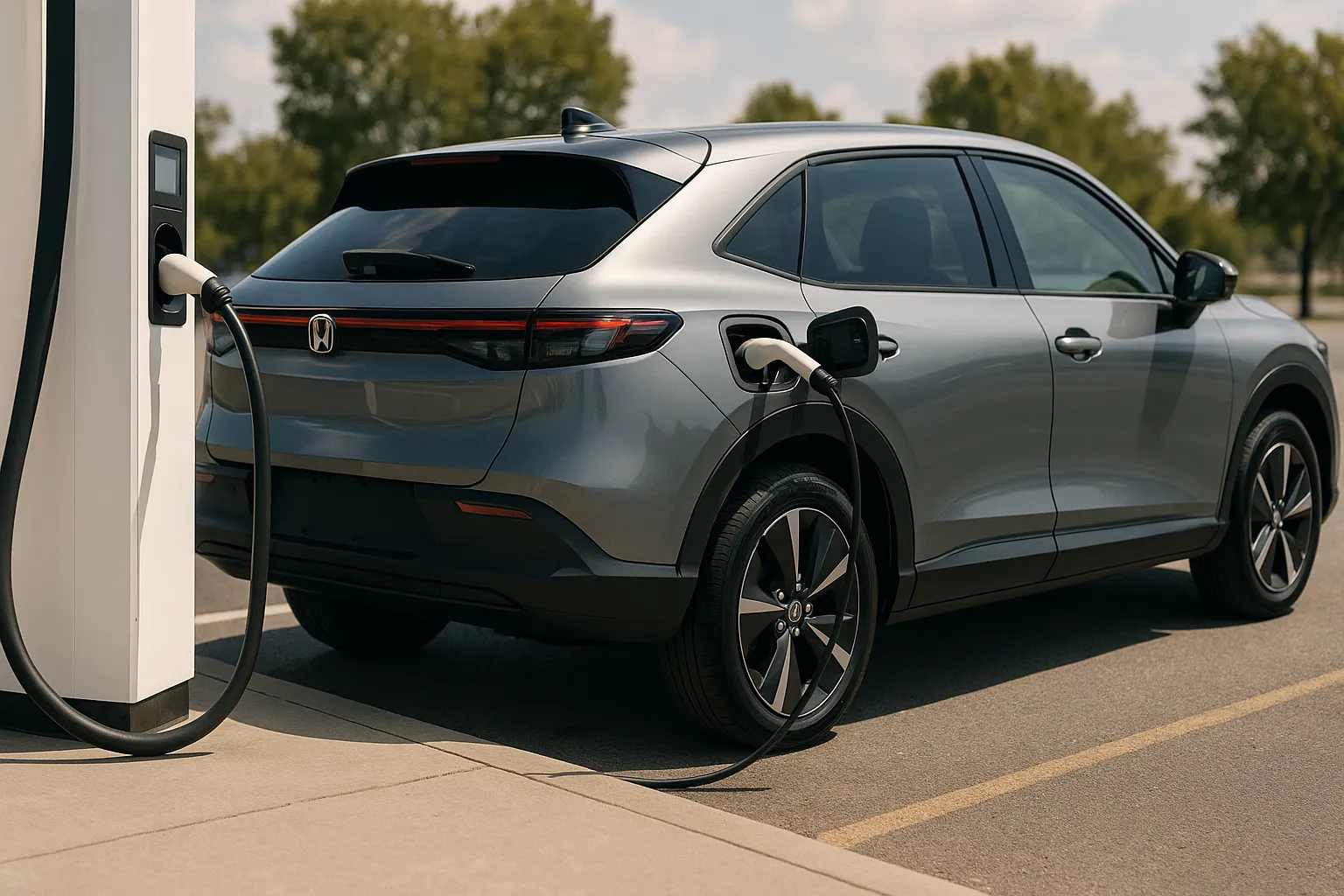
A closer Honda-Nissan relationship would be a major industry development because both companies need scale in areas that are becoming too expensive to tackle alone. Battery procurement, EV architectures, electric motors, software operating systems, driver-assistance technology and connected services all require sustained investment. Sharing some of that burden could free capital and shorten development timelines.
For car buyers, the most direct benefit could be better products delivered faster. Shared technology does not necessarily mean identical vehicles. If managed well, Honda and Nissan could use common foundations while preserving different exterior designs, driving character, interior packaging and brand tuning. That is the same basic logic used by many global automakers that share platforms across multiple brands.
The risk is that partnership complexity can slow decisions. Honda and Nissan have different corporate cultures, dealer networks, product portfolios and customer expectations. Any arrangement will need clear boundaries: what gets shared, what remains unique, who leads key technologies, and how costs and intellectual property are divided.
For enthusiasts, the concern is identity. Honda has built loyalty through cars that feel distinct: efficient Civics, practical CR-Vs, engaging Type R models, reliable Accords and a long history of high-revving engines and clever chassis tuning. Nissan’s identity is different, ranging from mainstream crossovers to performance icons such as the Z and GT-R lineage. A shared technology base only works if it supports, rather than dilutes, those identities.
What changes for current Honda owners?
In the short term, very little changes for owners. A leadership apology and shareholder dissatisfaction do not alter warranty coverage, parts support, dealer service or existing vehicle programs overnight. Current Honda owners should not expect immediate changes to service operations or vehicle support simply because the company is under investor pressure.
The longer-term effects are more relevant to future buyers. If Honda tightens its capital discipline, some projects could be delayed, combined with partner programs or redirected toward higher-volume segments. That could influence the pace of future EV launches, the number of region-specific models, and the degree to which Honda continues to invest in hybrids alongside battery-electric vehicles.
Honda’s hybrid strength remains an important asset. While much of the investor discussion centers on EV spending, many buyers are still choosing hybrids because they offer lower fuel use without relying on public charging. If Honda balances hybrid demand with a more efficient EV rollout, it could remain competitive during a transition that is proving less linear than many forecasts expected.
Why this matters beyond Honda
The pressure on Mibe reflects a broader problem facing legacy automakers. The industry is no longer simply deciding how many electric cars to build. It is trying to determine how much to spend, which technologies to own in-house, where to partner, and how to compete with companies that were built around batteries and software from the beginning.
Japanese automakers in particular are under scrutiny because many took a more cautious approach to full battery-electric adoption while continuing to develop hybrids, plug-in hybrids and other efficiency technologies. That caution may prove useful in markets where EV adoption is uneven, but it can also leave companies exposed in places where buyers are moving quickly toward battery-electric vehicles and connected-car ecosystems.
Honda’s challenge is to show that its strategy is not simply defensive. A Nissan partnership could be presented as a way to gain scale, reduce duplicate spending and accelerate development. But shareholders will want evidence that the collaboration improves competitiveness rather than merely spreading costs across two companies facing similar pressures.
The road ahead
Mibe’s apology may ease immediate tension, but it does not resolve the core questions facing Honda. The company must prove that its EV investments can lead to desirable, profitable vehicles; that it can regain momentum in China or reduce its exposure intelligently; and that any Nissan partnership strengthens Honda without weakening the brand qualities that customers value.
The next phase will be measured less by boardroom statements and more by product execution. Buyers will judge Honda on range, charging performance, software usability, reliability, price, dealer support and whether future vehicles still feel like Hondas. Investors will judge the same strategy through margins, market share and capital efficiency.
That is why this moment matters. Honda is not just managing a shareholder-relations issue. It is navigating the central question facing nearly every established automaker: how to fund the future without losing the strengths that made the company successful in the first place.