Honda Confirms Third-Generation Ridgeline Pickup Is in Development
Honda is working on a third-generation Ridgeline, giving its aging midsize pickup a confirmed path forward as the segment grows more competitive.
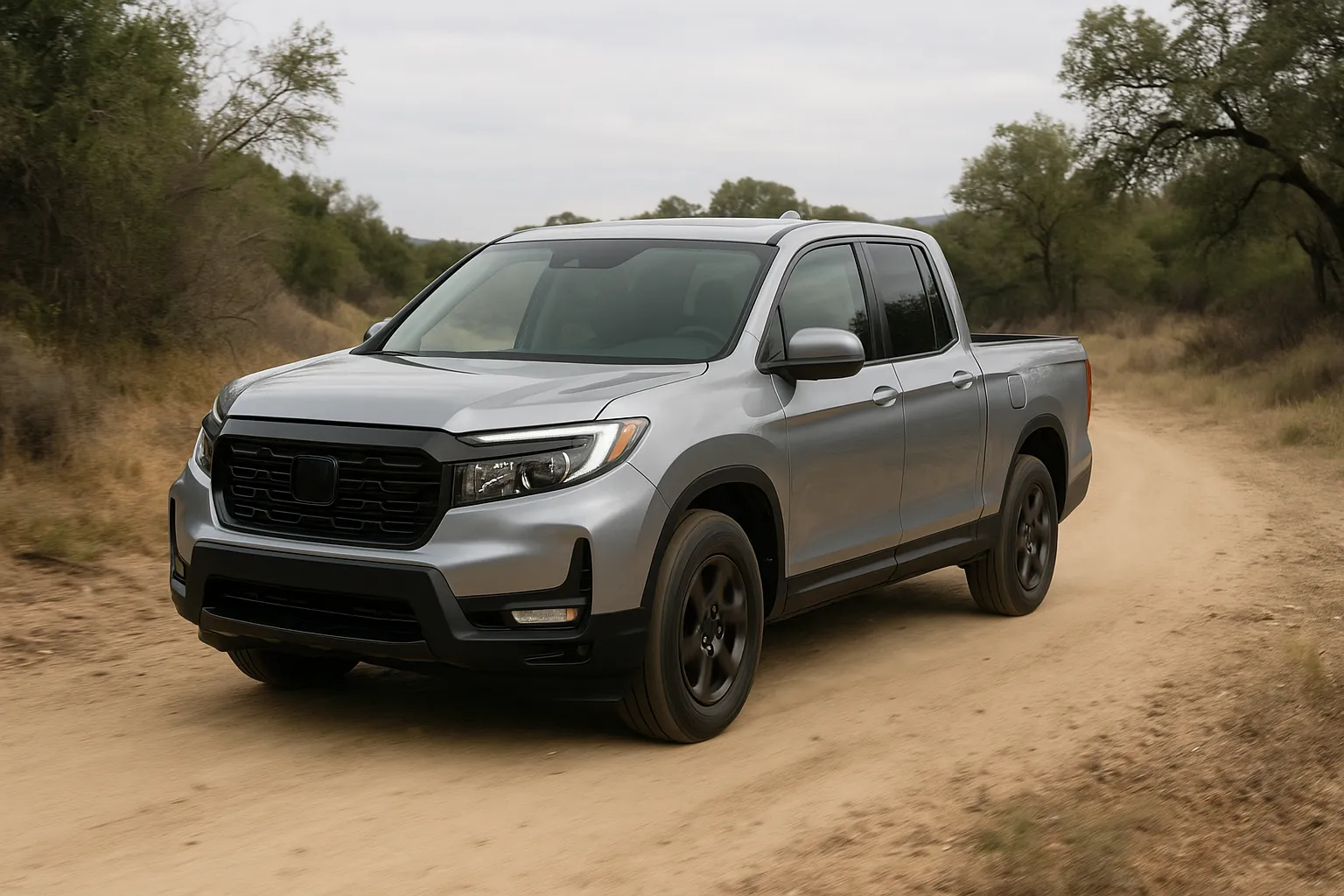
Honda has confirmed that a third-generation Ridgeline pickup is in development, giving the brand’s long-running midsize truck a clear future after years of questions about how long the current model would remain on sale.
The next Ridgeline is expected to arrive within the next two years. Honda has not yet released specifications, pricing, powertrain details, production information, or final timing, but the confirmation is important on its own: the Ridgeline will not quietly disappear as the midsize pickup segment becomes more crowded and more specialized.
Why this matters
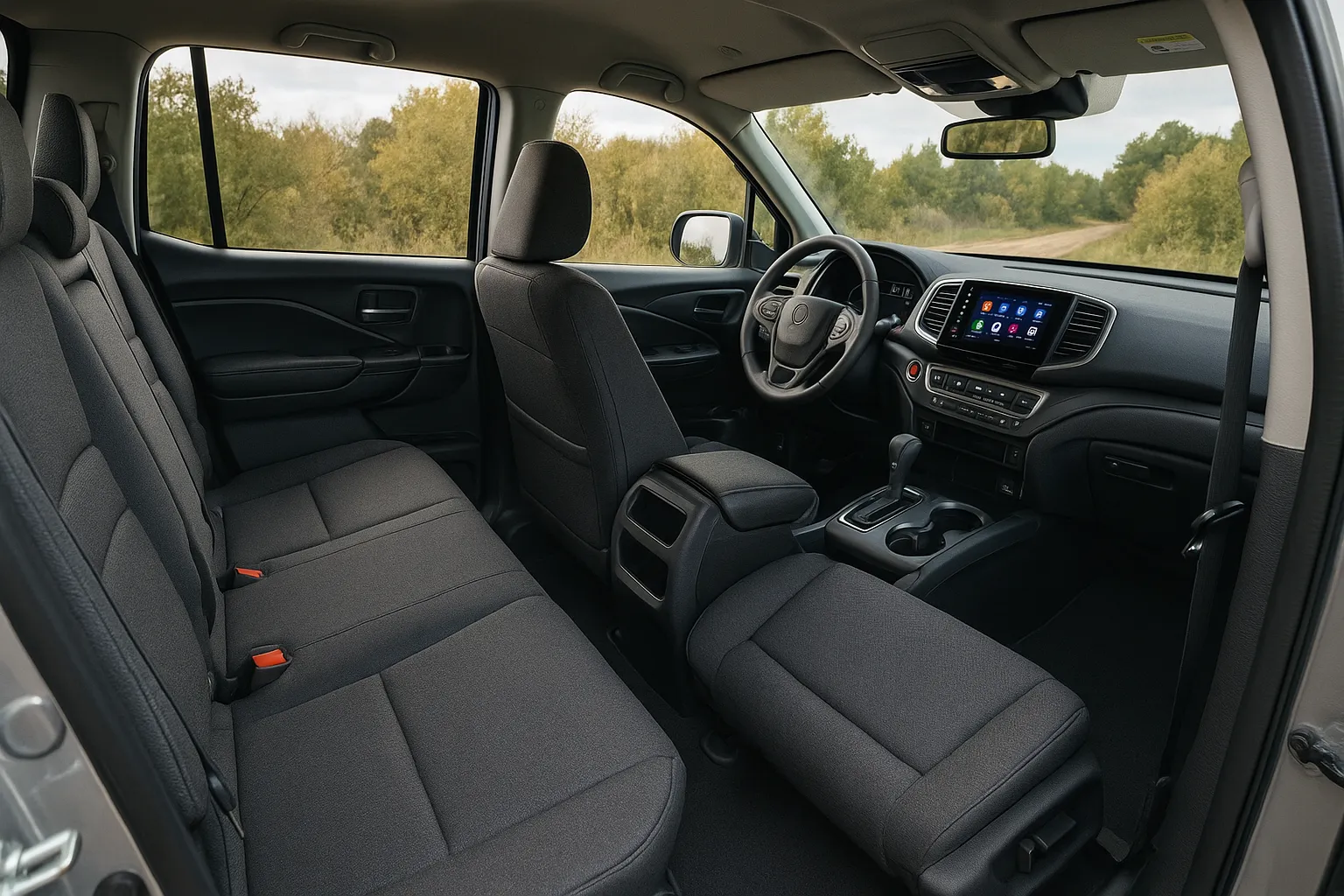
The Ridgeline occupies an unusual place in the truck market. It is a pickup, but not a traditional body-on-frame truck like the Toyota Tacoma, Ford Ranger, Chevrolet Colorado, GMC Canyon, Nissan Frontier, or Jeep Gladiator. Instead, the Ridgeline uses a unibody-style architecture related to Honda’s larger passenger vehicles, which gives it a different set of strengths and compromises.
That formula has made the Ridgeline appealing to buyers who want a pickup bed, all-weather capability, and everyday comfort without the ride harshness or bulk that can come with more conventional trucks. It has also limited its appeal among shoppers who prioritize maximum towing, aggressive off-road hardware, or the traditional feel of a truck built around a separate frame.
A new generation gives Honda a chance to sharpen that identity rather than abandon it. For buyers, that could mean a more modern cabin, updated safety and infotainment technology, improved efficiency, and potentially a broader set of trims aimed at lifestyle and light-adventure use. For the industry, it confirms Honda still sees value in a pickup that is not trying to copy the rest of the segment.
The current Ridgeline is showing its age
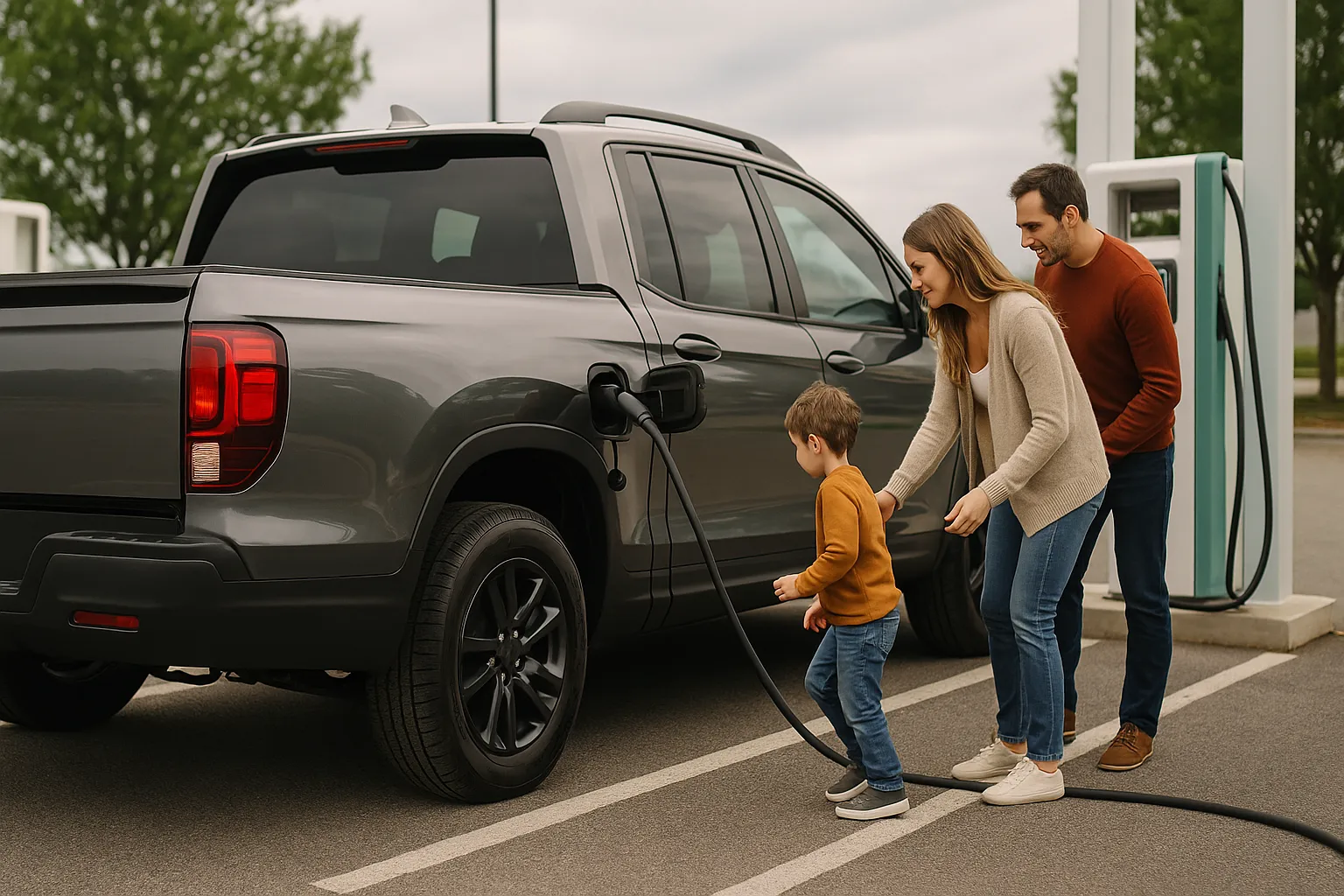
The current-generation Ridgeline has been on the market for several years and has received updates along the way, but its basic package is no longer fresh. It remains one of the more carlike midsize pickups to drive, with a roomy cabin, clever cargo features, and a practical bed layout, but the competition has moved quickly.
Rivals have recently introduced newer platforms, more powerful engines, dedicated off-road trims, larger screens, and increasingly advanced driver-assistance systems. Some competitors offer turbocharged engines, hybrid possibilities, multiple cab and bed configurations, and factory packages aimed at overlanding and trail driving. Against that backdrop, the Ridgeline’s comfortable and practical approach still has an audience, but it needs modernization.
The current truck’s best-known features include a lockable in-bed trunk, a dual-action tailgate, a flat cabin floor, and a relatively refined ride. It has typically been positioned for owners who use a truck for home projects, outdoor gear, commuting, and weekend travel more than heavy commercial work. Those qualities are likely to remain central to the model’s appeal, even if the next version changes significantly underneath.
What Honda has not confirmed yet
The biggest open question is what will power the next Ridgeline. Honda has not confirmed whether the third-generation truck will continue with a V6, adopt a hybrid system, move to a turbocharged engine, or use some combination of those approaches depending on trim and market.
A hybrid would make sense from a product-planning standpoint, especially as buyers pay closer attention to fuel economy and as Honda expands electrified options across its lineup. However, no hybrid Ridgeline specification has been announced. Treat any powertrain claim beyond the existence of a future model as unconfirmed until Honda releases official details.
The platform is another unknown. Honda’s recent Pilot and Passport models provide a logical reference point because the Ridgeline has historically shared engineering with Honda’s larger utility vehicles. A next-generation truck based on newer Honda light-truck hardware could bring benefits in stiffness, packaging, technology, and refinement. Still, Honda has not publicly detailed the new Ridgeline’s architecture.
Towing and payload figures are also not available. The current Ridgeline has generally been aimed at moderate-duty use rather than top-of-class numbers. Whether Honda tries to increase capability substantially or maintain a comfort-first balance will say a lot about how the company sees the Ridgeline’s role.
The midsize pickup segment has changed
When the Ridgeline first appeared, it stood out because it challenged the traditional pickup template. Today, the segment around it is more diverse and more competitive. The Toyota Tacoma remains a dominant nameplate with a wide range of trims. The Ford Ranger has re-entered the U.S. market with a stronger identity and high-performance variants. General Motors has redesigned the Chevrolet Colorado and GMC Canyon around more focused truck capability. The Nissan Frontier continues as a straightforward option, while the Jeep Gladiator appeals to buyers who want open-air driving and serious trail hardware.
That makes the next Ridgeline’s positioning especially important. Honda is unlikely to win over every buyer who wants a rock-crawling pickup or maximum tow rating. It does not need to. The Ridgeline’s opportunity is with shoppers who want the usefulness of a bed, the comfort of a crossover, and the reliability reputation associated with Honda.
The challenge is that those buyers now expect more. A modern Ridgeline will need competitive infotainment, a high-quality interior, strong active-safety features, good real-world fuel economy, and enough capability to feel credible next to newer rivals. If Honda can deliver those qualities while preserving the Ridgeline’s everyday usability, the truck could remain a distinct alternative rather than a niche curiosity.
What owners and shoppers should watch
Current Ridgeline owners may want to pay attention to timing. A new generation within the next two years could affect resale values, incentives, and availability of the outgoing model. Buyers who need a truck now may still find the current Ridgeline attractive if they value comfort, cabin space, and Honda’s practical bed solutions. Those who want the newest technology or are hoping for improved fuel economy may prefer to wait for more details.
Shopping decisions will depend heavily on what Honda announces next. Key items to watch include:
- Powertrain lineup, including whether a hybrid is offered
- Towing and payload ratings
- Bed size and cargo-management features
- Availability of all-wheel drive or any new traction systems
- Interior technology and screen layout
- Driver-assistance upgrades
- TrailSport or off-road-oriented trim changes
- Pricing relative to Tacoma, Ranger, Colorado, Canyon, Frontier, and Gladiator
The Ridgeline has never been the obvious choice for every truck buyer. Its strength has been that it solves pickup ownership differently. The confirmation of a third generation suggests Honda still believes there is room for that approach.
A future for Honda’s unconventional truck
Honda’s pickup strategy has always been narrower than those of full-line truck brands, but the Ridgeline has given the company a presence in a profitable and image-rich part of the market. Letting the model age without replacement would have left Honda absent from a segment where many buyers are loyal, high-value, and increasingly interested in lifestyle vehicles.
By committing to a third-generation Ridgeline, Honda is keeping a foothold in midsize pickups while setting up an important product reset. The next truck does not have to out-muscle every rival to matter. It has to be more modern, more efficient, more useful, and still recognizably a Ridgeline.
More details should emerge as the launch window approaches. For now, the key news is simple: Honda’s midsize pickup is getting another generation, and the next Ridgeline will arrive in a market that is ready to test exactly what kind of truck Honda wants it to be.