Honda Ends Prologue EV Sales in the U.S. as Hybrids Take Priority
Honda has discontinued the Prologue in the U.S., ending its only battery-electric model in the market and underscoring a near-term shift toward hybrid vehicles.
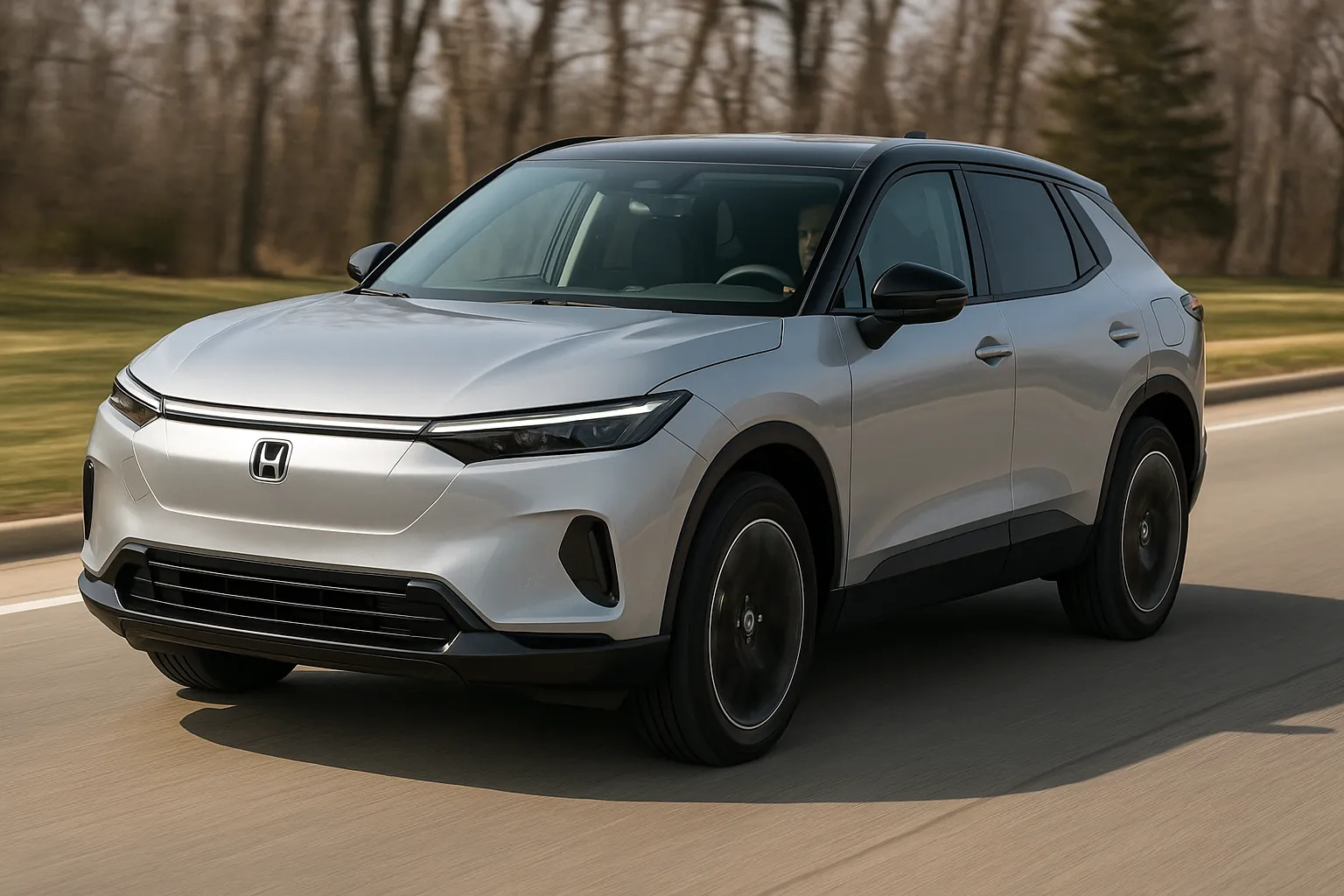
Honda has discontinued the Prologue in the United States, ending the short run of the brand’s only battery-electric vehicle in the market and leaving Honda’s U.S. showroom without a pure EV for now.
The move is significant because the Prologue was not a low-volume compliance oddity or an experimental lease-only model. It was Honda’s first serious modern attempt to enter the mainstream electric SUV segment in the U.S., aimed directly at shoppers considering vehicles such as the Chevrolet Blazer EV, Ford Mustang Mach-E, Hyundai Ioniq 5, Kia EV6, Nissan Ariya, Tesla Model Y, and Volkswagen ID.4.
Instead, the Prologue’s role appears to have been temporary: a bridge product built through Honda’s partnership with General Motors while Honda prepared its own next-generation EV strategy. With the Prologue now gone, that bridge has closed sooner than many shoppers may have expected.
A Short Life for Honda’s First Mainstream U.S. EV
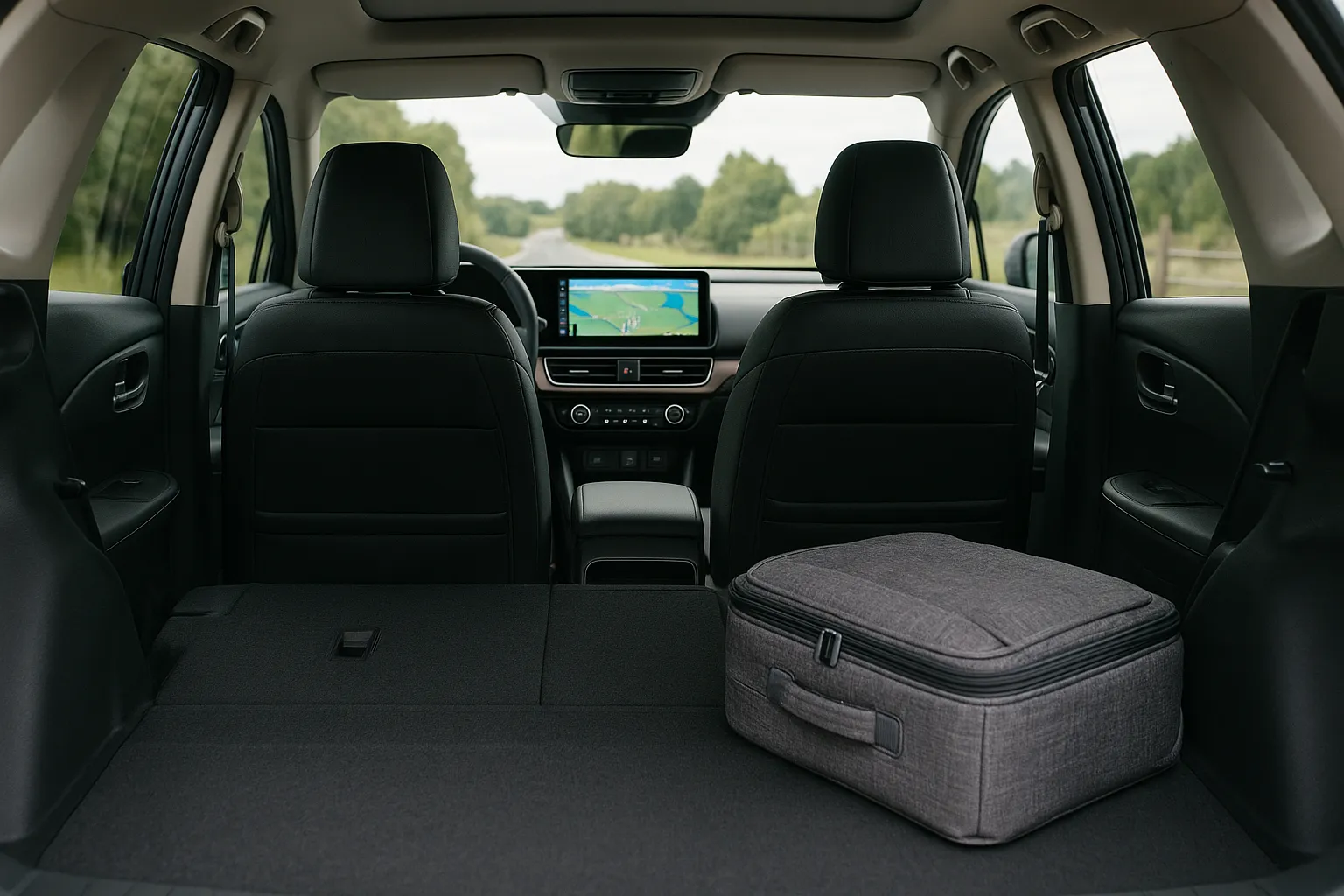
The Prologue arrived as a midsize electric SUV with familiar Honda design cues, a roomy cabin, and a relatively conventional ownership pitch. Unlike some early EVs that leaned heavily into futuristic styling or unusual control layouts, the Prologue looked and felt deliberately normal. That was part of the point. Honda buyers tend to value practicality, reliability, and ease of use, and the Prologue was shaped to feel approachable rather than radical.
Underneath, however, the Prologue was not a ground-up Honda product in the traditional sense. It used GM’s Ultium EV architecture, the same broad battery and propulsion technology family found in several General Motors electric vehicles. That arrangement allowed Honda to get an electric SUV to U.S. buyers faster than it could have by relying solely on its own dedicated EV platform.
The Prologue offered an estimated driving range of up to just under 300 miles in its most efficient configuration, depending on trim and drivetrain. It was available with front-wheel drive or all-wheel drive, with the dual-motor version producing substantially more traction and power. Its positioning was squarely in the heart of the family-EV market: larger and more SUV-like than some compact electric crossovers, but not a three-row flagship.
That made its discontinuation more than a simple trim-line shuffle. Honda is stepping away, at least temporarily, from one of the most important EV segments in the U.S.
Why Honda Is Turning Back Toward Hybrids
The Prologue’s exit comes as the U.S. EV market has become more complicated than the rapid-growth years suggested. Electric vehicle sales are still growing over the longer term, but demand has become uneven by region, price point, charging access, and buyer type. Early adopters have largely made their purchases, while many mainstream shoppers remain sensitive to charging convenience, battery longevity, resale values, and upfront price.
Hybrids, by contrast, have become an easier sell for many households. They deliver better fuel economy without requiring home charging, public charging planning, or major changes in driving habits. Honda already has strong hybrid nameplates in the U.S., including hybrid versions of the Accord and CR-V. Those vehicles fit neatly into the buying patterns of customers who want lower fuel use but are not ready to commit to a fully electric vehicle.
For Honda, prioritizing hybrids in the near term is a pragmatic move. The company can lean on products with established demand while it continues developing EVs that are more fully aligned with its own engineering, manufacturing, software, and battery plans.
That does not mean Honda is abandoning EVs as a long-term technology. The broader industry remains under pressure from emissions rules, global competition, and tightening efficiency expectations. But it does suggest Honda is not willing to keep an interim EV in the lineup simply for appearances if it does not fit the next phase of its strategy.
What This Means for Shoppers
For new-car buyers, the immediate effect is straightforward: if you want a new Honda-badged EV in the U.S., the Prologue is no longer a normal showroom option. Remaining dealer inventory, if any exists, will depend on location and timing. Shoppers interested in one should treat availability as limited and confirm vehicle status, incentives, software updates, charging equipment, and warranty details before signing paperwork.
The discontinuation could create opportunities for bargain hunters if dealers still have unsold examples. Discontinued models often receive sharper pricing, especially when manufacturers and retailers want to clear inventory. However, a lower purchase price should be balanced against longer-term considerations, including resale value, parts availability, software support, and the fact that the Prologue’s underlying hardware is tied to a platform outside Honda’s usual internal ecosystem.
For buyers who simply want an electrified Honda with broad service support and predictable ownership, the safer path may be one of the brand’s hybrids. A CR-V Hybrid or Accord Hybrid will not deliver zero-tailpipe-emissions driving, but either may better match the needs of commuters without home charging or families that frequently take long road trips through areas where charging access is inconsistent.
What Owners Should Watch
Existing Prologue owners are not suddenly left without a vehicle Honda can support. Automakers are expected to continue warranty, service, and parts obligations after a model is discontinued. Still, owners should pay close attention to service communications, software updates, recall notices, and charging-related guidance.
Because the Prologue was developed around GM-sourced EV architecture, the ownership experience may differ from that of a conventional Honda hybrid or gasoline model. That does not make it inherently problematic, but it does mean owners should keep documentation organized and use authorized service channels for high-voltage system work.
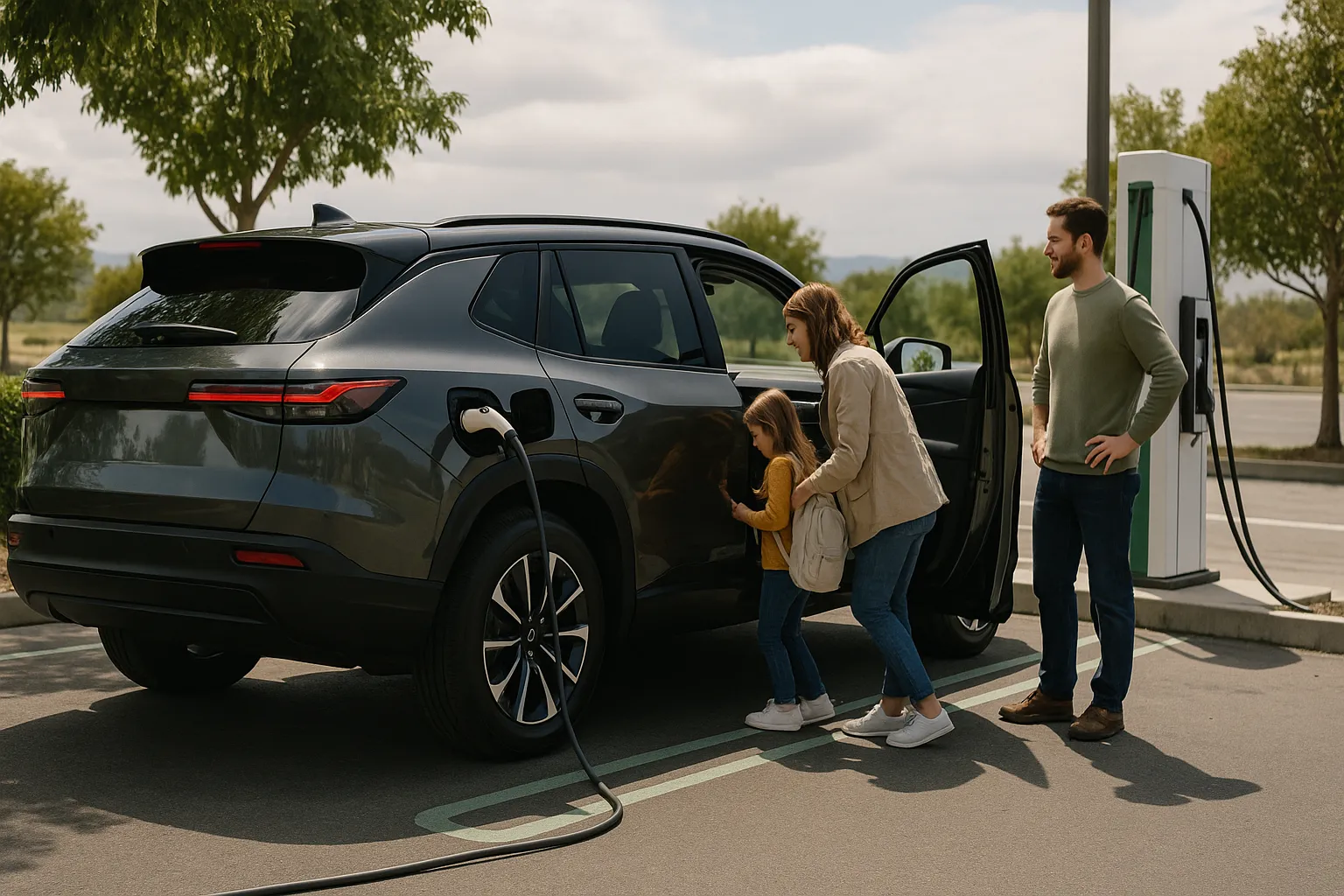
Charging is another area to monitor. The Prologue entered the market with the charging hardware and network assumptions of its time, while the North American charging landscape has been shifting toward wider use of the Tesla-style NACS connector. Owners should verify adapter availability, compatibility, and manufacturer guidance rather than relying on third-party assumptions.
A Bigger Industry Signal
The Prologue’s end illustrates a wider pattern in the auto industry: automakers are rebalancing EV plans after several years of aggressive announcements. Some companies are delaying dedicated EV factories, stretching product timelines, expanding hybrid lineups, or focusing first on segments where electric demand is strongest.
That does not mean the EV transition is over. It means the transition is becoming more selective. Products must now compete not only on emissions and technology, but also on price, charging convenience, production cost, software quality, and residual value. A badge alone is not enough.
For Honda, the challenge is especially important. The brand has built its reputation in the U.S. on durable, efficient, easy-to-own vehicles. Its future EVs will need to preserve those strengths while competing against companies with more experience selling electric vehicles at scale.
The Prologue gave Honda a presence in the electric SUV market, but it did not define the brand’s EV future. Its discontinuation makes the next step more important. Until Honda brings another battery-electric model to U.S. showrooms, hybrids will carry the company’s electrified message to mainstream buyers.