Honda’s Reported 2029 Lifted Accord Hybrid Could Bring Back a Familiar Idea
Honda is reportedly preparing a raised, Accord-based hybrid hatchback for 2029, a model that could give buyers a more efficient alternative to conventional midsize SUVs and a closer rival to the Subaru Outback.
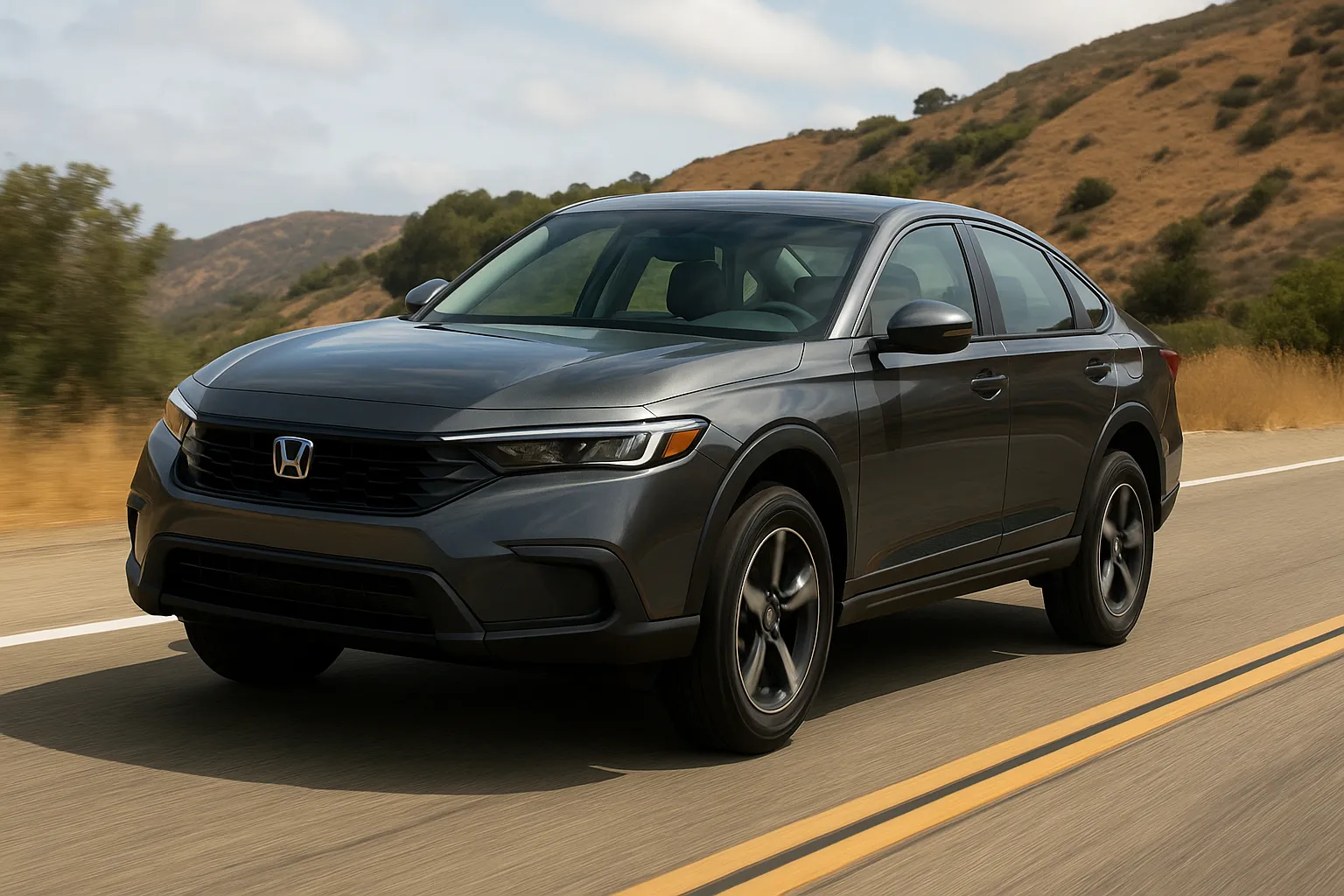
Honda may be getting ready to revisit one of its more unusual past ideas: a higher-riding, Accord-related hatchback aimed at buyers who want crossover practicality without fully committing to a traditional SUV.
The vehicle is reportedly being planned for a 2029 launch and is expected to combine Accord-based underpinnings with a hybrid powertrain and a raised body style. If it reaches production, the model would effectively give Honda a new entry between the Accord sedan and the brand’s SUV lineup, while also putting it closer to the space occupied for years by the Subaru Outback.
Honda has not publicly confirmed the model, and key details remain unannounced. There is no official name, no published specification sheet, and no confirmation of whether it would offer all-wheel drive. Still, the idea is significant because it points to a possible shift in how Honda sees the midsize market in the United States: less emphasis on conventional sedans alone, and more attention to vehicles that blend car-like efficiency with SUV-like versatility.
A modern take on the Crosstour formula
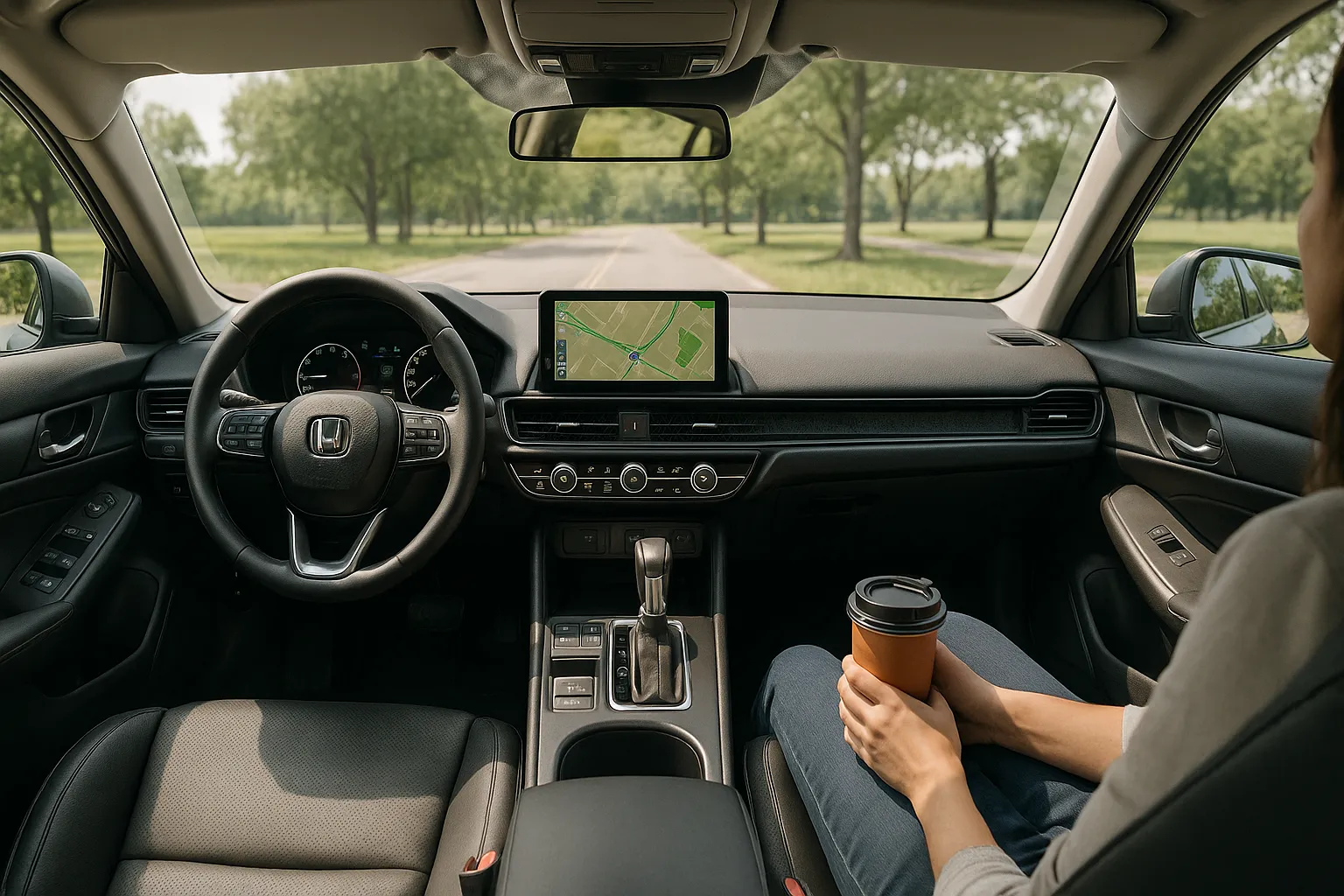
The reported plan immediately recalls the Honda Accord Crosstour, later sold simply as the Honda Crosstour. That model arrived for the 2010 model year as a fastback-style, higher-riding offshoot of the Accord. It offered a more versatile cargo area than a sedan and available all-wheel drive, but its unusual proportions and premium pricing limited its appeal. Honda discontinued it after the 2015 model year.
A 2029 version would enter a very different market. When the Crosstour was new, many buyers were still deciding whether sedan-based crossovers made sense. Today, raised wagons, rugged-looking hatchbacks, and SUV-like cars are far more familiar. The Subaru Outback has spent years proving there is demand for a vehicle with wagon-like road manners, crossover ground clearance, standard all-wheel drive, and useful cargo space.
That context matters. A new Accord-based hatchback would not need to explain the concept from scratch. Instead, Honda would have to execute it better than before: attractive proportions, competitive cargo space, strong fuel economy, and the right amount of rugged capability.
Why Honda might want this vehicle
Honda already has a broad crossover and SUV lineup in the U.S., including the HR-V, CR-V, Passport, Pilot, and electric Prologue. The CR-V is a cornerstone of the brand, and the larger Passport and Pilot cover buyers who need more space or capability. Yet none of those models directly mirrors the Outback’s formula.
The Accord, meanwhile, remains one of the most respected midsize sedans on sale, especially in hybrid form. But the sedan segment has shrunk as more buyers move toward crossovers. A lifted Accord hatchback could help Honda retain customers who like the Accord’s refinement, efficiency, and driving feel but need easier cargo access, a taller seating position, or more foul-weather confidence.
For the industry, it would be another example of automakers trying to keep car platforms relevant by adapting them to crossover tastes. Sedans have not disappeared, but buyers increasingly expect utility. A vehicle that uses Accord hardware while adding a hatch, more ground clearance, and hybrid efficiency could be a more cost-effective way to expand the lineup than developing an entirely separate SUV.
Hybrid power should be central
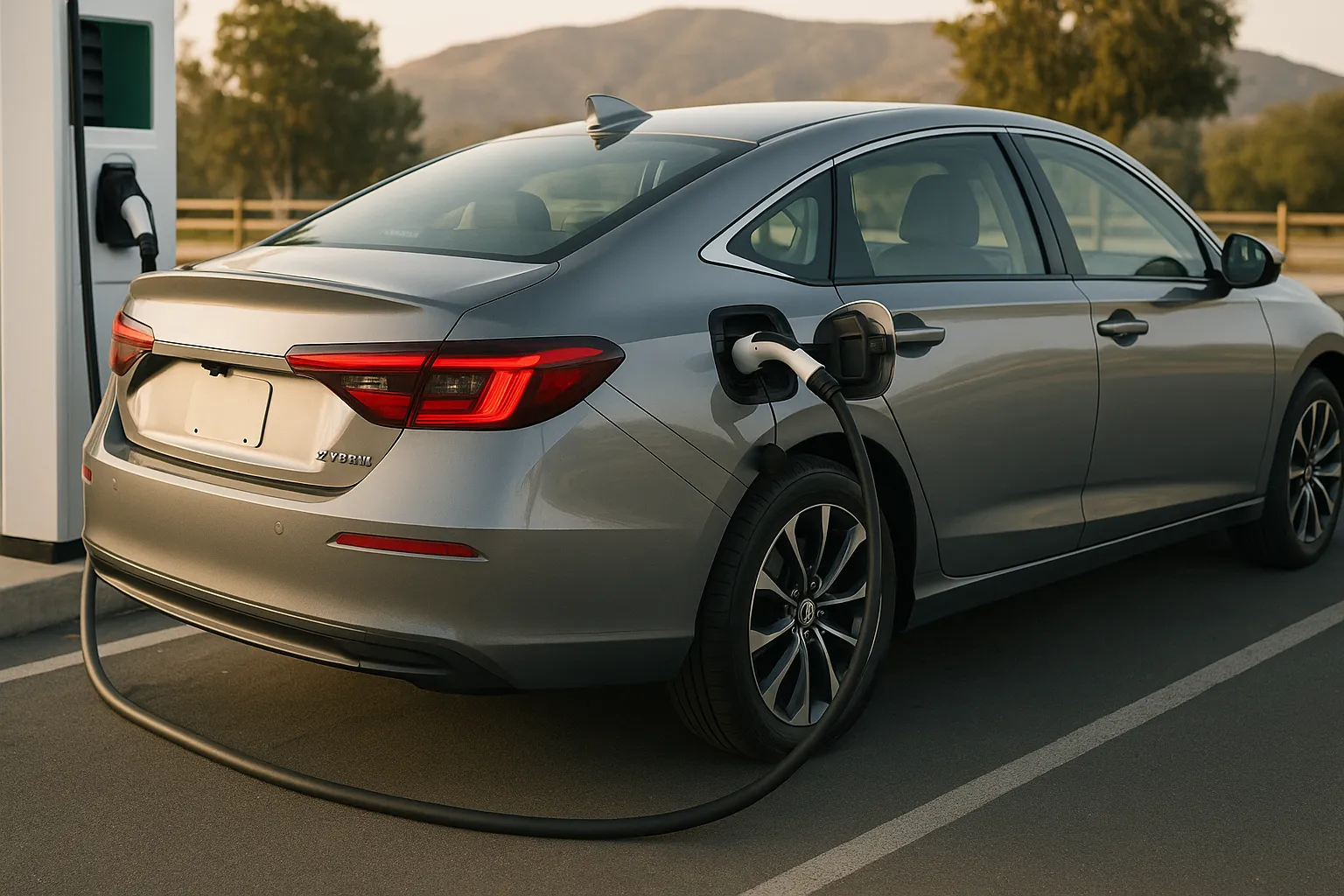
The reported model is expected to use a hybrid powertrain, which would be consistent with Honda’s current strategy. The Accord Hybrid is already a major part of the Accord lineup, using Honda’s two-motor hybrid system to deliver strong real-world efficiency and smooth everyday performance.
A lifted hatchback would likely benefit from that same general approach, though no final powertrain details are confirmed. Hybridization would be important for several reasons. First, it could help offset the fuel-economy penalty that comes with a taller body, larger tires, or added weight. Second, it would give Honda a clear efficiency argument against conventional gasoline SUVs. Third, it would allow the vehicle to appeal to buyers who are not ready for a fully electric vehicle but still want lower fuel costs.
This is especially important in the midsize space. Many families still road-trip long distances, park outdoors, or live in areas where charging access is inconsistent. A hybrid crossover-wagon could offer a practical middle ground: better fuel economy than many SUVs without the charging planning required by an EV.
The big unanswered question: all-wheel drive
If Honda wants this vehicle to compete directly with the Subaru Outback, all-wheel drive will be one of the most important decisions. The Outback’s identity is strongly tied to standard all-wheel drive and light adventure capability. A front-wheel-drive-only lifted Accord hatchback could still find buyers, especially in warmer climates, but it would be a less convincing alternative for customers in snow-belt states or mountain regions.
Honda has offered all-wheel drive on many crossovers, and the old Crosstour had available all-wheel drive, but the current Accord sedan is front-wheel drive. Adding all-wheel drive to an Accord-based hybrid would involve cost, packaging, and efficiency tradeoffs. Honda could also choose to position the model less as an off-road-flavored wagon and more as a sleek, efficient crossover alternative.
That distinction will shape how buyers understand the vehicle. If it has meaningful ground clearance, available or standard all-wheel drive, and a practical cargo area, it could be cross-shopped directly against Outback trims. If it is mainly a raised front-drive hatchback, it may appeal more to Accord loyalists who simply want extra utility.
What it could mean for buyers
For car buyers, the appeal is straightforward. A lifted Accord-based hybrid could offer a lower, more car-like driving position than many SUVs while still providing easier cargo loading and more versatility than a sedan. It could be especially attractive to empty nesters, commuters, small families, and outdoor-oriented drivers who do not need three rows of seats.
Owners may also benefit from Honda’s familiarity with hybrid systems and midsize vehicle packaging. If the model shares major components with the Accord, that could help with reliability, service familiarity, and parts availability. Pricing will matter, though. The original Crosstour struggled partly because it was not cheap, and today’s buyers already have many strong crossover choices.
Enthusiasts may see the idea as a modest but welcome return of the wagon-adjacent Honda. It would not be a traditional Accord wagon, but it could bring back some of the practicality and road manners that made wagons appealing before SUVs took over the market.
A cautious but logical move
A 2029 launch timeline means the vehicle, if approved, is still several years away. Honda’s plans could change before production, and the final design may differ from the current description. The company will also need to decide how much separation the model needs from the CR-V, which already offers hybrid power and strong everyday practicality.
Even with those uncertainties, the strategy makes sense. The Accord name still carries weight, hybrids are gaining importance, and buyers continue to favor vehicles with flexible cargo space and a little extra ride height. If Honda can avoid the awkwardness that limited the Crosstour and deliver a polished, efficient, well-proportioned hatchback, the idea could land better the second time around.