Infiniti Pushes Back High-Performance QX80 as It Reworks SUV’s Formula
Infiniti’s planned high-output QX80 has been delayed as the brand gives engineers more time to sharpen the SUV’s performance credentials. The move matters because a credible flagship performance SUV could help redefine Infiniti’s place in the luxury market.
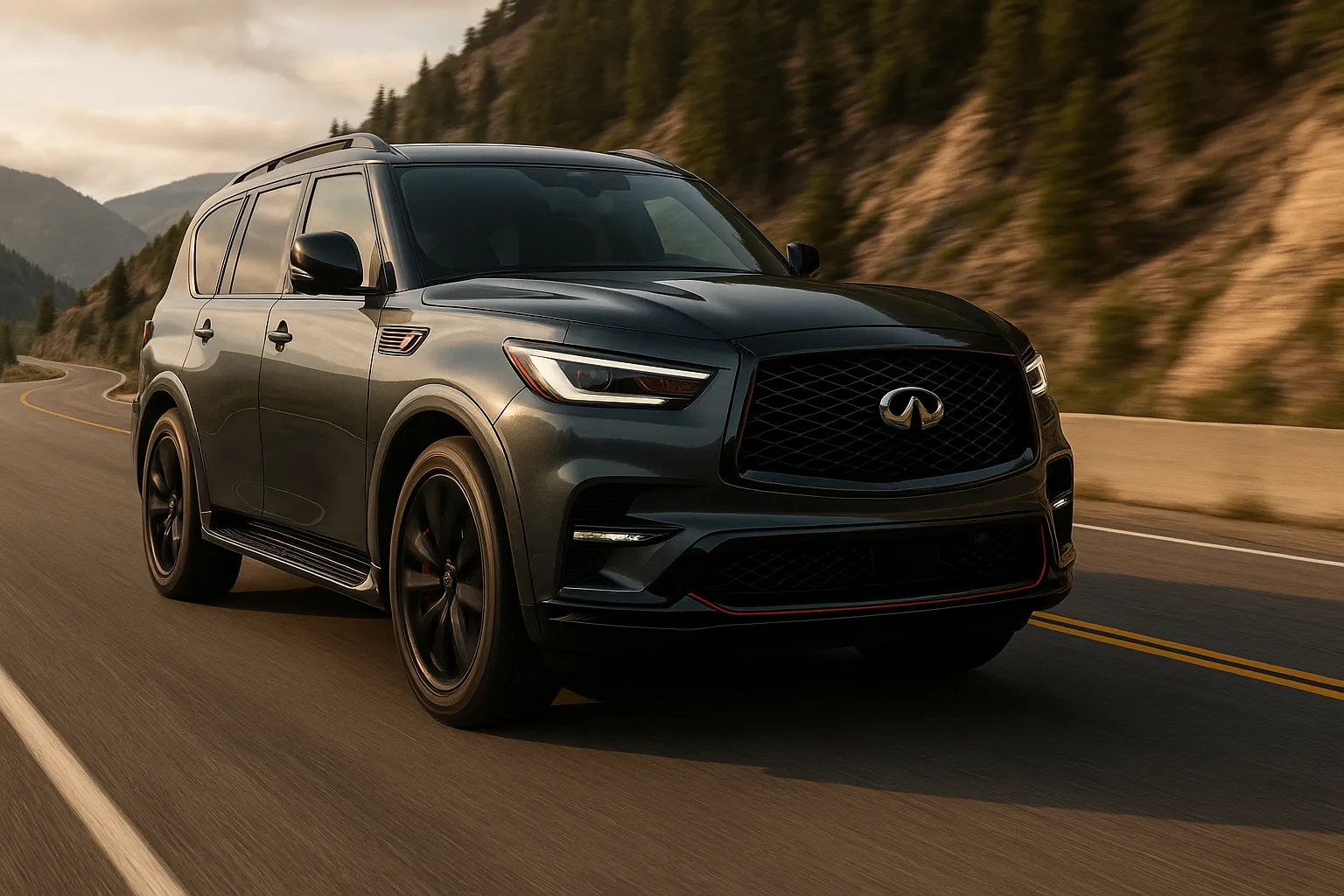
Infiniti’s high-performance QX80 will not arrive as soon as originally expected. The brand has delayed the more powerful version of its full-size luxury SUV, choosing to give the project more development time rather than rush a model that would have to compete in one of the most demanding corners of the premium market.
The hotter QX80 has been discussed as a serious step above the standard SUV, with output expected to land around the 600-horsepower mark. Infiniti has not confirmed final specifications, timing, pricing, or even the exact badge the model will wear. The delay suggests those details are still being worked through as engineers refine the vehicle’s powertrain, chassis, cooling, braking, and overall character.
That caution is important. A high-output version of the QX80 cannot succeed on horsepower alone. In this class, buyers expect effortless straight-line performance, but they also expect stability at highway speeds, confident braking, polished ride quality, refined noise control, luxury-grade materials, and software that feels current. A fast flagship SUV that feels underdeveloped would do more harm than good for Infiniti, especially at a time when the brand is trying to rebuild momentum.
Why Infiniti is taking its time
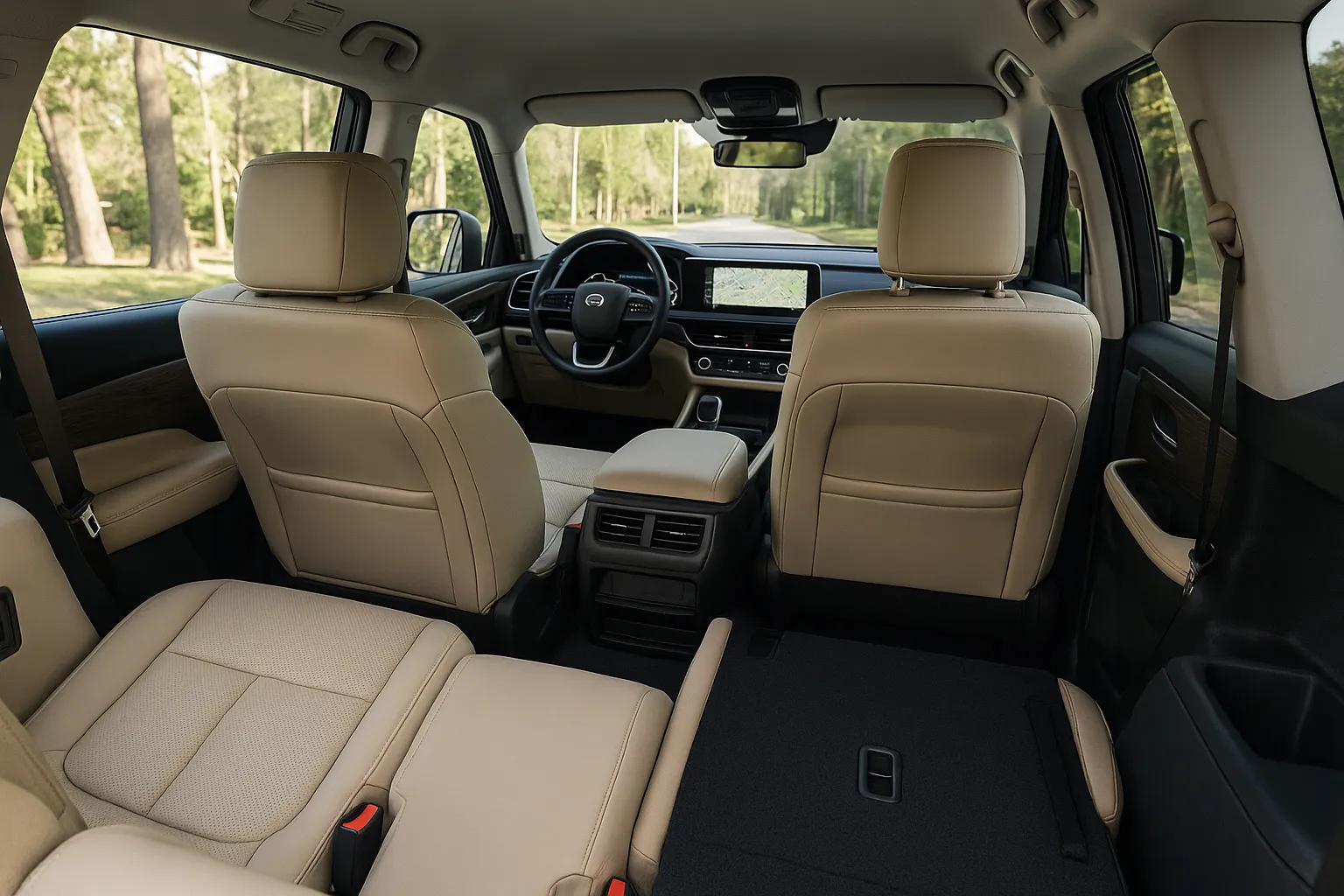
The latest QX80 already represents a major reset for Infiniti’s largest model. The current SUV moved away from the old naturally aspirated V8 formula and now uses a twin-turbocharged 3.5-liter V6 in standard form. In the regular QX80, that engine makes 450 horsepower and 516 pound-feet of torque, paired with a nine-speed automatic transmission. Those figures are strong for a large luxury SUV, but they do not put the QX80 in the same performance conversation as the most extreme versions from Cadillac, Mercedes-AMG, BMW Alpina, or Land Rover.
A 600-hp QX80 would need more than an engine tune. More power in a body-on-frame, three-row luxury SUV brings additional engineering demands. Thermal management becomes harder, especially for towing, hot-weather driving, and repeated acceleration. Suspension tuning has to balance body control with the comfort buyers expect in a premium family hauler. Brakes must be upgraded for the extra speed and weight. Tires, steering calibration, transmission mapping, all-wheel-drive behavior, and drive modes all need to work together.
That is likely why the delay matters. Infiniti appears to be treating the model as more than a cosmetic package or a simple output bump. If the goal is to build a credible performance flagship, the company has to make the SUV feel cohesive.
The competitive target is clear
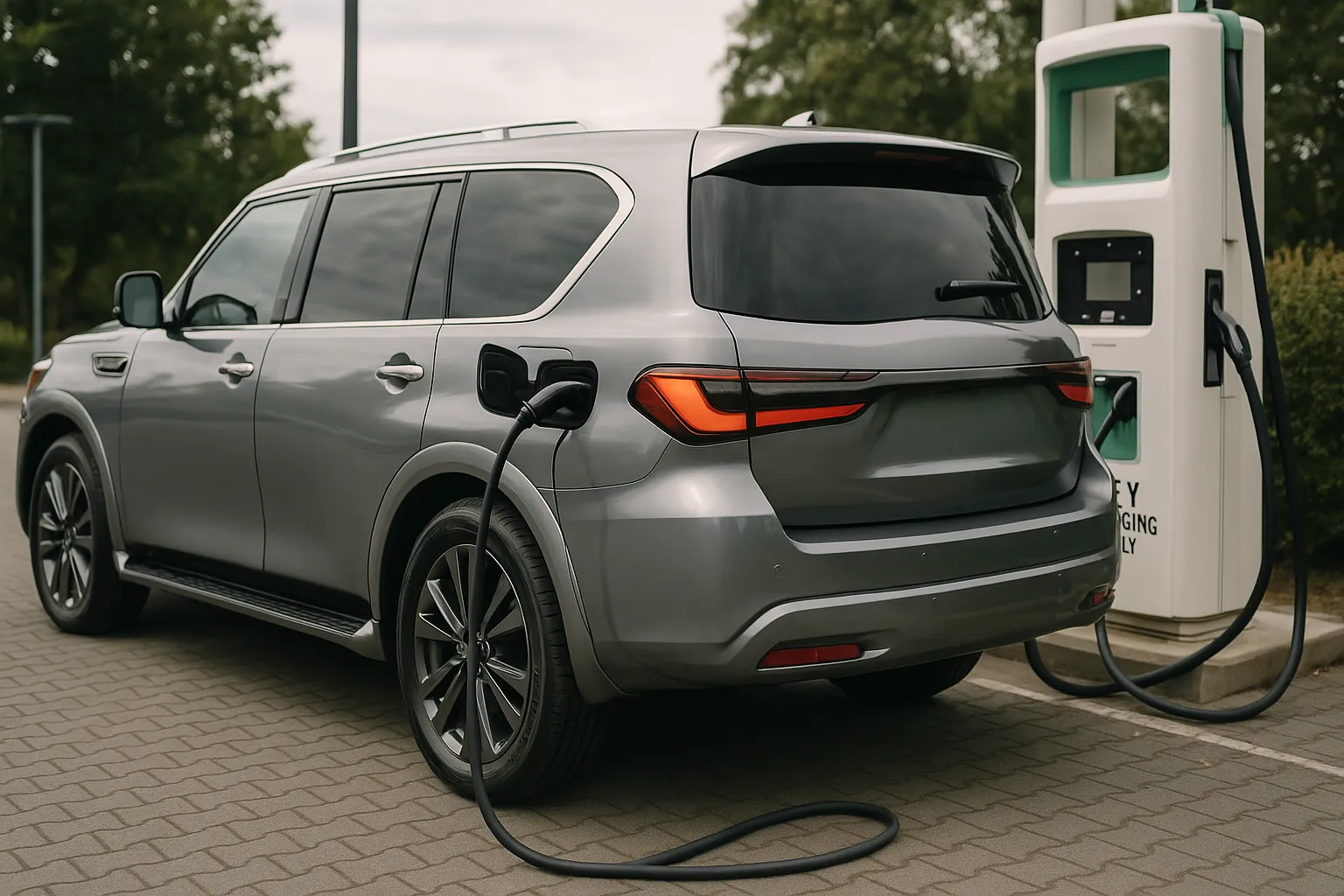
The performance luxury SUV segment has changed dramatically over the past decade. Full-size and large three-row SUVs are no longer judged only by cabin space, towing capacity, and leather quality. They are now status vehicles with the performance numbers of sports sedans from not long ago.
The Cadillac Escalade-V is the obvious benchmark among body-on-frame American luxury SUVs, using a supercharged V8 and delivering far more power than a standard Escalade. Mercedes-AMG’s GLS 63 takes a different approach, blending a high-output V8 with AMG chassis tuning and a more road-focused luxury persona. The BMW Alpina XB7 and Range Rover Sport SV also show how far brands are willing to go to combine prestige, power, and everyday usability.
Infiniti does not necessarily need to beat those models on paper. It does, however, need a clear reason for buyers to consider it. A high-performance QX80 could offer a different mix: Japanese luxury, a large three-row cabin, a powerful turbocharged engine, and potentially a price below some European rivals. But if it arrives without the polish customers expect, value alone will not be enough.
What this means for shoppers
For shoppers already considering the standard QX80, the delay changes very little in the short term. The regular model remains the only version available for now, and it already has enough power for most family, commuting, and road-trip duties. Buyers who prioritize comfort, presence, towing ability, and three-row space do not need to wait for the performance model unless they specifically want a more aggressive driving experience.
For enthusiasts and luxury buyers cross-shopping performance SUVs, the delay means patience will be required. There is no public replacement launch date, so anyone needing a vehicle soon will likely continue looking at existing high-output rivals. The delayed QX80 may eventually enter that conversation, but its final performance numbers and hardware are still uncertain.
There is also a potential upside for future buyers. Extra development time can lead to better reliability, stronger durability, and more complete tuning. Performance SUVs are complex, expensive vehicles, and early missteps can be costly for owners. If the delay allows Infiniti to improve cooling, drivetrain calibration, ride control, and braking, the finished product could be more satisfying to own.
Why it matters for Infiniti
The stakes are bigger than one trim level. Infiniti has spent years searching for a sharper identity in the luxury market. The QX80 is now one of its most visible products, and a performance version could become a halo model that draws attention to the rest of the lineup.
The brand has used performance-oriented branding before, particularly with Red Sport models such as the Q50 Red Sport 400. Applying that idea to the QX80 would give Infiniti a more emotional flagship at a time when luxury buyers increasingly expect both comfort and excitement. It could also help dealers bring in shoppers who might not otherwise visit an Infiniti showroom.
But halo products only work when they feel authentic. A large luxury SUV with big horsepower but ordinary handling, insufficient braking, or unclear positioning would not move the brand forward. Delaying the model is a conservative move, but it may also be the smarter one.
The bottom line
Infiniti’s delayed high-performance QX80 remains an important future product, even without a confirmed launch date. The expected formula is straightforward: more power, more attitude, and a stronger challenge to established performance luxury SUVs. The hard part is execution.
If Infiniti gets it right, the SUV could give the brand a credible flagship and offer buyers a fresh alternative to the usual German, British, and American choices. If it does not, the model risks becoming a high-priced curiosity in a segment where customers have plenty of proven options. Taking more time now suggests Infiniti understands that difference.