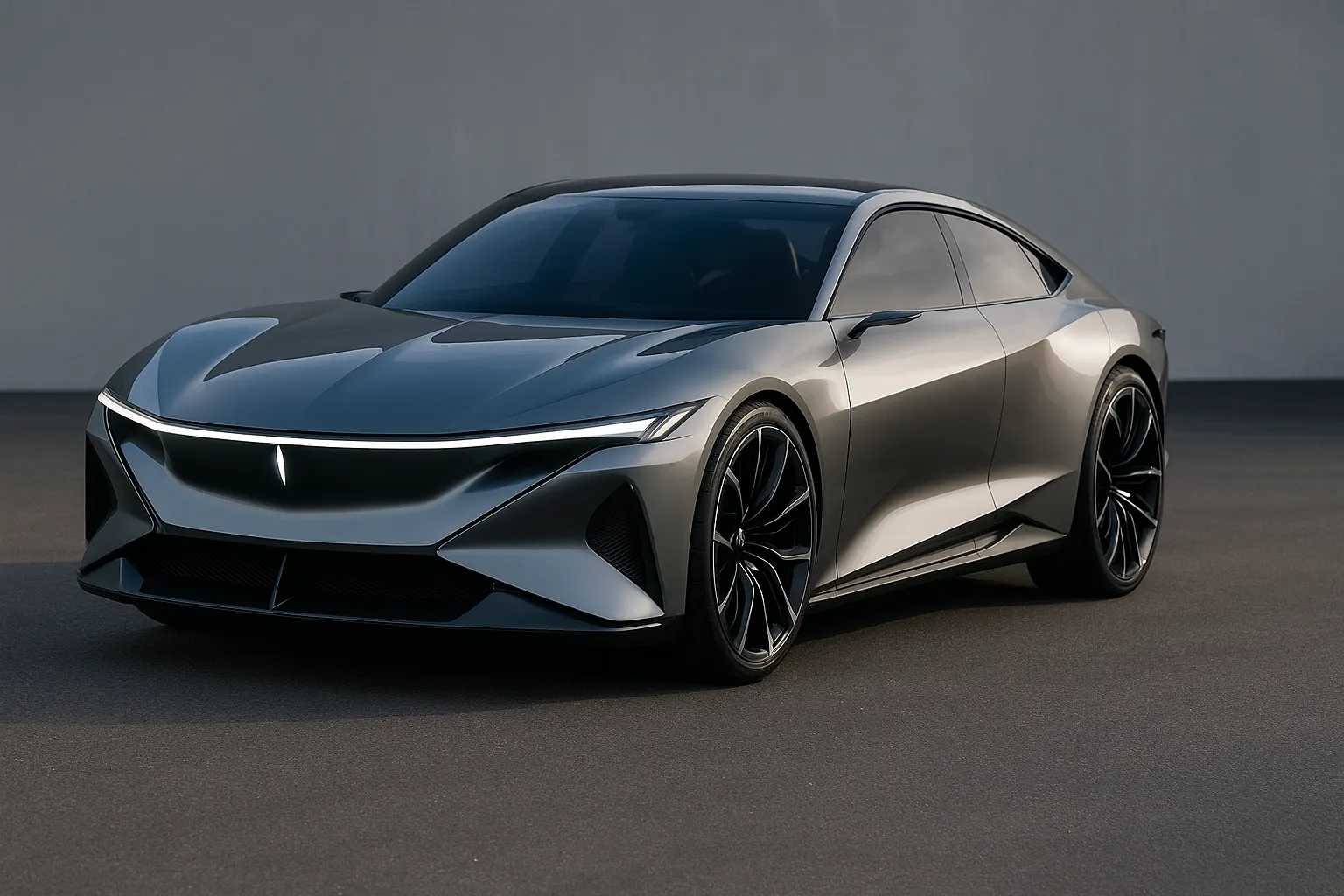
Jaguar Type 01 EV Interior Signals a Radical Four-Seat GT Reset
Jaguar has revealed the cabin direction for the Type 01, a zero-emissions four-door GT with four individual seats, a dramatic center structure, concealed technology, and stone-inspired materials.

Jaguar’s next era is starting with an interior that is intentionally far removed from the brand’s recent cabins. The Type 01, the electric four-door GT positioned as the first model in Jaguar’s rebooted lineup, now has a revealed cabin concept built around four individual seats, a strong architectural divider through the center of the car, and technology designed to stay out of sight until it is needed.
The name itself carries several signals about Jaguar’s repositioning. “Type” ties the car to the company’s historic naming language, “0” refers to zero tailpipe emissions, and “1” marks the first entry in a new generation of vehicles. Rather than presenting the Type 01 as a direct replacement for an existing sedan, SUV, or coupe, Jaguar is framing it as a new kind of luxury GT for an all-electric future.
A four-seat cabin, not a family-first layout
The most important practical detail is the seating arrangement. The Type 01 uses a strict four-seat configuration, with separate front and rear chairs rather than a conventional rear bench. That immediately gives the car a more specialized character. For buyers, this matters because it suggests Jaguar is prioritizing personal space, visual drama, and grand-touring comfort over maximum passenger capacity.
A four-seat GT can be luxurious, but it is not the same proposition as a five-seat luxury sedan or crossover. Owners who regularly carry three passengers in the back will likely find the layout limiting. Enthusiasts and design-led buyers, however, may see it as a statement: Jaguar is not trying to make the Type 01 blend into the increasingly crowded field of premium electric SUVs.
The cabin is organized around a prominent structure running between the occupants. This central spine separates the seats and appears to define the interior’s shape more than a traditional dashboard-and-console arrangement would. It gives the space a concept-car feel and reinforces the idea that the Type 01 is meant to be experienced as a high-design object as much as a transportation product.
Technology that recedes into the background

Jaguar is also moving away from the familiar screen-heavy look that has dominated many recent EV interiors. The Type 01’s cabin uses hidden-on-demand technology, meaning displays and interfaces are intended to appear when relevant and withdraw when not in use.
That approach reflects a broader luxury-car debate. Large screens can be powerful and flexible, but they can also make expensive cabins feel visually similar, and they may frustrate drivers when core functions are buried in menus. A cleaner, more restrained interface could help Jaguar stand apart if it works smoothly in production form.
The key question is execution. Concealed technology can feel elegant when the controls are intuitive, fast, and easy to locate. It can feel frustrating if basic features require too many steps or if the design favors spectacle over usability. For future owners, the success of this interior will depend less on how dramatic it looks in reveal images and more on how naturally it works during everyday driving, charging, navigation, and climate adjustment.
Stone-inspired materials point to a new luxury language
Material choice is another major part of the Type 01’s message. The cabin uses inspiration from travertine, a limestone associated with architecture and interior design rather than traditional automotive trim. That is a notable shift from the familiar luxury-car palette of stitched leather, polished wood, piano-black plastic, and metal accents.
The use of stone-inspired surfacing supports Jaguar’s push toward a more modern, design-led identity. It also suggests the brand wants its future models to feel closer to high-end furniture, fashion, or architecture than to conventional executive cars.
For buyers, materials will be more than an aesthetic issue. Luxury EVs face scrutiny over durability, sustainability, heat management, glare, cleaning, and long-term wear. If Jaguar brings this design language into a production vehicle, it will need to make sure the materials feel special without becoming fragile or impractical.
Why this matters for Jaguar
The Type 01 is not just another new EV. It is the opening move in a wider reset for Jaguar, a brand that has spent years trying to define its place among German luxury makers, new EV specialists, and high-end performance brands. The company’s past strengths — graceful design, sporting identity, and a sense of occasion — have not always translated into consistent sales momentum in the modern luxury market.
An interior like this shows Jaguar is not planning a quiet, conservative transition to electric power. The company appears to be betting that distinct design will be essential to survival. In a market where many EVs share similar skateboard-style packaging, instant torque, minimalist cabins, and digital interfaces, visual identity becomes a major differentiator.
That strategy carries risk. A dramatic cabin can attract attention, but it also narrows the target audience. Mainstream luxury buyers may prefer familiar controls, conventional seating, and proven practicality. Jaguar seems willing to accept that trade-off if it helps the Type 01 feel more exclusive and more clearly separated from rivals.
What remains unknown
The interior reveal does not answer the biggest ownership questions. Final production specifications, battery capacity, driving range, charging capability, performance figures, pricing, cargo space, and market timing remain the details that will determine how competitive the Type 01 is when it reaches customers.
There is also the usual gap between concept-style presentation and production reality. The revealed cabin establishes Jaguar’s design intent, but materials, controls, seating details, and technology may change before customer cars are finalized. Until those details are confirmed, the Type 01 should be viewed as a strong preview of Jaguar’s direction rather than a complete product brief.
Even with those caveats, the interior reveal is significant. It confirms that Jaguar’s electric rebirth will not be built around cautious imitation. The Type 01 cabin is low on conventional luxury-car cues and high on sculptural design, personal-space theatrics, and restrained digital presentation. Whether that becomes a breakthrough or a niche statement will depend on how well Jaguar turns the idea into a usable, desirable, and credible electric GT.