Jeep Rethinks Europe With Three Smaller SUVs, While Recon and Wagoneer S Are Dropped
Jeep is shifting its European strategy toward higher-volume compact SUVs, with three new models planned by 2030 and the Recon, Wagoneer S and Wrangler absent from UK showrooms.
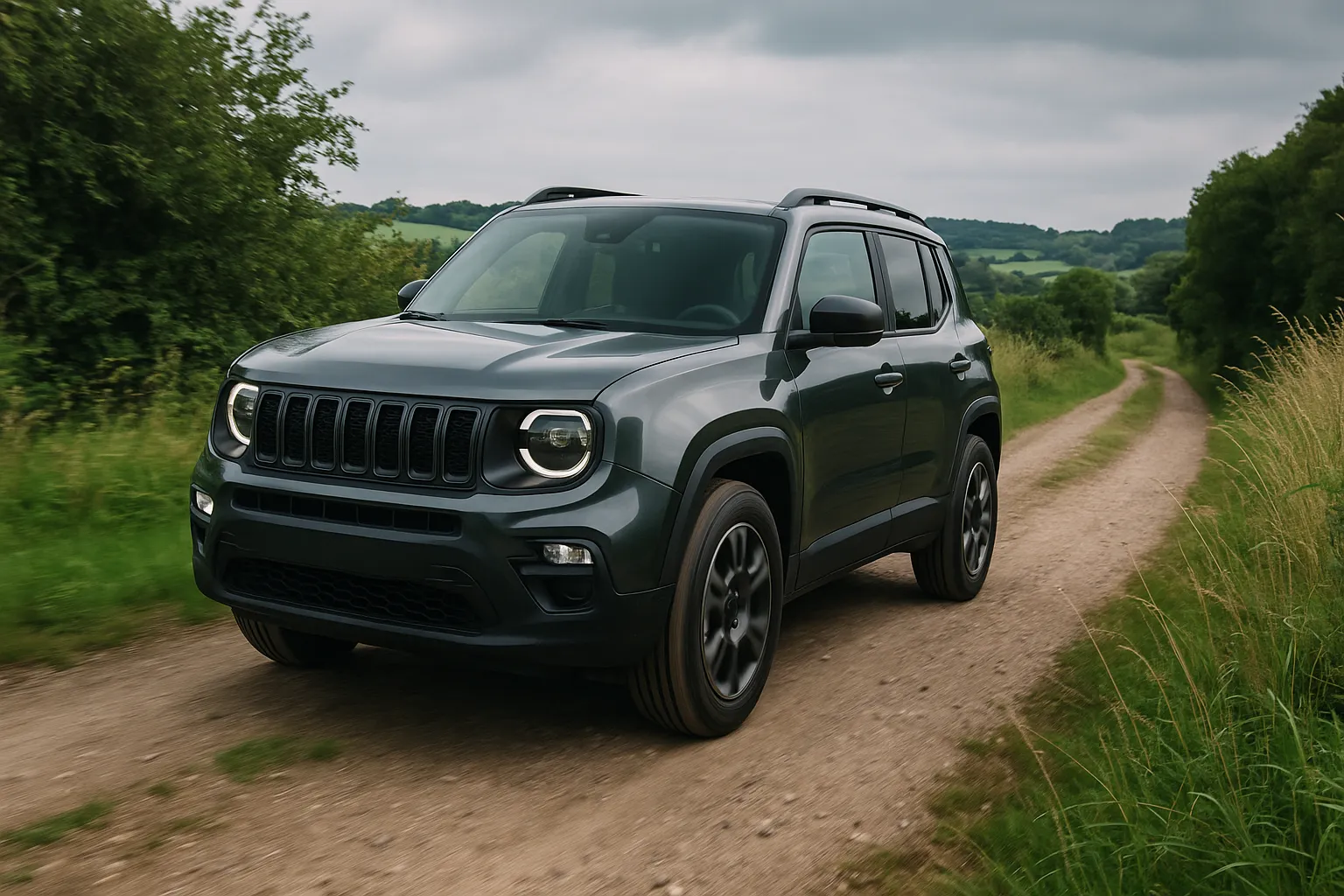
Jeep’s European range is being reshaped around smaller, more market-focused SUVs, with three new models due by 2030 and several higher-profile nameplates now missing from the UK plan.
The brand’s revised strategy points away from importing U.S.-leaning halo products and toward vehicles designed around European buying habits, packaging needs and regulatory realities. The next wave is expected to include a new supermini-sized SUV, a replacement for the Renegade, and a tougher family-sized SUV. These models will sit alongside the current Avenger and Compass, giving Jeep a broader footprint in the compact and mid-size SUV classes that dominate European sales.
The shift also means the Jeep Recon and Jeep Wagoneer S are no longer expected to reach UK buyers. The Recon, a fully electric off-road SUV conceived as a modern, battery-powered companion to Jeep’s traditional 4x4 image, had previously been earmarked for Europe. The Wagoneer S, a more premium electric SUV already launched in North America, had also been discussed for right-hand-drive markets. Those plans have now been dropped.
Why Jeep is changing direction

Jeep faces a difficult balancing act in Europe. Its image is built on American off-road heritage, but European buyers often prioritize compact dimensions, efficient powertrains, affordable running costs and urban usability. The brand’s most famous models help define what Jeep stands for, yet they do not necessarily deliver the sales volume needed in markets where taxes, emissions rules, safety regulations and parking realities are very different from North America.
That tension has become more obvious as Jeep’s European lineup has thinned. The Wrangler, long the brand’s clearest link to its go-anywhere roots, has been removed from UK sale because it no longer fits current European emissions and safety requirements. Now, with the Recon and Wagoneer S absent from the UK roadmap, Jeep’s European range will lean more heavily on smaller SUVs rather than enthusiast-led flagships.
The stated business case is straightforward: right-hand-drive engineering, market weakness and modest sales forecasts make expensive niche launches harder to justify. For a brand operating under the wider Stellantis umbrella, each regional product has to earn its place. That is especially true in Europe, where Jeep must compete not only with mainstream SUVs from Peugeot, Renault, Volkswagen, Hyundai, Kia and Toyota, but also with a growing wave of lower-cost electric and hybrid models from Chinese brands.
Three new SUVs by 2030
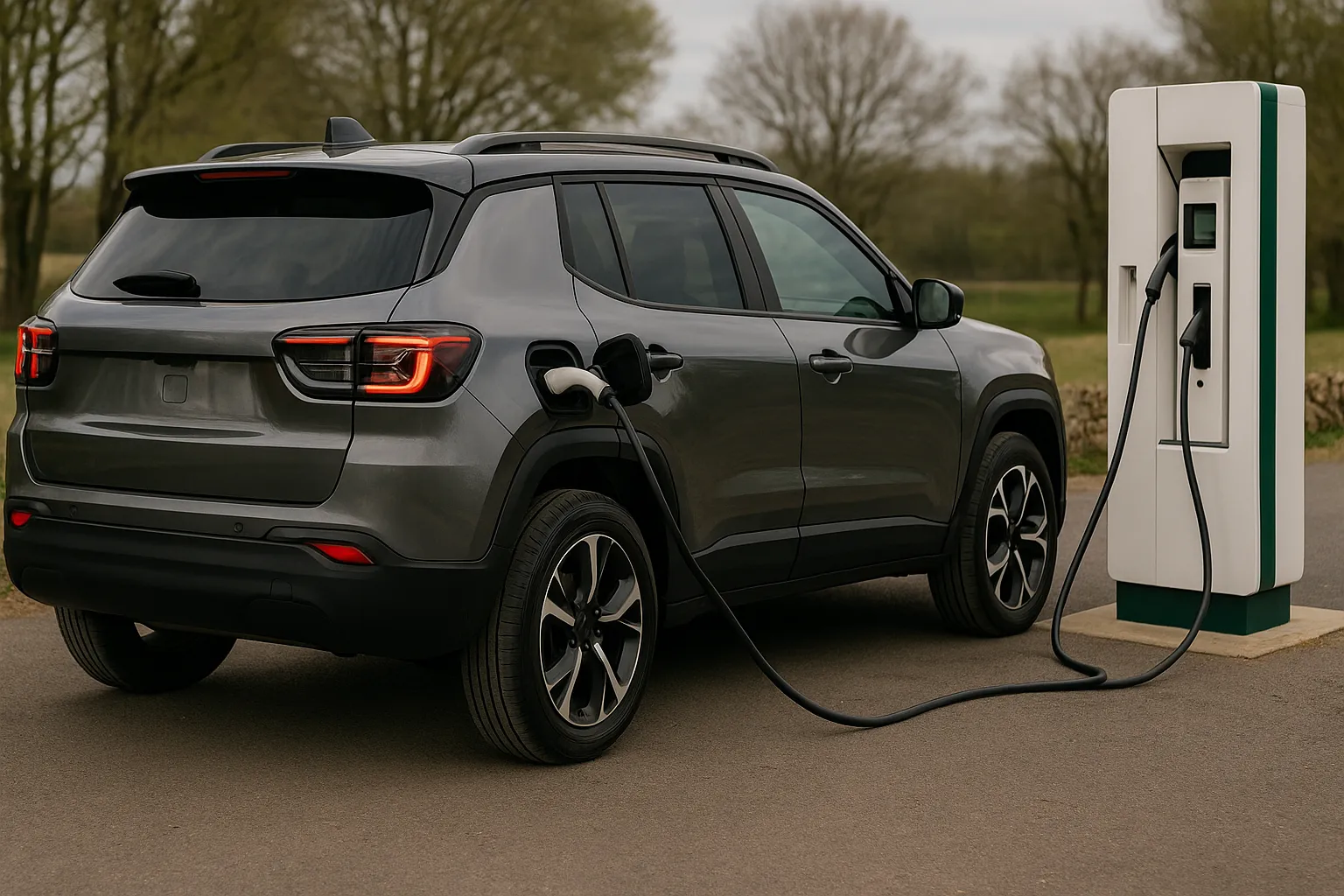
The first pillar of the revised plan is a new B-segment SUV. This would place Jeep in one of Europe’s most important classes, where compact crossovers often serve as family cars, commuter vehicles and first SUVs. Jeep already has the Avenger in this space, but the upcoming model is described as a separate supermini-sized SUV rather than a direct duplicate. It is expected to use a modern Stellantis platform, with the STLA-One architecture mentioned in connection with the project.
A new Renegade is also planned. The original Renegade was one of Jeep’s most Europe-relevant products because it combined the brand’s boxy design cues with a compact footprint. A replacement would give Jeep a recognizable name in a segment where familiarity matters, while allowing the company to update electrification, safety technology and interior packaging for the second half of the decade. Final specifications, powertrains and launch timing remain unconfirmed.
The third model is a family-sized SUV with a tougher character. This vehicle is expected to target buyers who need more space than the Avenger or Renegade can offer but do not want a large, expensive American-style SUV. Development is understood to involve Dongfeng, reflecting the increasingly global nature of Stellantis product planning and the need to control costs in a highly competitive market. It is not yet clear how much of that model’s engineering, production or design will be shared across regions.
Together, these three models should give Jeep a more coherent European showroom: small, compact and family SUV entries, all shaped for the types of vehicles that sell in meaningful numbers.
What buyers lose with Recon and Wagoneer S
The decision to drop the Recon and Wagoneer S from UK plans will disappoint enthusiasts who wanted Jeep’s electric transition to include more than compact crossovers. The Recon was particularly significant because it promised a battery-electric interpretation of Jeep’s off-road identity, including a more adventurous character than most electric SUVs. Without it, UK buyers looking for a rugged electric 4x4 with Jeep badging will have fewer options.
The Wagoneer S would have played a different role. As a premium electric SUV, it could have given Jeep a rival to higher-end electric family SUVs and helped lift the brand’s image in Europe. But premium EVs are expensive to engineer, certify and market, and right-hand-drive conversion adds cost for relatively limited sales potential. In that context, Jeep appears to be prioritizing attainable volume models over low-volume flagships.
For existing Jeep owners, the practical impact depends on what they drive. Wrangler loyalists have already lost the option to replace their vehicle with a new UK-market version. Drivers of Renegades, Compass models or smaller crossovers may see more continuity, because Jeep’s future European strategy is now focused on the segments they already occupy.
A more European Jeep, but still a Jeep?
The central question is whether Jeep can preserve its identity while building vehicles that are smaller, more efficient and more cost-conscious. The Avenger has already shown that Jeep can adapt its design language to a compact European SUV. The next challenge is to make that approach work across a broader range without diluting the brand into just another crossover maker.
That means future European Jeeps will need more than styling cues. Buyers will expect competitive electric or hybrid powertrains, strong infotainment, good safety equipment and sensible pricing. Enthusiasts will also look for credible traction systems, durable-looking design and some level of off-road ability, even if most owners rarely leave paved roads.
The industry significance is broader than one brand. Jeep’s revised plan illustrates how global carmakers are being forced to regionalize their lineups. A vehicle that makes sense in North America may not automatically work in Europe, especially when electrification costs, regulations and right-hand-drive engineering are factored in. Instead of spreading every global model everywhere, manufacturers are increasingly choosing targeted products for specific markets.
For Jeep, the gamble is clear. Losing the Wrangler, Recon and Wagoneer S reduces the emotional pull of the European range, but three well-judged SUVs could give the brand a stronger commercial base. If Jeep can combine compact practicality with enough of its traditional toughness, the new plan may make more sense for European buyers than the headline-grabbing models it has left behind.