JLR Pauses Sales of Select Defender, Discovery and Range Rover SUVs Over Airbag Fault
Jaguar Land Rover has issued a stop-sale for affected Land Rover Defender, Discovery and Range Rover SUVs after identifying an airbag-related fault. Details on the scope and repair timing remain limited.
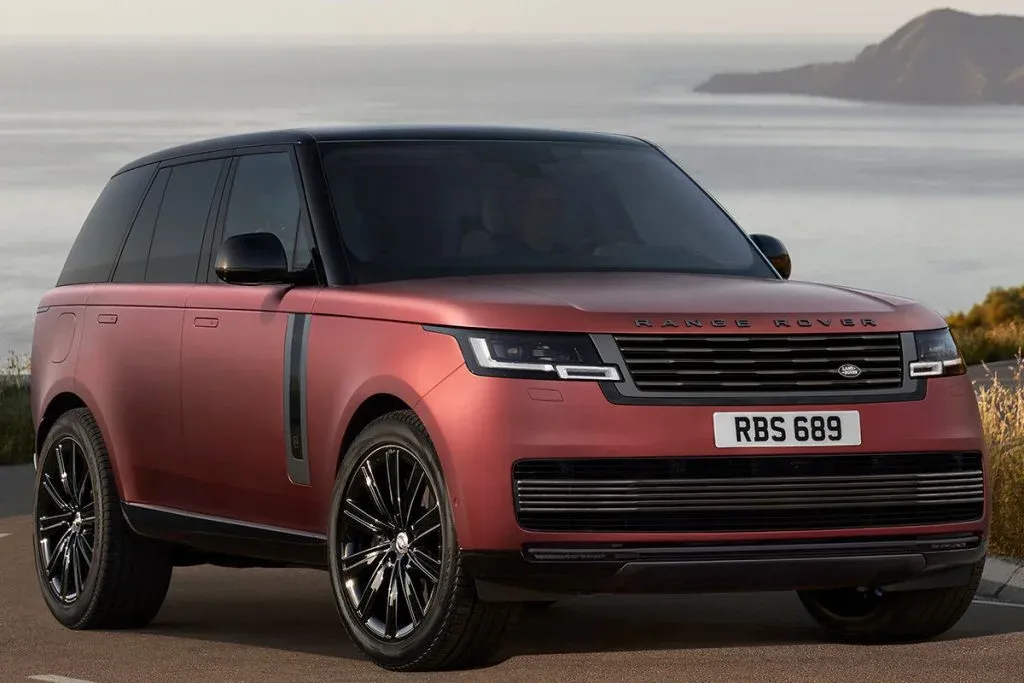
Jaguar Land Rover has issued a stop-sale affecting Land Rover Defender, Discovery and Range Rover SUVs after identifying a fault related to the vehicles’ airbag systems. The order means dealers are expected to hold affected unsold vehicles until the company provides a remedy or further instructions.
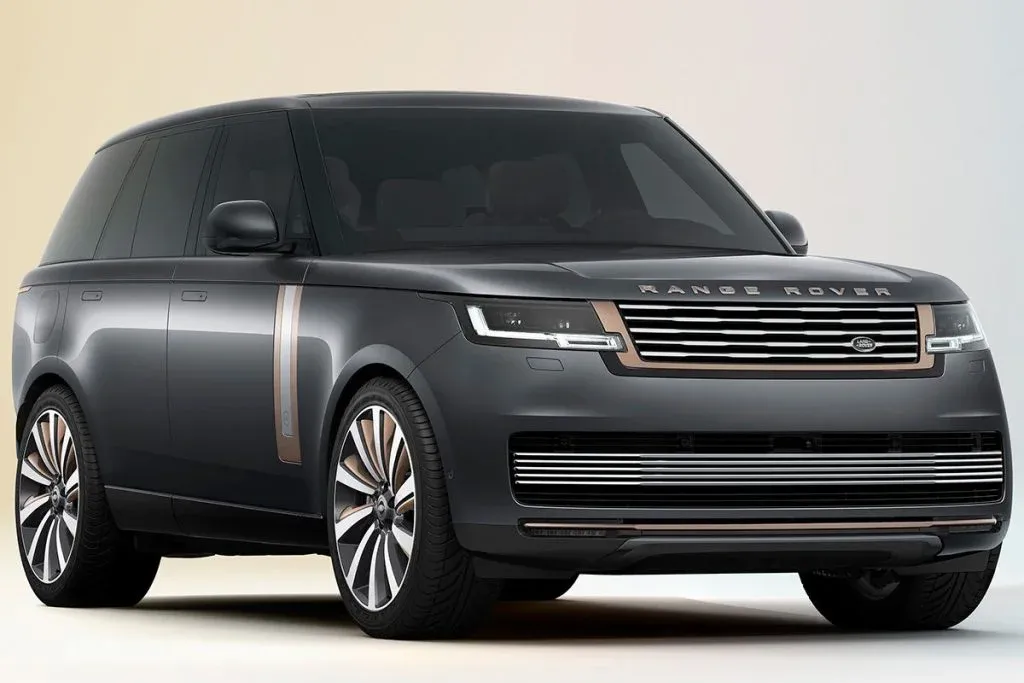
The affected nameplates are among the brand’s most important and most visible models. The Defender is Land Rover’s rugged off-road-focused SUV, the Discovery serves as a family-oriented three-row utility vehicle in many markets, and the Range Rover remains the company’s flagship luxury SUV. A stop-sale involving these vehicles is therefore significant for shoppers, dealers and the automaker, even before the full scope is known.
At this stage, public details are limited. The available information identifies the issue as an airbag fault, but it does not provide the exact component involved, the model years affected, the number of vehicles covered, or whether the fault concerns deployment, sensing, warning lights, wiring, software or another part of the supplemental restraint system. A formal safety recall filing may clarify those details if regulators publish one.
What a stop-sale means

A stop-sale is different from a general consumer warning, though the two can be related. When an automaker issues a stop-sale, it tells its retail network not to deliver certain vehicles to customers until a safety, compliance or quality issue is addressed. The order usually applies to new or certified vehicles sitting in dealer inventory, but the exact terms can vary depending on the campaign.
For a buyer waiting to take delivery of a Defender, Discovery or Range Rover, the practical effect could be a delay. A dealer may not be able to finalize the handover of an affected SUV until it confirms whether that specific vehicle is included and completes any required inspection, software update or parts replacement. Buyers with signed paperwork, deposits or incoming factory orders should contact their dealer for a vehicle-specific status check rather than relying on model-name information alone.
For dealers, the stop-sale can create a near-term inventory problem. These SUVs are high-value products, and holding them on the lot can tie up capital, delay deliveries and complicate monthly sales planning. The impact depends on how many vehicles are included and how quickly JLR can provide a repair procedure.
What owners should do now
Current owners should avoid assuming their vehicle is unsafe solely because a stop-sale exists. Stop-sales often begin with inventory vehicles while the automaker and regulators determine which customer-owned vehicles require action. If a recall is launched, owners are typically notified through mail, email, connected vehicle accounts, dealer contact or national recall databases.
That said, because airbags are critical safety equipment, owners of recent Defender, Discovery and Range Rover models should pay attention to any warning messages or airbag lights. If an airbag warning lamp remains illuminated, the vehicle should be checked by an authorized service department. An airbag system warning can indicate that part of the restraint system may not operate as designed in a crash.
Owners can also ask a dealer to check the vehicle identification number, or VIN, against open campaigns. A VIN lookup is the most accurate way to determine whether an individual vehicle is included. Model name alone is not enough, because safety actions are often limited by production date, parts supplier, plant, software version or equipment configuration.
Why the airbag issue matters
Airbag systems are complex. They rely on sensors, control modules, wiring, seatbelt pretensioners and pyrotechnic inflators that must work together within milliseconds of a collision. A defect in one part of the system can affect whether an airbag deploys, when it deploys, or whether the system correctly identifies an occupant or crash event.
That is why automakers tend to treat restraint-system faults conservatively. Even if the number of potentially affected vehicles is small, the consequence of a malfunction can be serious. A stop-sale helps prevent additional deliveries until engineers and service teams understand the issue and have a clear remedy.
For shoppers, this is a reminder that safety campaigns are not limited to budget vehicles or older designs. Premium SUVs with advanced electronics, high-end interiors and sophisticated driver-assistance features still depend on basic restraint systems working correctly. The badge and purchase price do not remove the need for careful quality control and transparent recall handling.
What shoppers should ask before buying
Anyone shopping for a Defender, Discovery or Range Rover should ask the dealer three direct questions: Is this VIN affected by the stop-sale? Has the required repair or inspection been completed? Can the dealer provide written confirmation that the vehicle is cleared for delivery?
If the SUV is not affected, the sale may proceed normally. If it is affected, the timeline will depend on the fix. Some airbag-related campaigns can be solved with a software update or connector inspection, while others require replacement parts that may take longer to distribute. Without the final repair instructions, it is too early to say how long this pause will last.
Buyers with a trade-in, financing deadline or expiring lease should discuss contingency plans with the dealer. Options may include extending a current lease, delaying delivery, selecting a different VIN or waiting for the repair to be completed. Because these are expensive vehicles, shoppers should avoid taking delivery outside normal manufacturer guidance.
What to watch next
The next important development will be the publication of official campaign details, including model years, production dates, affected population and the exact defect description. A remedy schedule will also matter. If the fix is simple and parts are available, the disruption could be short. If the problem requires component replacement across a broad group of vehicles, the stop-sale could have a larger effect on dealer inventory and customer deliveries.
The timing also matters for JLR’s broader business. Land Rover SUVs are the company’s profit engine, and the Defender and Range Rover families are central to the brand’s image. A safety-related stop-sale does not necessarily indicate a widespread defect, but it does put pressure on the automaker to communicate clearly and resolve the issue quickly.
For now, the best advice is to treat the situation as VIN-specific. Prospective buyers should verify the status of the exact vehicle they plan to purchase. Current owners should monitor recall notices, check for warning lights and contact a dealer if they have concerns. Until more technical information is released, the known facts are straightforward: affected Defender, Discovery and Range Rover SUVs are temporarily blocked from sale while JLR addresses an airbag-related problem.