Kia Chooses Mexico for EV3 Production as North American EV Plans Take Shape
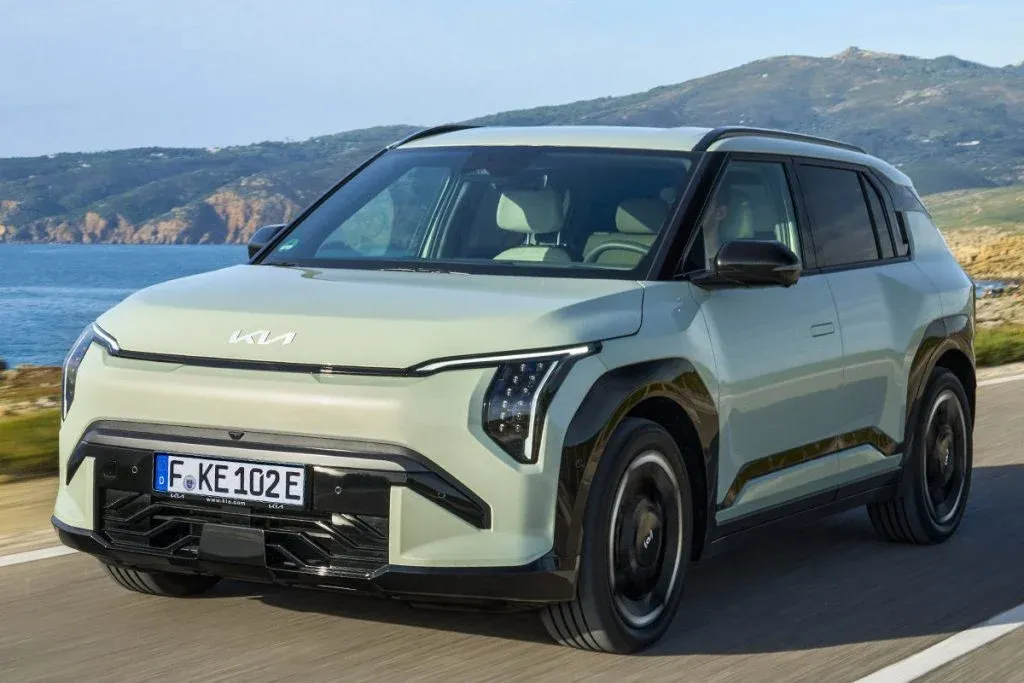
Kia will retool its Pesquería, Nuevo León factory to build the EV3 for North America, a move that could improve supply, local content, and pricing flexibility for the compact electric SUV.
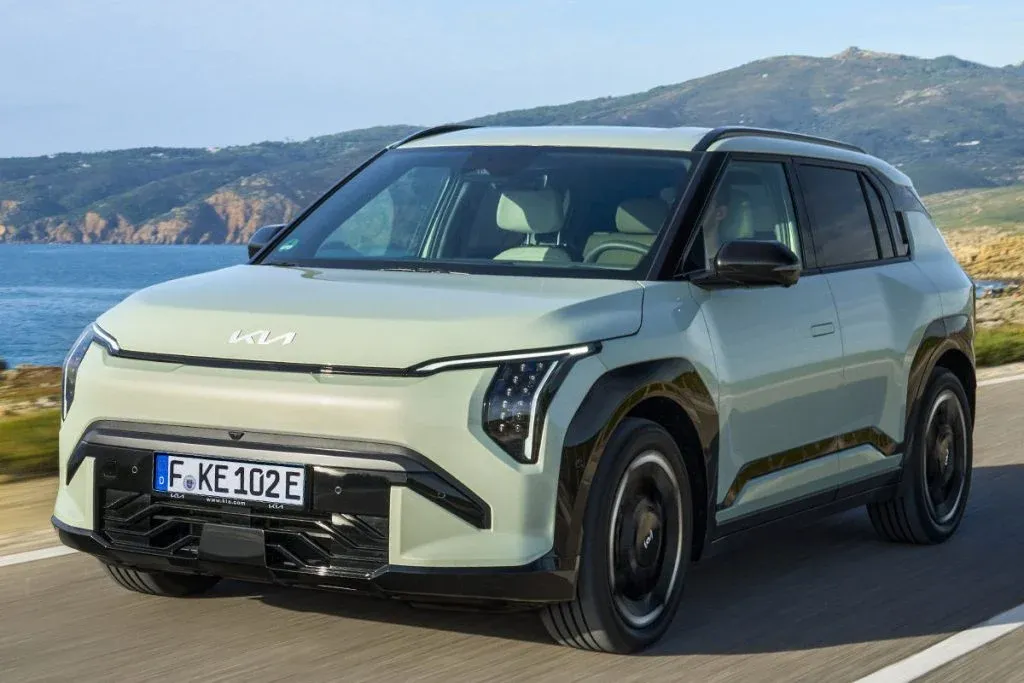
Kia has selected its Pesquería, Nuevo León assembly plant in Mexico as the production site for the EV3, giving the brand a North American manufacturing base for one of its most important upcoming electric vehicles.
The plan includes retooling the Mexican factory for EV3 output through 2028 and is tied to a reported investment of about $649 million. The move is significant because the EV3 is expected to sit in one of the most competitive and price-sensitive parts of the electric-vehicle market: compact crossovers. Building it in North America could help Kia manage costs, improve regional supply, and increase the amount of local content in the vehicle.
For shoppers, the headline is simple: the EV3 is moving closer to becoming a serious North American product rather than just a global EV shown for other markets. For the industry, the decision shows how automakers are continuing to adapt their EV production footprints around trade rules, logistics, and the need for more affordable electric models.
Why Mexico matters for the EV3

Kia’s Pesquería plant is already an important part of the company’s manufacturing network in the Americas. Adding EV3 production gives that factory a larger role as Kia transitions from primarily combustion and hybrid models toward a broader EV portfolio.
Producing the EV3 in Mexico could bring several advantages. First, it places assembly much closer to U.S. and Canadian dealers than importing every unit from South Korea or another overseas plant. That can reduce shipping complexity and help stabilize inventory once production ramps up.
Second, local assembly gives Kia more flexibility as North American EV policy continues to evolve. Incentives and trade rules can depend on where a vehicle is assembled, where its components come from, and how much regional content is included. Final eligibility for any consumer tax credits or incentives will depend on battery sourcing, assembly details, and regulations in effect when the EV3 reaches showrooms, so buyers should not assume benefits until Kia confirms them for a specific model year and trim.
Third, a Mexico-built EV3 could help Kia price the vehicle more aggressively. Compact EVs need to compete not only with other electric crossovers, but also with gasoline SUVs that remain cheaper upfront. Manufacturing closer to the sales region does not guarantee a low sticker price, but it can give an automaker more room to maneuver.
What the EV3 brings to Kia’s lineup
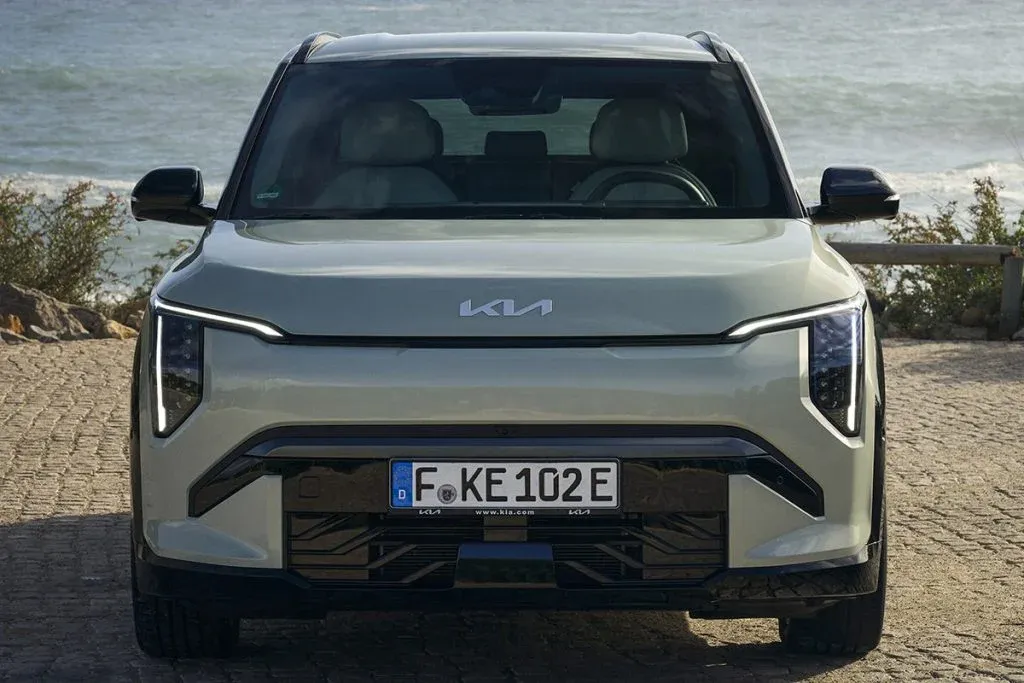
The EV3 is a smaller electric SUV positioned below larger Kia EVs such as the EV6 and EV9. Globally, it has been presented as a practical, design-forward crossover meant to bring more of Kia’s dedicated EV styling and technology into a more attainable segment.
That matters because the EV market has been strongest either at the premium end or among buyers with access to incentives and home charging. The next phase of growth depends heavily on vehicles that feel familiar, useful, and reasonably priced. A compact SUV is an obvious place to focus because it matches mainstream buyer preferences in North America.
Kia has already built a reputation for offering EVs with distinctive styling, competitive range, and relatively strong standard equipment. The EV3 is expected to carry that formula into a smaller package. Exact North American specifications, including battery sizes, EPA-estimated range, charging hardware, trim structure, and pricing, still need to be confirmed for the Mexico-built version.
In other markets, the EV3 has been associated with long-range battery options and a cabin layout that borrows ideas from Kia’s larger electric models. North American buyers should wait for final local details, because specifications often change between regions due to regulation, supply chain choices, charging standards, and market positioning.
Production through 2028 signals a multi-year commitment
The production plan running through 2028 is more than a short-term allocation. It suggests Kia sees sustained demand for a compact electric SUV in North America and is willing to dedicate capital to prepare the Pesquería plant for that role.
Retooling an existing factory for EV production is a major undertaking. It can involve changes to body assembly, battery-related handling, electrical testing, supplier logistics, worker training, and quality-control processes. Even when an automaker uses an established plant, adding an EV program requires new equipment and new routines.
The reported $649 million investment points to a broad upgrade rather than a minor model changeover. It also strengthens Mexico’s position as a key EV manufacturing hub for North America. Automakers and suppliers have increasingly looked to Mexico for vehicle assembly and component production because of its manufacturing base, export access, and proximity to the U.S. market.
Charging and infrastructure remain part of the equation
The production plan is also linked to expanded charging support in the region. That is important because vehicle availability alone will not determine EV adoption. Buyers still need confidence that they can charge at home, at work, and on road trips.
For many compact SUV shoppers, the EV3 could be a first electric vehicle. Those buyers may be less willing to tolerate confusing charging access or long charging stops than early adopters were. Kia’s broader EV strategy in North America will need to include clear charging guidance, compatibility with widely available public networks, and dealer support for new owners.
The charging standard used on the North American EV3 has not been detailed here. That detail will matter, especially as the market transitions toward broader access to the North American Charging Standard. The practical ownership experience will depend on plug type, adapter availability, route-planning software, battery preconditioning, and charging-curve performance.
What buyers should watch next
The biggest unanswered questions are price, timing, range, and incentive eligibility. A Mexico-built EV3 could be positioned as one of Kia’s more affordable electric offerings, but affordability depends on the final trim lineup and battery choices.
Buyers should watch for several key announcements:
- North American launch timing and model year
- EPA-estimated range figures
- Battery sizes and charging speeds
- Whether the vehicle uses NACS, CCS, or a transition strategy
- U.S. federal tax-credit eligibility, if any
- Canadian and Mexican market availability
- Starting price and lease offers
- Standard driver-assistance and safety equipment
The EV3’s success will likely depend on more than its maximum range. Compact crossover buyers tend to care about monthly payment, cargo room, rear-seat space, warranty coverage, charging convenience, and dealer service. If Kia can combine a competitive price with useful range and strong equipment, the EV3 could become a meaningful volume EV rather than a niche product.
Why this matters
Kia’s decision to build the EV3 in Mexico is a practical manufacturing move with real consumer implications. It may help the company supply North American dealers more consistently, respond faster to regional demand, and potentially improve the cost structure of a small electric SUV.
It also reflects a broader shift in the EV business. Automakers are no longer focused only on high-end electric flagships. The more important battle is moving toward smaller, more affordable vehicles that normal households can consider. Localized production is one of the ways brands are trying to make that work.
For enthusiasts, the EV3 may not be the flashiest electric Kia, but it could be one of the most important. If it delivers useful range, good charging performance, and realistic pricing, a Mexico-built EV3 could become a key test of how quickly mainstream EV adoption can expand in North America.