Land Rover Defender Octa loses power as emissions rules reshape V8 flagship
The updated Land Rover Defender Octa keeps its 750Nm V8 torque figure but drops to 532bhp, with mild-hybrid revisions, new trim options and UK deliveries due in autumn.
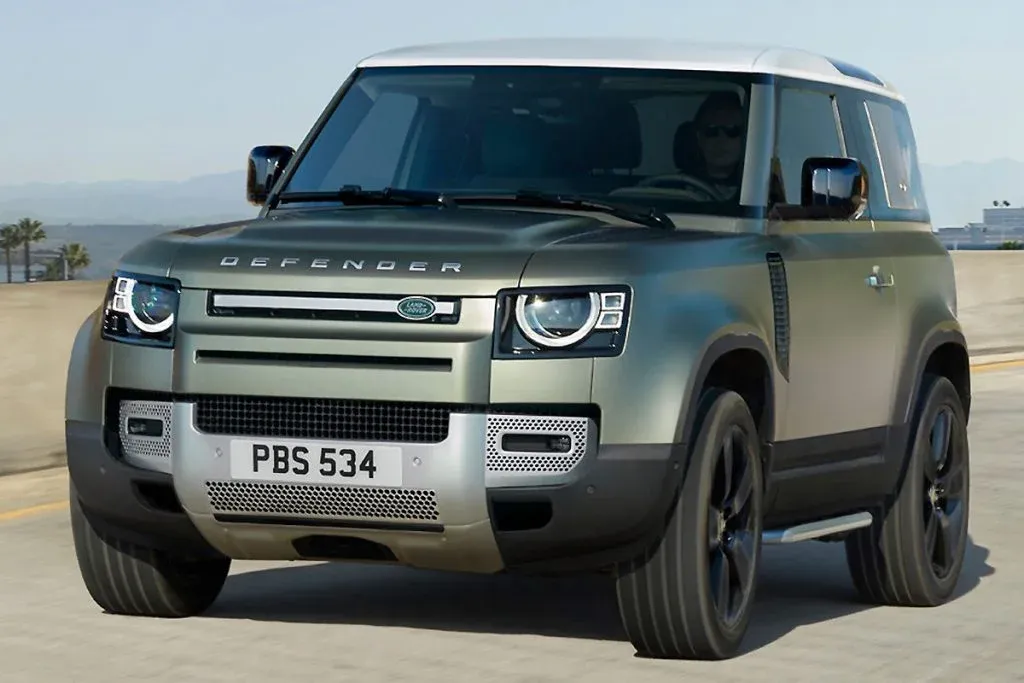
Land Rover’s hardest-edged Defender gets a quieter kind of update
The Land Rover Defender Octa is being updated for the 2027 model year, and the headline change is not a new styling package or a faster acceleration time. It is a reduction in power.
The revised Defender Octa now produces 532bhp, a drop of 93bhp compared with the previous version. Torque remains unchanged at 750Nm, and the official 0-62mph time rises only slightly, from 4.0 seconds to 4.2 seconds. For a tall, heavy, off-road-capable SUV, that is still a rapid figure.
The change has been made as the model is reworked to meet Euro 6b emissions requirements. It is a notable example of how tightening rules continue to affect high-performance combustion models, even at the expensive and low-volume end of the market.
UK order books are open now. The updated Defender Octa is priced from £147,245, while the darker-themed Octa Black starts at £157,245. Deliveries are scheduled to begin in the autumn.
What has changed mechanically?
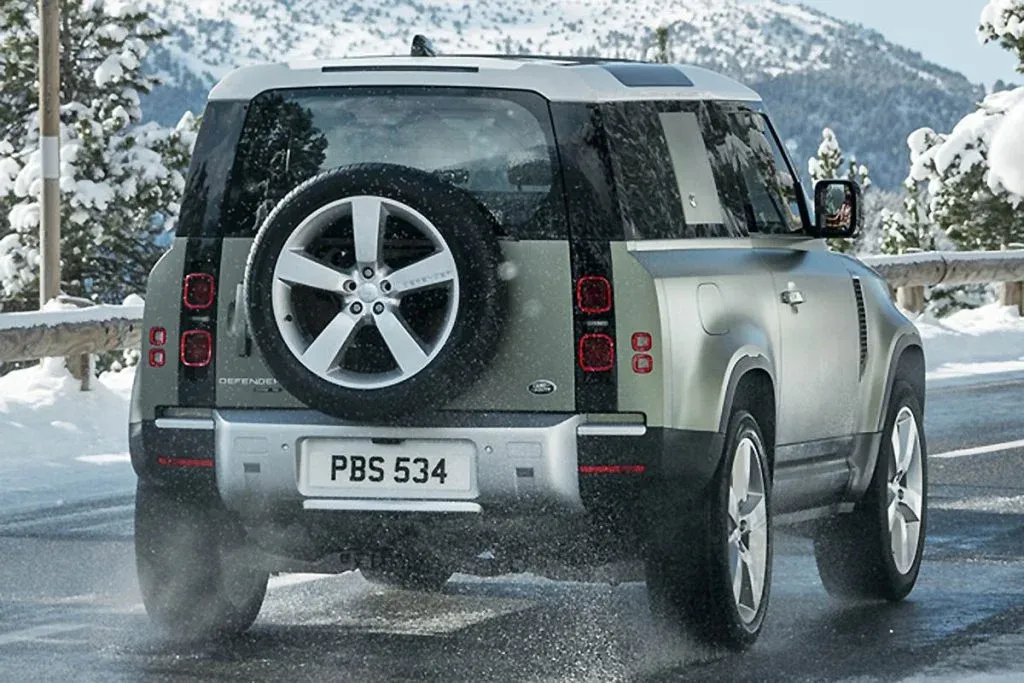
The Defender Octa continues with a BMW-sourced V8 engine, but the updated version adds mild-hybrid assistance. The system is intended to improve low-speed operation and help the powertrain work more efficiently in conditions where big petrol engines are often least efficient, such as urban driving, crawling traffic and stop-start use.
The exhaust system has also been revised. While emissions-related changes often raise concern among enthusiasts about sound and character, Land Rover says the new exhaust setup gives the V8 a more engaging note. The real test will come once the revised Octa is driven back-to-back with the outgoing model, but the company is clearly trying to preserve the theatre expected from its most extreme Defender.
The most important performance context is the torque figure. By retaining 750Nm, the Octa should keep much of the effortless shove that defines a large turbocharged V8 SUV. In everyday driving, torque delivery often matters more than the final horsepower number, particularly in a vehicle that is expected to tow, climb, surge past slower traffic and handle loose surfaces as well as paved roads.
The 0.2-second increase in the 0-62mph time suggests the reduced peak output will be more noticeable on paper than in typical use. Buyers who want the most powerful Octa built to date may prefer the earlier version, but customers ordering the new model are unlikely to feel short-changed in outright pace.
New colors and trim choices
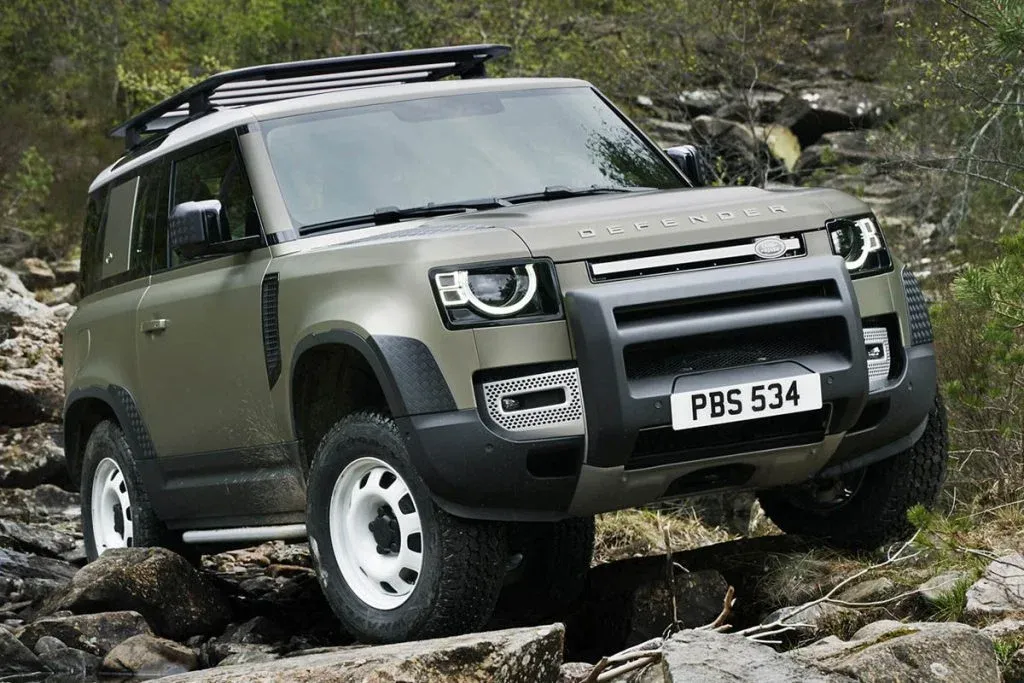
The 2027 update also broadens the Octa’s visual options. A matte-finish Patagonia White joins the palette, giving the SUV a more purposeful, technical look. Woolston Green, already associated with the wider Defender range, is also being added to the Octa lineup.
For buyers choosing the Octa Black, a chopped carbon exterior package is now available for the first time. A gloss protective film option is also being introduced across the range, which should appeal to owners who plan to use the SUV on rough roads or simply want to protect the finish of a very expensive vehicle.
These changes are not as significant as the powertrain revision, but they matter in this segment. High-end SUV buyers expect personalization, and the Defender Octa sits in a space where rugged image, luxury specification and performance branding all overlap. Paint finish, carbon trim and protective film can be as important to some customers as the mechanical specification.
Why the power drop matters
The Defender Octa’s lower output is not just a Land Rover story. It reflects a broader industry pattern: performance vehicles are being redesigned not only to go faster, but to comply with increasingly complex emissions rules.
For mainstream cars, that pressure has accelerated the shift to hybrids, plug-in hybrids and electric vehicles. For specialist performance models, the response can be more nuanced. Automakers may recalibrate engines, add mild-hybrid systems, modify exhaust hardware or reduce peak power to keep a model on sale in key markets.
That is exactly why this update matters. The Octa is not an economy car being optimized for fleet emissions. It is the flagship version of an already premium SUV, aimed at buyers who want excess capability and character. If even this kind of vehicle needs a power reduction to stay compliant, it shows how few corners of the combustion-engine market are untouched by regulation.
For enthusiasts, the outgoing version’s higher output may become a talking point. Cars from just before emissions-related revisions sometimes gain extra desirability, especially when the later model is detuned. That does not automatically make the older Octa the better vehicle, but it may influence used values and collector interest over time.
For buyers, the decision is more practical. The new model is slower by only two tenths to 62mph, keeps the same torque, gains updated hardware and offers fresh appearance options. If the mild-hybrid system improves smoothness and drivability, the revised Octa may feel more polished despite the lower peak horsepower figure.
Still a very unusual performance SUV
The Defender Octa remains an unusual proposition because it combines several identities that do not always fit neatly together. It is a luxury SUV, a performance model, an off-road machine and a design statement. Its price places it among serious premium performance SUVs, but its appeal is different from road-biased rivals that focus mainly on lap times and acceleration figures.
That distinction helps explain why the power cut may not define the updated model. A Defender Octa buyer is not simply purchasing the highest number on a spec sheet. The draw is the combination of V8 performance, high ground clearance, off-road engineering, visual toughness and luxury positioning.
The 532bhp output still leaves the Octa with more than enough performance for road use, and the unchanged 750Nm torque figure should help preserve the muscular feel that suits the Defender’s character. The revised exhaust and mild-hybrid setup will be key to whether it still feels special from behind the wheel.
The bottom line
The updated Land Rover Defender Octa loses a meaningful amount of horsepower, but the real-world penalty appears modest. Its 0-62mph time slips to 4.2 seconds, torque remains unchanged, and the V8 gains mild-hybrid support as part of the emissions-led update.
The bigger significance is what this says about the future of high-performance combustion SUVs. Even niche, premium models are being adjusted to meet regulatory demands. For shoppers, that means the most powerful version is not always the newest one. For the industry, it is another sign that electrification and emissions compliance are now shaping every part of the performance market, from city cars to six-figure off-roaders.