
Land Rover Discovery Landmark joins UK range from £75,860
The new Discovery Landmark adds heritage-inspired design details, exclusive Tasman Blue paint and standard 22-inch wheels to Land Rover’s seven-seat SUV line-up.

Land Rover has expanded the Discovery line-up with a new Landmark edition, priced from £75,860 in the UK and available to order now. The model sits between the entry-level Discovery S and the higher-spec Tempest, giving buyers another route into the brand’s large seven-seat SUV with a stronger emphasis on visual distinction and heritage cues.
The Discovery Landmark is not a reinvention of the model. Instead, it is a carefully packaged special edition that leans into the Discovery’s long-running identity as a practical family SUV with genuine off-road credibility. For buyers, the important question is whether the added design treatment and standard equipment justify its position in the range.
What makes the Discovery Landmark different?
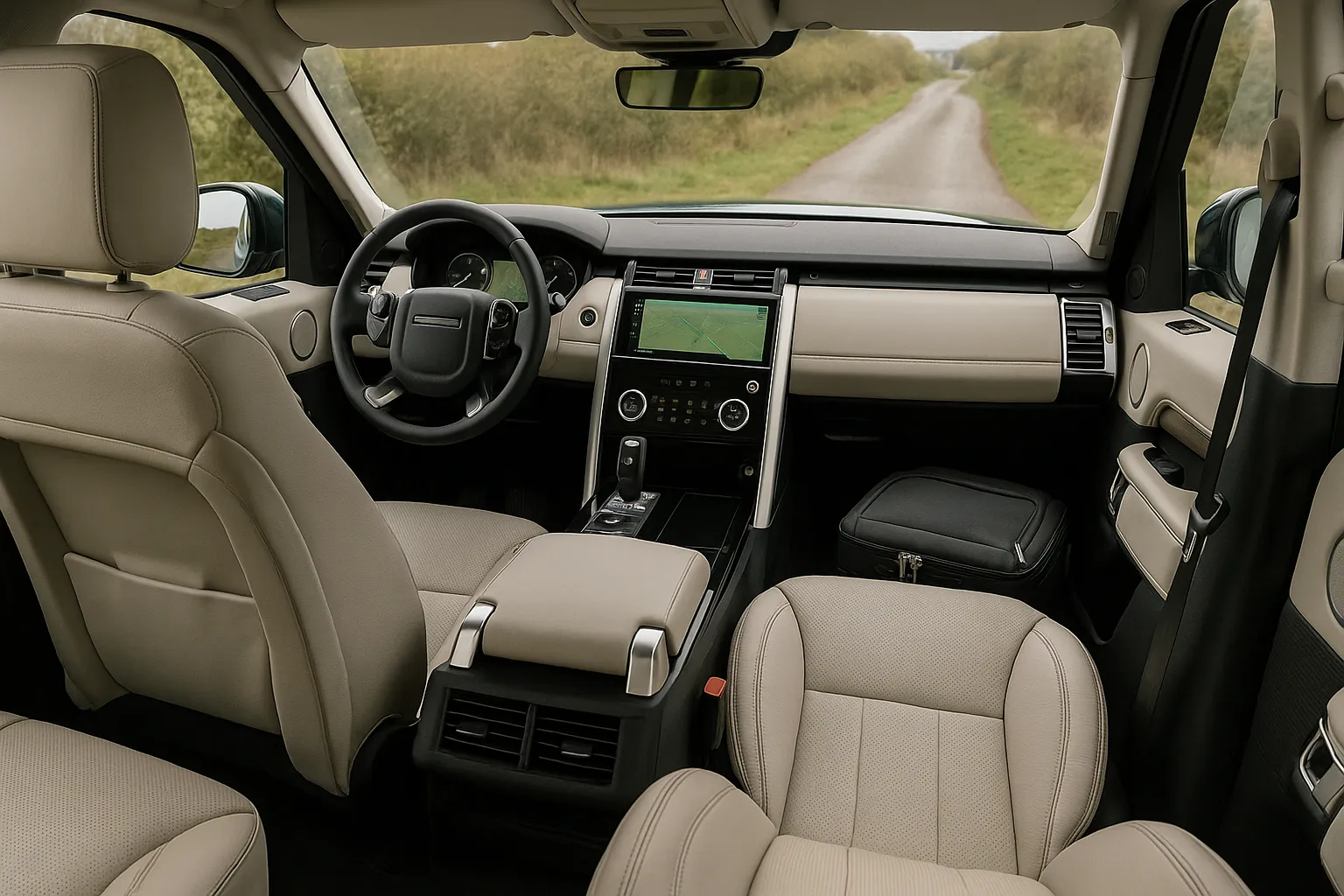
The most obvious change is the paint. Landmark models introduce Tasman Blue metallic, an exclusive colour for this version of the Discovery. The shade is intended to echo Clearwater Blue, a colour associated with the original Discovery that arrived in 1989. That gives the new trim a direct link to the SUV’s early years, when the Discovery was positioned as a more family-friendly alternative to the utilitarian Land Rover models of the time.
Land Rover has also added a series of mountain-themed emblems, another nod to earlier Discovery design details. These appear in several areas around the vehicle, including the front tread plates, dashboard, centre console and puddle lights. The effect is subtle rather than transformative, but it gives the cabin and exterior a bespoke feel compared with more conventional trims.
The exterior trim has also been darkened. The grille, side vents and Discovery lettering are finished in Graphite Atlas, while the skidplates at the front and rear use Carpathian Grey. Standard 22-inch alloy wheels complete the look, also finished in a dark grey tone. Combined with the blue paint, the package gives the Discovery a more tailored appearance without pushing it into the more aggressive territory occupied by some performance-styled SUVs.
Where it fits in the Discovery range

At £75,860, the Landmark is positioned as a mid-range choice rather than a value-led entry point. It costs more than the base S but sits below the Tempest, a more expensive version aimed at buyers who want a higher level of luxury equipment.
That positioning matters. Large premium SUVs are often bought on monthly finance or company schemes, where trim level, standard equipment and residual values can have a meaningful effect on overall cost. A special edition with exclusive paint and identifiable trim may appeal to buyers who want something less common than a standard Discovery without moving all the way to the top of the range.
The Landmark also gives Land Rover a way to keep the Discovery visible in showrooms at a time when the brand’s SUV family is crowded with high-profile alternatives. The Defender has become a major image leader for the company, while the Range Rover line-up covers the more luxurious end of the market. The Discovery’s role remains different: it is the more understated seven-seat option, designed around space, flexibility and long-distance family use.
Why this matters for buyers
For family buyers, the Discovery’s core appeal has always been its mix of seating capacity, road comfort and all-weather ability. The Landmark edition does not change that basic formula, but it may make the model more appealing to those who want a car that feels a little more individual.
The standard 22-inch wheels are worth considering carefully. They contribute to the Landmark’s stance and visual presence, but large wheels can bring higher tyre replacement costs and may affect ride comfort compared with smaller wheel options. Buyers who regularly drive on rough rural roads, tow, or use their SUV for long family journeys should test drive the car on familiar road surfaces before committing.
The exclusive Tasman Blue paint is likely to be one of the biggest draws. Colour can influence both emotional appeal and resale desirability, especially on premium SUVs. A distinctive factory finish tied to a limited trim can help a car stand out in the used market, although special editions do not automatically guarantee stronger residual values.
The heritage detailing will also appeal to long-time Discovery fans. The model has been part of the Land Rover range for nearly four decades, and the Landmark badge plays directly to that history. For enthusiasts, this is less about mechanical change and more about acknowledging the Discovery’s place in the brand’s story.
No major mechanical overhaul signalled
The Landmark appears to be a trim and design-led addition rather than a mechanical update. Land Rover has highlighted the visual changes, cabin details and positioning in the line-up, not a new engine, platform or drivetrain. That means buyers should view it as a specification choice within the current Discovery family rather than a new-generation model.
That distinction is important. Anyone waiting for a fundamentally reworked Discovery should not confuse this with a clean-sheet replacement. The Landmark is intended to refresh interest in the existing model and give customers another configuration to choose from.
A familiar SUV with a more distinctive wrapper
The Discovery Landmark arrives at a time when large SUVs face a demanding brief. Buyers expect seven-seat practicality, strong towing ability, premium cabin quality, advanced technology and an image that justifies the price. At the same time, running costs, insurance, tax and tyre prices are increasingly important parts of the ownership calculation.
Land Rover’s answer here is not to make the Discovery more radical, but to make it feel more special. The Landmark trim adds exclusivity through colour, badging and exterior finishes while preserving the model’s established role as a versatile family SUV.
For shoppers already considering a Discovery, the Landmark is worth comparing directly with the S and Tempest trims. The decision will come down to whether its styling details, exclusive paint and standard wheel package add enough perceived value over the lower trim, or whether the higher-spec Tempest better matches the desired equipment level.
For the wider market, the Landmark underlines the continuing importance of special editions in premium SUV line-ups. They help manufacturers create fresh showroom interest without major engineering changes, and they give buyers more ways to personalise a vehicle that may otherwise feel familiar.
The Discovery Landmark is therefore not a dramatic new chapter, but it is a well-timed reminder of what the Discovery represents: a seven-seat Land Rover with a long history, a practical brief and enough off-road character to separate it from more road-biased luxury SUVs.