Land Rover Recalls 250,857 SUVs Because Airbags May Not Deploy
The recall affects certain 2020-2026 Land Rover and Range Rover SUVs in the U.S. Owners should check their VINs and arrange a free dealer repair once notified.
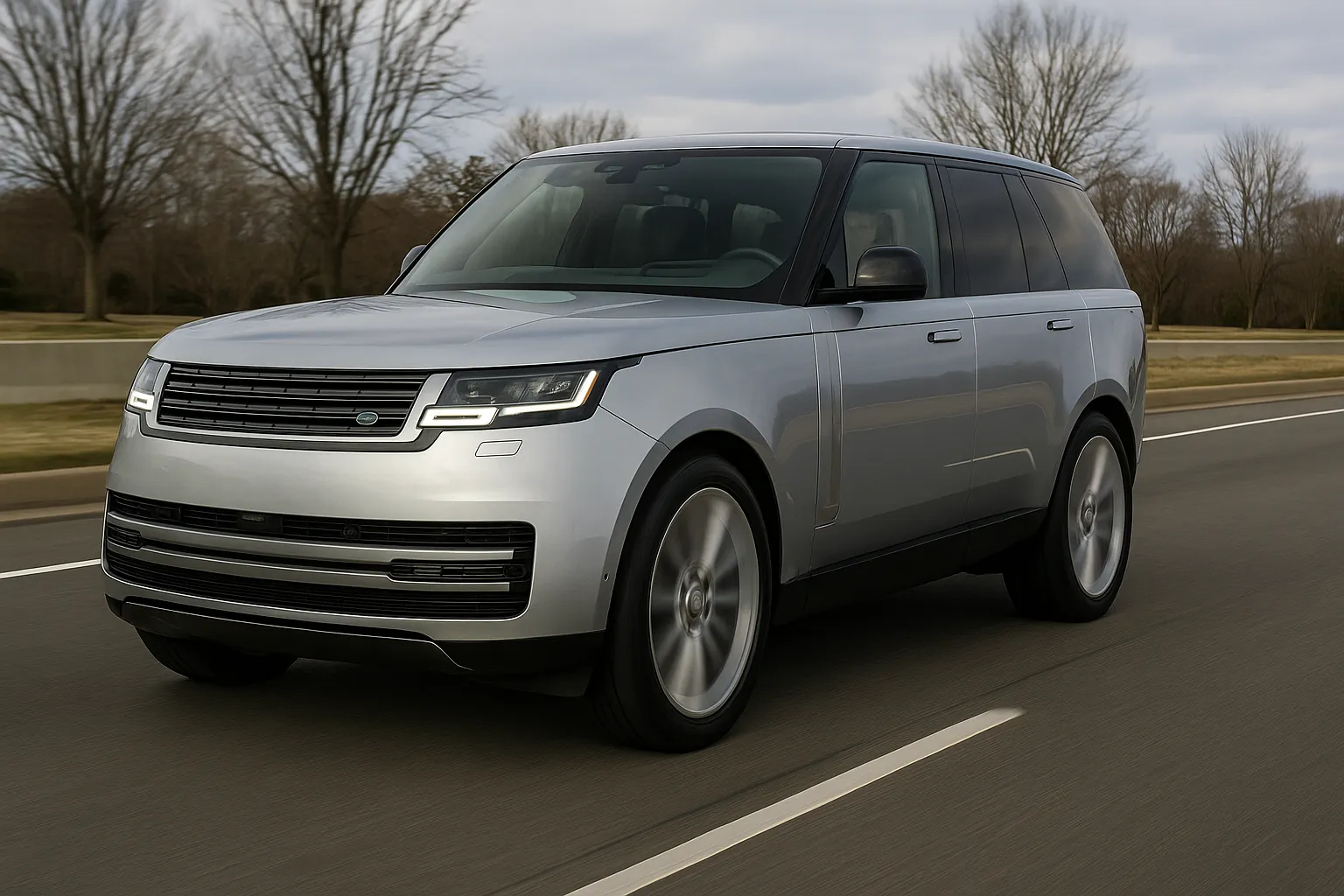
Land Rover is recalling 250,857 SUVs in the United States because the airbag system in certain vehicles may not deploy as intended during a crash. The campaign covers select 2020 through 2026 model-year Land Rover products, including some Range Rover-branded SUVs.
The issue is significant because airbags are a core part of a vehicle’s supplemental restraint system. If an airbag does not deploy when it should, occupants could face a higher risk of injury in a collision. Seat belts remain the first line of protection, but airbags are designed to work with them, especially in moderate to severe impacts.
For owners, the most important step is simple: check the vehicle identification number, or VIN, to confirm whether a specific SUV is included. Recalls are assigned by VIN, not just by model year or nameplate, so two similar-looking vehicles from the same year may not have the same recall status.
Which vehicles are affected?
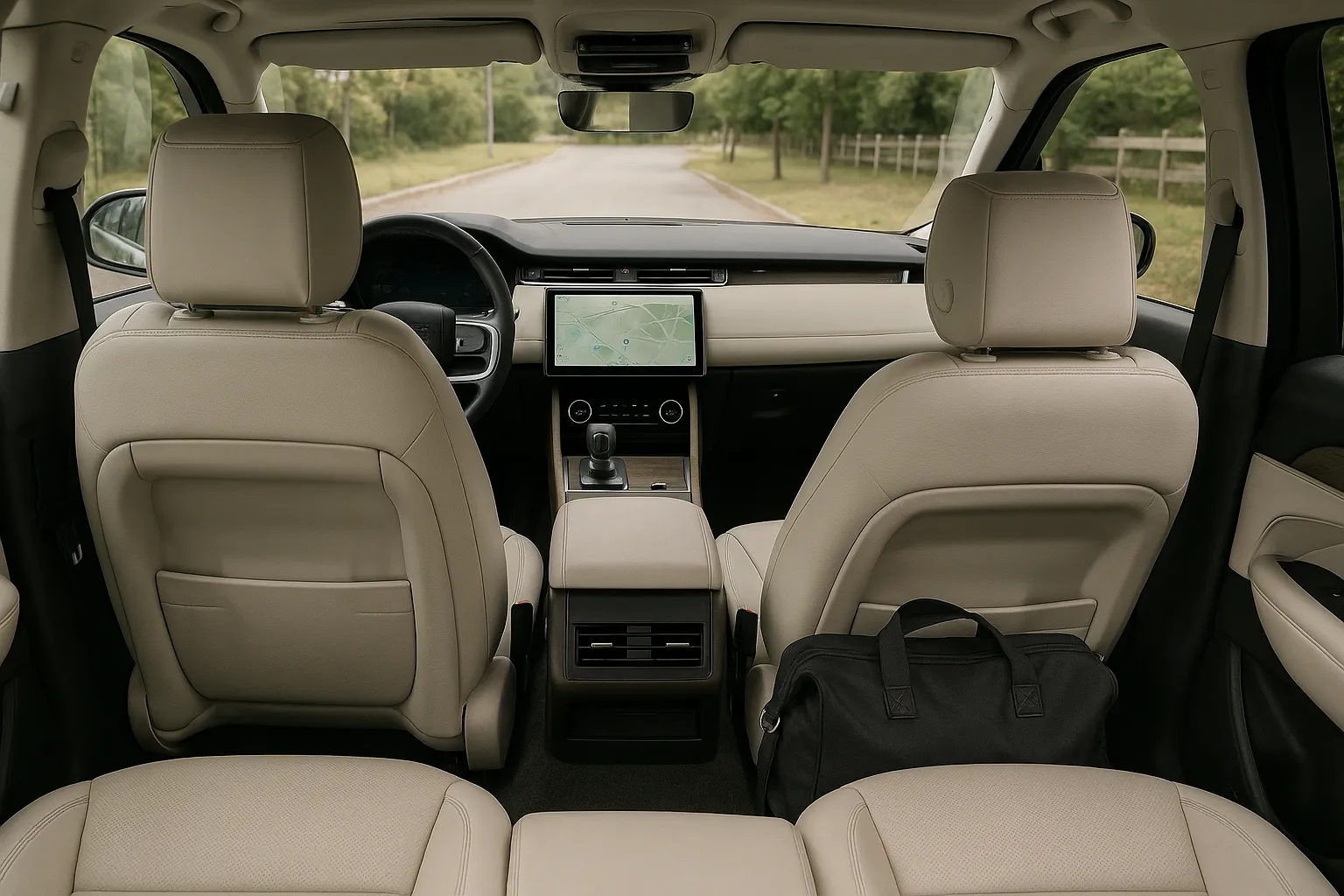
The recall applies to certain Land Rover SUVs from the 2020-2026 model years. The available recall information also indicates that Range Rover models are among the affected vehicles. Because the campaign spans several model years and multiple SUV lines, owners should not rely only on memory, trim level, or purchase date.
A VIN check through Land Rover’s owner resources or the federal safety recall database is the most reliable way to determine whether a vehicle is included. The 17-character VIN can usually be found at the base of the windshield on the driver’s side, on the driver-side door jamb label, on registration paperwork, or on insurance documents.
The recall also follows a stop-sale affecting certain Land Rover models tied to the same general airbag concern. A stop-sale means dealers must not sell affected new or used vehicles in their inventory until the required repair or inspection is completed. For shoppers, that can temporarily affect availability, delivery timing, and dealer inventory movement.
What is the safety concern?
The problem involves airbags that may not deploy properly. In practical terms, that means the system may fail to provide the level of crash protection the vehicle was designed and certified to deliver. Airbag non-deployment is different from an airbag warning light alone; it is a potential failure of a major restraint component during the moment it is needed most.
Modern vehicles use a network of crash sensors, control modules, wiring, seatbelt pretensioners, occupant detection logic, and airbag modules. If one part of that chain does not communicate or operate correctly, the system may not respond as intended in a crash. The exact repair path for an individual vehicle should be confirmed by the dealer using the VIN and the official recall procedure.
Owners should also pay attention to any airbag or supplemental restraint system warning light. A warning lamp does not automatically mean the vehicle is part of this recall, and a vehicle without a warning lamp may still be included. Either situation deserves a VIN-based check.
What owners should do now
Owners of 2020-2026 Land Rover and Range Rover SUVs should check for open recalls as soon as possible. If the vehicle is included, contact an authorized Land Rover dealer and schedule the recall work. Safety recall repairs are performed at no charge to the owner.
Until the repair is completed, owners should continue using seat belts on every trip and ensure all passengers do the same. Children should remain in the correct child seat or booster seat for their age, height, and weight, and child restraints should be installed according to both the seat manufacturer’s instructions and the vehicle owner’s manual.
If a vehicle is being purchased used, the buyer should check the VIN before signing paperwork. A used vehicle can carry an open safety recall even if it looks new, has passed a state inspection, or has a clean vehicle history report. Recall status is especially important for premium SUVs that may move through lease returns, auctions, certified pre-owned programs, and independent dealer inventories.
What this means for shoppers
The recall does not automatically mean every 2020-2026 Land Rover SUV is unsafe to drive, nor does it mean every vehicle from those years is affected. It does mean shoppers should add a recall check to the normal pre-purchase process, alongside service history, tire condition, warranty status, and inspection results.
For new-vehicle buyers, a stop-sale can delay delivery if the specific SUV has not been remedied. Dealers are generally required to complete the recall repair before selling an affected vehicle. For buyers waiting on a specific Range Rover, Defender, Discovery, or other Land Rover SUV, the most useful question is not whether the model line is involved generally, but whether that exact VIN has been cleared for sale.
For used buyers, the situation is more nuanced. Franchise dealers usually have direct access to factory recall systems and parts availability, while independent dealers may rely on recall lookup tools and outside service scheduling. Either way, buyers should request written confirmation that all open safety recalls have been addressed before taking delivery, or should make completion of the repair part of the sales agreement.
Why the recall matters beyond Land Rover
Large recall campaigns like this one illustrate how safety technology has become both more advanced and more complex. Airbags are no longer standalone devices triggered by a simple crash signal. They are part of an integrated system that may factor in crash severity, occupant position, seatbelt use, seat occupancy, and other inputs before deployment.
That complexity helps automakers tailor restraint performance more precisely, but it also increases the number of components and software pathways that must work correctly. When a defect is found in a safety-critical system, the impact can stretch across several model years and a large number of vehicles.
For the industry, recalls of this scale also create logistical challenges. Automakers and dealers must identify affected VINs, notify owners, supply parts or software tools, train service departments, and prioritize customer scheduling. Owners may see appointment delays if parts are limited or if a dealer has a large number of affected vehicles in its local market.
The bottom line
Land Rover’s recall of 250,857 SUVs is a serious safety campaign because it involves potential airbag non-deployment. The practical advice for owners is straightforward: check the VIN, watch for owner notification, and arrange the free dealer remedy if the vehicle is included.
For buyers, the recall should not necessarily remove every affected model from consideration, but it should change the checklist. Before purchasing or taking delivery of any 2020-2026 Land Rover or Range Rover SUV, confirm whether the VIN has an open recall and whether the repair has been completed. A few minutes of checking can prevent a major safety issue from being overlooked.