Leapmotor B10 EREV Launches in Mexico, Giving the Brand a North American Foothold
Leapmotor has entered Mexico with the B10 EREV, a range-extended electric SUV priced at $32,895 and rated for up to 615 miles of combined driving range.
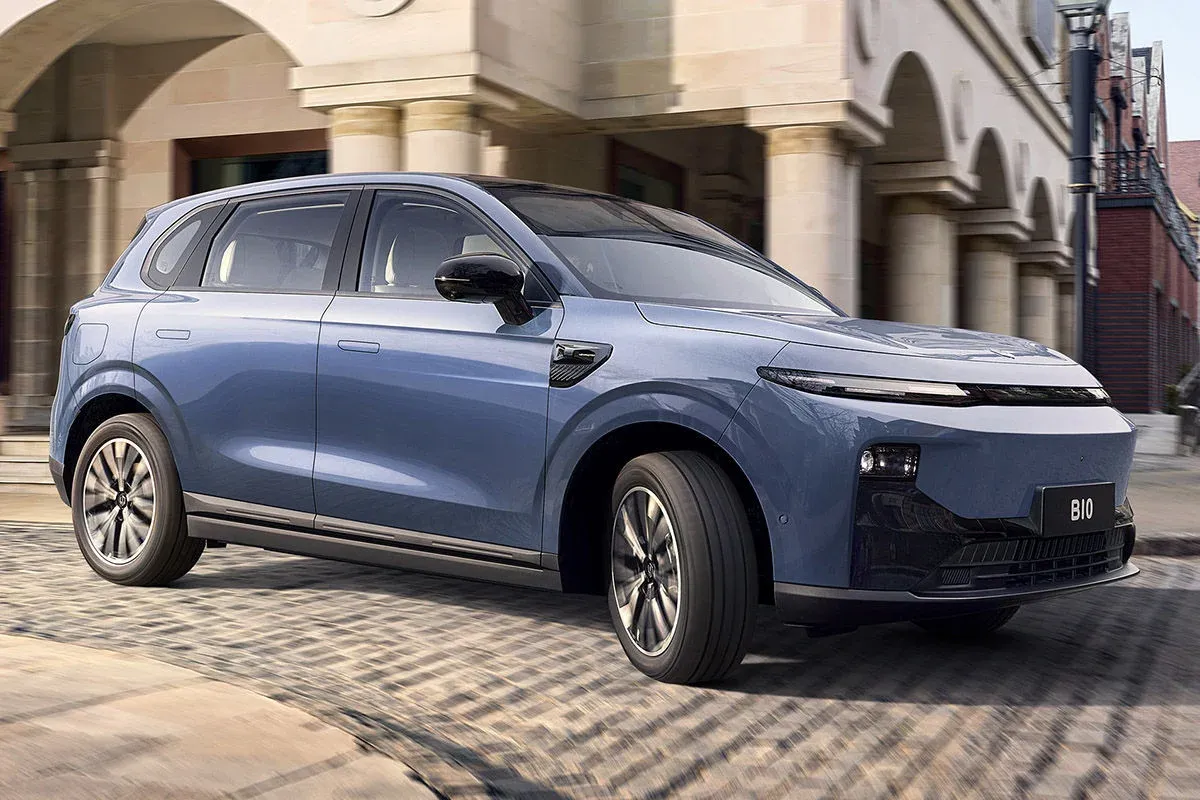
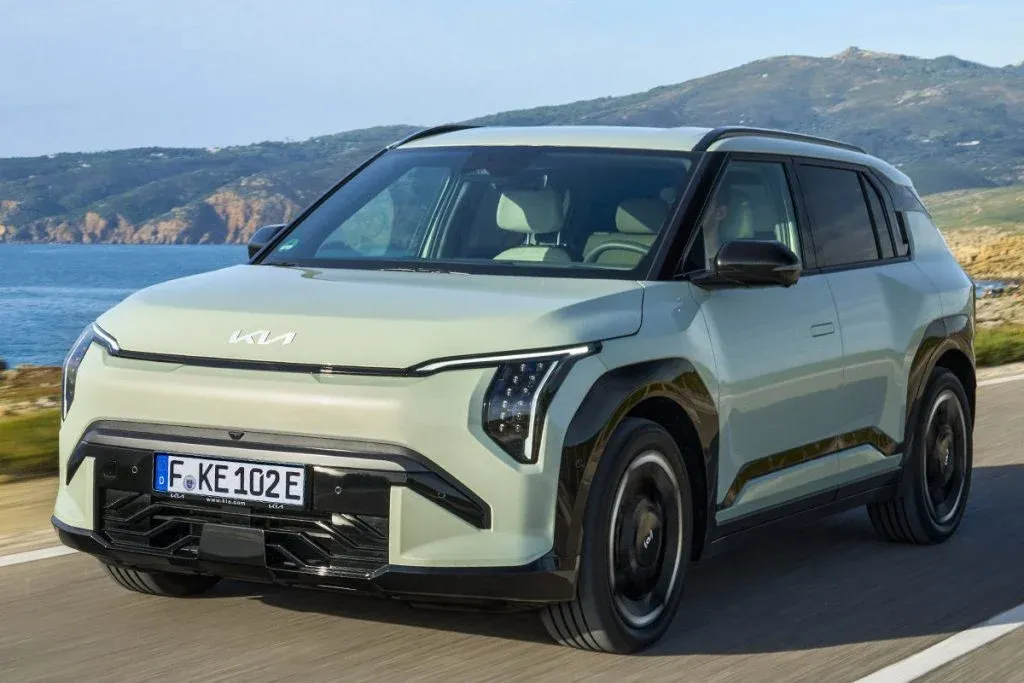
Leapmotor has launched the B10 EREV in Mexico, marking the Chinese electric-vehicle brand’s first official step into North America. The SUV arrives with a listed price of $32,895 and a claimed combined driving range of up to 615 miles from a range-extended electric powertrain that pairs an electric motor with a 1.5-liter gasoline engine.
The debut matters beyond a single new model. Mexico is becoming an increasingly important entry point for global automakers, especially EV brands looking to test demand, build recognition, and compete in a market where buyers may want electrified driving without the charging concerns that still slow EV adoption in many regions. For Leapmotor, the B10 EREV gives the brand a way to introduce itself with a product that promises long range, SUV practicality, and a price point that lands in the heart of the compact and midsize crossover market.
What the Leapmotor B10 EREV is
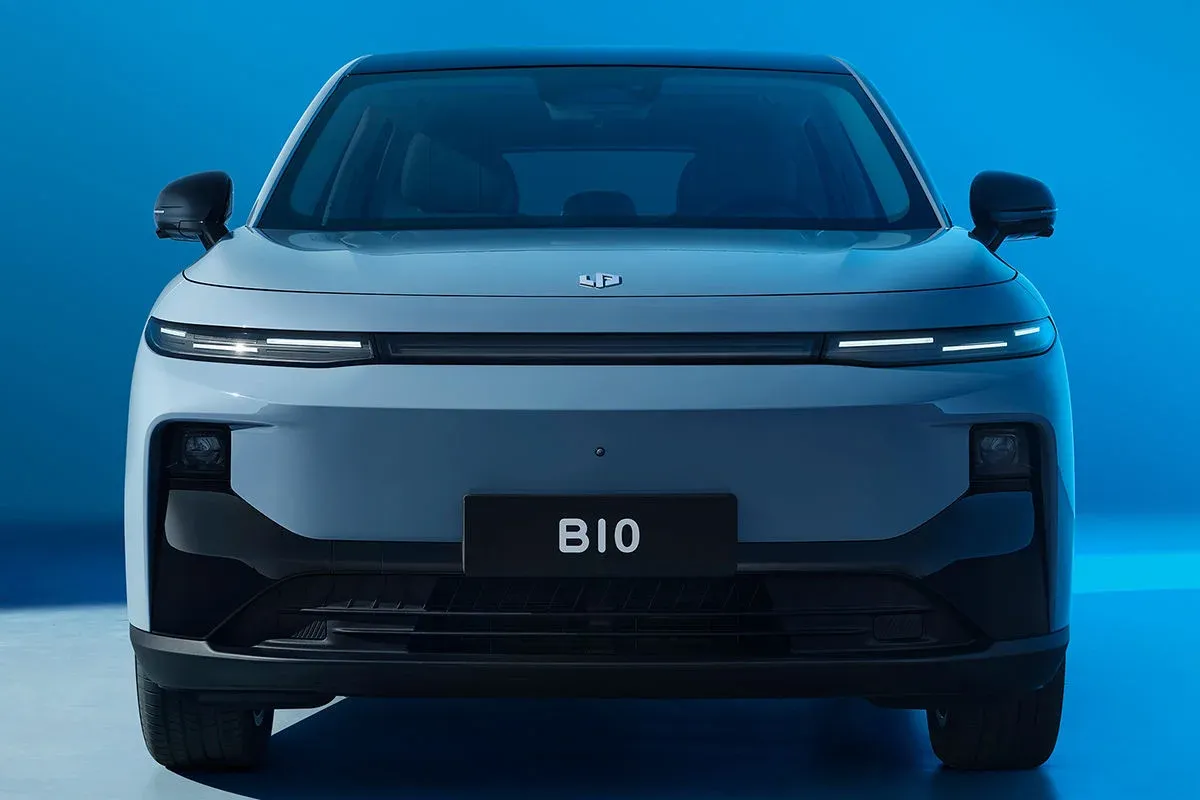
The B10 EREV is an extended-range electric vehicle, often described as an EREV. Unlike a conventional hybrid, an EREV is centered around electric propulsion, with a gasoline engine used to extend the vehicle’s operating range when the battery alone is not enough. In this case, Leapmotor says the B10 combines an electric motor with a 1.5-liter range-extender engine.
That setup is intended to offer two things many buyers want at the same time: the smooth, quiet driving character associated with EVs and the longer-distance flexibility of a vehicle that can keep going after the battery is depleted. The headline figure is up to 615 miles of combined range, though real-world range will vary based on speed, terrain, temperature, payload, and how often the driver can recharge.
The B10’s $32,895 price positions it as a relatively attainable electrified SUV, especially compared with many battery-electric crossovers that can become expensive once larger batteries are added. Mexico-specific equipment, warranty coverage, charging details, and trim-by-trim pricing will be important for shoppers to evaluate before comparing it directly with established rivals.
Why Mexico is a significant first stop
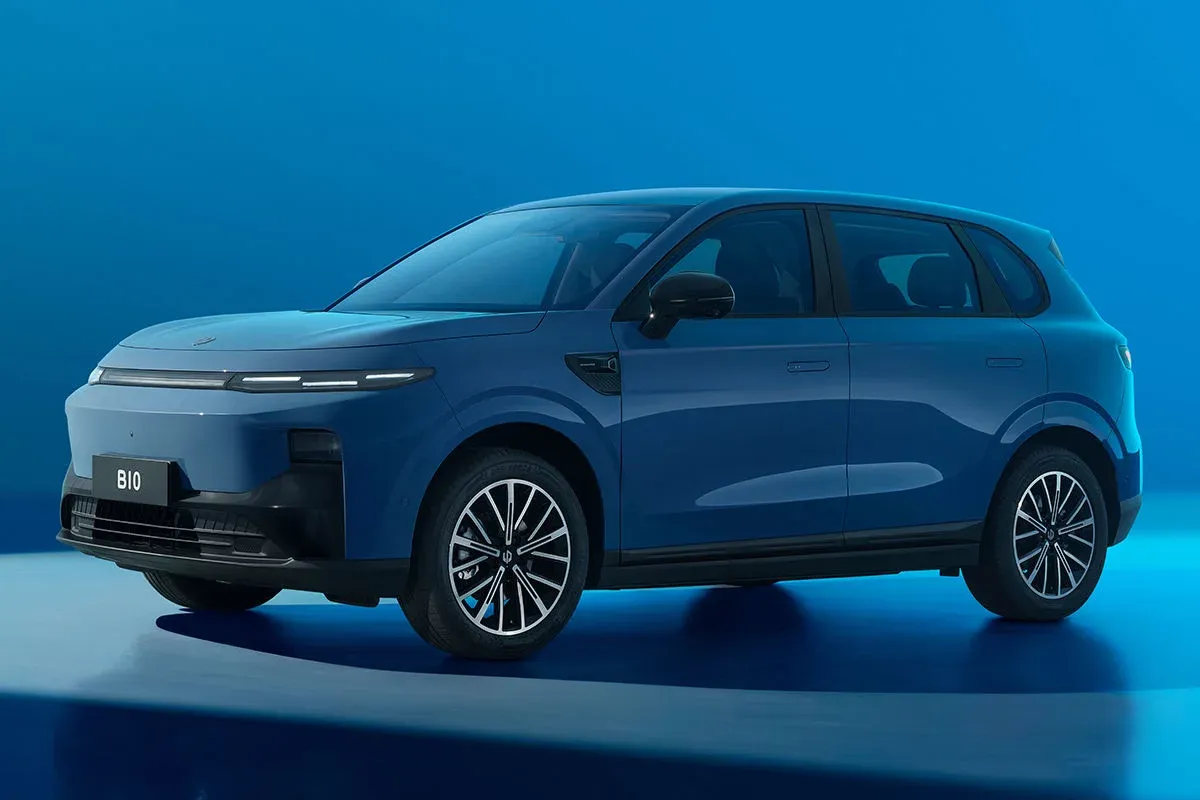
Mexico is not just another export market. It is part of North America’s automotive ecosystem, with a mature vehicle market, a large manufacturing base, and close ties to the United States and Canada. A launch there gives Leapmotor a regional presence without immediately taking on the regulatory, political, tariff, and retail challenges of entering the U.S. market.
There is no confirmed timetable for sales in the United States or Canada. That distinction is important. A Mexico launch does not automatically mean the B10 EREV will be sold across the continent, nor does it guarantee that future Leapmotor models will qualify for incentives or meet market-specific requirements elsewhere. Still, it gives the company a visible foothold in the region and a chance to learn how North American buyers respond to the brand.
For Stellantis, which backs Leapmotor’s international expansion, the Mexico launch also shows how traditional global automakers and Chinese EV companies are experimenting with new partnerships. Established manufacturers bring distribution experience, regulatory knowledge, and market access. Newer Chinese brands bring cost-focused EV development, fast product cycles, and a growing portfolio of electrified models.
Why an EREV may fit the market
Range-extended EVs are gaining renewed attention because they address a practical problem: many drivers like the idea of electric propulsion but remain concerned about charging access, long road trips, and battery size. A pure EV can be excellent when home charging is available and public charging is reliable. In places where that infrastructure is still developing unevenly, an EREV can feel like a lower-risk transition vehicle.
That makes the B10 EREV potentially relevant for Mexican buyers who commute in cities during the week but still need confidence for longer highway trips. If the vehicle can cover daily driving mostly on electricity and use the gasoline range extender for longer travel, it may reduce fuel use without forcing owners to rely entirely on charging infrastructure.
There are tradeoffs. EREVs still carry a gasoline engine, so they are not zero-emission vehicles in all operating conditions. They also have more powertrain complexity than a straightforward battery-electric vehicle. Buyers should pay close attention to service support, battery warranty terms, fuel economy when the range extender is running, and charging speed. Those details can make the difference between a compelling electrified SUV and one that only looks strong on paper.
Competitive pressure is growing
Leapmotor’s arrival adds another layer of competition to Mexico’s fast-changing new-car market. Chinese automakers have become increasingly active in Latin America, often using aggressive pricing, long equipment lists, and electrified powertrains to build market share. The B10 EREV fits that strategy by offering a long-range electrified SUV at a price that could attract buyers who might otherwise shop gasoline crossovers or conventional hybrids.
For established brands, the message is clear: electrified SUVs are no longer limited to premium price brackets. If newcomers can offer range, technology, and warranty confidence at mainstream prices, legacy automakers will have to respond with sharper pricing, better standard equipment, and more accessible hybrid or EV options.
For enthusiasts, the B10 EREV is also a sign of how quickly the definition of an EV is expanding. The market is no longer split neatly between gasoline cars, hybrids, and battery EVs. Range-extended models are reappearing as automakers try to satisfy emissions goals, infrastructure realities, and consumer habits at the same time.
What buyers should watch next
The B10 EREV’s success in Mexico will depend on more than its range claim. Buyers will want to know how the SUV performs in real use, how refined the range extender is, how much electric-only driving it can deliver, and how strong the dealer and service network will be. Parts availability and aftersales support will be especially important for a new brand entering a region for the first time.
Pricing will also need context. At $32,895, the B10 EREV could appeal to shoppers who want EV-like driving without the price or charging dependence of a long-range battery-electric SUV. But final value will depend on local taxes, financing, equipment, warranty coverage, and how it compares with hybrid and electric alternatives already on sale.
For now, the launch gives Leapmotor a meaningful North American starting point and gives Mexican shoppers another electrified SUV option. It also signals that the next phase of EV competition in the region may not come only from pure battery-electric models. Range-extended vehicles like the B10 EREV could become an important bridge for buyers who want electric driving but are not ready to give up the backup plan of gasoline-powered range.