Lexus LFA Successor Concept Steps Into View at Goodwood
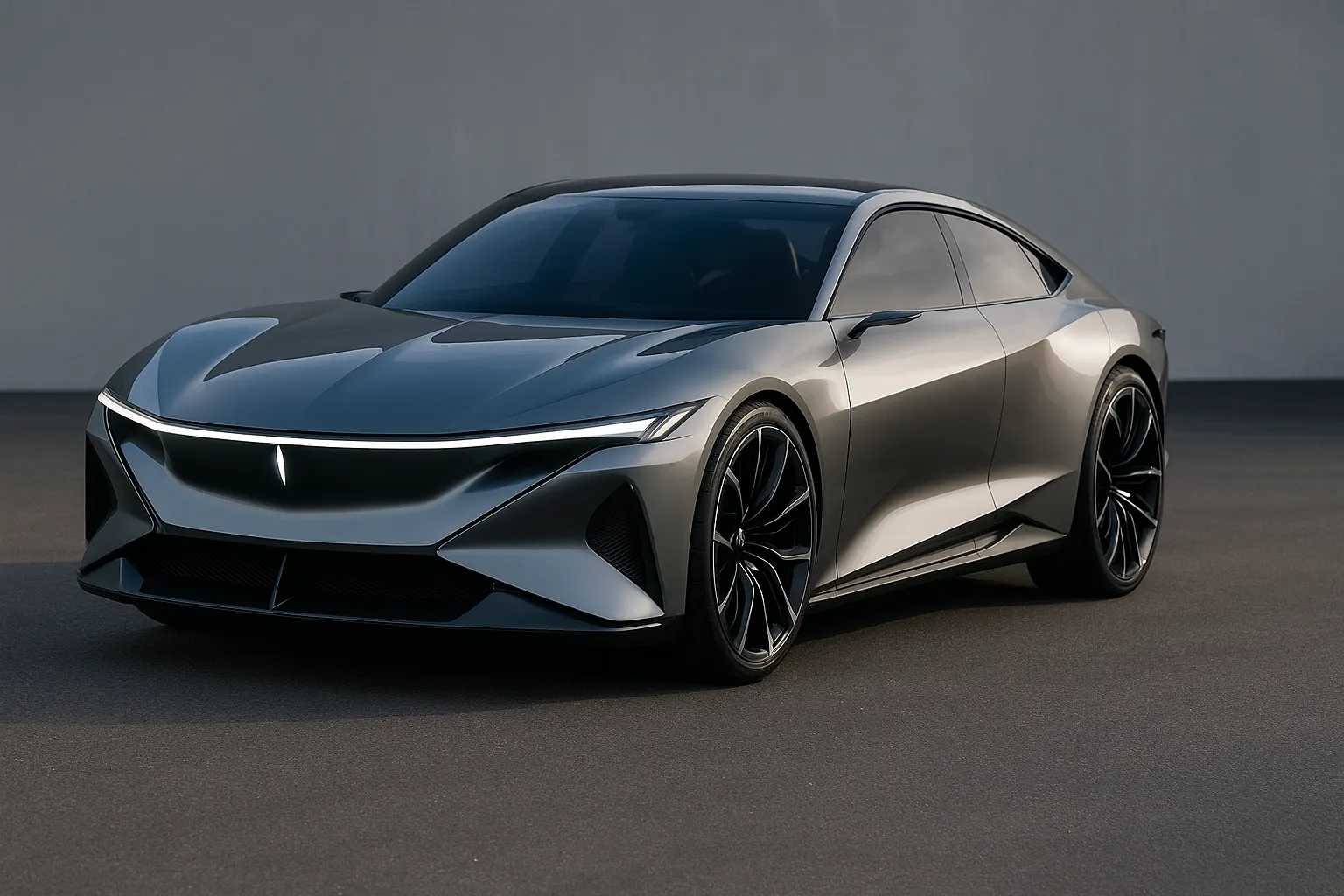
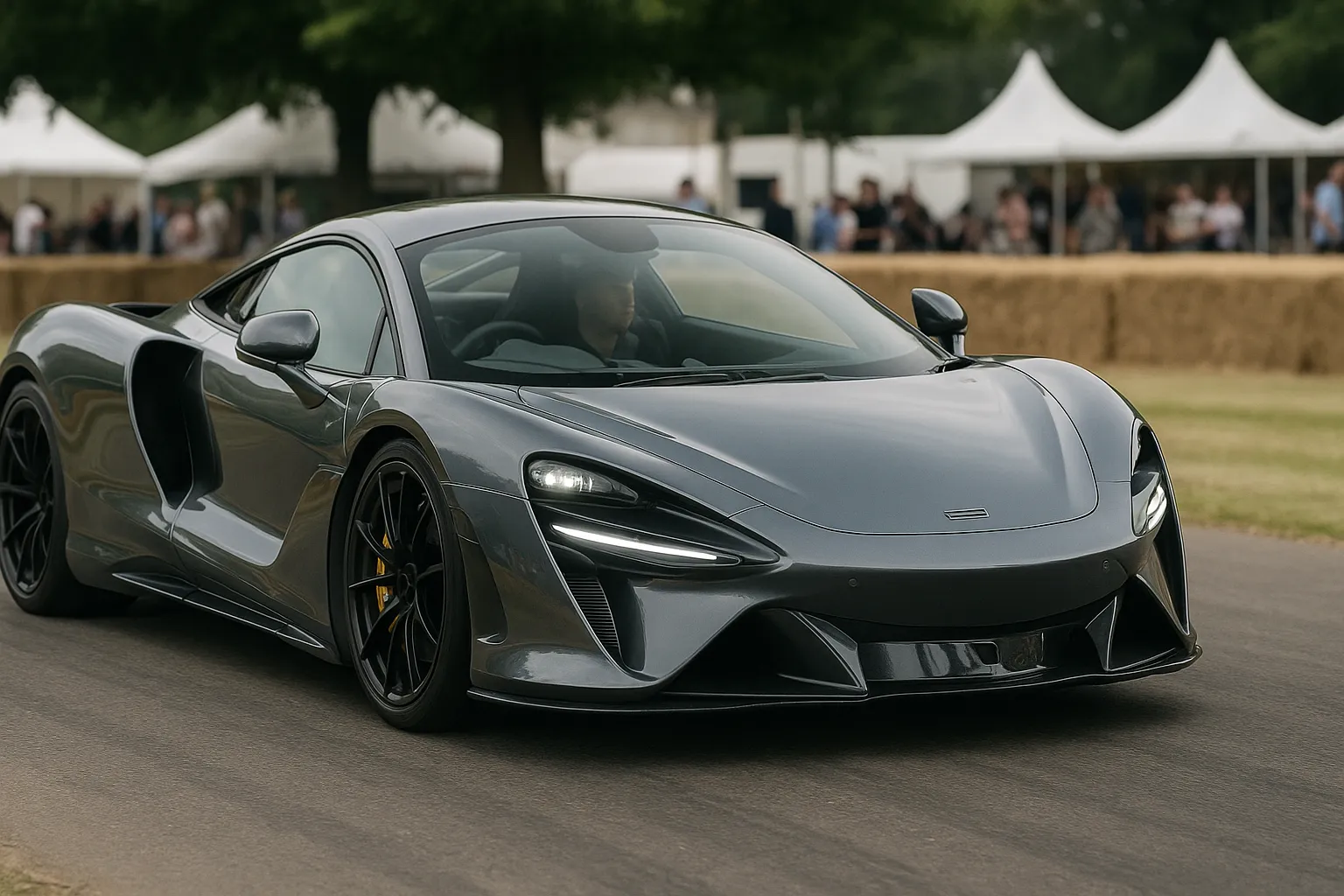
Lexus has brought its LFA successor concept to Goodwood, giving the public a closer look at a future flagship performance car tied to Toyota’s broader GR GT and GT3 program.
Lexus moves its next flagship closer to reality
Lexus has taken another public step toward a successor to the LFA, bringing its new high-performance concept to Goodwood and giving enthusiasts a clearer look at what could become the brand’s next halo car.
The car is not being presented in isolation. It sits within a wider Toyota performance push that also includes the road-oriented GR GT and the race-focused GR GT3. Together, the trio points to a more ambitious plan: a family of related performance machines spanning Lexus luxury, Toyota Gazoo Racing road cars, and motorsport development.
For Lexus, that matters. The original LFA was never a volume seller, but it became one of the most respected Japanese supercars of the modern era. Its carbon-fiber construction, naturally aspirated V10, distinctive sound, and painstaking development gave it a reputation that has only grown since production ended. Any follow-up has to carry that emotional weight while also fitting into a very different automotive landscape.
What appeared at Goodwood
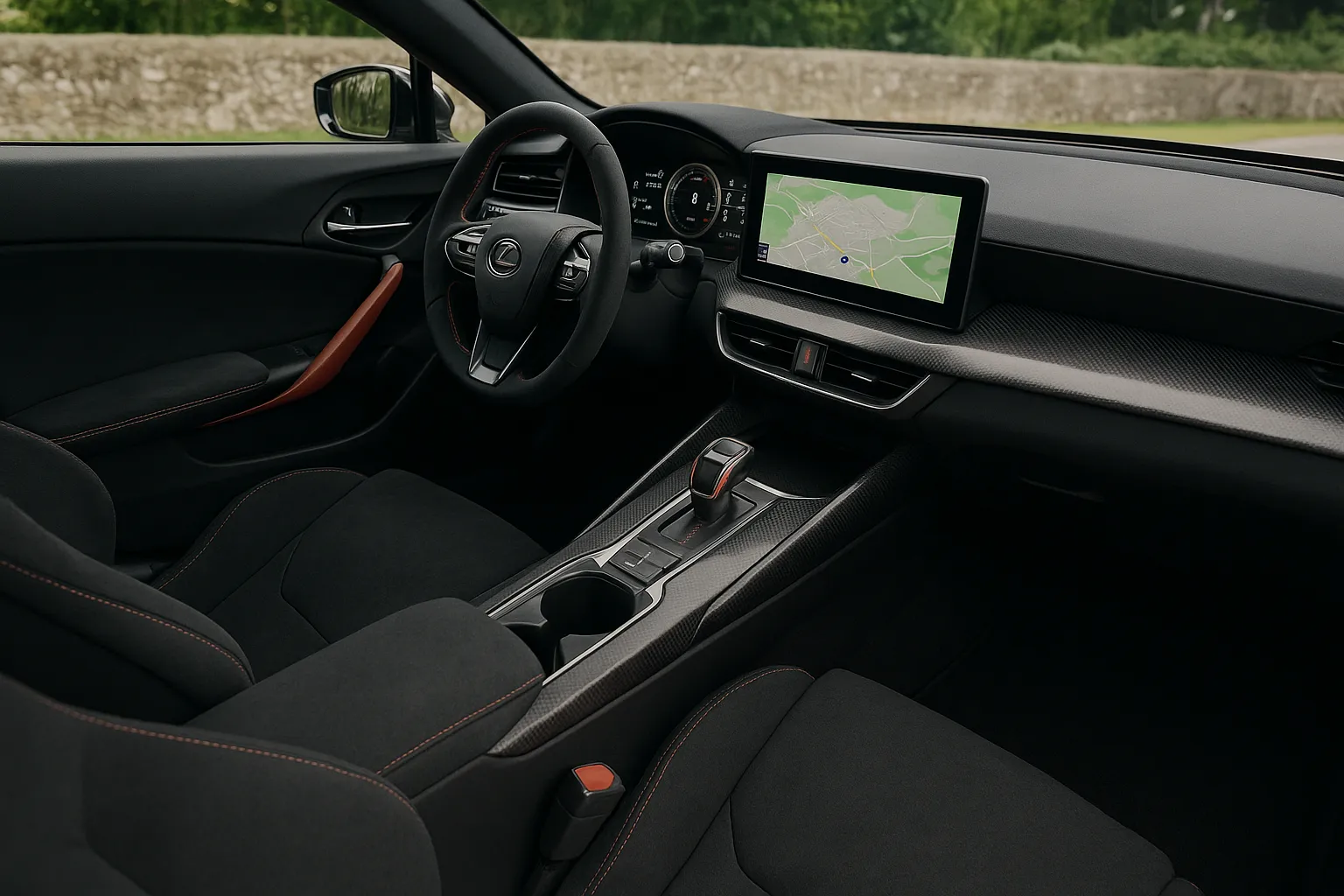
The Goodwood appearance gives the LFA successor concept a more public stage after Toyota’s earlier unveiling of its three-pronged performance lineup in December 2025. The concept remains a preview rather than a confirmed production specification, so important details such as final output, engine configuration, hybridization, pricing, production volume, and market timing remain unconfirmed.
What is clear is the positioning. This is being treated as a flagship performance project rather than a styling exercise. Its connection to the GR GT and GR GT3 suggests the car’s development is being shaped by both road-car and competition priorities. That approach would follow a pattern now common among serious performance manufacturers: use racing programs to accelerate learning in aerodynamics, cooling, structure, electronics, and durability, then transfer relevant technology into road cars.
The Goodwood setting is significant as well. The Festival of Speed is one of the few events where supercar buyers, collectors, racing teams, engineers, and brand executives all overlap. Showing the concept there helps Lexus gauge reaction from exactly the audience most likely to care about an LFA successor: enthusiasts who remember the original, wealthy buyers looking for something outside the usual European choices, and motorsport followers watching Toyota’s GT3 ambitions.
Why the LFA name still carries weight
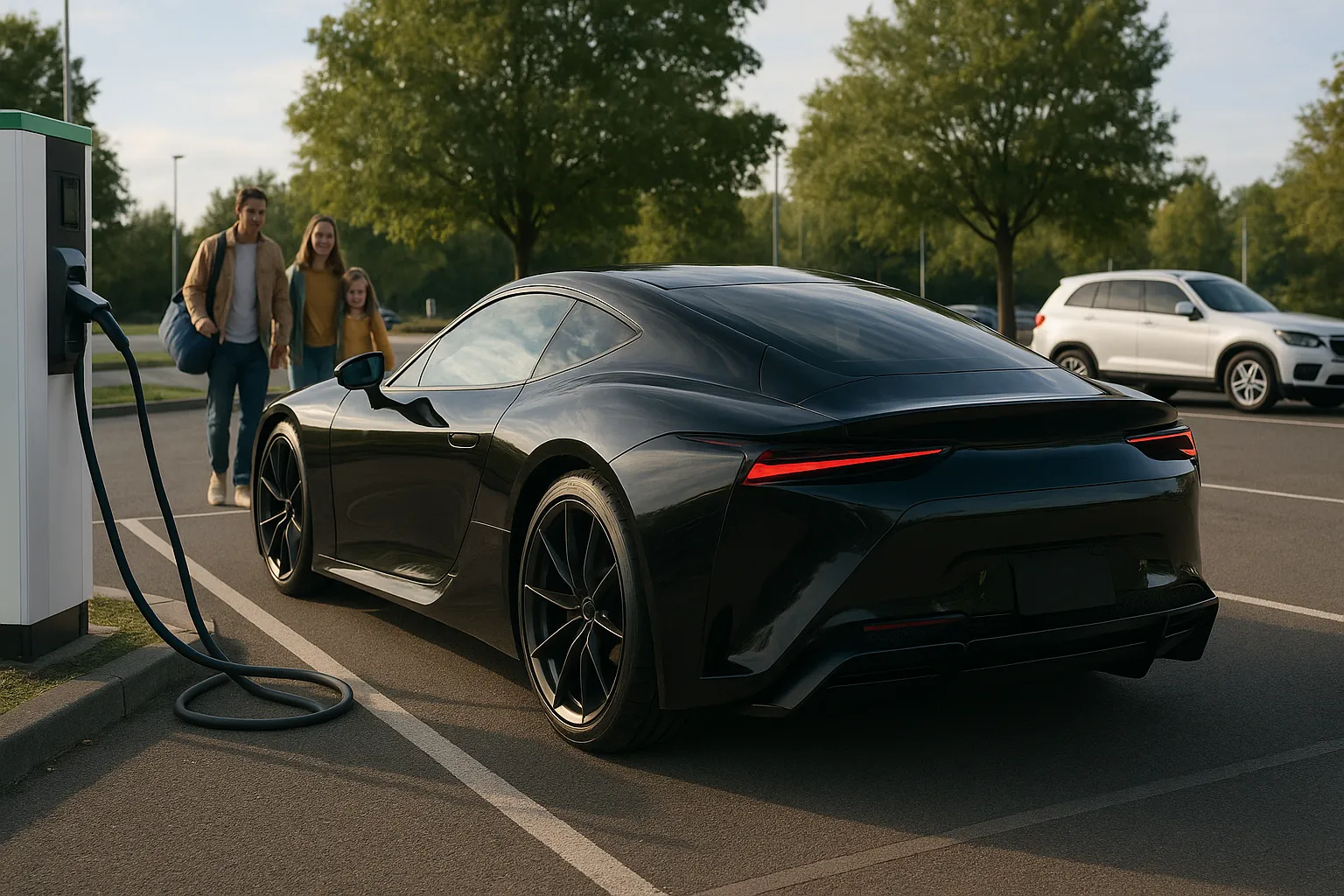
The first Lexus LFA arrived after a famously long development cycle and was built in limited numbers. Its 4.8-liter V10, co-developed with Yamaha, became central to the car’s identity because of its response and sound. Lexus produced 500 examples, and while the car’s original pricing and unconventional character made it a niche proposition at launch, its reputation improved dramatically over time.
That history creates both opportunity and pressure. Lexus does not need to build a direct copy of the LFA to succeed, but it does need to produce something with a clear point of view. The old car was not simply fast; it felt engineered with unusual focus. A successor that relies only on nostalgia would risk disappointing the very audience most inclined to celebrate it.
The modern challenge is harder. Since the LFA left production, the supercar world has moved toward hybrid assistance, turbocharging, electrified torque fill, active aerodynamics, and software-defined chassis systems. Emissions rules and customer expectations have changed, too. Buyers now expect extreme performance, usable drivability, advanced infotainment, driver assistance features, and, in some cases, some degree of electrification.
That means the next Lexus flagship may not follow the original car’s formula. A naturally aspirated V10 is not impossible in theory, but it would be a surprising route in today’s regulatory and commercial environment. A hybrid-assisted performance powertrain, potentially linked to Toyota’s racing development, would be more consistent with where the industry has moved. Until Lexus confirms the technical package, the powertrain should be treated as an open question.
The GR GT and GR GT3 connection
The broader Toyota performance program is arguably the most important part of this story. The GR GT appears to represent the road-going Toyota side of the project, while the GR GT3 is the competition-oriented branch. The Lexus LFA concept adds a luxury-performance dimension above them.
That structure could allow Toyota and Lexus to spread the cost and engineering effort across multiple vehicles and use cases. A dedicated supercar program is expensive, especially at low volume. If the road car, race car, and Lexus flagship share core architecture, materials knowledge, aerodynamic work, or powertrain development, the business case becomes stronger.
For the industry, it is also a sign that Toyota is not ceding the high-performance space to European luxury brands or electric-only startups. Toyota has invested heavily in hybrids, hydrogen research, endurance racing, rallying, and GT racing. A Lexus halo car tied to a serious GT3 effort would give the company a clearer performance identity at the top of the market.
For motorsport fans, the GT3 link may be especially relevant. GT3 racing is one of the world’s most important customer-racing categories, with cars from brands such as Porsche, Ferrari, Mercedes-AMG, BMW, Lamborghini, Aston Martin, and others competing globally. A Toyota or Lexus-related GT3 contender would give private teams another option and could strengthen the brand’s credibility among performance buyers.
What it could mean for buyers
For most car shoppers, an LFA successor will not be a realistic purchase. If it reaches production, it is likely to be expensive, limited, and aimed at collectors and high-end performance customers. Even so, halo cars matter beyond their sales numbers.
They influence brand perception. A convincing Lexus supercar can make the rest of the showroom feel more exciting, even if the average buyer is choosing an RX, ES, NX, or GX. Performance flagships also give engineers room to develop technologies that may later appear in more attainable models. Materials, braking systems, chassis controls, hybrid tuning, battery cooling, and aerodynamic lessons can filter downward over time.
For current Lexus owners, the concept also reinforces that the brand is not abandoning emotional products. Lexus has built much of its reputation on refinement, reliability, and quiet luxury. Those traits remain central, but the company has periodically shown a performance side through cars such as the IS F, RC F, GS F, LC, and LFA. A new flagship would strengthen that side of the identity.
For collectors, the key question will be authenticity. Limited production alone is not enough. The original LFA became special because it felt unlike anything else. A successor will need a memorable powertrain character, serious engineering substance, and a driving experience that justifies its place above conventional grand tourers and sports cars.
What remains unknown
Despite the Goodwood appearance, several major points are still unresolved. Lexus has not provided final production confirmation in the information available here. The concept’s showroom name, launch window, output, price, production count, and market availability remain uncertain.
It is also unclear how closely the Lexus model will be related to the GR GT road car and GR GT3 racer. Shared development does not always mean shared components, and race regulations can force major differences between competition and road versions. The concept’s final design may also change before any production version appears.
That uncertainty is important for buyers and enthusiasts to keep in mind. The Goodwood showing makes the project feel more concrete, but it does not yet turn the concept into a finished product. The next meaningful milestones will be technical disclosures, testing appearances, motorsport homologation details, and, eventually, a production announcement if Lexus decides to move forward.
A careful comeback, not a simple revival
The LFA successor concept’s Goodwood appearance is important because it shows Lexus is willing to revisit one of its most admired performance chapters while connecting it to a broader Toyota racing and road-car strategy. This is not merely a retro exercise. It appears to be part of a larger effort to build a modern performance platform with relevance on the road and the track.
That is the right way to approach an LFA follow-up. The original car earned its reputation through engineering depth, not nostalgia. If Lexus can bring that same seriousness to a new flagship while adapting to today’s performance and regulatory realities, the result could be one of the most significant Japanese supercars of the decade.
For now, the Goodwood debut should be read as a strong signal rather than a final answer. Lexus has put the concept in front of the right audience, tied it to a serious performance program, and revived one of the most demanding names in its history. The next test is whether the production car, if it arrives, can live up to that name on its own terms.