Lotus Looks to Factory Sharing After Heavy 2024 Loss
Lotus is moving toward a factory-sharing strategy after a roughly $1 billion net loss in 2024, highlighting the pressure on low-volume performance brands trying to fund an electric future.
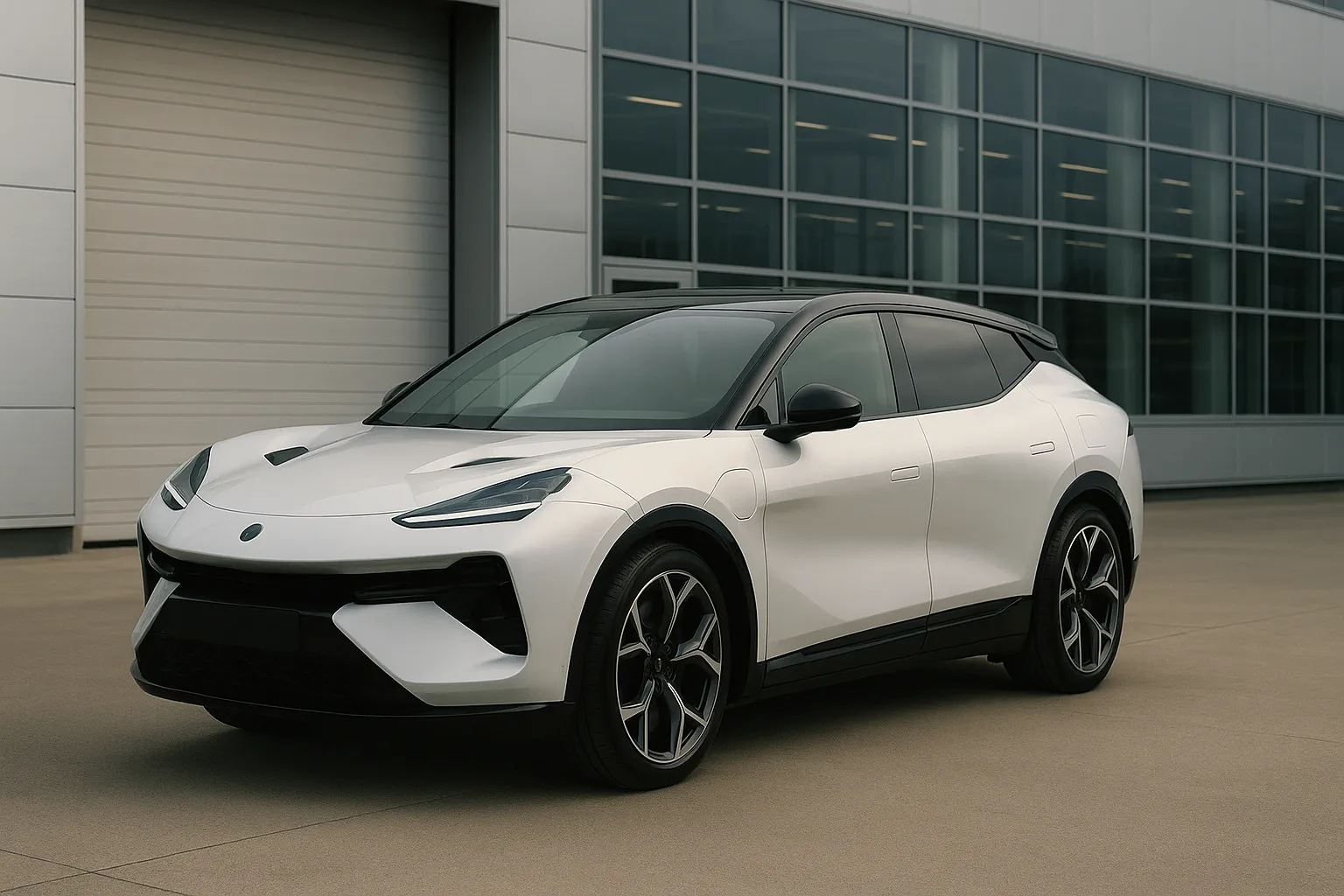
Lotus is turning to factory sharing as it works to contain costs after a major financial setback. The British performance brand recorded a net loss of roughly $1 billion for the 2024 fiscal year, pushing management toward a strategy aimed at using manufacturing capacity more efficiently and reducing the burden of running expensive production operations on its own.
The move matters because Lotus is no longer just a small maker of lightweight sports cars. The company now spans two very different identities: the traditional Hethel-built sports-car business known for cars such as the Emira, and a newer electric-vehicle push built around models such as the Eletre SUV and Emeya sedan. That broader product plan requires far more capital, more complex supply chains, and higher production volumes than the Lotus of the Elise and Exige era ever needed.
What factory sharing means
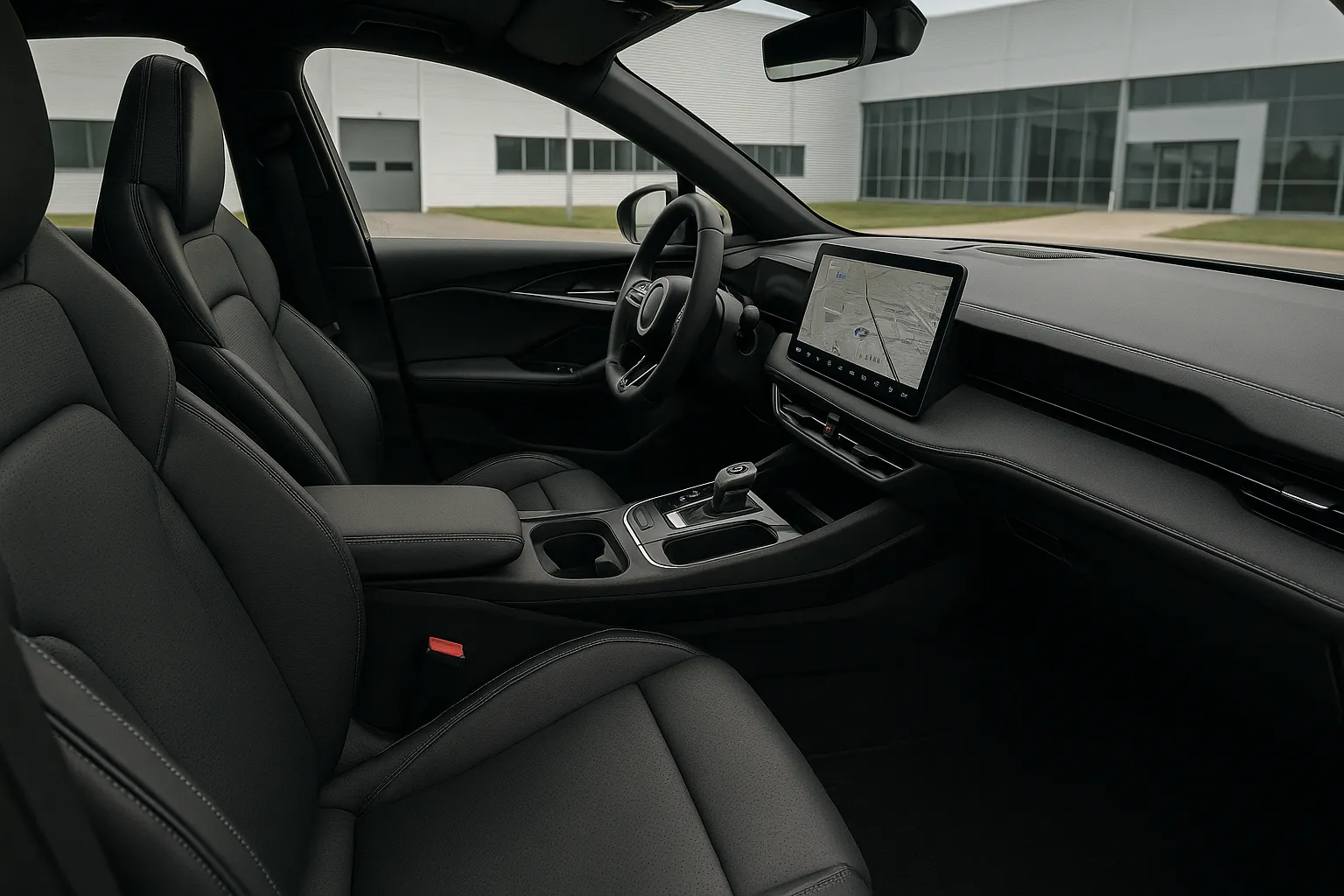
Factory sharing can take several forms. A carmaker may open unused production capacity to another brand, assemble vehicles under contract, share tooling or logistics with a partner, or consolidate future models onto facilities that already have the right equipment. In Lotus’s case, the available information points to a cost-control effort rather than a product announcement. Details such as which plants could be shared, which partners might be involved, and whether the arrangement would affect existing models remain unclear.
The basic logic is straightforward. Modern vehicle factories are expensive to build, staff, and maintain. They are even more costly when they support EVs, which require battery-pack handling, high-voltage safety systems, dedicated software validation, and supplier networks that differ from those used for conventional sports cars. If a plant is not running close to its planned capacity, every vehicle carries a larger share of the fixed cost.
For a low-volume brand, that math can become difficult quickly. Sharing a factory, or using a partner’s manufacturing footprint, can help spread those fixed costs across more vehicles. It can also reduce the need to fund every part of the industrial operation alone.
Why Lotus is under pressure

Lotus has been trying to do something unusually ambitious: keep its credibility as an enthusiast brand while expanding into high-end electric vehicles. The Emira represents the old-school side of the company, with a mid-engine layout and the kind of driver-focused positioning that built Lotus’s reputation. The Eletre and Emeya represent the newer commercial push, targeting buyers who want performance, luxury, technology, and electric power in larger, more practical vehicles.
That transition is costly. EV development demands major investment before sales volume is proven. Battery supply, software development, charging compatibility, safety validation, and global homologation all add expense. Luxury EV buyers also expect premium interiors, advanced driver-assistance systems, fast infotainment, and frequent software improvements. Those expectations are far removed from the minimalist formula that made earlier Lotus sports cars famous.
The broader market has not made the shift easier. Demand for premium EVs remains real, but growth has become more uneven in several regions. High interest rates, changing incentive programs, and strong competition from established luxury brands and fast-moving Chinese EV makers have made the segment harder to predict. For a brand trying to grow from niche status into a larger global player, that uncertainty can be costly.
What this could mean for buyers
For shoppers considering a Lotus, factory sharing is not automatically bad news. If managed well, it can help stabilize production, improve parts availability, and keep model programs alive by lowering per-vehicle costs. Many respected automakers use shared platforms, shared plants, or contract manufacturing without damaging the customer experience.
The key question is execution. Buyers will want consistency in build quality, software support, warranty handling, and service capacity. A factory-sharing arrangement that simply improves utilization behind the scenes may be invisible to customers. One that disrupts supply chains or changes production responsibilities too quickly could create delays or confusion.
For owners, the issue is longer-term support. Lotus vehicles have historically appealed to committed enthusiasts, but the newer EVs are more dependent on software updates, battery diagnostics, and specialized service equipment. A financially healthier manufacturing plan could help protect that support network. On the other hand, continued losses could force difficult decisions about markets, model timing, or dealer investment.
What enthusiasts will be watching
The emotional question is whether Lotus can preserve its identity while relying more heavily on shared industrial resources. Enthusiasts tend to care not only about performance numbers, but also about engineering philosophy. Lotus built its name on lightness, steering feel, chassis balance, and simplicity. A factory-sharing plan will be judged partly on whether future cars still feel like products of that philosophy.
There is already tension between the brand’s past and its present. The Eletre and Emeya are much larger and more technology-heavy than classic Lotus sports cars, but they are also central to the company’s attempt to reach more buyers and generate more revenue. The Emira, meanwhile, remains a bridge to the traditional Lotus audience, especially for customers who still want a combustion-engine sports car.
If factory sharing helps fund both sides of the business, it could be a practical compromise. If it becomes a sign that Lotus must scale back investment in enthusiast-focused models, the brand risks alienating the buyers who give it much of its credibility.
A wider industry signal
Lotus’s situation reflects a broader reality across the auto industry. Electrification has raised the price of entry for nearly every manufacturer, and smaller brands face the hardest version of that problem. Battery-electric vehicles can be expensive to engineer, expensive to certify, and expensive to build at low volume. Even premium pricing does not guarantee profitability if production numbers fall short of plan.
That is why partnerships, shared factories, joint ventures, and common architectures are becoming more common. Automakers that once treated manufacturing independence as a core strength are increasingly looking for ways to share risk. The industry’s next phase may reward companies that can protect brand character while collaborating more deeply behind the scenes.
For Lotus, factory sharing is a defensive move, but not necessarily a retreat. It is a sign that the company is trying to align its manufacturing footprint with financial reality after a difficult year. The unanswered questions are whether the plan will produce enough savings, whether it will preserve product quality, and whether Lotus can keep developing cars that justify its premium positioning.
The stakes are high because Lotus occupies a rare place in the market. It has heritage that many newer EV brands would like to have, and technical credibility that cannot be created overnight. But heritage does not pay factory bills. The next step for Lotus is proving that it can combine that legacy with a sustainable manufacturing model.